











Obstacle detection is one of the most transformative technologies driving automation across industries today. From autonomous vehicles and industrial robots to drones, smart cities, and home security systems, these systems ensure safe navigation by identifying, analyzing, and reacting to obstacles in real time. With the rise of AI, computer vision, and sensor fusion, modern obstacle detection systems are faster, more accurate, and more efficient than ever.
Understanding Obstacle Detection Systems
Obstacle detection refers to the process of identifying objects within a system’s operational environment. Using sensors such as LiDAR, radar, ultrasonic modules, infrared, and stereo cameras, these systems detect potential hazards and measure distances. Advanced algorithms then interpret sensor data to decide whether to brake, reroute, or take preventive action.
Modern detection systems leverage machine learning models that continuously evolve through real-world data. For instance, autonomous cars use millions of image frames to learn how to distinguish pedestrians, signs, and other vehicles under varying weather and lighting conditions.
Market Trends and Data
According to Global Market Insights, the global obstacle detection and avoidance market is projected to surpass $30 billion by 2030, growing at a compound annual rate above 10%. The surge is driven by the growing adoption of autonomous drones, robotic process automation, and advanced driver-assistance systems (ADAS) across automotive and industrial sectors.
In logistics, warehouses equipped with intelligent robots that integrate 3D camera obstacle sensors reduce collision rates by over 90%, improving efficiency and worker safety. Demand is also expanding in agricultural machinery, marine navigation, healthcare robotics, and public safety drones.
Emerging Technologies in Obstacle Detection
Current advancements are focusing on sensor fusion—a combination of LiDAR, radar, and vision sensors working in synergy. LiDAR ensures precise 3D mapping, while radar handles rain and fog with high reliability, and camera-based vision systems interpret colors, signs, and patterns. AI accelerators and edge processors further enable real-time decision-making without cloud latency.
Another breakthrough involves deep learning networks optimized for real-time object classification. These neural networks detect static and moving obstacles simultaneously, allowing robots and vehicles to anticipate human intentions or pathway changes.
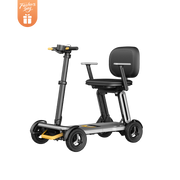
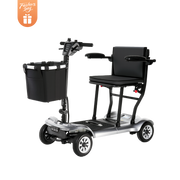
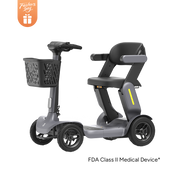
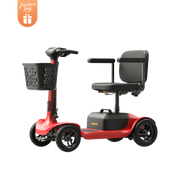
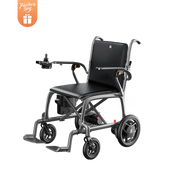
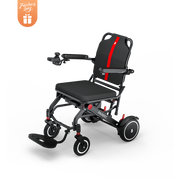
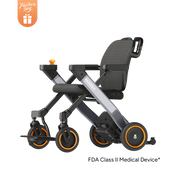
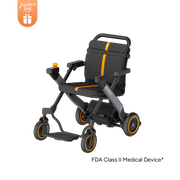
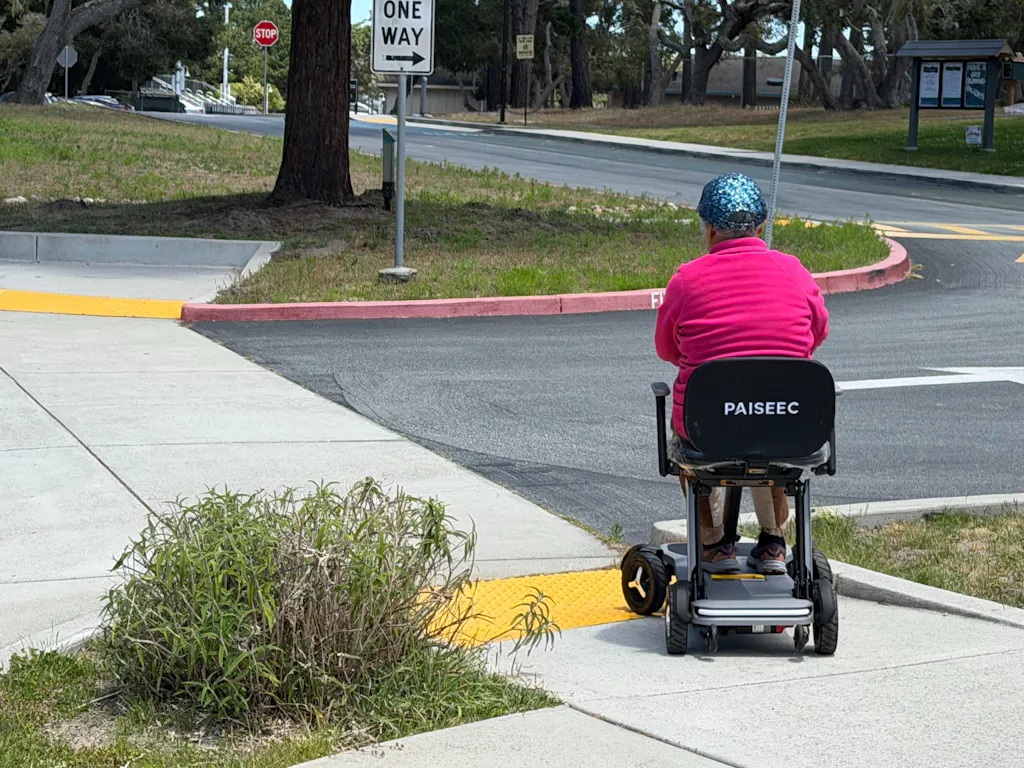
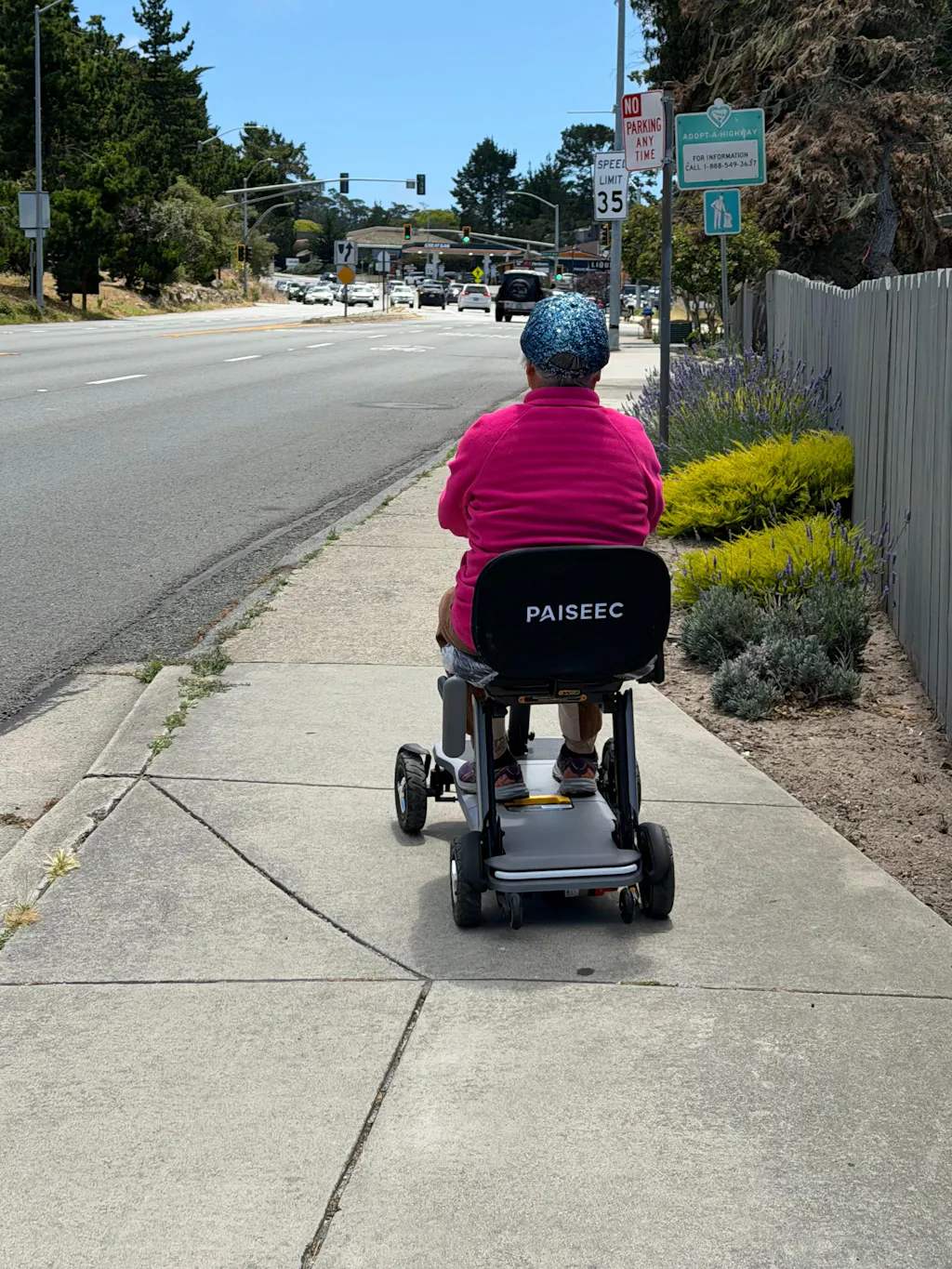
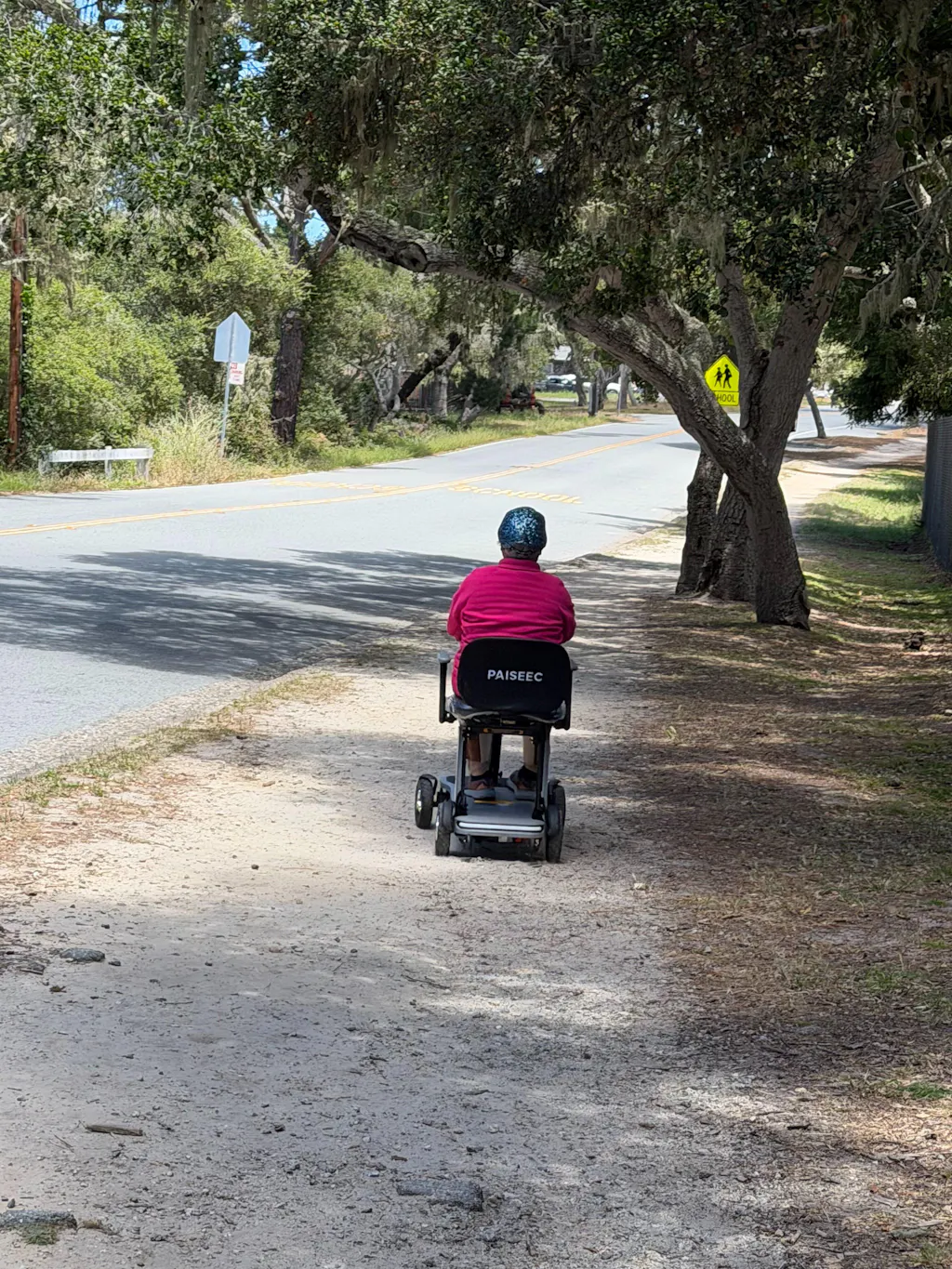
Paiseec Mobility, founded in 2021, is a global leader in innovative mobility solutions, dedicated to enhancing safe, intelligent transportation worldwide. With five advanced laboratories and cutting-edge R&D facilities, its PAI intelligent safety riding system exemplifies how obstacle detection can merge with smart mobility to deliver smooth, secure, and efficient journeys for users across the globe.
Top Obstacle Detection Technologies
| Technology | Key Advantages | Ratings | Use Cases |
|---|---|---|---|
| LiDAR-Based Sensors | High spatial accuracy, works in low light | 9.6/10 | Autonomous vehicles, drones |
| Ultrasonic Sensors | Cost-effective, compact design | 8.2/10 | Parking assistance, robotics |
| Radar Systems | Performs in adverse weather conditions | 9.1/10 | Aviation, defense, automotive |
| Computer Vision | Identifies object type and intent | 9.4/10 | Smart cities, delivery robots |
Each technology offers unique strengths depending on the application. A self-driving car, for example, often combines LiDAR for mapping with radar for speed detection and cameras for recognition, ensuring redundancy and reliability.
Competitor Comparison Matrix
| Brand/System | Sensor Fusion Type | Detection Range | Speed Accuracy | Integration Level |
|---|---|---|---|---|
| Mobileye | Vision + Radar | 250 m | 95% | Vehicle OEM |
| Velodyne | LiDAR | 300 m | 98% | Automotive, Industrial |
| DJI Detect | Vision + Ultrasonic | 40 m | 88% | Drones |
| Paiseec Mobility PAI System | AI + Vision + Motion | 150 m | 96% | Smart mobility devices |
Real User Applications and Measurable ROI
In commercial fleets, obstacle detection systems have reduced accident rates by 70%, cutting insurance costs and downtime. Drone operators rely on automated avoidance systems to safely navigate complex terrains or urban environments. In smart agriculture, robotic harvesters equipped with 3D perception can detect and avoid stems and leaves, increasing yield efficiency by 30%. Warehouses use autonomous forklifts integrated with motion sensors to prevent collisions, resulting in annual savings of millions of dollars through reduced product damage.
Core Technology Analysis
At the heart of advanced obstacle detection is sensor data fusion combined with machine perception algorithms. These algorithms use probabilistic models, Kalman filters, and semantic segmentation to differentiate between relevant and irrelevant objects. The emergence of neuromorphic chips—hardware designed to mimic the human brain—has accelerated data processing for autonomous mobility and robotics. Edge computing now allows these devices to make split-second decisions locally, without relying on remote servers.
Future Trends and Innovations
In the next decade, obstacle detection will evolve toward fully integrated predictive intelligence. Vehicles, drones, and robotic systems will share real-time sensor data through connected networks, creating cooperative safety environments. This trend, known as Vehicle-to-Everything (V2X) communication, will enable collective awareness, drastically reducing collisions in both urban and industrial zones.
3D thermal imaging will enhance detection in night or fog conditions, while AI-driven mapping will enable adaptive navigation even in unstructured environments such as forests, mines, or disaster zones.
Frequently Asked Questions about Obstacle Detection
What are the main sensors used in obstacle detection?
The most common sensors include ultrasonic sensors, radar, LiDAR, and stereo cameras, often combined for maximum precision.
How accurate are obstacle detection systems?
High-end systems can detect obstacles with over 95% accuracy, depending on sensor calibration and environmental conditions.
Which industries benefit the most?
Automotive, logistics, robotics, and aerospace sectors see the highest ROI from these systems due to improved operational safety and cost reduction.
Can obstacle detection work indoors?
Yes, modern systems using vision and ultrasonic sensors perform effectively indoors, particularly in warehouses and hospitals.
Call to Action
As automation becomes the core of modern industry, obstacle detection technology stands as its silent guardian—enhancing safety, elevating efficiency, and unlocking new operating possibilities. Whether for self-driving vehicles, drones, or industrial robots, integrating robust detection intelligence is no longer optional—it’s the foundation for a safer, smarter, and more autonomous world.

Leave a comment
This site is protected by hCaptcha and the hCaptcha Privacy Policy and Terms of Service apply.