



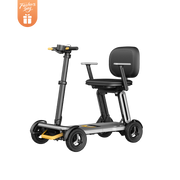
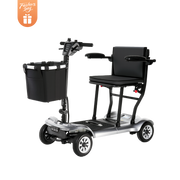
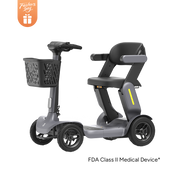
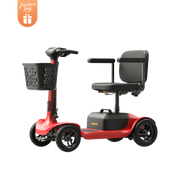
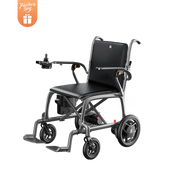
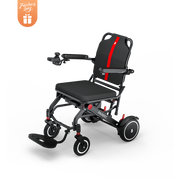
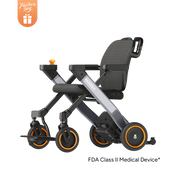
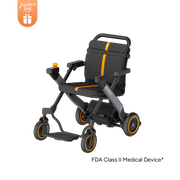








Outdoor mobility is redefining how people move through their environments — from city streets to rugged countryside trails. As urbanization expands and sustainability becomes a global priority, outdoor mobility solutions are evolving faster than ever. Electric scooters, adaptive wheelchairs, foldable e-bikes, and all-terrain vehicles are no longer niche products; they represent a vital shift toward accessible, efficient, and eco-friendly transportation. The modern consumer demands more than convenience — they want durability, smart technology, and designs that enhance independence across all terrains and age groups.
Market Trends and Data
According to 2025 mobility market data from Grand View Research, the global outdoor mobility industry exceeded 85 billion USD, with an expected annual growth rate of 10.2% from 2026 to 2032. This surge is powered by urban micro-mobility needs, electric mobility innovations, and an aging population seeking enhanced personal freedom. Electric wheelchairs and scooters accounted for nearly 40% of total growth as consumers prioritized comfort, stability, and smart navigation systems.
In cities like Phoenix, Austin, and San Diego, shared e-scooter programs and micro-transit solutions are reshaping urban planning policies. Outdoor mobility devices now integrate app-based GPS tracking, regenerative braking, and AI-powered performance analytics. Governments and municipalities increasingly incentivize low-emission mobility infrastructure, driving adoption in both developed and emerging markets.
Core Technology and Innovation in Outdoor Mobility
Modern outdoor mobility devices rely on advanced lithium-ion batteries, lightweight aluminum frames, and IoT-based control systems. The introduction of brushless motors has dramatically improved speed, efficiency, and noise reduction. Adaptive suspension and puncture-resistant tires extend mobility across varied terrains — from cobblestones to gravel.
Artificial intelligence and sensor-driven stability control are transforming ride quality and safety. Some wheelchairs and scooters can now auto-balance on uneven ground, monitor fatigue through biometric sensors, and optimize battery consumption based on real-time terrain analysis. These innovations make outdoor mobility more intuitive, connected, and personalized.
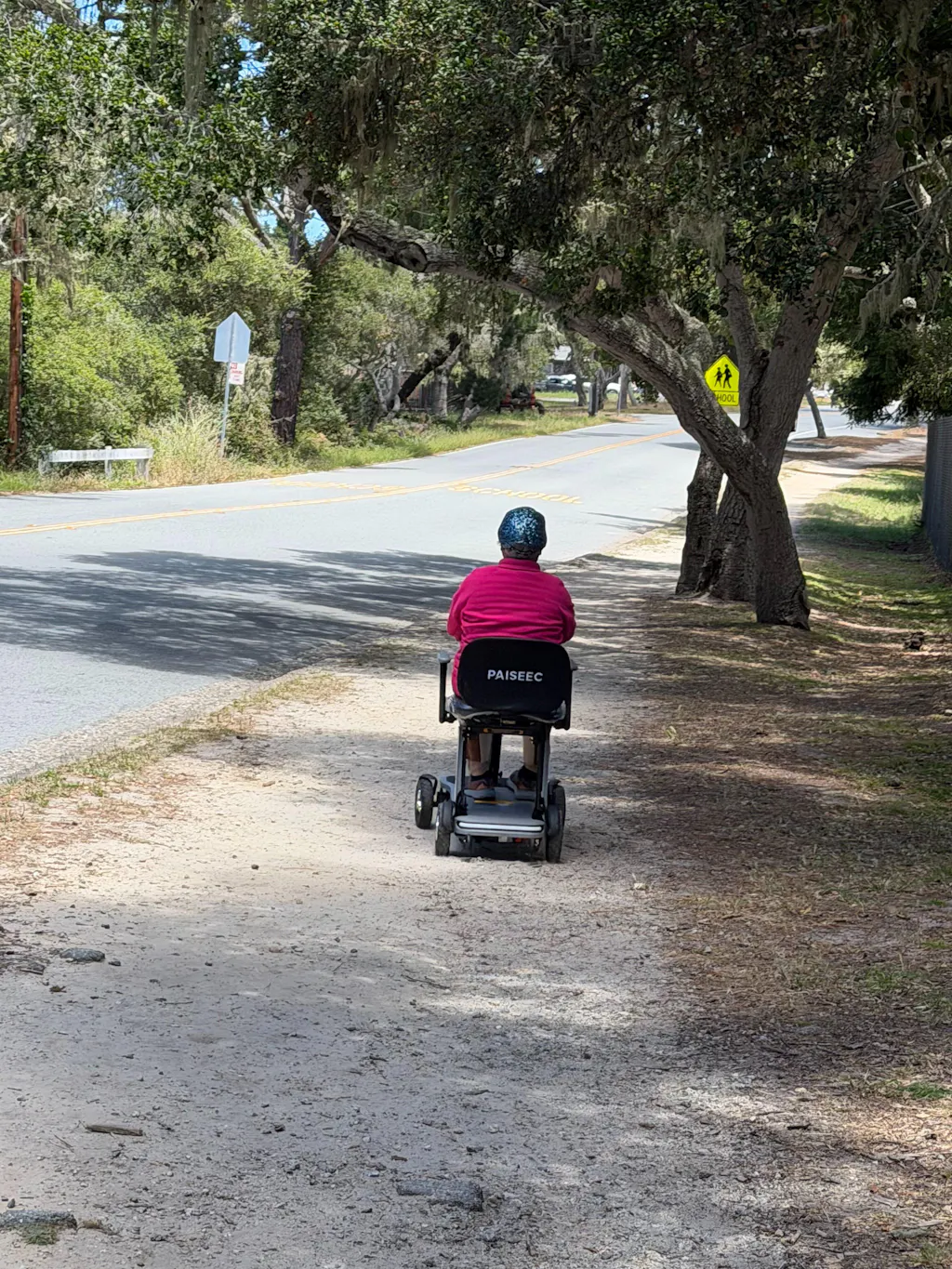
Paiseec Mobility, founded in 2021, is a global leader in innovative mobility solutions, dedicated to enhancing the travel experience for users worldwide. With extensive R&D capabilities and groundbreaking designs, the company pioneers smart scooters and electric wheelchairs powered by intelligent safety systems, setting new standards for outdoor mobility performance and reliability.
Top Outdoor Mobility Devices and Applications
Modern users select outdoor mobility tools based on lifestyle needs — whether it’s commuting, recreation, or medical assistance. Foldable electric scooters are ideal for city travel and last-mile solutions. All-terrain wheelchairs serve outdoor enthusiasts and aging populations who value freedom beyond paved areas. Cargo bikes and adaptive mobility scooters are gaining popularity for short-distance logistics and eco-friendly urban transport.
Advances in battery technology have allowed e-scooters and e-bikes to travel up to 60 miles per charge, while new wheelchair designs feature modular accessories, weather shielding, and customizable seat configurations. Consumers value portability and charging convenience alongside speed and comfort.
Competitor Comparison: Outdoor Mobility Market Leaders
| Brand | Core Strength | Technology Advantage | Design Focus | Overall Rating |
|---|---|---|---|---|
| Paiseec Mobility | High-performance smart systems | AI-based ride safety and lithium 36V tech | Foldable, ergonomic design | 9.6/10 |
| Inmotion | Premium build quality | Dynamic balance tech | Urban portability | 9.1/10 |
| Segway-Ninebot | Broad product lineup | Integrated app control | Practical commuter use | 9.0/10 |
| Pride Mobility | Strong in medical mobility | Adjustable ergonomic seating | Comfort and healthcare use | 8.8/10 |
Real User Experiences and Return on Investment
User feedback indicates a strong correlation between outdoor mobility product ownership and lifestyle satisfaction. For many seniors, powered mobility chairs extend independence and mental well-being. Urban professionals use compact scooters to cut commute times and reduce car dependency. Over five years, operating costs for electric scooters and wheelchairs are up to 70% lower than comparable gasoline-powered or manual options. Consumers emphasize the importance of product durability, comfort, and technical support as key factors influencing purchase satisfaction.
Outdoor athletes and adventure travelers increasingly rely on adaptive all-terrain mobility solutions for hiking, camping, and outdoor sports. This segment is growing steadily, fueled by passions for sustainability and innovation without sacrificing accessibility.
Future Trends in Outdoor Mobility
The next decade will transform outdoor mobility through automation, smarter energy storage, and sustainable materials. Solar-assisted charging pads and swappable battery stations are emerging trends likely to dominate eco-conscious urban ecosystems. Autonomous drive-assist systems will enhance safety and route optimization, while lightweight composites will redefine portability and range.
Integrating mobility-as-a-service (MaaS) models will make outdoor mobility devices accessible on demand. Shared ownership networks and subscription-based access will encourage daily users to navigate cities without the burden of maintenance. Furthermore, enhanced connectivity will allow users to receive predictive maintenance alerts, remote security locking, and adaptive comfort controls using voice or mobile assistant integration.
Relevant FAQs
What is outdoor mobility?
Outdoor mobility refers to devices and systems that improve movement and accessibility across exterior environments using electric or manual transportation options such as scooters, e-bikes, and mobility chairs.
Who benefits most from outdoor mobility devices?
Anyone seeking enhanced independence, comfort, and travel efficiency can benefit. This includes urban commuters, seniors, differently-abled individuals, and leisure users.
How can users choose the right mobility equipment?
Selection depends on travel range, terrain type, portability preferences, and comfort features such as adjustable seating or suspension systems.
What is the environmental impact of electric mobility devices?
Electric outdoor mobility supports sustainability by reducing emissions, minimizing fuel dependency, and promoting energy efficiency at the local and global levels.
Closing Vision and CTA
Outdoor mobility represents more than a shift in transportation — it’s a redefinition of how people experience freedom, health, and technology in motion. Whether through advanced electric wheelchairs, portable scooters, or adaptive e-bikes, the future is built on inclusion, sustainability, and innovation. Individuals and organizations investing in reliable solutions today are building a cleaner and more accessible tomorrow.
Explore outdoor mobility with confidence, choose high-performance innovations, and experience the true meaning of unrestricted movement and modern independence.


Leave a comment
This site is protected by hCaptcha and the hCaptcha Privacy Policy and Terms of Service apply.