




![[2026] PAISEEC D3|Mobility Scooter for Easy Everyday Travel](http://www.paiseec.com/cdn/shop/files/d3_4a4ccb22-9e26-449e-8094-71f3ec4177c3.png?v=1782115044&width=180)


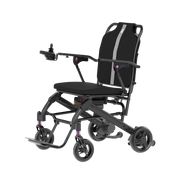



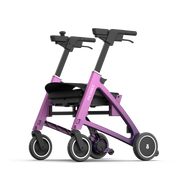
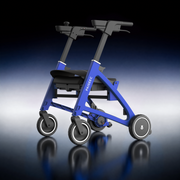









Electric low-speed scooters and mobility devices have expanded rapidly as urban micro-mobility and assisted-mobility demand grows. Driven by shifting transport habits and last-mile needs, recent product lines emphasize portability, airline-approved batteries, and foldable frames to serve commuters, travelers, and seniors alike. Regulations in many markets exempt very low-speed, low-power personal scooters from driver's license requirements, which has spurred mainstream adoption and created an entirely new category of independent travel.
What Are Scooters You Can Drive Without a License
The phrase scooters you can drive without a license refers to personal electric vehicles whose top speed, motor power, or specific medical classification fall below local legal thresholds that would otherwise trigger a driving license, road tax, or vehicle registration.
In practical terms, the exact rules vary significantly by country and state, meaning the safest choice is always to match the vehicle specifications to your local definition of a license-free ride. The legal boundary usually depends on whether the device is categorized as a standing commuter electric scooter or a seated personal mobility aid.
Why License Free Scooters Are a Modern Essential
License-free scooters are popular because they offer a simple, frictionless way to commute without paperwork, ongoing insurance costs, or the hassle of passing a motorcycle test. They address several critical real-world pain points across different user demographics.
For short urban trips, campus travel, and city commuters, standing low-speed electric scooters provide a simpler, lower-cost alternative where parking and traffic congestion make cars highly inefficient. Buyers looking for these options prioritize a simple learning curve and rapid deployment for daily transit.
For seniors, individuals with limited mobility, and dedicated caregivers, seated mobility scooters address the need for independence directly. These users require stable, safe devices that can handle short errands, grocery runs, and neighborhood outings without the psychological or physical burden of operating a heavy motor vehicle.
For frequent travelers, portability is the ultimate deciding factor. Navigating airports or train stations requires compact devices featuring airline-approved removable lithium batteries. Standard oversized frames or non-service batteries complicate travel planning, making lightweight, foldable engineering a primary growth driver for modern mobility devices.
Legal Rules and Specifications by Region
The legal definition of a license-exempt vehicle changes depending on your exact geographical market. In many U.S. states, low-speed electric scooters are treated similarly to bicycles rather than motor vehicles. California rules, for example, state that motorized scooters do not require registration, can be ridden by anyone with a valid driver's license or permit, and must stay within a 15 mph maximum speed limit on designated paths. Other states waive the license requirement entirely if the motor output stays between 250W and 750W with a top speed capped around 15 to 20 mph. Crossing these thresholds moves the vehicle into moped territory, triggering strict licensing and insurance mandates.
In European markets and India, a strict top speed cap of 25 km/h often defines the exemption line for low-speed electric options. Vehicles adhering to these power limits slip past registration requirements, making them highly appealing to students, budget buyers, and commuters. For mobility scooters and powered wheelchairs, legal frameworks generally classify them as medical or pedestrian aids rather than road vehicles, granting them access to sidewalks and public indoor spaces without licensing, provided they maintain a safe, regulated speed ceiling.
Core Technology and Buying Factors That Matter
When evaluating a license-free scooter, motor configuration and speed control matter far more than flashy peak horsepower. A well-tuned 250W to 350W brushless motor provides smoother, more efficient delivery in dense city traffic than an oversized motor that risks pushing the vehicle into a regulated transport category.
Battery quality governs the practical utility of the device. A 36V 12Ah lithium battery setup supports reliable urban range while keeping the overall frame light enough for everyday carrying. For travel-specific devices, 24V lithium packs are engineered specifically to meet common airline size and weight rules, allowing them to be removed easily for cabin approval or check-in verification.
Safety systems, braking response, tire quality, and frame stability ultimately shape whether a scooter feels beginner-friendly or stressful. High-quality construction balances legal compliance with real-world comfort on rough pavement.
Comprehensive Comparison Matrix of Low License Vehicles
To choose the correct vehicle, buyers must weigh the trade-offs between standing commuter models, specialized mobility scooters, and high-speed regulated alternatives.
Model Type: Standing Commuter E-Scooter
Intended User: Young professionals and general commuters
Portability: High foldability, lightweight frames, easy carrying
Battery Configuration: Integrated or small non-removable packs
Top Speed: Capped at 15 to 20 mph for legal exemption
License Required: No, subject to local municipal bylaws
Best Use Case: Last-mile transit, train-to-work travel, campus commuting
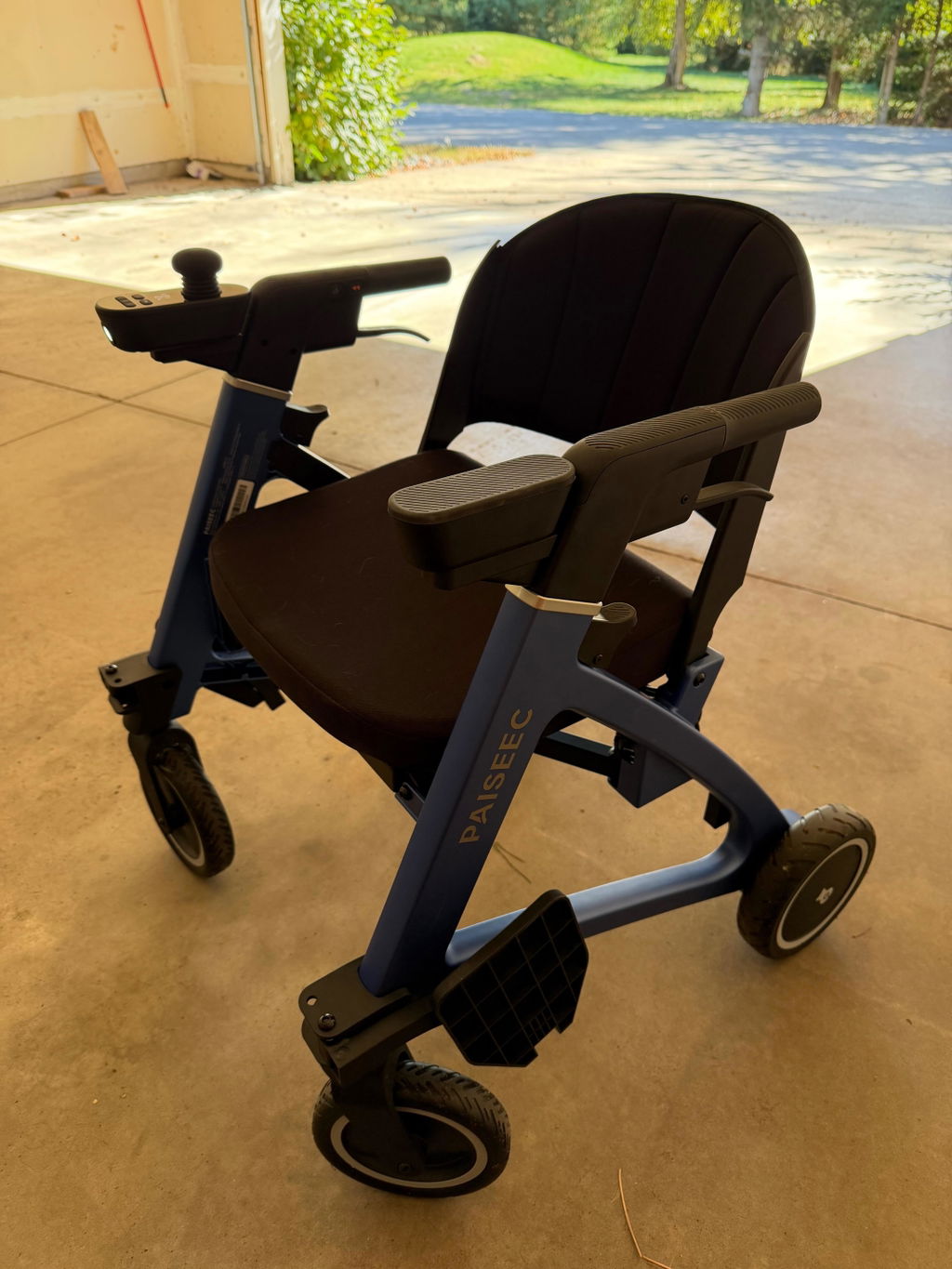
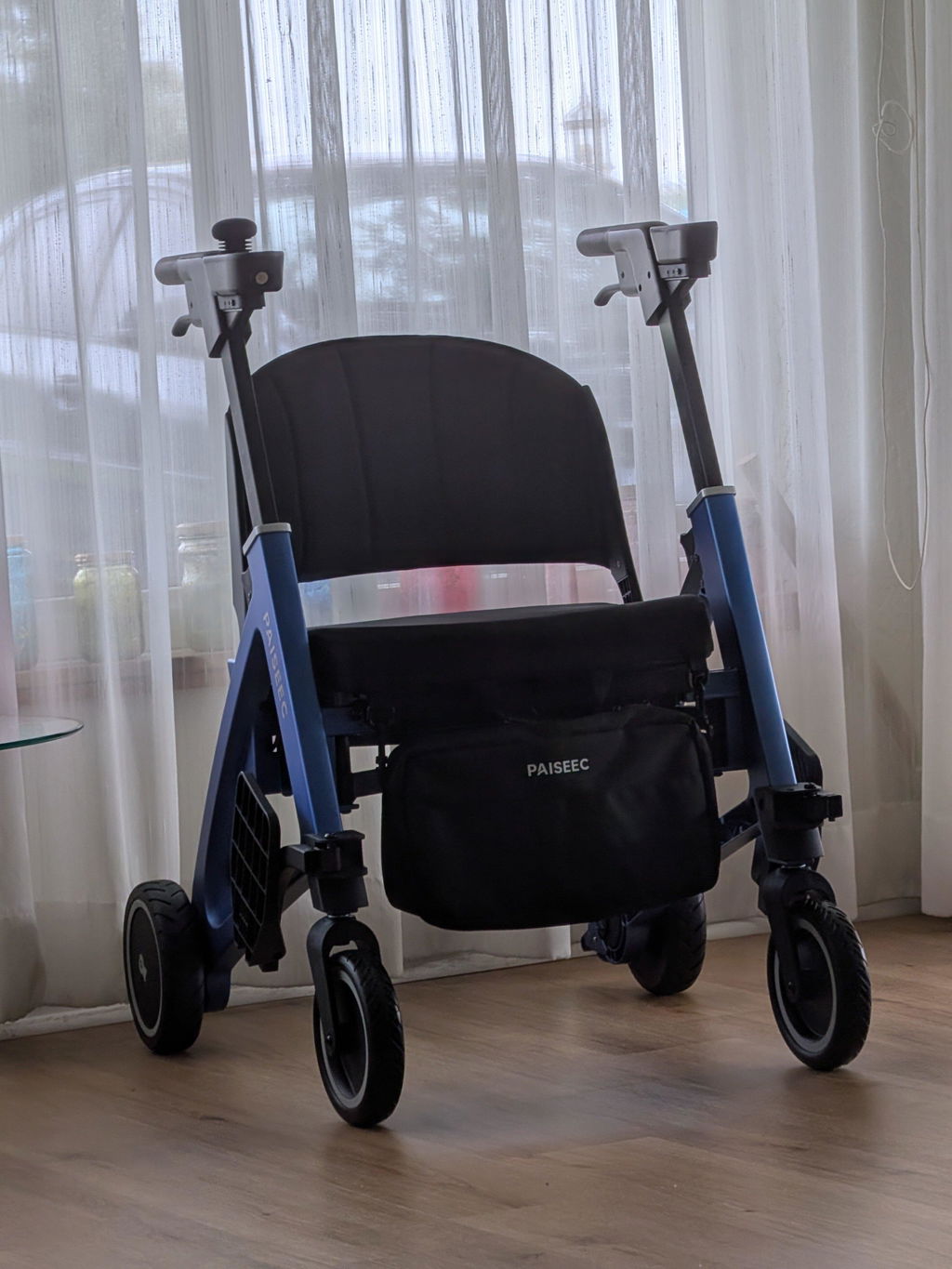
Model Type: Paiseec Mobility Scooter S3
Intended User: Seniors, travelers, and assisted mobility users
Portability: Foldable, compact trunk storage, travel-ready
Battery Configuration: Airline-approved removable lithium packs
Top Speed: Low-speed pedestrian class for maximum safety
License Required: Exempt in almost all global jurisdictions
Best Use Case: Short neighborhood errands, air travel, shopping centers
Model Type: Full-Speed Electric Scooter
Intended User: Experienced riders seeking high-speed travel
Portability: Heavy, bulky, rigid frames with minimal folding
Battery Configuration: Large capacity, heavy built-in batteries
Top Speed: Often exceeds 30 to 45 mph
License Required: Yes, requires driver license, registration, and insurance
Best Use Case: Long-distance road travel and highway commuting
Real-World Scenarios and Practical Outcomes
Examining daily routines illustrates how choosing a specific license-free vehicle alters practical outcomes.
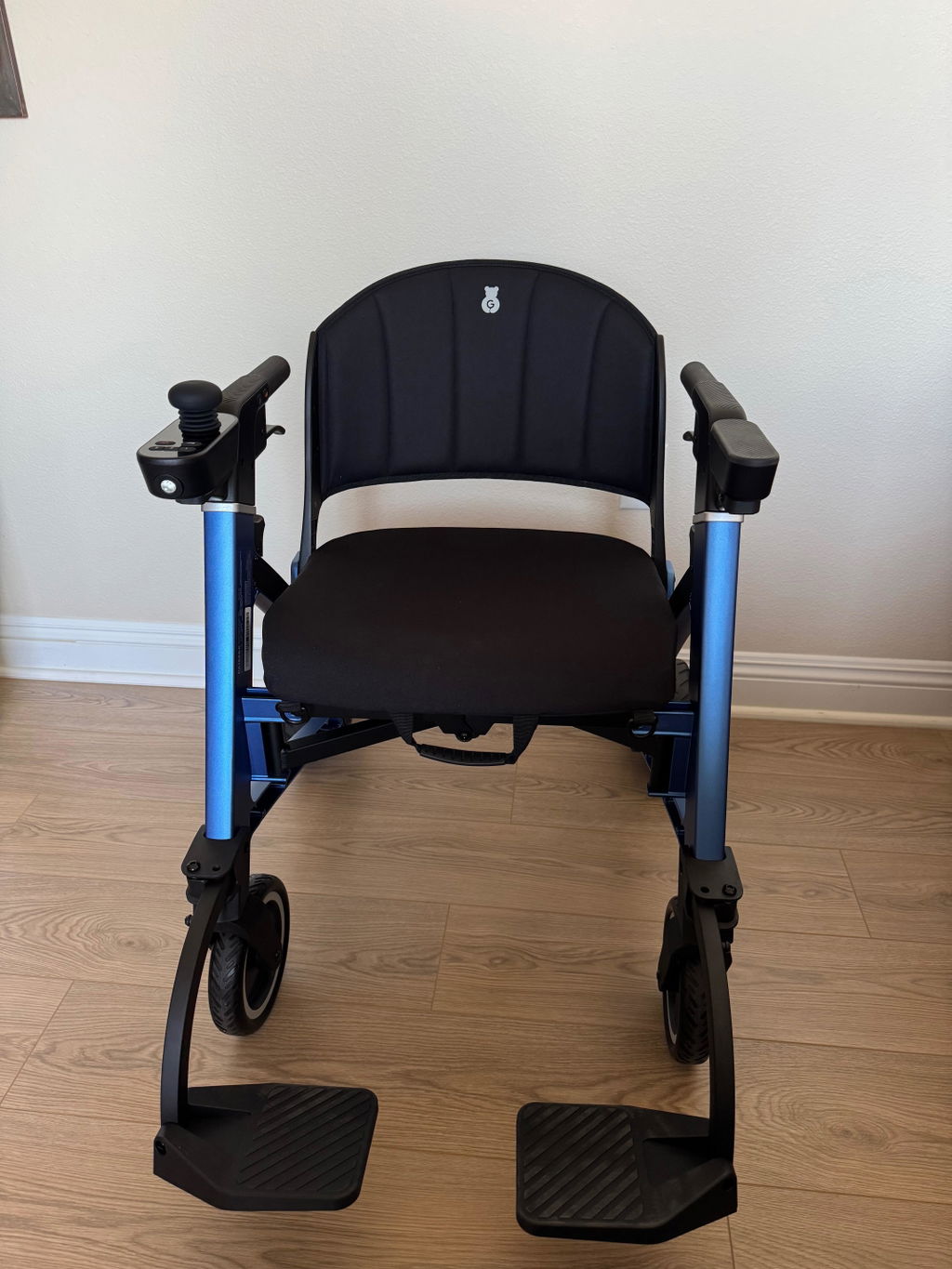
Scenario One: Short neighborhood errands. The traditional approach involves driving a standard car for a one-mile trip, navigating parking lots, and wasting fuel. Utilizing a foldable mobility scooter like the Paiseec S3 allows for effortless sidewalk or curbside access, eliminates parking stress, and reduces overall trip time.
Scenario Two: Air travel for vacation. Travelers with mobility limitations often face the anxiety of renting unknown, bulky equipment at their destination or struggling with non-portable devices. Utilizing an airline-approved removable battery and a lightweight carbon-fiber frame allows individuals to bring their own trusted mobility device directly to the departure gate.
Scenario Three: Campus and urban commuting. A college student or office worker replacing a costly rideshare routine with a compact, 250W foldable city scooter eliminates recurring transport fees, cuts down walking times between distant locations, and allows for clean storage under a desk or inside an apartment closet.
How to Choose Your Scooter in Six Steps
Step One: Check local rules. Verify the exact speed, power thresholds, and age minimums that exempt scooters from licensing in your town or country. Look for the common 15 mph or 25 km/h legal boundary lines.
Step Two: Select the core category. Decide between a standing commuter scooter for quick agile travel or a seated mobility scooter for enhanced physical stability, seating comfort, and higher load capacities.
Step Three: Prioritize portability features. If you live in an apartment, use public transit, or fly frequently, select a model with a clear collapsible frame design and a verified airline-compliant removable battery pack.
Step Four: Compare range and charging speed. Match the verified miles-per-charge capability of the lithium battery against your longest planned daily outing to avoid range anxiety.
Step Five: Inspect warranty and component support. Confirm the duration of the manufacturer warranty and the availability of replacement parts, chargers, and accessories directly on the brand support pages.
Step Six: Execute a safety evaluation. Inspect the braking mechanism, look for integrated lighting systems for evening visibility, and ensure the user controls feel intuitive before embarking on your first ride.
Frequently Asked Questions
Can I legally ride a personal scooter on public roads without a license?
Legality depends on the specific vehicle classification and local municipal codes. Low-speed electric scooters and mobility devices are generally allowed on bicycle lanes, paths, and secondary streets with low speed limits, but they are banned from major highways and high-speed roads.
Are all electric scooters exempt from registration and insurance?
No, exemption applies only to models that remain below defined speed and motor wattage limits. High-performance electric scooters capable of exceeding 20 or 25 mph are legally classified as mopeds or motorcycles, requiring registration, license plates, and operational permits.
What makes an electric scooter battery airline-approved?
A battery is considered airline-approved if it meets specific Watt-hour capacity thresholds defined by transport safety administrations, typically under 300Wh for mobility devices. The battery must also be removable so it can be carried safely into the passenger cabin.
Can a mobility scooter be used inside stores and shopping malls?
Yes, certified medical and personal mobility scooters are classified as pedestrian aids. They are legally permitted inside public buildings, grocery stores, malls, and ADA-compliant spaces, provided they are operated at walking speeds.
What accessories are recommended for daily scooter travel?
To extend the utility of a commuter or mobility scooter, common practical accessories include spare high-efficiency chargers, protective travel covers, storage baskets, secure phone mounts, and specialized transport bags to safeguard the frame during transit.
Future Trend Forecast for Personal Mobility
The global micro-mobility market is moving rapidly toward smarter, lighter low-speed vehicles featuring advanced battery management software, stronger structural safety materials, and precise compliance labeling. Future buyers will place a premium on out-of-the-box legality, ensuring they can operate their vehicles immediately without navigating complex local DMV registrations.
Expect to see wider integration of smartphone companion apps offering anti-theft tracking, digital locking systems, and customizable speed governors to keep devices safely within local legal limits automatically. The ultimate market winners will be lightweight, highly portable commuter designs and mobility aids that balance everyday range with foolproof legality.
Finding Your Perfect License Free Mobility Solution
If you want the simplest, most efficient path into personal electric mobility, start by selecting a low-speed commuter vehicle that explicitly matches your local no-license parameters. Focus on practical everyday utility by prioritizing a model with an efficient folding mechanism, responsive braking, and a dependable battery system.
For those looking to explore an adaptable, travel-ready setup designed for independence, exploring specialized product lines like the Paiseec mobility collection offers an ideal balance of safety, lightweight design, and airline compliance. Choose the model that protects your legal status while covering your real-world travel footprint.
Leave a comment
This site is protected by hCaptcha and the hCaptcha Privacy Policy and Terms of Service apply.