




![[2026] PAISEEC D3|Mobility Scooter for Easy Everyday Travel](http://www.paiseec.com/cdn/shop/files/d3_4a4ccb22-9e26-449e-8094-71f3ec4177c3.png?v=1782115044&width=180)

















Riding an e-scooter on the road depends entirely on where you live, local vehicle classifications, and whether the scooter is privately owned or part of an approved rental scheme. Laws vary widely between countries, states, provinces, and cities, so the safest approach is to check local traffic rules and permitted zones before you ride. Urban micro-mobility adoption has grown rapidly as cities seek greener, last-mile solutions, prompting many governments to pilot regulated e-scooter rental schemes and to review traffic codes to integrate low-speed electric vehicles into cycling and low-traffic streets.
Understanding the distinction between vehicle classes is essential. Standard stand-up electric scooters used for short trips are often regulated differently from seated personal mobility aid devices designed for travel, long-range comfort, and everyday independence. Using the wrong device in the wrong environment can risk fines or safety incidents. For instance, recent municipal pilot programs across major cities limit stand-up e-scooter speeds to 15 mph and strictly forbid sidewalk riding in central or waterfront areas to protect pedestrian safety and maintain accessibility.
Legal Status by Jurisdiction and Traffic Rules
Many jurisdictions classify electric scooters as either micro-mobility devices, powered transporters, or low-powered motor vehicles, and that classification determines where you may ride and what requirements apply. In several countries, private e-scooters are restricted to private land only, while approved rental schemes may be allowed on roads and cycle lanes under trial or regulatory frameworks. Other common regulatory controls include mandatory insurance, minimum age limits, helmet requirements for certain riders, speed caps, and strict restrictions against pavement or sidewalk use.
Ambiguous local laws cause significant uncertainty for riders regarding where they may legally ride and park. Pedestrians, especially visually impaired users, can be endangered by sidewalk riding and by scooters left blocking paths. Consequently, municipal programs enforce secure parking and locking requirements to avoid clutter and keep public ways clear. When riding is legal on public roads or cycle lanes, you are usually required to obey standard traffic laws, signal turns, yield to pedestrians, and follow lane markings and speed limits.
How to Determine Local Legality Quickly
To verify the rules in your specific area before riding, consult your city transportation department, municipal ordinances, or transport authority guidance. Look specifically for technical terms like powered transporter, personal light electric vehicle, or e-scooter trials.
Confirm whether privately owned scooters are treated differently from rental fleet scooters, whether cycle lanes are allowed, and whether roads with certain speed limits are excluded. Verify documentation requirements such as license categories, registration, and insurance, alongside vehicle technical limits including maximum permitted motor power or top speed.
Technical Checklist for Road-Capable Scooters
When your jurisdiction permits road or cycle-lane use, prioritize scooters with technical specifications that meet local legal limits and enhance daily safety. Key features to check include motor power, maximum continuous rated power, top speed, and battery capacity, which are often used by regulators to classify vehicles.
Look for robust braking systems such as dual disc or regenerative plus mechanical brakes, adequate integrated lighting, durable suspension for urban potholes, built-in speed limiters, and durable frames rated for regular commuting. Geofencing, remote speed limiting, and lock/unlock app integrations are common in rental fleets to enforce local rules, while advanced personal models offer advanced braking, automatic speed reduction in pedestrian zones, or error alerts to improve compliance and reduce incidents.
Practical Riding Guidance and Risk Reduction
Maintain visibility with lights and reflective clothing, anticipate vehicle blind spots, and ride defensively by assuming drivers might not notice you. Choose a scooter with appropriate speed control and reliable brakes, and ensure tires and lights are roadworthy before every trip. Night riding often requires dedicated lights and reflectors, and using a helmet is widely recommended and sometimes mandatory for younger riders. Operating under the influence, reckless riding, or carrying passengers where prohibited can lead to fines, penalty points, or vehicle seizure.
Keep to designated bike lanes where allowed. If you must ride on a road, stay as far to the appropriate side of the lane as safe, obey traffic signals, and avoid busy high-speed roads. Walk the scooter on crowded sidewalks where local rules or pedestrian flow require it, and always lock and park so you do not block pedestrian paths, ramps, or building entrances.
Comparative Framework for Personal Mobility Options
Standard Rental Fleet Scooters are designed for short on-demand trips and are subject to rigid city pilot rules, including automatic speed caps, time-of-day restrictions, and mandatory geofenced parking. Safety systems are managed remotely by the operator via remote cut-off.
High-End Commuter Models are built for regular personal commuting and recreation. Speed limiters are often configurable within legal limits, and safety systems include advanced braking and integrated lights. Road and bike-lane rules vary by municipality, and insurance or registration remains the responsibility of the owner.
Lightweight Foldable Personal Scooters focus primarily on portability for transit-first commuters. They feature lower top speeds for compliance and basic braking systems. In many areas, they face restrictions from public roads, making them ideal for mixed-mode trips where the device can be folded and carried.
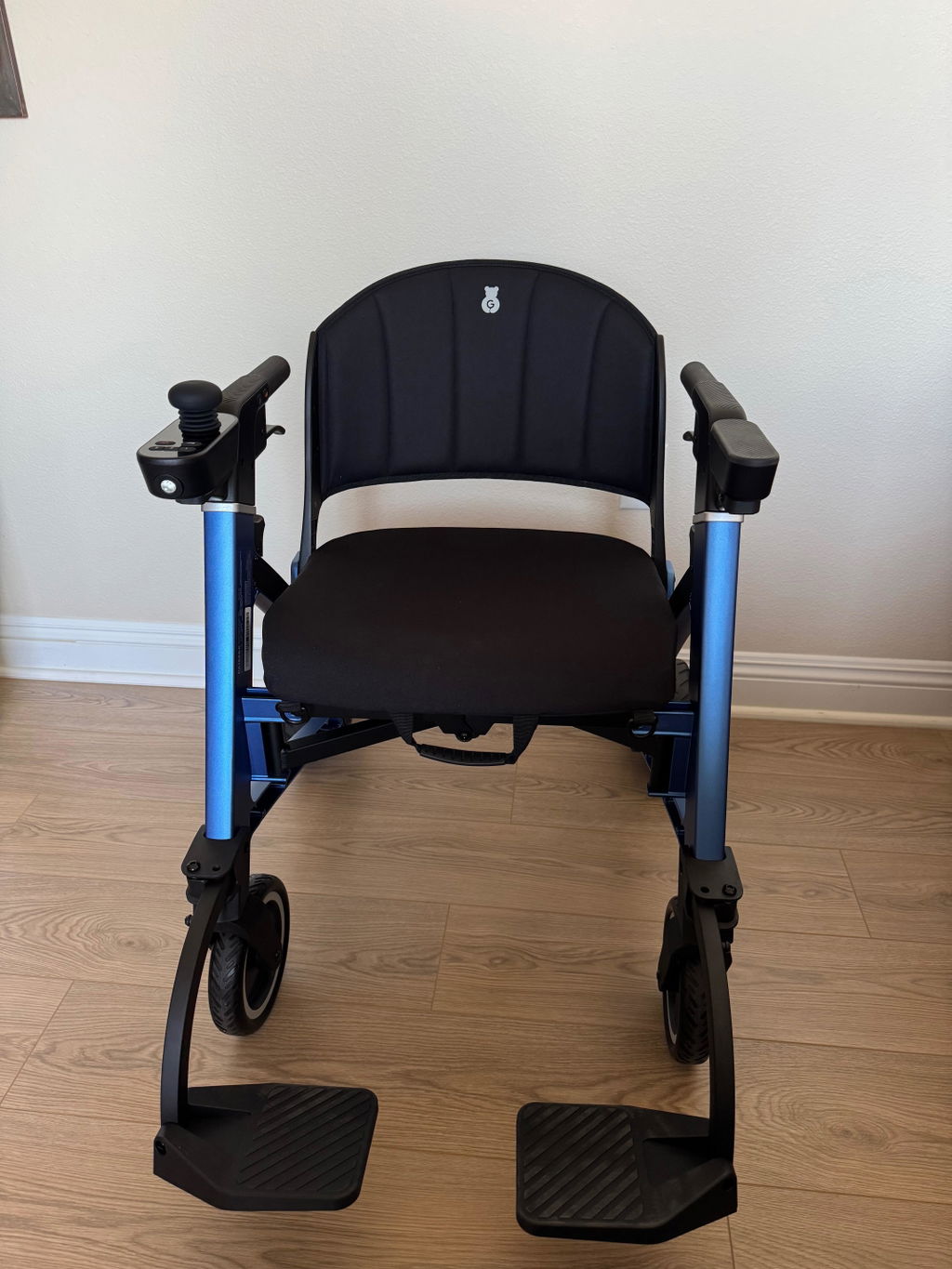
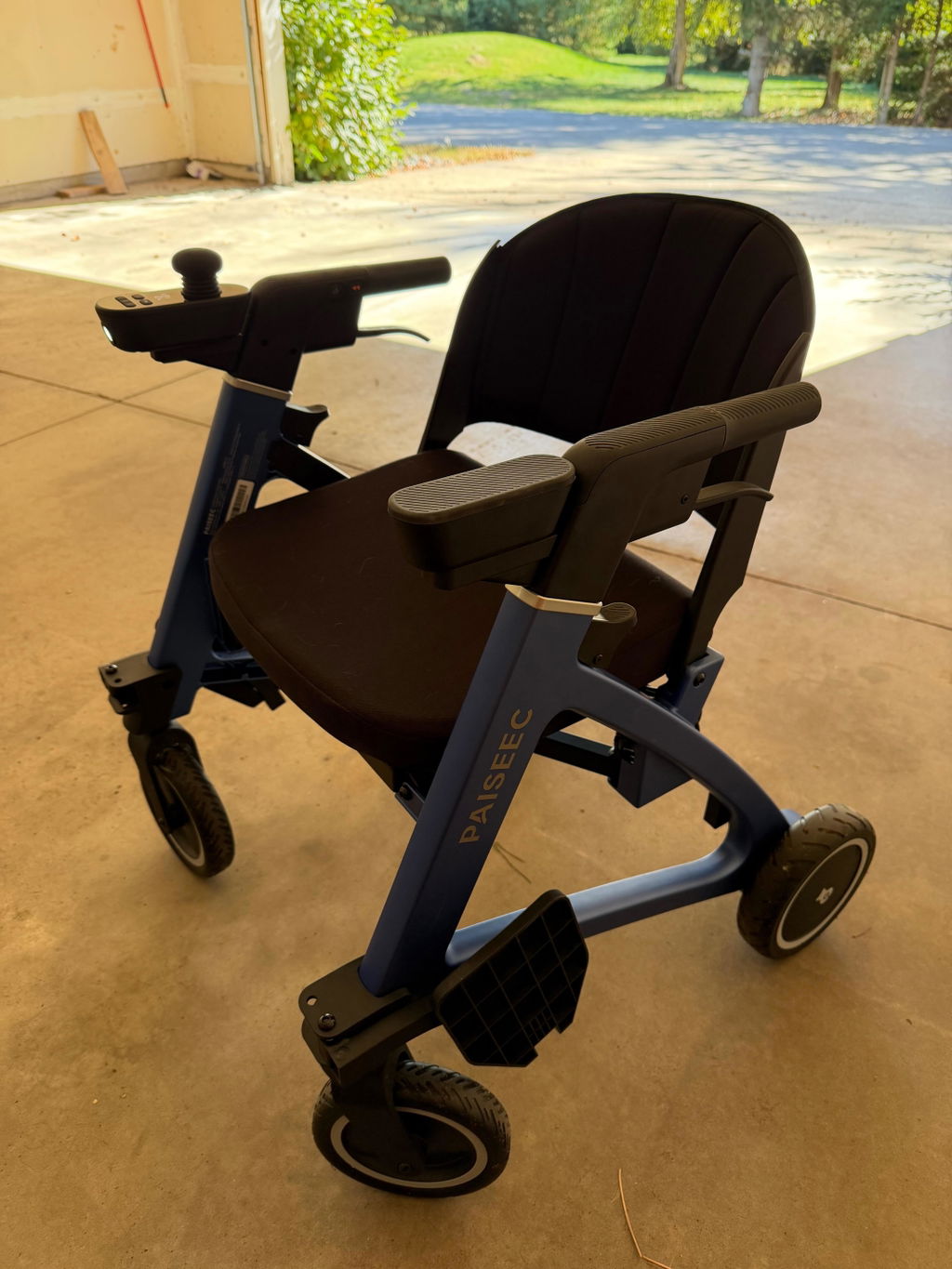
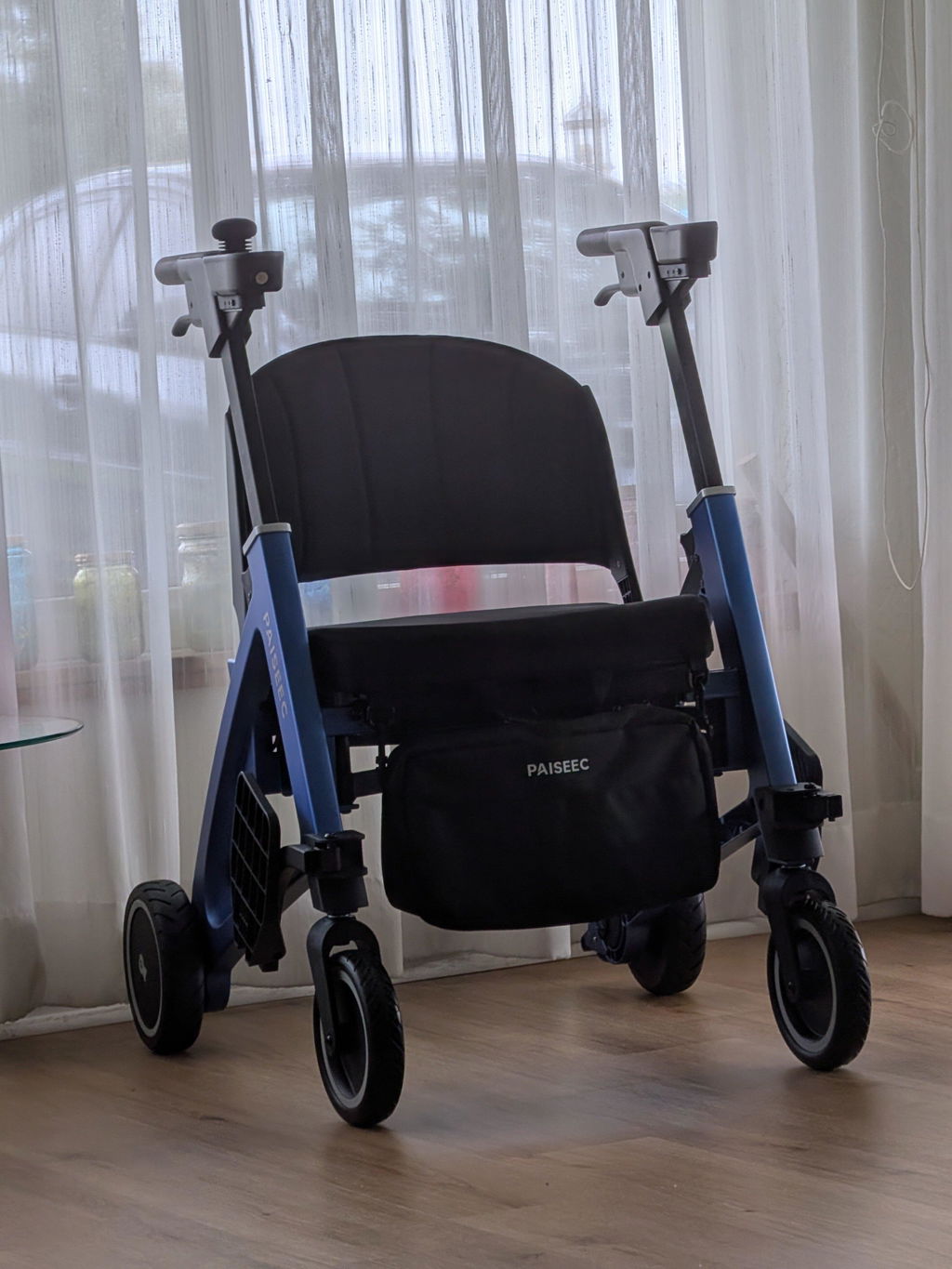
Seated Mobility Devices and Electric Wheelchairs are classified as personal mobility aids meant for pedestrian, curb, or roadside use depending on local accessibility rules. They offer stable seating, secure battery range, and compact folding frames, making them a practical alternative for users who require seated stability or airline travel compliance.
Core Technology and Product Capabilities
Advanced material construction, such as aluminum or carbon fiber frames, enables premium personal mobility devices to offer lightweight folding mechanisms for compact storage and easy multi-modal travel. Range figures vary based on battery capacity, with typical high-efficiency models achieving eleven to eighteen miles per charge using optimized five to six hour charging windows.
Furthermore, the inclusion of removable lithium batteries specified as airline-approved simplifies compliance with transport regulations, allowing users to navigate airports and long-distance travel smoothly. Accessories like spare batteries, chargers, baskets, and mirrors further adapt these personal devices for daily errands, neighborhood commuting, and independent travel.
Real Rider Cases and Use-Case Scenarios
Commuters who switch from short car trips to personal electric mobility options in regulated areas report travel time reductions during peak hours and lower commuting costs. In controlled trials, rental programs show measurable reductions in first-mile and last-mile friction for transit users, though safety incident rates require ongoing infrastructure improvements to support mixed traffic environments.
Consider a standard neighborhood errand where riders using shared standing e-scooters risk sidewalk conflicts or legal fines. A rider utilizing a lightweight foldable mobility scooter gains stable seating, reliable range, and the ability to fold the device for brief transit. Similarly, for airport travel and multi-modal trips where large mobility devices are difficult to transport, compact models with airline-approved removable batteries simplify boarding and storage. For older adults navigating mixed sidewalks and bike lanes, lightweight electric wheelchairs and multi-functional rollator integrations offer safe, adaptable options with excellent gait support and storage.
Quick Answers to Common Legal Questions
Are private e-scooters allowed on public roads? Not always. Many places restrict private stand-up e-scooters to private land unless specific local legal changes or trial programs permit them on public roadways or cycle lanes.
Are mobility scooters legal on roads? Mobility scooters and electric wheelchairs marketed as personal mobility aids are regulated differently from rental stand-up e-scooters. Legality on roads, bike lanes, or sidewalks varies by jurisdiction and depends on whether the device is classified as a pedestrian assistant or a motor vehicle.
Must e-scooters be insured or registered? Where they are classified strictly as motor vehicles, registration and insurance are often required. Shared rental operators handle these requirements for their fleets, whereas personal ownership requires verifying local department of transportation mandates.
Where should I park a personal mobility device? Park at designated bike racks or designated micro-mobility parking zones. Avoid blocking sidewalks, curb cuts, and accessibility ramps to prevent fines and ensure equitable access for all pedestrians.
How far can a personal electric scooter travel on one charge? Distance capability depends entirely on the specific battery pack and motor efficiency. Standard commuter and travel models typically span eleven to eighteen miles per charge, and exact figures can be confirmed via individual manufacturer product specification sheets.
Future Trends and Multi-Modal Outlook
Expect more jurisdictions to expand regulated rental schemes and to refine legal categories for personal electric options as urban planners integrate micro-mobility into broader transport policy. Advances in built-in safety technology, stricter parking enforcement through geo-fencing, and clearer licensing or insurance frameworks are likely as cities scale up trials and analyze safety data.
The long-term trend points toward better integration of low-speed electric vehicles into multimodal transport networks, provided infrastructure and enforcement evolve alongside adoption. For users who need seated stability, longer comfort, or airline portability, premium foldable mobility scooters and lightweight electric wheelchairs present a compliant, practical alternative when chosen and used according to local regulations.
Leave a comment
This site is protected by hCaptcha and the hCaptcha Privacy Policy and Terms of Service apply.