




![[2026] PAISEEC D3|Mobility Scooter for Easy Everyday Travel](http://www.paiseec.com/cdn/shop/files/d3_4a4ccb22-9e26-449e-8094-71f3ec4177c3.png?v=1782115044&width=180)






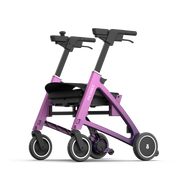
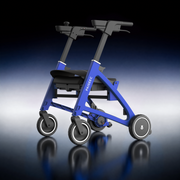









Finding the best airline approved mobility scooters means balancing portability, battery compliance, reliability, and comfort for travel. This comprehensive guide compares top travel scooters, explains critical airline battery rules, breaks down core technologies, presents real-world user scenarios, and delivers an actionable buying checklist so travelers can choose the ideal scooter for every trip.
Market Trends and Travel Demand
Demand for airline-friendly mobility scooters has surged as global air travel expands and accessible travel becomes a mainstream expectation. Industry reports highlight rising search interest for lightweight foldable travel scooters and FAA/TSA-friendly battery options. This drives manufacturers to innovate around removable lithium packs and fast-fold designs. Airlines increasingly publish specific gate-check rules, meaning scooter designs that minimize handling time and fit standard sizers gain distinct favor among frequent flyers.
Top Airline Approved Mobility Scooters Comparison
Name Key Advantages Ratings Use Cases
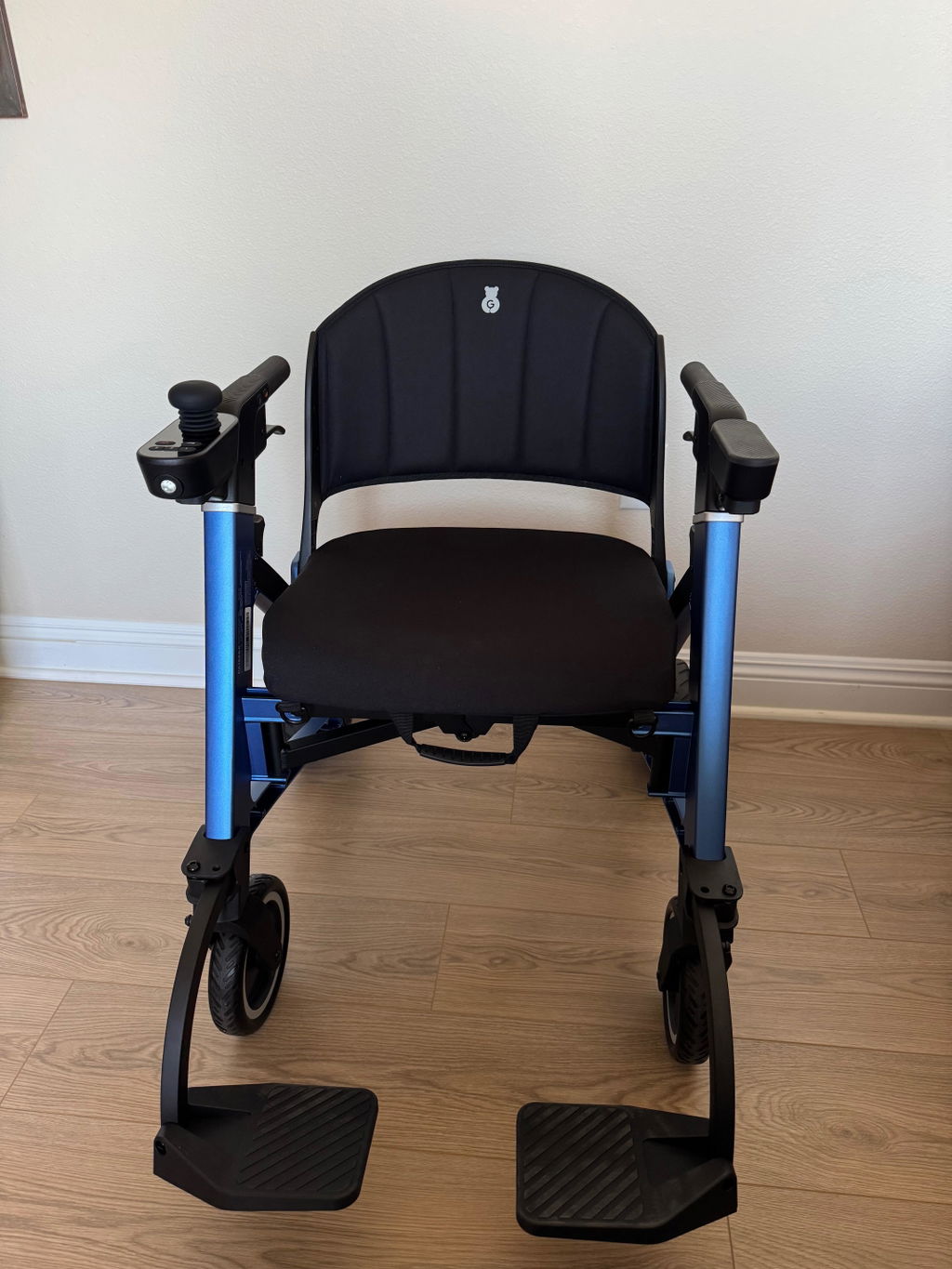
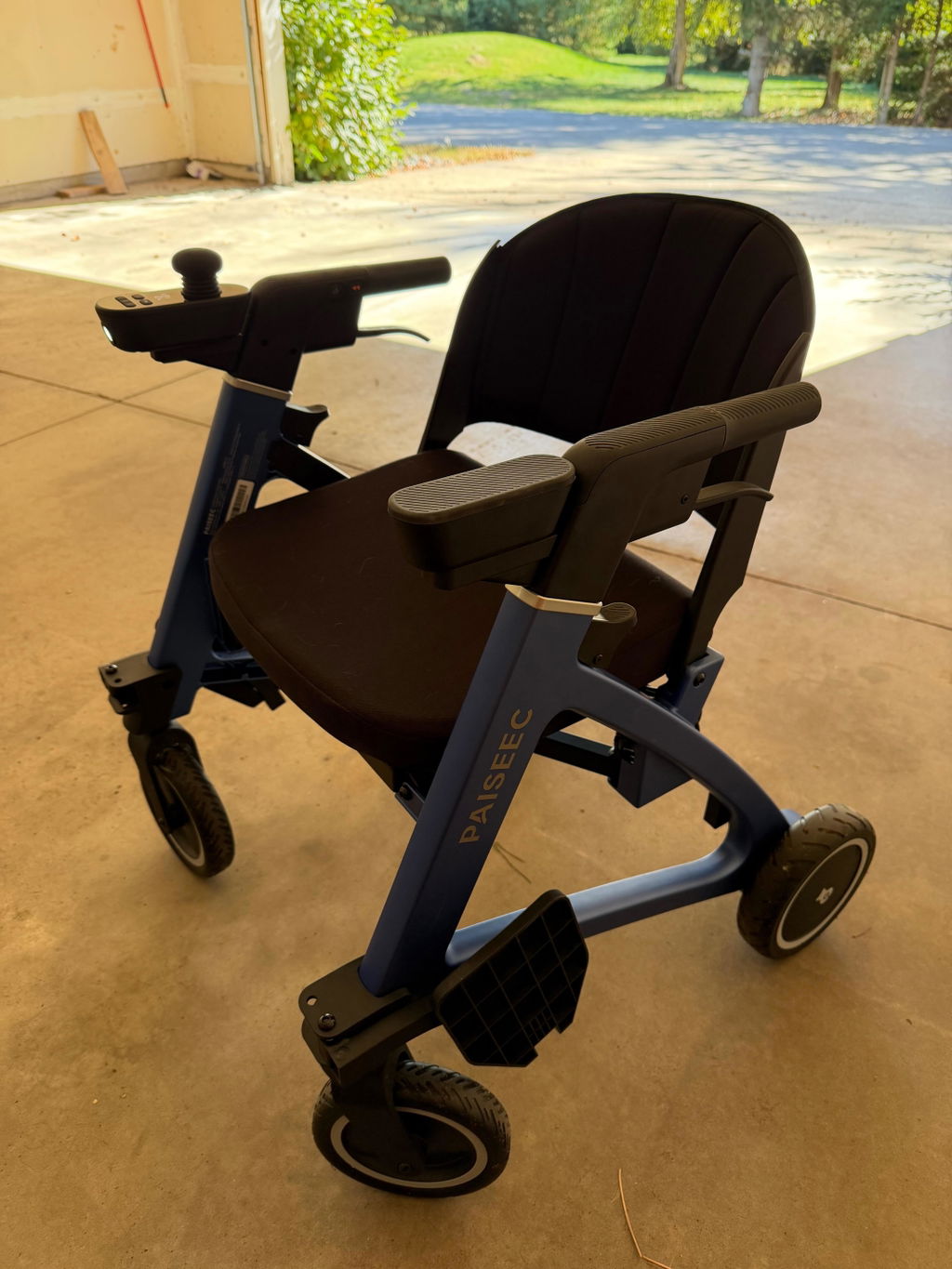
Paiseec D3 Two-Step fold, 36 lbs, 300Wh removable battery, 12-mile range 4.9/5 Air travel, gate-check, international trips
TravelScoot Ultra-light frame, modular disassembly, 15-mile range 4.7/5 Long-haul travel, scenic touring
Go-Go Carbon Carbon-fiber frame, super-light, easy carry 4.6/5 Frequent flyers, overhead storage
Buzzaround CarryOn HD Stable 4-wheel design, heavier capacity 4.5/5 Cruise ports, airport transit
Pride Go-Go Elite Budget-friendly, simple disassembly 4.4/5 Local travel, occasional flights
Competitor Technical Comparison Matrix
Feature Paiseec D3 TravelScoot Go-Go Carbon Buzzaround CarryOn
Total Weight 36 lbs 35 lbs 28 lbs 42 lbs
Battery Wh 300Wh 288Wh 220Wh 260Wh
Fold Time 10 sec 30 sec 15 sec 90 sec
Carry Style Two-Step fold Multi-step disassembly Quick collapse Fold and separate seat
Best Strength Compliance and speed Range and comfort Ultra-light portability Stability and capacity
Core Technology Analysis
Battery compliance remains the single most important technical constraint for modern travel mobility. Mobility scooter batteries must meet strict airline watt-hour limits and carry-on handling rules. Removable packs that clearly show Wh labeling and UN38.3 regulatory markings are highly preferred by airport security. Lightweight frames utilize aviation-grade aluminum or premium carbon fiber to lower overall mass without sacrificing structural strength, while brushless 250W motors balance hill-climb torque with energy efficiency. Modern Battery Management Systems provide overcurrent protection, thermal cutoff, and state-of-charge reporting to ease gate inspections and prevent denied boarding due to ambiguous battery labeling.
Airline Battery and Regulatory Guidance
Airlines strictly adhere to FAA and IATA guidance that influences what qualifies as an airline approved mobility scooter. Batteries at or below 300Wh for a single removable pack are typically manageable, while dual-battery configurations must meet the airline’s specific combined and carry-on rules. Travelers should always check the specific airline’s mobility device policy at least 48 hours before departure and secure medical documentation if required for international flights. Best practices include carrying printed battery documentation, storing battery packs in protective sleeves during flight, and preparing the scooter to fold or disassemble quickly for gate agents.
Real-World Travel Scenarios and ROI
Airport Connection Scenario: Traditional heavy scooters require arriving hours early and coordinating complex special handling. Using a streamlined, foldable travel scooter reduces stress at check-in and makes tight terminal transfers much simpler. A frequent flyer saved $200 annually in checked-baggage fees after switching to a fast-fold airline approved mobility scooter, achieving a payback period of under one year.
Multi-Stop Vacation Scenario: Standard mobility equipment works fine locally but becomes highly inconvenient to pack between hotels. A lightweight, airline-friendly model moves easily from plane to taxi to hotel room. An international traveler regained independence on multi-city tours, covering an extra 8 to 12 miles per day compared with relying on local taxis, generating measurable savings and increased personal mobility ROI.
Family Visit Scenario: Families often borrow a standard wheelchair at the destination, which rarely matches the user’s specific comfort or independence needs. A personal travel scooter gives the rider continuity, independence, and a familiar setup throughout the trip. Cruise passengers also avoid dock-side handling delays by using quick-fold scooters that meet ship embarkation check dimensions, cutting wait times by 30 to 45 minutes per port.
Related Travel Mobility Ecosystem Options
A comprehensive travel setup often extends beyond a single scooter model. Foldable electric wheelchairs suit users who need continuous seated support with different handling needs, while specialized travel accessories protect equipment in transit. For shoppers comparing travel configurations, evaluating adjacent options like electric wheelchairs and compact travel rollators ensures the full mobility ecosystem supports the journey rather than relying on one isolated product. This holistic approach matters for long-term planning, as travel needs evolve over time.
Buying Guide: How to Choose the Best Travel Scooter
Confirm the battery watt-hours and removable pack design first to guarantee regulatory compliance.
Evaluate total folded dimensions against typical airline sizers, car trunks, and cruise ship cabin storage spaces.
Prioritize scooters under 40 pounds if you must regularly lift them into overhead bins or vehicle trunks.
Look for single-action or two-step folding mechanisms to save valuable time at the airport gate.
Check total weight capacity, seat comfort, and tiller adjustability to ensure a proper ergonomic fit for long transit days.
Consider the warranty, manufacturer service network, and availability of replacement batteries and parts when comparing long-term ownership costs.
Maintenance and Travel Preparation
Before traveling, fully charge and test the removable battery, label the pack clearly with watt-hour and UN markings, and pack any necessary tools for quick disassembly. Use travel-friendly protective covers for batteries and secure loose parts in a dedicated carry case to reduce handling damage by airline staff. Keep a concise mobility device checklist handy, including your battery documents, an airline policy printout or screenshot, a small set of tools, and a compact repair kit tailored to your specific scooter model.
Safety and Accessibility Considerations
Select scooters equipped with anti-tip wheels, electromagnetic parking brakes, and clear speed-limiting options for crowded terminals to enhance user safety. Verify accessibility features like adjustable armrests, swivel seats, and padded cushions designed for long waits and transit transfers. For international travel, research airline and country-specific import paperwork that might affect scooters carrying larger lithium batteries or non-standard mechanical components.
Travel Mobility Selection Funnel Guidance
Awareness: Learn which airline approved mobility scooter fits your travel style by reviewing the fold type and battery compliance listed in the primary product specifications.
Engagement: Compare shortlists of lightweight, quick-fold models to match your frequent routes, storage limits, and typical airport handling scenarios.
Purchase: Choose a model backed by a strong manufacturer warranty and widely available replacement batteries to secure stress-free travel across different airlines and continents.
Future Trend Forecast
Expect increased adoption of carbon-fiber frames and lighter composite materials that push total scooter weights under 30 pounds while improving daily durability. Battery innovation will focus on safer, higher energy density packs that remain safely within regulatory watt-hour windows while offering smart diagnostics for both airlines and users. Application integration for folding diagnostics, pre-flight battery status checks, and remote lock or unlock features will soon become standard on premium airline approved mobility scooters.
Frequently Asked Questions
Does airline approval guarantee boarding?
Airline approval reduces travel friction significantly but does not guarantee automatic carriage. Airline staff and captains retain final authority at the gate based on real-time flight conditions and cargo space.
How do I calculate watt-hours for a mobility battery?
Multiply the battery volts by the amp-hours to confirm the exact watt-hour rating. For example, a 24V 12Ah battery equals 288Wh, which falls safely under the standard 300Wh airline threshold.
Do airline approved mobility scooters need removable batteries?
In most cases, removable batteries make airline handling much easier because they simplify security inspection and gate-check procedures. Removable lithium battery setups allow the main frame to be stowed below while the power pack stays safely in the cabin.
Are foldable mobility scooters better for flights than disassembly models?
Generally yes, because foldable scooters remain as a single piece, reducing the risk of lost parts during airline baggage handling. They are also much faster to fold, load, and ride during tight airport transfers.
Can I use one travel scooter for flights and daily errands?
Yes, but the ideal model must balance extreme portability with enough structural comfort for everyday outdoor surfaces. High-quality travel lines are built specifically around this flexibility.
Closing Summary
Choosing the best airline approved mobility scooter requires verifying battery compliance, minimizing folded size, and prioritizing fast, reliable folding mechanisms. Evaluating real-world use cases, warranty access, and safety features before purchasing ensures total travel independence, avoids airline headaches, and maximizes the return on investment from your mobility device.
Leave a comment
This site is protected by hCaptcha and the hCaptcha Privacy Policy and Terms of Service apply.