




![[2026] PAISEEC D3|Mobility Scooter for Easy Everyday Travel](http://www.paiseec.com/cdn/shop/files/d3_4a4ccb22-9e26-449e-8094-71f3ec4177c3.png?v=1782115044&width=180)














Selecting the right scooter requires matching specific design features to your real-world needs. From casual recreation and urban commuting to specialized accessibility and stunt performance, the market offers a diverse range of models. Understanding how these categories differ ensures you make a choice that delivers safety, reliability, and long-term utility.
Defining the Main Scooter Categories
The primary scooter types include kick scooters, electric scooters, stunt scooters, three-wheel models, and mobility scooters. Each category is engineered for a distinct environment and user requirement. Kick scooters rely on human power for portability; electric scooters utilize battery-driven motors for efficient commuting; and mobility scooters focus on stability and independence for those with limited walking ability. By identifying the primary use—whether it is fitness, daily transport, or accessibility—you can narrow down the technical specs that matter most.
Balancing Performance and Safety in Electric Scooters
Electric scooters have transformed short-range travel by replacing constant physical effort with motorized assistance. Key performance factors include motor wattage, battery capacity, and integrated braking systems. For daily commuters, the focus should be on battery management systems that handle heat and voltage stability, as consistent daily performance is more critical than peak speed. Safety features such as responsive brakes, wider decks, and high-visibility lighting are essential for urban navigation, ensuring riders maintain control during sudden stops or traffic maneuvers.
Mobility Solutions for Independence and Accessibility
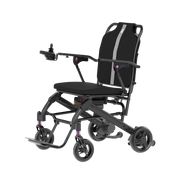
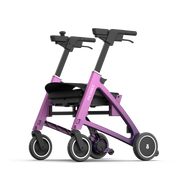
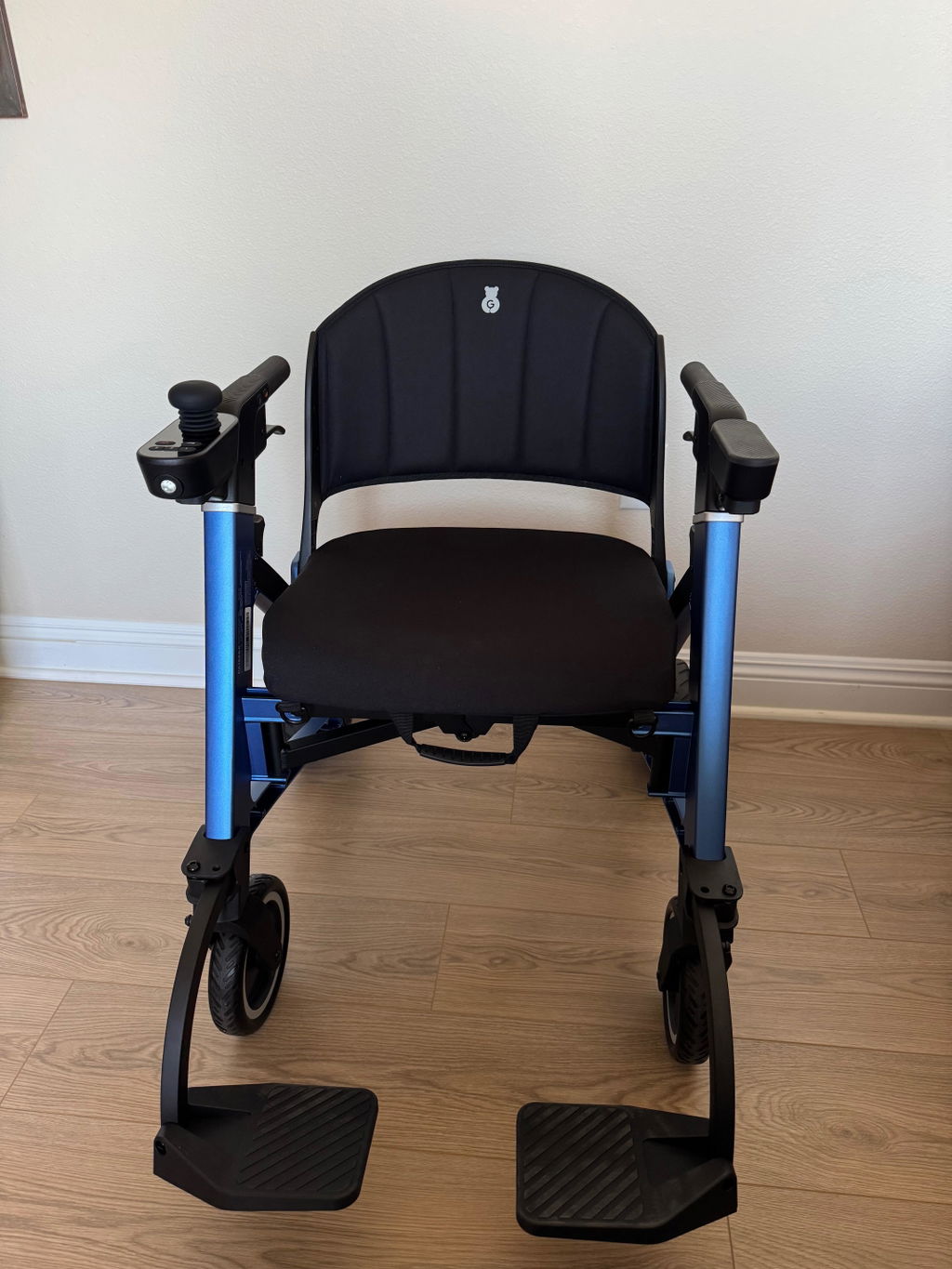
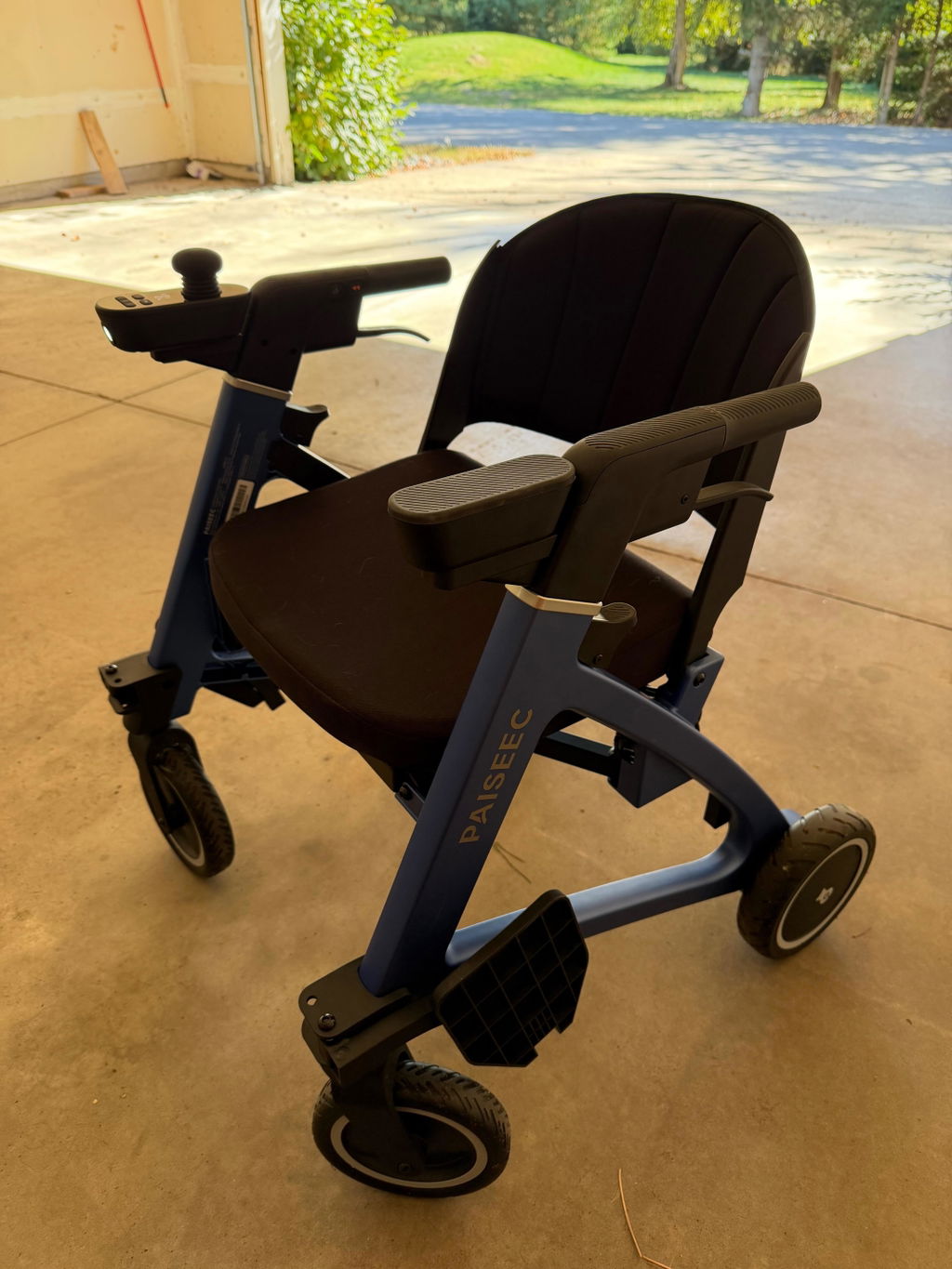
Mobility scooters and electric wheelchairs are designed for individuals who require seated support and maximum stability. Unlike recreational models, these devices prioritize comfort, ease of control, and a predictable turning radius. When evaluating these options, look for features like adjustable seating, simple throttle controls, and reliable electromagnetic braking. For many users, the ability to fold or disassemble the unit for transport—without sacrificing structural integrity—is a deciding factor in maintaining everyday independence.
Terrain Compatibility and Ride Quality
Not every scooter performs equally across different surfaces. Wheel size and suspension play a major role in how a scooter handles cracks, bumps, and varying terrains. Larger wheels offer better rollover capability on uneven pavement, while suspension systems absorb shocks that would otherwise reach the rider. Stunt scooters, by contrast, feature small, reinforced wheels and rigid frames to handle the impact of jumps and park use. Always match the hardware to your expected terrain to avoid unnecessary wear and rider fatigue.
Why Design Philosophy Matters
Product design directly influences the lifespan and reliability of a scooter. Brands that emphasize practical mobility—focusing on battery consistency, frame durability, and safety protocols—offer higher long-term value than those that prioritize aggressive marketing specifications. A well-designed mobility product should feel intuitive from the first use, providing a smooth, predictable ride that does not degrade significantly after frequent charging cycles or exposure to varying weather conditions.
Strategic Considerations Before Buying
Before purchasing, evaluate your specific requirements against the following criteria:
-
Intended Use: Determine if you need the scooter for commuting, casual recreation, or mobility assistance.
-
Storage and Portability: Assess the need for folding mechanisms, weight, and dimensions for storage in cars, offices, or homes.
-
Stability and Support: Choose between standing platforms and seated mobility systems based on balance and comfort needs.
-
Maintenance Expectations: Consider the simplicity of human-powered units versus the upkeep required for battery-operated systems.
Choosing the Right Fit for Your Lifestyle
The best scooter is the one that solves your most frequent travel or mobility challenge safely and consistently. For commuters, this means prioritizing range and braking reliability. For those seeking independence, it means selecting a stable, seated mobility solution that fits into daily routines without complexity. By filtering out marketing noise and focusing on core engineering, you can secure a product that provides value and reliability for years to come.
Frequently Asked Questions
What are the most common types of scooters available? The main groups include kick scooters, electric scooters, stunt scooters, three-wheel scooters, and mobility-focused devices like electric wheelchairs.
How do I know if I need a mobility scooter or a standard electric scooter? A mobility scooter is designed for seated support and stability for those with limited walking ability, whereas a standard electric scooter is intended for standing riders seeking efficient urban transport.
Are foldable scooters better for daily travel? Foldable designs are superior if you need to store the device in an office, train, or car trunk. Ensure the folding mechanism is secure and does not compromise the frame’s strength.
Does wheel size affect ride comfort? Yes, larger wheels generally provide a smoother ride over cracks and bumps, while smaller wheels offer more agility for city maneuvering and tricks.
What is the most important factor in electric scooter performance? Battery quality and motor efficiency are the most critical factors. A reliable battery system ensures consistent range and performance over the long term, reducing the likelihood of unexpected degradation.
Leave a comment
This site is protected by hCaptcha and the hCaptcha Privacy Policy and Terms of Service apply.