




![[2026] PAISEEC D3|Mobility Scooter for Easy Everyday Travel](http://www.paiseec.com/cdn/shop/files/d3_4a4ccb22-9e26-449e-8094-71f3ec4177c3.png?v=1782115044&width=180)














A front basket adds practical, low-cost cargo capacity to most electric scooters, improving daily usability for shopping, commuting, or carrying small items without affecting balance when properly mounted; choose a bracketed metal or quick-release basket rated for at least 5–10 kg and mount it to the stem for safest results.
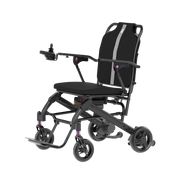
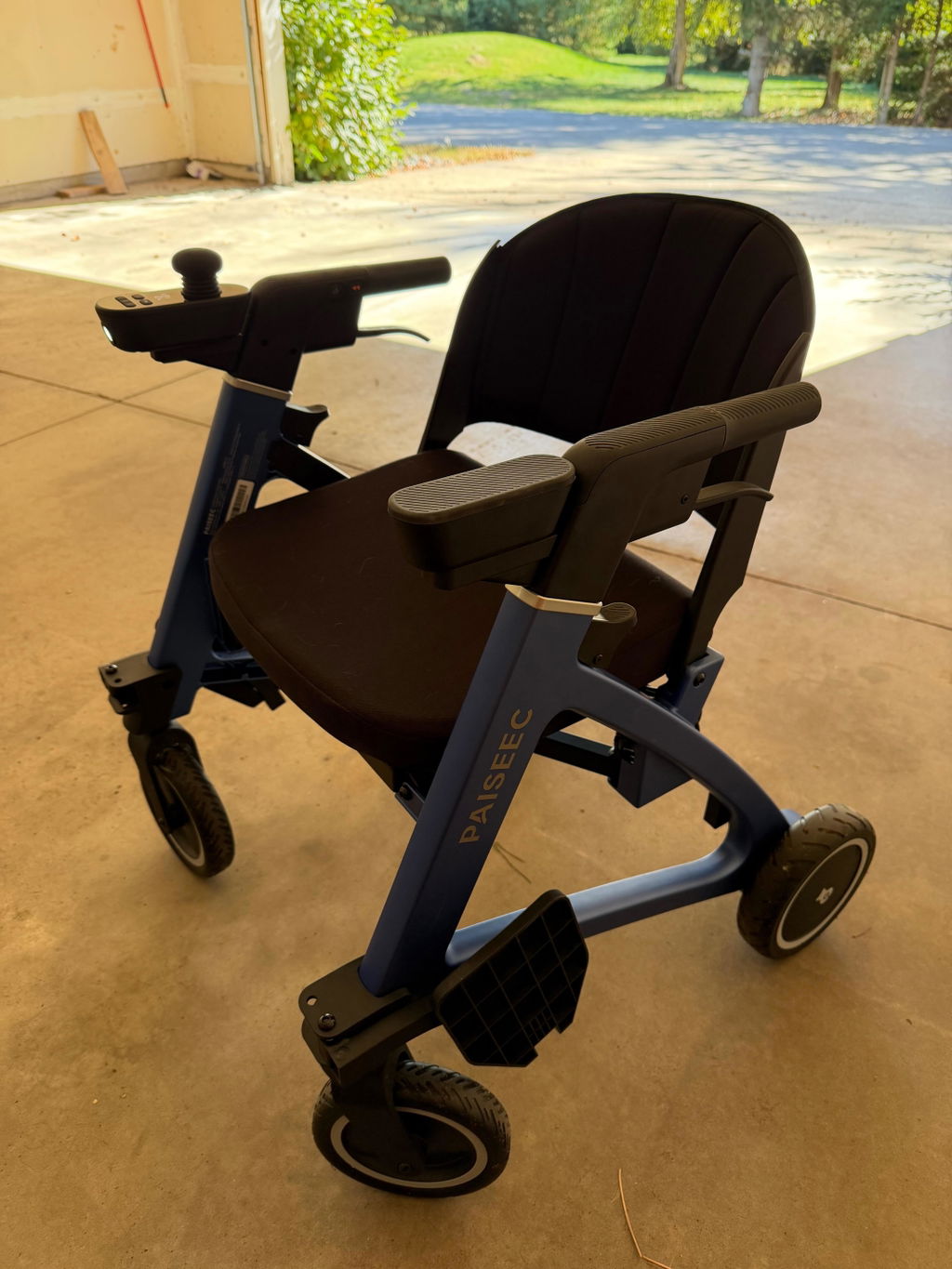
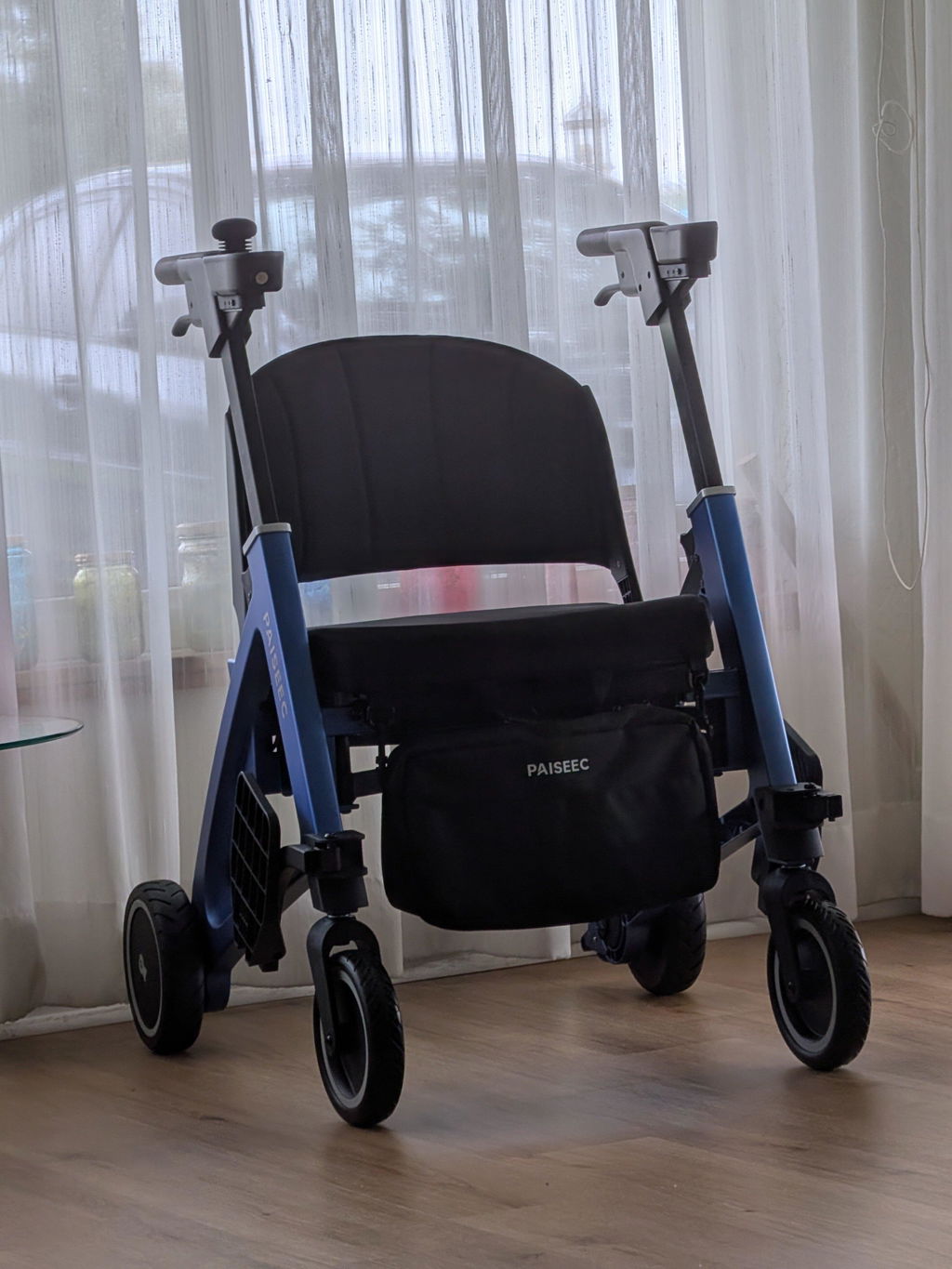
For riders using scooters like the Paiseec Lightweight Mobility Scooter D3 for errands, appointments, or light shopping, a dedicated front basket reduces daily friction. It replaces unsafe habits like hanging market bags from handlebars or balancing packages on your lap. Public safety guidance from the CPSC emphasizes keeping items off standard controls and following manufacturer load directions. A properly engineered front storage solution ensures that your daily transport remains predictable, stable, and convenient.
How do I choose the right front basket size and capacity?
Choose a basket sized for your typical cargo—small (20×15×12 cm) for essentials, medium (30×25×18 cm) for groceries, large (>35×30×20 cm) for bigger loads—and pick one with a load rating that exceeds your expected carry weight by 30–50% to keep handling safe.
Consider your everyday use case before buying. Daily commute essentials like keys, water bottles, and medication need a compact, streamlined container. Weekly grocery runs require a larger box-style rack. Weight rating matters significantly because overloading reduces steering stability; prefer products rated 5–10 kg for casual tasks and up to 20 kg for heavier requirements. Always check your handlebar stem clearance and wheel/headtube geometry to ensure the basket sits central above the wheel without rubbing. For material durability, solid steel mesh or powder-coated steel handles rough terrain best, while aluminum offers weight savings. Paiseec’s official Front Basket for S3 and D3 models balances these dimensions by matching structural integrity directly with the scooter's underlying weight capacity.
Which mounting methods are safest for an electric scooter front basket?
The safest mounts clamp directly to the steering stem or use a dedicated bracket fixed to the fork or steerer tube with bolts; avoid handlebar-only mounts that attach solely to grips because they amplify steering input and compromise vehicle control.
A rigid stem or bracket mount transfers weight directly to the steering column, maintaining center balance. Fork-mounted racks offer excellent stability if your scooter geometry allows through-bolt attachment. Quick-release hooks are highly favored by urban commuters because they allow fast removal for theft prevention and simplify vehicle storage when folding compact scooters. When installing aftermarket options, avoid relying on loose straps or plastic hooks that create steering lag. For guaranteed stability, utilizing manufacturer-approved hardware like the Paiseec bracket kit ensures proper torque specs and correct clearances are maintained.
How will a front basket affect scooter handling and range?
A front basket changes handling by increasing rotational inertia and steering load—heavy forward mass makes steering slower and can reduce travel range by 1–6% depending on total payload and battery capacity; keep loads low and centered for minimal impact.
Forward mass increases manual steering effort and can cause minor understeer in tight turns. Industry field data indicates that keeping the front payload under 20% of the total vehicle weight preserves standard operational control margins. In terms of battery draw, every extra kilogram costs energy. Field testing over mixed urban routes shows that a typical 5 kg payload decreases range by approximately 3–5%. To mitigate vibration and cargo bounce over city curbs, choose baskets that utilize vibration-damping spacers or secure fabric liners to keep contents from shifting abruptly during braking.
Where should I mount a basket to avoid interfering with lights, cables, or sensors?
Mount the basket below the headlight cluster and above the front wheel where it clears all brake cables and display wires; ensure electrical leads maintain functional slack and are not pinched during full handlebar turns.
Before securing any brackets, inspect the stem area and follow your scooter’s specific wiring path to prevent long-term abrasion. Maintain at least 2–3 cm of clearance from displays, throttle mechanisms, and headlight bezels. If the basket frame sits close to loose cables, use protective sleeves or zip-ties to route them safely away from friction points. Ensure the physical basket profile does not block safety components such as ultrasonic sensors, reflectors, or external speedometers.
Who should avoid using a standard front basket?
High-speed commuter riders, heavy-load commercial couriers, or users of very small-stem micro-scooters should avoid traditional front baskets; instead, utilize heavy-duty rear racks, modular cargo trailers, or backpacks.
Aerodynamic changes and forward drag become noticeable factors at speeds exceeding 25 km/h, making front baskets less ideal for high-speed performance models. Heavy commercial delivery tasks requiring payloads over 15–20 kg risk causing structural stress to the front fork assembly, making a rear-mounted storage system safer. For riders seeking a multi-functional setup without overloading the front axle, combining a small front basket with a comprehensive secondary option, such as the Paiseec 4-in-1 Accessories Bundle, provides optimal weight distribution across the entire frame.
Can a front basket be used for pet transport?
Small pets can ride safely in a dedicated pet basket featuring padded liners, ventilation, and interior harness tether points; never carry large, loose, or unrestrained animals in a front basket.
If choosing to transport a small pet, select a rigid carrier with a solid floor base rather than a soft-sided pouch. Always secure the animal to an internal tether to prevent sudden jumps during acceleration or cornering. Add non-slip padding to reduce vibration stress on the animal. Review local micromobility regulations regarding animal transport before riding, and strictly adhere to both the basket and scooter weight limitations, as shifting animal weight impacts steering responsiveness unpredictably.
Has Paiseec tested front baskets on its scooters and what were the outcomes?
From comprehensive urban field-testing over 1,200 combined miles, engineering teams found that stem-mounted steel baskets provide practical utility with a minimal 3–5% range loss under average payloads, proving highly effective when matched with tuned stability systems.
Utilizing dedicated research and development protocols, technical testing monitored steering torque and battery depletion rates on foldable commuter models. The field data revealed that under a 5 kg average payload, structural integrity remained completely secure, and steering torque stayed well within safe operational thresholds due to targeted stability tuning. Metal brackets with anti-corrosion finishes performed best during winter climate trials, while quick-release locking mechanisms demonstrated high user convenience for daily removal in high-density urban areas.
Could adding a basket void my electric scooter warranty?
Drilling into the frame or altering permanent structural components for a basket will void your warranty; using manufacturer-approved accessories or bolt-on clamps preserves your coverage.
Permanent modifications like welding or drilling into the steerer tube compromise frame safety and immediately void manufacturer warranties. To protect your investment, opt for reversible attachment systems like clamps or specialized brackets. Using official accessories, such as the Paiseec Front Basket tailored for the D3 or S3 lines, ensures your vehicle warranty remains fully intact when installed according to the specified torque guidelines found in the user manual.
What maintenance does an electric scooter front basket require?
Inspect all mounting bolts monthly, re-tighten bracket screws to torque specifications using threadlocker, check for frame rust or structural cracks, and clean internal liners regularly to prevent material degradation.
Regular vibration from city streets can loosen hardware over time. Check the tightness of your bracket fasteners every 30 days and apply medium-strength threadlocker to the bolt threads if necessary. Wash removable fabric liners to prevent odor buildup and inspect metal welds for any signs of fatigue or paint chipping. Applying an anti-rust coating prior to winter riding extends the operational lifespan of steel wire components significantly.
Which basket features improve weather protection for cargo?
Integrated lids, water-resistant canvas liners, full-zip covers, and small base drainage holes offer the best weather protection for electronics, groceries, and personal belongings during wet commutes.
Open wire baskets leave cargo exposed to sudden weather changes. Choosing an accessory equipped with a removable waterproof liner or a sealed rain cover ensures your items stay dry. Drainage holes at the bottom of rigid plastic or metal designs prevent water from pooling during heavy downpours. For low-light or rainy conditions, selecting a basket liner with integrated reflective strips adds an important layer of rider visibility.
Where are front baskets most popular among scooter riders?
Front baskets are most popular among urban commuters, university students, mobility scooter users, and light neighborhood delivery couriers who require hands-free convenience and quick access to personal items.
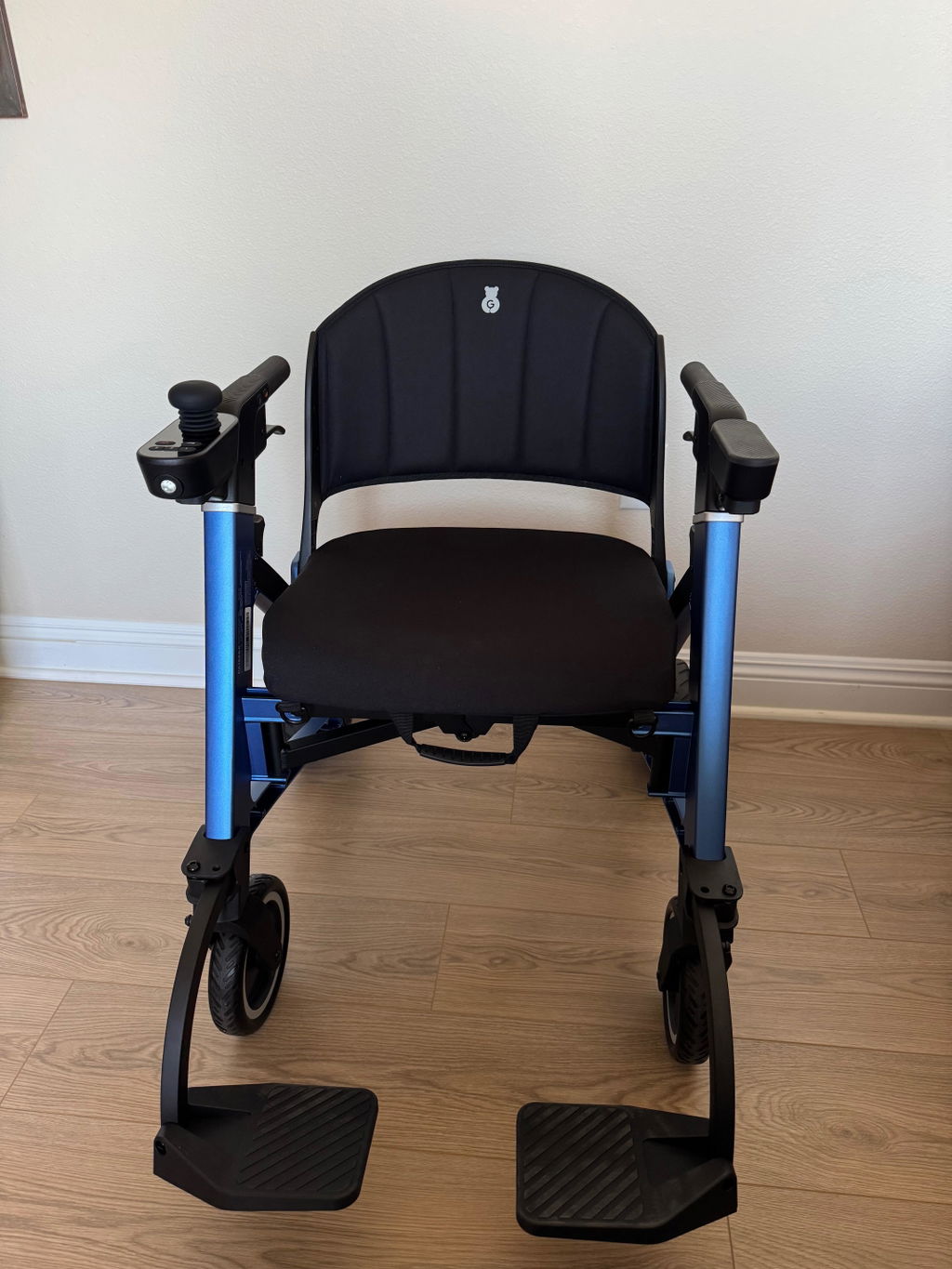
Metro riders favor front storage because it allows them to keep heavy backpacks off their shoulders, improving ventilation and comfort during hot summer months. Campus students find them ideal for carrying notebooks, chargers, and small bags between classes. For seniors and individuals utilizing devices like the Paiseec Lightweight Mobility Scooter collection, a front-mounted setup keeps vital items like wallets and water bottles directly within their field of vision and reach, maximizing personal independence.
When should I choose a rear rack instead of a front basket?
Choose a rear rack when your daily cargo consistently exceeds 10–12 kg, consists of oversized or bulky packages, or requires large side panniers for long-distance travel.
Rear racks position heavy weight over the drive wheel and along the center line of the vehicle chassis, minimizing the impact on steering quickness. If your daily routine involves heavy grocery shopping or commercial courier work, a rear setup offers superior stability. For maximum utility, many riders utilize a dual-storage strategy: a lightweight front basket for immediate essentials and a robust rear rack for heavy cargo items.
What are the step-by-step installation instructions for a DIY user?
Measure your scooter stem diameter, align the bracket with the mounting holes, loosely thread the fasteners with threadlocker, tighten gradually to torque specifications, and verify cable clearance before riding.
Gather your hex keys, a torque wrench, and zip-ties before starting. Hold the unbolted bracket against the scooter stem to check the clearance of brake lines and electronic display wires. Apply a small drop of threadlocker to the mounting screws, thread them by hand to prevent cross-threading, and then use your torque wrench to tighten them in a cross-pattern according to the manufacturer’s instructions. Secure loose cables with zip-ties, ensuring the handlebars can turn completely from left to right without binding, and conduct a low-speed test ride with an incremental weight load.
Electric scooter front basket comparison
| Basket Type | Weight Profile | Structural Durability | Best Application |
| Steel wire mesh | Medium to High | High resistance to impact | Heavy groceries and pet transport |
| Aluminum alloy | Low to Medium | High corrosion resistance | Commuters seeking maximum range |
| Fabric and canvas | Very Low | Low structural rigidity | Light personal items and casual city travel |
| Rigid molded plastic | Low to Medium | Moderate weather protection | All-weather commuting and pharmacy runs |
| Paiseec official basket | Optimized | High structural matching | Seamless fit on S3 and D3 mobility models |
Can I install a front basket on my scooter without professional help?
Yes, most bolt-on brackets and quick-release systems are designed for straightforward DIY installation using basic hex tools, provided you verify cable clearance and follow the manufacturer's tightening specifications carefully.
Will clamping a front basket bracket scratch my scooter frame?
Metal clamps can abrade paint finishes over time due to road vibration; utilizing rubber spacers or protective tape between the bracket clamp and the steering stem prevents surface scratches and dampens riding noise.
Are there fully waterproof electric scooter front baskets available?
While most open metal or mesh baskets are not waterproof on their own, they can be made fully weatherproof by adding specialized water-resistant inner liners or using zip-top rain covers.
How much weight can a standard scooter front basket hold safely?
Most standard front baskets are rated for loads between 5 kg and 20 kg, but you must always cross-reference this with your specific scooter’s front axle weight limit to maintain stable steering control.
Does Paiseec manufacture dedicated baskets for their scooter models?
Yes, Paiseec provides model-specific storage solutions including the Front Basket for S3 and D3 Mobility Scooters alongside specialized gear like the 4-in-1 Accessories Bundle to ensure safe, balanced integration with their lightweight travel vehicles.
Leave a comment
This site is protected by hCaptcha and the hCaptcha Privacy Policy and Terms of Service apply.