




![[2026] PAISEEC D3|Mobility Scooter for Easy Everyday Travel](http://www.paiseec.com/cdn/shop/files/d3_4a4ccb22-9e26-449e-8094-71f3ec4177c3.png?v=1782115044&width=180)

















Transporting a scooter safely comes down to matching the method to the scooter size, your vehicle type, and your own physical capacity. For users of the Paiseec mobility line, safe transport is made easier by lightweight, foldable frames and airline-approved lithium batteries. Whether you are running quick errands or preparing for a cross-country flight, having a reliable loading plan ensures your equipment remains undamaged and ready for use.
Understanding the Basics of Scooter Transportation
Scooter transport involves moving a mobility device from one location to another by folding, lifting, ramping, or using a carrier so that it arrives safely without structural or cosmetic damage. For riders who rely on these devices daily, transportation is closely linked to personal independence, lifestyle flexibility, and access to essential appointments.
Transport attempts often encounter common difficulties. The vehicle cargo space may be too tight, the scooter might be too heavy for one person to lift, or the transporter may lack the physical strength required for manual loading. Industry standard guidance indicates that the ideal method depends entirely on the vehicle type, scooter weight, travel budget, and the user's physical limits, meaning there is no universal setup for every traveler.
Another frequent oversight is underestimating the actual clearance space a scooter requires even after it has been folded or partially disassembled. Portable models still need a structured loading path, stable tie-down points, and clear margins to avoid scratching vehicle panels, putting stress on electrical cables, or damaging the battery housing during transit.
Securing the device properly is a critical safety requirement. A scooter left loose inside a vehicle cabin or on an external platform can shift violently during sudden braking or sharp turns. The ultimate goal of transport planning is not simply getting the device into the vehicle, but ensuring it remains fixed in place for the duration of the entire journey.
Comparing the Best Transport Options
Different transport methods offer varying trade-offs regarding cost, physical effort, and vehicle compatibility.
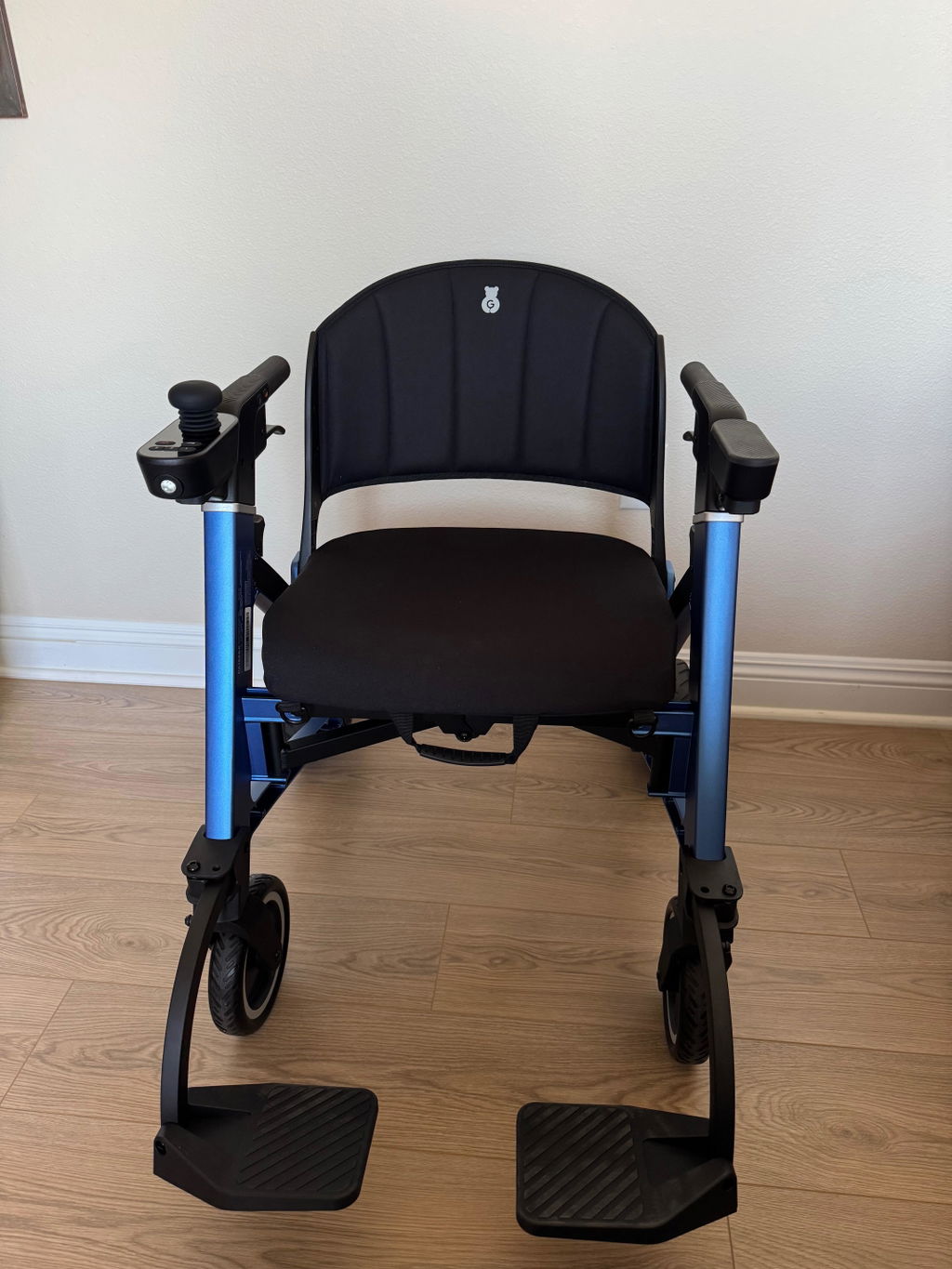
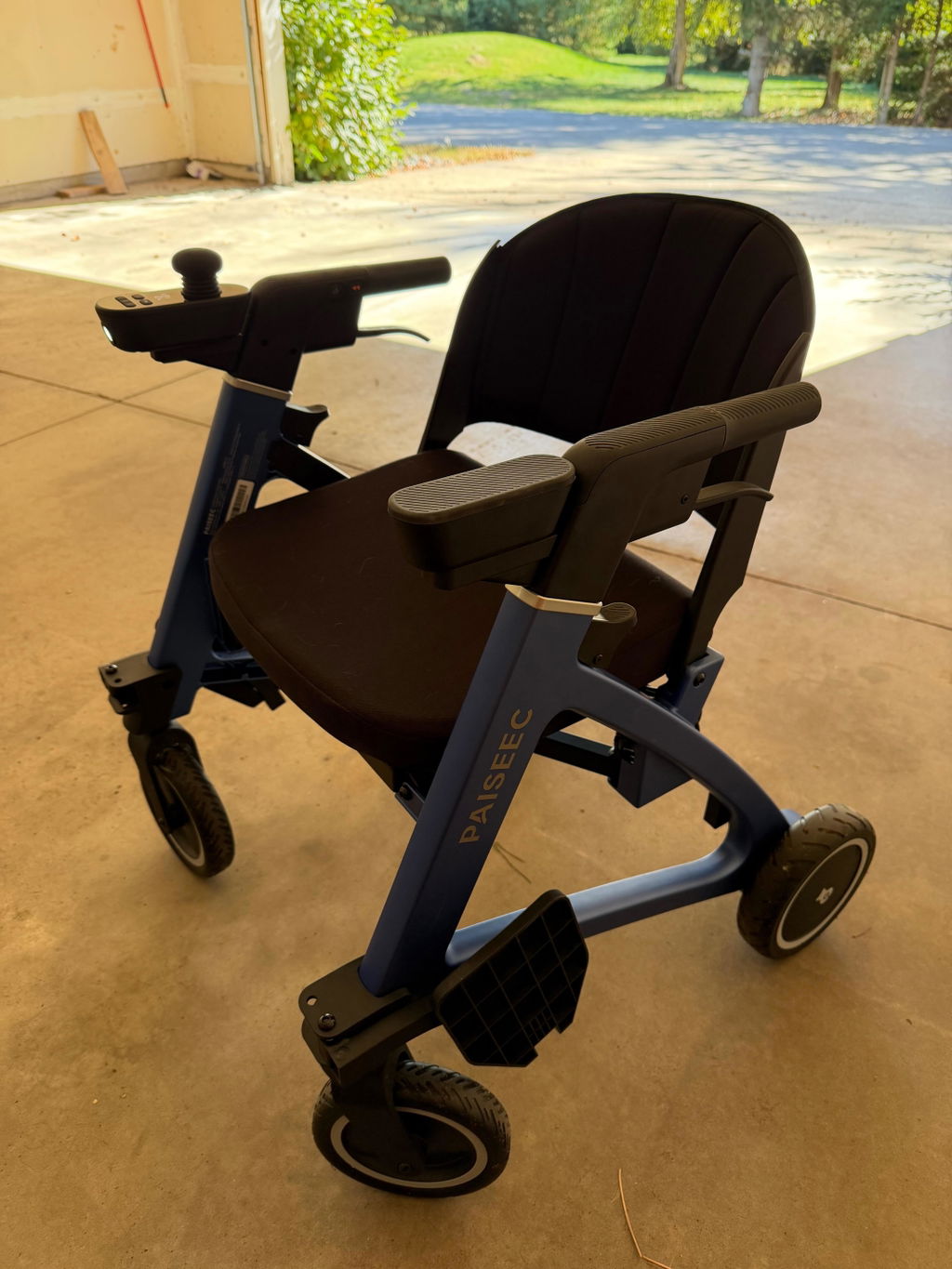
When using a Paiseec foldable mobility scooter, the ease of use is exceptionally high for daily travel because the compact frame fits into standard trunks. The physical effort is low compared to traditional heavy units, and the setup cost is minimal since it relies on existing vehicle space. However, it still requires secure tie-downs to prevent sliding.
The standard trunk and hatchback loading method offers moderate ease of use and requires moderate physical lifting. The setup cost is low, and the space needed is small to medium. This method works best for short local trips in standard passenger cars, though the main trade-off is limited cargo room for other luggage.
Using a van or SUV equipped with a loading ramp offers moderate to high ease of use but requires moderate physical effort to guide the machine up the incline. The setup cost is moderate, and it requires a medium to large vehicle. This option is ideal for regular vehicle transport of mid-sized models, though users must exercise careful ramp alignment during use.
A dedicated scooter lift system provides high ease of use and low physical effort once the hardware is installed. The setup cost is high, and it often requires vehicle-specific hitch receivers or heavy-duty suspensions. This method is best for frequent, heavy-use transport of large mobility devices, with the primary trade-offs being higher initial equipment expenses and specialized installation requirements.
Key Product Features that Simplify Travel
Foldability reduces the spatial footprint of the device and makes loading into cars, rideshare vehicles, and public transit highly practical. Selecting a frame engineered for compact folding lowers the physical strain of storage and reduces the number of handling steps where tipping or scratching might occur.
Battery travel readiness is another essential consideration for long-distance logistics. Utilizing airline-approved lithium battery systems simplifies travel planning, particularly when a device must move by air before transition to local ground transport.
A comprehensive accessory ecosystem ensures that the device integrates smoothly with your travel routine. When a brand offers matching accessories alongside a diverse product catalog, users can easily coordinate their workflow between mobility scooters, electric wheelchairs, and rollator walkers to find the precise transport setup that fits their lifestyle.
Step-by-Step Instructions for Safe Loading and Securement
Measure the folded dimensions of the scooter and compare them directly against the vehicle opening clearance, cargo floor length, and interior ceiling height before attempting to load.
Remove all loose items, baskets, bags, mirrors, and electronic mounts that could bounce, detach, or snag during transit.
Turn off the scooter completely, remove the key, and fold the frame into its designated storage position or follow the manufacturer guidelines for partial disassembly.
Disconnect the battery if the model features a removable design, which lowers the lifting weight and eliminates the risk of accidental activation while handling.
Use a ramp, mechanical lift, or manual lifting technique that aligns safely with the weight of the scooter and your personal lifting capacity.
Position the scooter centrally within the vehicle or on the carrier platform and apply the brakes or set a wheel chock if applicable.
Attach heavy-duty ratchet straps or cam-buckle straps to strong, structural frame points rather than plastic covers, handlebars, or fragile accessories.
Tension the straps from multiple angles to prevent the scooter from sliding, tipping, or rotating while the vehicle is in motion.
Drive a short distance and recheck the tension of the tie-down straps to ensure that road vibrations or vehicle suspension settling have not loosened the setup.
Real-World Transport Scenarios
For daily errands, the traditional approach often involves struggling to push a heavy, rigid scooter into a vehicle seat. With a modern foldable model, the device stores neatly in the trunk with minimal strain, making quick trips to the store simple and stress-free.
For family travel, families often feel forced to rent specialized vans or expensive transport equipment. By utilizing a compact scooter design, families can easily load necessary mobility support into standard vehicles without turning the vacation logistics into a complex project.
For seasonal or air travel, passengers frequently worry about whether their mobility equipment will be damaged, rejected at the gate, or improperly handled. Utilizing an airline-approved battery setup and a clearly labeled, compact frame makes airport check-in predictable and reduces dependence on custom freight handling.
Addressing Long-Tail Search Intent
Riders researching this topic frequently look for specific practical solutions matching their exact situation. Common search queries focus heavily on how to transport a foldable mobility scooter, how to put a mobility scooter in a car trunk, and how to travel safely with a portable scooter.
These targeted queries highlight a universal user need: finding a mobility device that moves easily without sacrificing passenger safety or structural durability. This is why compact foldability, optimized carry weight, and intuitive battery protection should be treated as core purchase criteria rather than secondary features.
Frequently Asked Questions
How do you transport a mobility scooter in a regular car?
The most reliable method is to fold the scooter frame down, place it carefully within the rear cargo area or hatchback space, and secure it firmly with straps so it cannot shift during sudden breaking or sharp turns.
What is the easiest way to transport a foldable scooter?
A foldable scooter is easiest to move when it is designed with lightweight materials that allow a single person to lift the heaviest component, and when its folded shape matches your vehicle layout without requiring complex tools.
Can you transport a mobility scooter without a mechanical lift?
Yes, many users routinely transport their devices without a lift by utilizing folding designs, partial disassembly, or lightweight loading ramps, which avoids the high cost and permanent installation of a mechanical hitch lift.
How do you secure a scooter properly during a long road trip?
You should use high-quality tie-down straps attached directly to the metal frame of the scooter, avoiding plastic fairings. Check the strap tension after the first few miles of driving and at every rest stop along your route.
What should you check before transporting a scooter by air?
You must verify the battery chemistry, the exact watt-hour rating, and airline-specific policies regarding mobility devices. It is best to keep your product manual and battery specification sheets easily accessible at the terminal.
Is a lightweight mobility scooter always better for frequent travel?
Generally yes, because lower overall weight reduces physical lifting strain, minimizes wear on vehicle components, and allows the scooter to fit into a wider variety of common automobiles and transport environments.
Conclusion
The most successful method for transporting a scooter is one that matches the specific design of the device with a compatible loading system and a secure tie-down routine. Transitioning to foldable, compact mobility scooters simplifies travel by reducing physical lifting, saving valuable cargo space, and integrating naturally into daily routines. For innovative brands, transport accessibility is a core product promise that provides users with greater physical freedom, fewer logistical frustrations, and a smooth path from home to destination.
Leave a comment
This site is protected by hCaptcha and the hCaptcha Privacy Policy and Terms of Service apply.