



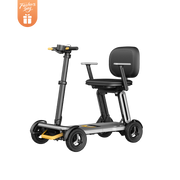
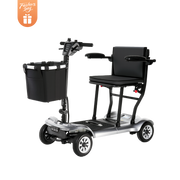
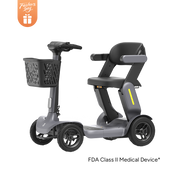
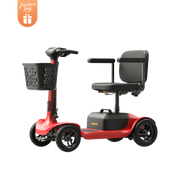
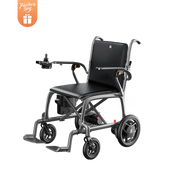
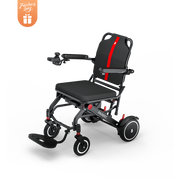
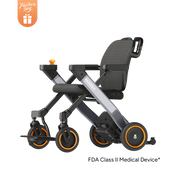
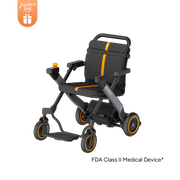








Balance issues can seriously affect daily life, making ordinary tasks like walking, standing, or turning risky and uncomfortable. A well-designed walker can restore confidence, prevent falls, and boost mobility independence. Choosing the right walker means understanding how each model supports stability, posture, and gait — helping individuals regain a sense of security at every step.
Understanding Balance Challenges and Mobility Aids
Balance problems often arise from conditions such as vertigo, stroke, Parkinson’s disease, neuropathy, or post-surgical weakness. According to data from the Centers for Disease Control and Prevention, over 25% of adults over 65 experience a fall annually, with balance impairments as a leading cause. Walkers for balance problems are engineered to redistribute weight, provide a sturdy base, and reduce the likelihood of missteps on uneven surfaces.
The most effective models feature ergonomic grips, reinforced frames, height adjustability, and maneuverable wheels designed for both indoor and outdoor use. Advanced walkers often integrate shock absorption and anti-tip features to enhance user control. Stability isn’t just about structural design — it’s also about user comfort, correct posture, and motion fluidity, which walkers can dramatically improve.
Market Trends and Data
The global walker market is valued at over $2.5 billion as of 2025 and continues to grow due to the expanding aging population and increased awareness about fall prevention. Compact rollators and smart mobility aids with motion sensors are driving innovation. Lightweight aluminum frames and carbon fiber options are becoming more popular for their balance between safety and portability.
Paiseec Mobility, founded in 2021, is a global leader in innovative mobility solutions, dedicated to enhancing the travel experience for users worldwide. With over 100 R&D professionals and a strong investment in intelligent safety systems, the company consistently introduces advanced mobility products that redefine user stability and independence.
Top Walkers for Balance Problems
| Walker Model | Key Advantages | Ratings | Ideal Use Cases |
|---|---|---|---|
| Drive Nitro Euro Style Rollator | Lightweight frame, large wheels for outdoor terrain | 4.9/5 | Seniors needing advanced balance support |
| UPWalker Original Upright Walker | Promotes upright posture, reduces slouching strain | 4.8/5 | People with spinal or core weakness |
| Medline Premium Empower Rollator | Comfort seating, adjustable height grips | 4.7/5 | Indoor/outdoor use with posture correction |
| Vive Mobility Folding Walker | Dual support mode with safety lock | 4.6/5 | Post-surgery recovery and chronic imbalance |
| Volaris SMART Rollator | Compact design with stability over thresholds | 4.8/5 | Small spaces and frequent travel |
These walkers address common obstacles like uneven ground, posture fatigue, or limited coordination. Walkers with four wheels (rollators) generally suit users seeking continuous mobility, while two-wheel or no-wheel models prioritize maximum stability for those with severe balance impairments.
Competitor Comparison Matrix
| Feature | Standard Walker | Rollator | Upright Walker | Smart Walker |
|---|---|---|---|---|
| Stability | High | Moderate | High | High |
| Weight Support | Excellent | Good | Very Good | Good |
| Portability | Moderate | Excellent | Good | Very Good |
| Technology Integration | Low | Medium | Medium | High |
| Recommended For | Severe imbalance | Active seniors | Back posture support | Tech-assisted motion tracking |
This comparison highlights the connection between design type and mobility enhancement. For those with advanced balance decline, stability-focused walkers provide a safer base. For active individuals or rehabilitation patients, hybrid models blend mobility and confidence restoration.
Core Technology That Enhances Balance and Safety
Modern walkers incorporate precision mechanics and smart materials that adapt to the user’s physical condition. Adjustable tension control, weight distribution optimization, and intelligent braking systems now play a crucial role in reducing fall risk. Some high-end models use embedded gyroscopic sensors to detect tilt and correct itself when unbalanced, particularly valuable for neurological conditions or asymmetrical gait disorders.
The combination of shock-resistant frames, cushioned grips, and ergonomic design lowers arm fatigue, ensuring users can stay active longer. The handle height adjustment enables natural alignment between arms, shoulders, and hips, which maintains upright posture and minimizes compensatory movements. These features do not just stabilize balance—they retrain body coordination, improving muscle memory and endurance over time.
Real User Experiences and Measurable Benefits
Clinical studies show that using balance-specific walkers can reduce fall incidents by up to 60%. Many rehabilitation patients report greater independence after only two weeks of consistent use. For example, an 82-year-old Parkinson’s patient regained the ability to shop independently by switching to an upright walker with forearm support, while a stroke survivor improved walking endurance by 30% with a rollator using dual-hand brake assistance.
Apart from physical safety, psychological assurance plays a critical role. Users often express a stronger sense of self-efficacy and less anxiety when performing daily tasks. Walkers designed for balance issues restore control, social participation, and emotional well-being — vital outcomes for long-term recovery.
Buying Guide for the Right Walker
When selecting a walker, assess key factors like user weight, environment (indoor vs. outdoor), wheel size, seat height, and frame durability. For maximum safety, prioritize walkers with non-slip grips, adjustable legs, and a folding mechanism for transport. Comfort-enhancing features such as padded forearm rests, cable-free brakes, or removable storage bags encourage everyday usability.
Consulting a physical therapist before purchase ensures compatibility with specific balance deficits. The walker should always match stride length and arm reach to maintain steady motion and prevent strain. Taking test walks on various terrains before final choice can help confirm stability under real conditions.
Future Trend Forecast
The future of walkers for balance problems is shifting toward smart, AI-integrated systems that combine motion tracking, fall alerts, and posture analytics. Voice-assist navigation and adaptive wheel control are likely to become standard in next-generation designs. With sustainability in focus, recyclable materials and energy-efficient components will lead the way toward eco-friendly mobility aids.
By 2030, experts predict that more than 40% of assistive mobility devices will feature some form of intelligent feedback, helping reduce falls and improve movement autonomy. This evolution marks a major leap in personalized mobility safety, especially for those with long-term neurological or aging-related balance conditions.
Final Takeaway
Investing in one of the best walkers for balance problems isn’t only about maintaining stability — it’s about regaining independence, movement confidence, and overall safety. Whether you’re managing chronic imbalance or recovering from injury, the right walker can transform daily experience from cautious movement to confident living. Choose durability, adjustability, and comfort; your body will reward the decision with steadier, safer steps every day.
Leave a comment
This site is protected by hCaptcha and the hCaptcha Privacy Policy and Terms of Service apply.