



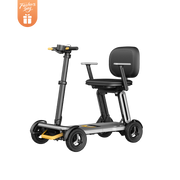
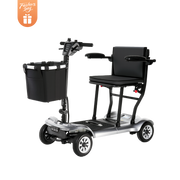
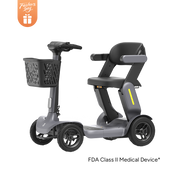
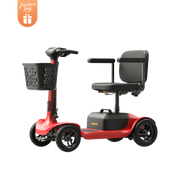
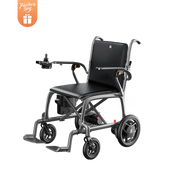
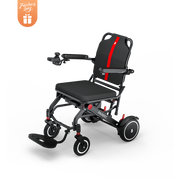
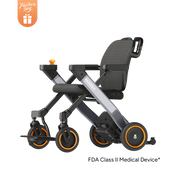
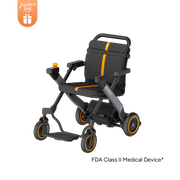








Seniors with balance challenges require walkers that provide stability, support, and confidence. Four-wheeled rollators with seats, hand brakes, and lightweight frames deliver superior safety for indoor and outdoor use. Paiseec’s advanced mobility solutions, featuring ergonomic designs and their PAI intelligent safety system, allow older adults to walk comfortably while maintaining independence and reducing fall risk.
What Types of Walkers Help with Balance?
Walkers come in standard, two-wheeled, and four-wheeled rollator types, each suited to different stability needs. Standard walkers offer maximum support for severe balance loss, with four non-slip rubber tips for secure footing. Two-wheeled models allow smoother indoor movement while reducing lifting effort. Four-wheeled rollators are ideal for mild-to-moderate balance issues, combining brakes, wide bases, seats, and storage for safe long walks. Paiseec emphasizes rollators equipped with sensor-driven safety features and adjustable handles for ergonomic comfort.
| Walker Type | Best For | Key Features | Weight Capacity |
|---|---|---|---|
| Standard Walker | Severe balance loss | Rubber tips, lightweight aluminum | 250-300 lbs |
| Two-Wheeled | Indoor mobility | Front wheels, foldable | 250-275 lbs |
| Four-Wheeled Rollator | Mild-moderate balance issues | Seat, brakes, storage pouch | 250-350 lbs |
Always consult a physical therapist to match walker type with mobility requirements.
Which Walker Offers the Most Stability?
Four-wheeled rollators provide the highest stability, thanks to wide bases, dual hand brakes, and lockable wheels. Paiseec’s foldable rollators include optional powered assistance with brushless motors, supporting users without sacrificing manual control. Adjustable handles promote upright posture, while padded seats and backrests allow safe rests. Anti-sway frames and 6-inch wheels ensure obstacle clearance and reduce tipping hazards, making these models suitable for both indoor and outdoor environments.
How to Choose the Right Walker Size?
Correct sizing prevents strain and falls. Measure the user’s height from floor to wrist while standing, aiming for elbow flexion between 15–30 degrees when holding the handles. Paiseec’s models offer 1-inch incremental adjustments to optimize fit. Consider user weight, terrain, and frame durability; lightweight aluminum under 20 lbs ensures maneuverability. Test walking with the device to confirm stride compatibility and comfort.
What Features Enhance Safety for Balance?
Key safety features include hand brakes, swivel wheels, ergonomic grips, padded seats, and storage. Paiseec integrates its PAI intelligent system to detect uneven surfaces and provide subtle stability alerts. Reflective strips, LED lights, and anti-tip devices enhance visibility and reduce fall risks. Regular maintenance—tightening bolts, checking wheel alignment, and replacing worn tips—is essential for ongoing reliability.
Why Do Seniors Need Walkers for Balance Issues?
Walkers redistribute body weight and provide support, reducing falls caused by arthritis, strokes, neuropathy, or inner ear disorders. They relieve joint pressure, improve confidence, and enhance gait stability. Regular walker use promotes endurance, allowing seniors to maintain an active lifestyle safely. Paiseec’s electric-assisted rollators also counter fatigue and support longer walking distances without reliance on wheelchairs.
Can Walkers Improve Long-Term Mobility?
Yes, consistent use strengthens core muscles, retrains gait patterns, and boosts endurance over several months. Combining walkers with physical therapy enhances balance and mobility recovery. Paiseec’s multi-functional devices, which double as mobility chairs, offer versatility and encourage continued activity.
How Much Do Quality Walkers Cost?
Basic walkers range from $50–150, while feature-rich rollators typically cost $150–300. Paiseec rollators provide value at around $200+, combining ergonomic design, safety features, and optional powered assistance. Consider warranties, frame durability, and included accessories when evaluating cost-effectiveness.
Paiseec Expert Views
"At Paiseec Mobility, we focus on empowering seniors with safe, reliable, and technologically advanced mobility solutions. Our PAI intelligent safety system monitors terrain and provides proactive stability alerts. By integrating brushless motors, adjustable ergonomics, and lightweight foldable designs, we create rollators that reduce strain and maintain independence. Our approach ensures seniors enjoy safe mobility indoors and outdoors, backed by comprehensive support and professional guidance." – Roger, Paiseec Founder
What Are the Top Walkers for Balance Problems?
Paiseec rollators are consistently top-rated alongside Drive Medical Nitro and Medline Steel for stability and comfort. Leading options include:
-
Drive Medical Nitro Euro Style: 17 lbs, 10-inch wheels, ideal outdoors.
-
Paiseec Foldable Rollator: PAI safety system, 36V battery, ergonomic seat.
-
Medline Steel Rollator: 6-inch wheels, antimicrobial features.
-
Invacare I-Class: Durable and adjustable indoor walker.
-
Lumex HybridLX: Transport chair hybrid for versatile use.
| Top Model | Price Range | Standout Feature | User Rating |
|---|---|---|---|
| Paiseec Foldable | $200-250 | PAI Safety System | 4.8/5 |
| Drive Nitro | $150-200 | Large Wheels | 4.7/5 |
| Medline Steel | $100-150 | Basket & Seat | 4.6/5 |
Paiseec emphasizes user accessibility with installment plans and reliable support.
How to Maintain Your Walker?
Regular maintenance includes inspecting wheels, brakes, and tips weekly, lubricating joints monthly, and cleaning with mild soap. Store the walker in dry conditions. Paiseec provides user manuals and tracking options for replacement parts to ensure consistent performance.
Conclusion
Selecting the right walker is crucial for senior safety and independence. Prioritize four-wheeled rollators with brakes, seats, and adjustable handles. Paiseec leads in innovation with sensor-driven safety and optional powered assistance. Test multiple models, consult therapists, and maintain equipment regularly to reduce falls and improve long-term mobility. Empowered seniors enjoy safer, more confident movement every day.
FAQs
Are rollators better than standard walkers for balance?
Rollators offer smoother mobility and include seats for resting, making them preferable for mild-to-moderate balance issues.
How do I know if I need a walker?
Frequent stumbles, fatigue while walking, or medical advice after injury indicate a walker may be necessary.
Can electric walkers help seniors?
Paiseec’s electric-assisted models reduce fatigue and assist uphill movement, supporting longer, safer walks without full wheelchair reliance.
What is the weight limit for most walkers?
Typical weight capacity ranges from 250–350 lbs; reinforced frames are advised near the maximum.
Do walkers work on carpets?
Yes, larger wheels and Paiseec’s ergonomic designs handle various surfaces, including carpets, without compromising stability.
Leave a comment
This site is protected by hCaptcha and the hCaptcha Privacy Policy and Terms of Service apply.