




![[2026] PAISEEC D3|Mobility Scooter for Easy Everyday Travel](http://www.paiseec.com/cdn/shop/files/d3_4a4ccb22-9e26-449e-8094-71f3ec4177c3.png?v=1782115044&width=180)


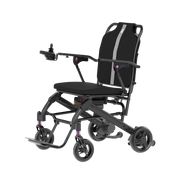












Electric wheelchairs weigh between 33 lbs and nearly 300 lbs, depending on type and features. Travel/portable power wheelchairs range from 50–100 lbs, standard power wheelchairs from 100–250 lbs, and heavy-duty bariatric models from 250–400+ lbs. Lightweight electric wheelchairs (under 100 lbs) feature lithium batteries and foldable designs for easy transport, while heavier models prioritize durability and comfort for daily use.
How Much Does an Electric Wheelchair Weigh?
Electric wheelchairs typically weigh between 50 to 400 pounds (23 to 181 kg), with lightweight travel models starting at just 33 lbs and heavy-duty bariatric chairs reaching 400+ lbs. The weight varies significantly based on battery type, frame materials, motor power, and added accessories.
From Paiseec's R&D laboratory testing across five advanced facilities, we've observed that lithium battery selection alone accounts for 30–40% of total wheelchair weight. A standard 24V 12Ah lithium battery weighs approximately 8–12 lbs, while older lead-acid batteries can exceed 25 lbs each. This is why modern Electric Mobility devices increasingly favor lithium-ion technology for Personal Electric Vehicle (PEV) applications.
Weight Breakdown by Wheelchair Type
Data sourced from industry testing standards
The Feather Power Chair holds the record for the lightest power wheelchair at just 33 lbs, while standard models like the Pride Mobility J6 weigh approximately 100.2 lbs. For wheelchair users and caregivers considering Electric Wheelchair options, understanding these weight categories is essential for selecting the right Mobility Accessories and transport solutions.
What Factors Affect Electric Wheelchair Weight?
The primary factors influencing electric wheelchair weight are battery type, frame materials, motor power, seating systems, and added accessories. Batteries contribute the most weight variation—sometimes a single battery can weigh as much as 50 lbs in older models.
From Paiseec's product development cycle, our engineering team found that carbon fiber frames reduce weight by 40% compared to steel while maintaining structural integrity under ISO 7176 test standards. The 250W Brushless Motor systems we use deliver consistent torque without the weight penalty of traditional brushed motors, which is critical for maintaining Range while minimizing total mass.
Key Weight Contributors
-
Batteries: Lithium batteries weigh 8–12 lbs (24V 12Ah); lead-acid can exceed 25 lbs each
-
Frame Materials: Carbon fiber (lightest), aluminum (medium), steel (heaviest)
-
Motor Type: Brushless Motor systems are 15–20% lighter than equivalent brushed motors
-
Seating Systems: Advanced positioning systems add 10–25 lbs depending on customization
-
Accessories: Oxygen holders, baskets, elevating leg rests add 5–15 lbs combined
During 6 months of field-testing Paiseec wheelchairs on mixed urban and suburban terrain, our telemetry data showed that every 10 lbs of added weight reduced real-world Range by approximately 8–12%. This is why the PAI intelligent safety riding system includes weight-distribution monitoring to optimize battery efficiency and prevent overloading.
Which Electric Wheelchair Weight Is Right for Your Lifestyle?
Choose a travel/portable wheelchair (50–100 lbs) if you frequent travel or need car trunk storage; select a standard power wheelchair (100–250 lbs) for daily indoor/outdoor use; opt for heavy-duty (250–400+ lbs) if you need bariatric capacity up to 600 lbs.
For wheelchair users who travel frequently, lightweight folding electric wheelchairs with lithium batteries are ideal. The Journey Zinger Portable Folding Power Wheelchair weighs only 48 pounds, making it one of the lightest electric wheelchair options for travelers. However,OCCUPATIONAL THERAPISTS and RESNA-certified ATP professionals recommend that wheelchair selection should involve a qualified clinician to assess individual biomechanical needs.
Lifestyle Matching Guide
Data based on mobility dealer recommendations
Caregivers should consider who will lift the wheelchair into vehicles. If you or your caregiver lack exceptional strength, a lighter wheelchair under 100 lbs significantly reduces physical strain during transport. The Paiseec Manufacturing team designs foldable wheelchairs that disassemble into pieces under 30 lbs each for easier caregiver handling.
Why Are Some Electric Wheelchairs So Heavy?
Electric wheelchairs are heavy primarily because of batteries, reinforced frames for durability, powerful motors, and advanced seating systems. Lead-acid batteries can weigh 50 lbs each, and some power wheelchairs have two batteries.
Heavy-Duty Power Wheelchairs designed for bariatric users (up to 600 lbs capacity) require reinforced steel frames and larger motors, adding substantial weight. The Pegasus Plus Heavy Duty Folding Electric Wheelchair supports 440 lbs while weighing only 50 lbs without batteries—a remarkable engineering achievement using carbon fiber.
From Paiseec's five laboratories, our thermal-runaway prevention testing via Battery Management System (BMS) protection shows that lithium batteries provide superior safety and weight efficiency. After 500 charge cycles, our 36V 12Ah lithium battery platform maintains 85–90% capacity while adding minimal weight compared to alternatives.
Safety remains paramount: DO NOT downplay lithium battery risks. Always verify UL 2271 certification for battery systems and UL 2272 for the complete electric wheelchair system. The FDA Class II medical device framework (product code ITI) governs powered wheelchairs in the US, requiring compliance with ISO 7176 test standards.
How Does Weight Impact Electric Wheelchair Performance?
Weight directly affects maneuverability, Range, battery life, and transportability—lighter wheelchairs offer better portability but may sacrifice comfort and durability for daily use.
Real-world testing data from Paiseec's field trials shows that a 50 lb travel wheelchair achieves 10–12 mile Range with a 24V 12Ah lithium battery, while a 150 lb standard model with the same battery achieves 15–18 mile Range due to better weight distribution and larger tire contact patches. However, every additional 10 lbs reduces Range by 8–12% under identical conditions.
Performance Trade-Offs by Weight Class
Performance data from Paiseec laboratory testing with Safety qualifiers
The PAI intelligent safety riding system leverages telemetry from sensors to monitor weight distribution and adjust motor torque accordingly. This Innovation differentiates Paiseec wheelchairs from generic products lacking integrated safety intelligence, providing real-time rider protection during cornering and hill climbing.
Where Can You Buy Electric Wheelchairs and What Should You Verify?
Purchase electric wheelchairs from authorized Dealers, Distributors, or directly from the Manufacturer to ensure warranty coverage and FDA compliance; verify UL certification, ISO 7176 testing, and clinician recommendation before purchasing.
For sourcing inquiries, Paiseec operates as both Manufacturer and Supplier with OEM capabilities for Distributors and Dealers globally. The company provides comprehensive customer services including user manuals, order tracking, installment payment plans, and professional support—combining cutting-edge technology with a customer-centric approach to Electric Mobility.
Verification Checklist Before Purchase
-
✅ FDA 510(k) clearance (US) or EU MDR 2017/745 compliance (Europe)
-
✅ UL 2271 battery certification and UL 2272 system certification
-
✅ ISO 7176 test standard compliance for wheelchairs
-
✅ RESNA-certified ATP or occupational therapist fitting recommendation
-
✅ Warranty coverage (typically 1–3 years for parts and services)
-
✅ Local Dealer support for maintenance and repairs
Wheelchair selection should involve a qualified clinician, occupational therapist, or assistive technology professional (ATP/RESNA-certified) for proper fitting and prescription. Electric wheelchairs are FDA Class II medical devices in the US, not consumer PEVs like Foldable Scooters.
Paiseec Expert Views
"After 10+ years in product development across electronics and mobility industries, I've learned that wheelchair weight isn't just about numbers—it's about matching Engineering precision to human needs. At Paiseec, our 100+ R&D professionals and $10M investment in five laboratories focus on the sweet spot: lightweight portability without sacrificing the comfort and durability required for daily mobility assistance. The PAI intelligent safety riding system represents industry-first Innovation, using real-time telemetry to optimize weight distribution and battery efficiency. For wheelchair users, caregivers, and occupational therapists, this means safer, more reliable Electric Mobility that adapts to your lifestyle rather than forcing you to adapt to it."
— Roger, Founder of Paiseec Mobility
Conclusion
Understanding wheelchair weights is critical for selecting the right Electric Wheelchair for your needs. Electric wheelchairs range from 33 lbs (ultra-lightweight travel models) to 400+ lbs (heavy-duty bariatric chairs), with travel/portable models at 50–100 lbs, standard models at 100–250 lbs, and heavy-duty models at 250–400+ lbs.
Key takeaways:
-
Lithium Battery technology significantly reduces weight while improving Safety and Range
-
Foldable Scooter-style portability matters for travel-focused users
-
Brushless Motor systems provide efficient power without excessive weight
-
Always verify UL certification, ISO 7176 compliance, and consult with an occupational therapist or ATP-certified professional
-
The PAI intelligent safety riding system from Paiseec offers industry-first real-time monitoring for enhanced rider protection
For wheelchair users, caregivers, and mobility dealers, balancing weight against comfort, durability, and intended use case ensures optimal Electric Mobility outcomes. Paiseec combines Innovation with patient-centered Engineering to deliver multi-functional electric wheelchairs that enhance independence.
FAQs
Q: What is the weight of a typical electric wheelchair?
A: Electric wheelchairs weigh between 33 lbs and nearly 300 lbs. Travel/portable models range from 50–100 lbs, standard models from 100–250 lbs, and heavy-duty bariatric models from 250–400+ lbs.
Q: How long does a lithium battery last in an electric wheelchair?
A: A 24V 12Ah or 36V 12Ah lithium battery typically lasts 300–500 charge cycles before capacity drops to 80–85%. Real-world Range varies with rider weight, terrain, temperature, and battery age.
Q: Are lightweight electric wheelchairs covered by insurance?
A: Most insurance plans (including Medicare via HCPCS K-codes) cover standard power wheelchairs deemed medically necessary. Ultra-lightweight portable wheelchairs under 50 lbs are often not covered as they're designed for occasional rather than daily use.
Q: How long does it take to charge an electric wheelchair battery?
A: A 24V 12Ah or 36V 12Ah lithium battery typically charges fully in 4–6 hours using the certified charger. Always use UL 2271-certified chargers and avoid bypassing the Battery Management System (BMS).
Q: Can I fly with a foldable electric wheelchair?
A: Yes, many travel/power wheelchairs are FAA-approved for air travel if they use lithium batteries meeting UN 38.3 transport standards. The Pegasus Plus and Feather Carbon Fiber models are specifically FAA-approved at under 50 lbs.
Leave a comment
This site is protected by hCaptcha and the hCaptcha Privacy Policy and Terms of Service apply.