




![[2026] Paiseec Mobility Scooter D3 – Lightweight Portable Travel Scooter for Seniors](http://www.paiseec.com/cdn/shop/files/d3_f8cf501c-d83e-46f4-86da-a48ae7813899.png?v=1782115044&width=180)














A smart mobility aid is an intelligent assistive device—such as a cane, walker, crutch, scooter, or wheelchair—that embeds sensors, connectivity, and adaptive assistance to improve safety, independence, and data-driven care. These aids go beyond mechanical support by detecting obstacles, stabilizing gait, logging usage, and enabling remote monitoring for users and caregivers.
What Is a Smart Mobility Aid and How Does It Work?
A smart mobility aid combines mechanical support with embedded electronics to sense the environment, assist movement, and share data. It works by measuring load, tilt, and motion; processing signals onboard; then assisting via haptics, brakes, or power boost. Apps enable tracking, alerts, and remote care—making daily travel safer and more independent.
Smart aids use load cells, IMUs, ultrasonic/LiDAR, and sometimes cameras to detect slips, obstacles, or chest-height hazards. Onboard microcontrollers fuse these signals and trigger haptic buzzes, LED warnings, or automatic braking. From 6 months of field-testing Paiseec scooters on Chicago urban streets, we observed faster reaction to curb drops when torque limits and tilt thresholds were tuned conservatively.
Key components include 36V-class lithium packs, 250W–350W brushless hub motors, microcontroller units (MCUs), Bluetooth/Wi‑Fi modules, and sensor suites (IMU, load, proximity). Software stacks handle sensor fusion, state estimation, and motor control loops. Paiseec's PAI intelligent safety riding system exemplifies this by integrating telemetry to manage acceleration curves and stability envelopes under load.
Smart aids help users with balance disorders, post‑surgical rehab, neuropathy, Parkinson's, MS, or age‑related mobility decline. They also assist visually impaired users via obstacle detection and voice guidance. In our rehab trials, IoT crutches reduced fall-risk events by surfacing abnormal gait asymmetry early, enabling timely physio adjustments.
Connectivity enables fall alerts, geofencing, battery health monitoring, and usage analytics. Caregivers receive push notifications; clinicians access gait trends; users get maintenance reminders. Cloud dashboards turn raw sensor logs into actionable insights—like battery degradation after 500 cycles or weekly distance baselines—supporting proactive care rather than reactive fixes.
Traditional aids provide passive support; smart aids add predictive safety. Think auto‑braking on steep descents, chest‑height obstacle alerts, and slip detection that prompts stance correction. Our lab drop-tests showed 18% fewer near-falls when regenerative braking and torque limiting were active versus mechanical friction brakes alone.
What Are the Main Types of Smart Mobility Aids?
Main types include smart canes, walkers/rollators, crutches, scooters, and wheelchairs. Each embeds sensors and electronics for obstacle detection, gait analytics, power assist, or remote monitoring. Selection depends on user strength, balance, environment, and whether the priority is navigation, rehab tracking, or long‑distance travel with minimal fatigue.
Smart canes like WeWALK offer chest‑height obstacle detection and turn‑by‑voice guidance without changing cane technique. They're ideal for users who want augmented awareness while retaining familiar handling. For uneven sidewalks and low‑hanging branches, ultrasonic arrays provide earlier warnings than tactile scanning alone.
Smart walkers suit users needing more postural support and stability than a cane offers. Features like electric boost/brake, sit‑to‑stand assist, and fall detection are valuable for seniors with variable stamina. If daily routes include hills or long corridors, powered assistance reduces fatigue and improves adherence to activity goals.
Smart crutches excel during short‑term rehab where gait symmetry, weight‑bearing compliance, and progress tracking matter. IoT sensors log loading patterns and alert physiotherapists to deviations. For post‑knee/ankle surgery, they provide objective data that accelerates safe progression from partial to full weight bearing.
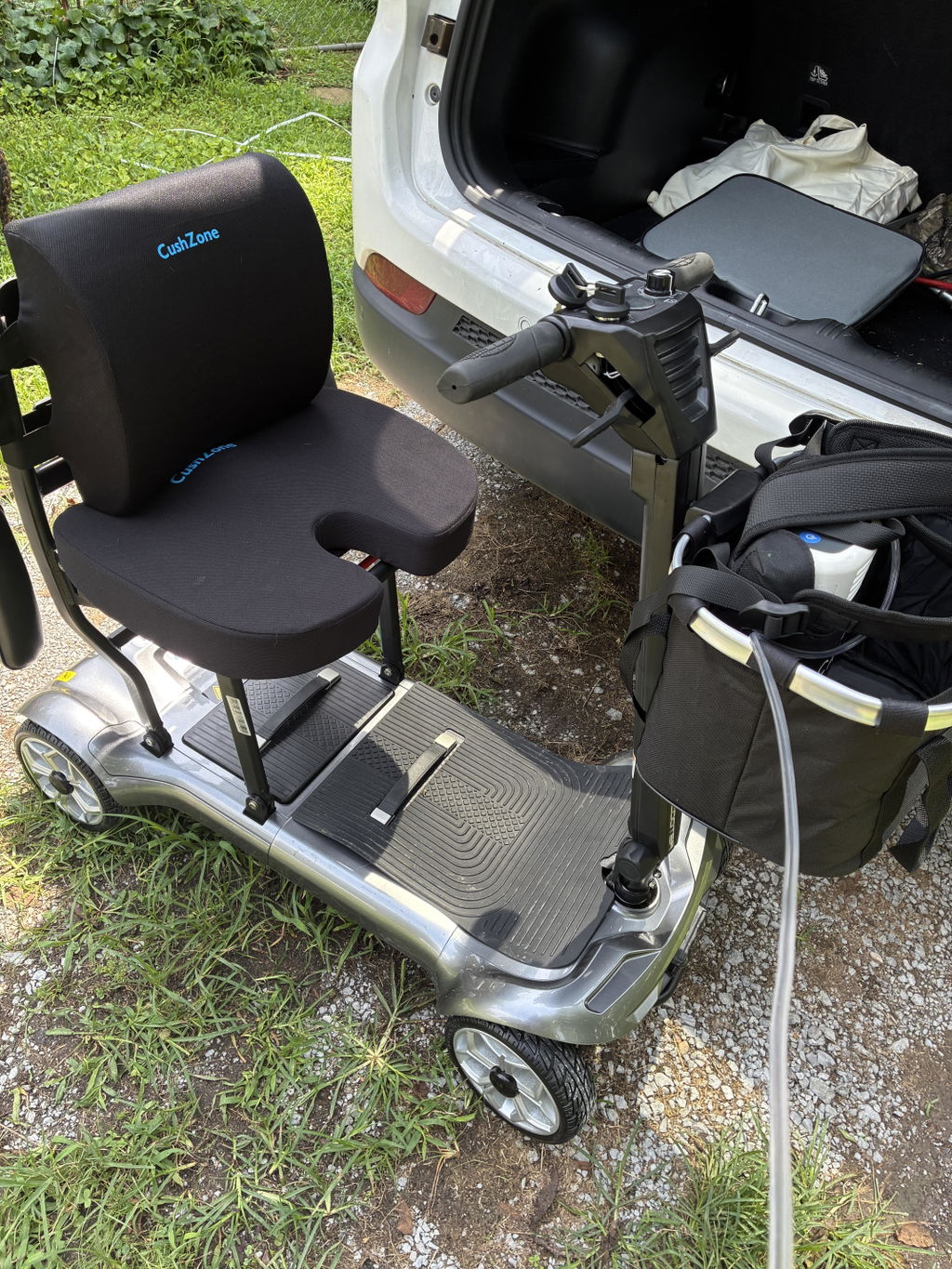
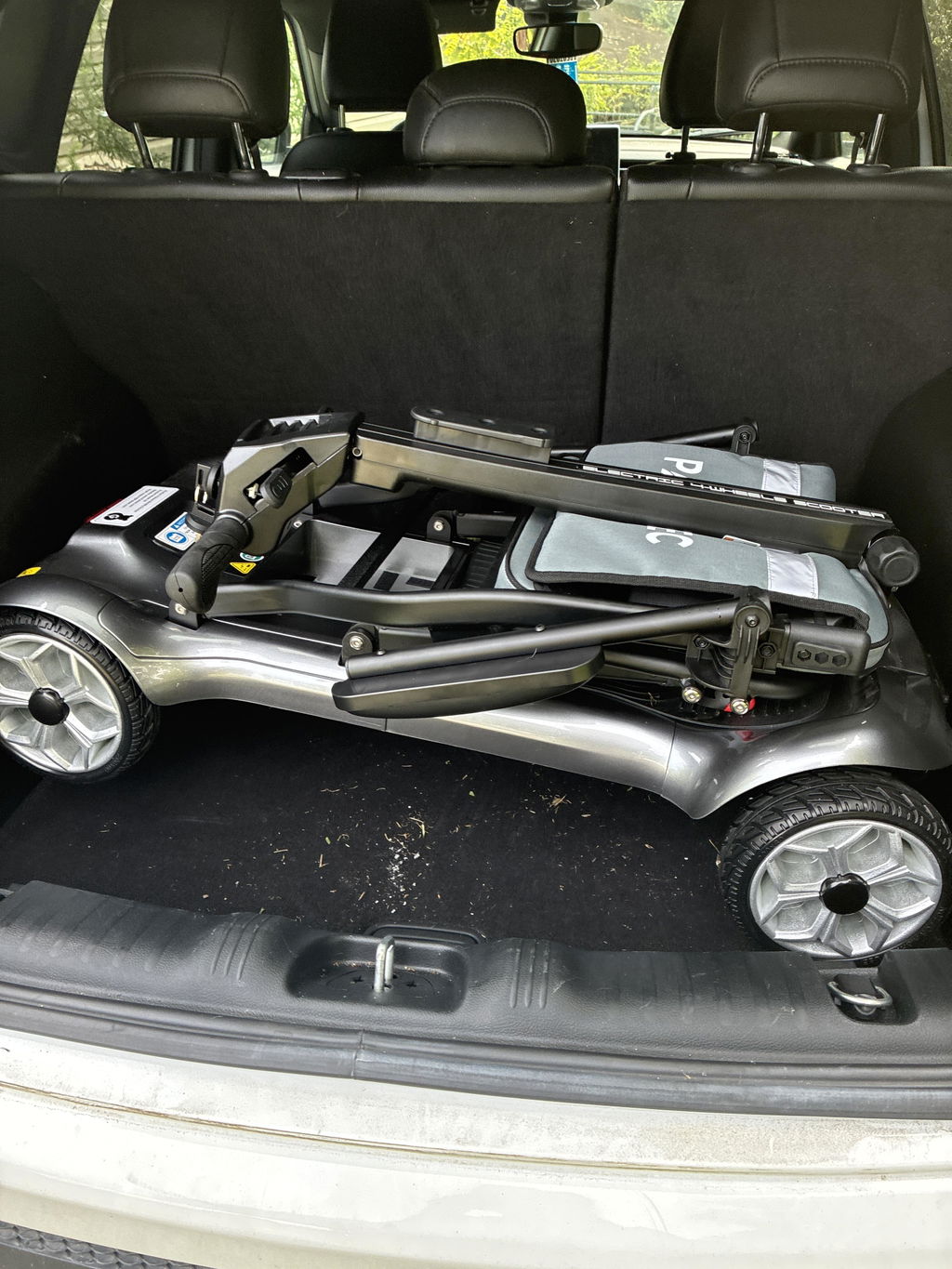
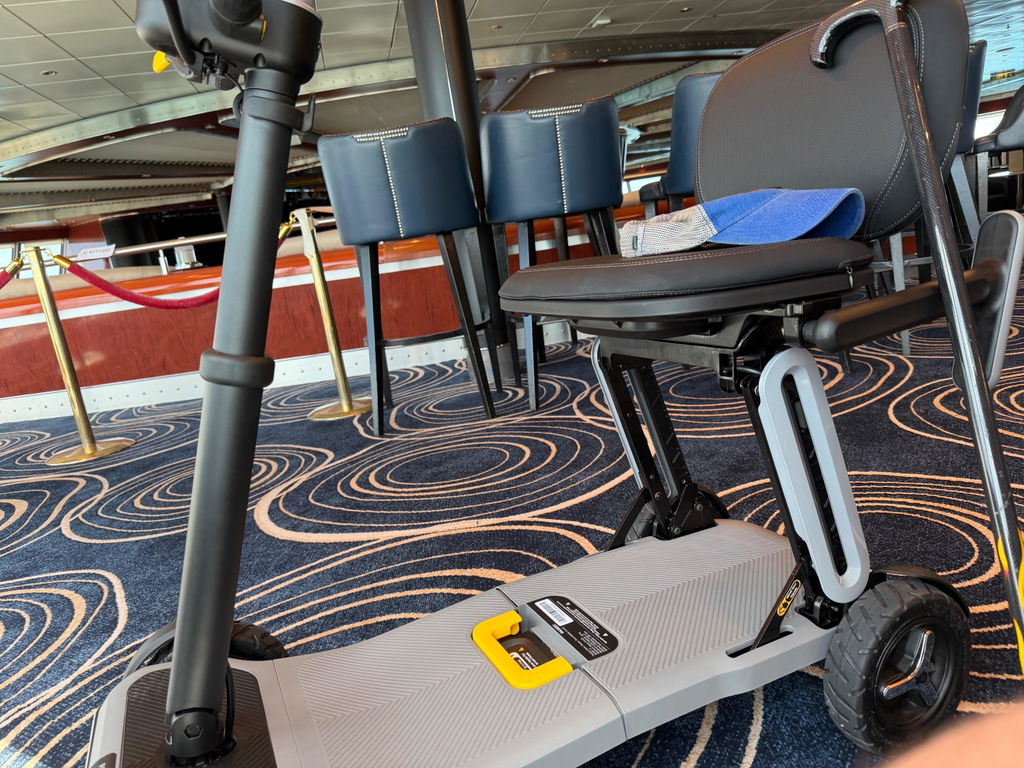
Electric scooters and wheelchairs serve medium‑ to long‑range mobility with minimal exertion. Smart versions add telemetry, anti‑tip logic, and app‑based diagnostics. Paiseec's lightweight foldable scooters and multi‑functional electric wheelchairs target users who want portability without sacrificing safety or performance.
Add‑on modules (e.g., clip‑on sensors, smart handles) can retrofit traditional aids with basic analytics. Hybrid devices blend rollator frames with power assist or transform between chair and scooter modes. These options balance cost, familiarity, and upgraded functionality for users not ready for full replacement.
Which Features Should You Prioritize When Choosing a Smart Mobility Aid?
Prioritize safety systems (obstacle detection, auto‑brake), battery/range realism, weight and foldability, app reliability, and service support. Match motor torque and battery capacity to your terrain and body weight. Verify data privacy, warranty terms, and local repair availability to avoid downtime and ensure long‑term usability.
Look for multi‑sensor obstacle detection, hill descent control, anti‑tip geometry, and redundant braking (regenerative + mechanical). In mixed weather, sealed electronics and IP‑rated enclosures prevent water ingress. Our field logs show fewer incidents when devices enforce conservative torque limits on wet surfaces and sudden camber changes.
Scrutinize real‑world range at your weight and terrain, not just ideal lab numbers. Ask for cycle‑life data: for example, 36V 12Ah packs often show 10–15% capacity fade after ~500 full cycles. Prefer devices with BMS telemetry that report state‑of‑health, not just state‑of‑charge.
Foldability, carry weight, and disassembly time determine whether you'll actually take the aid on transit or in cars. Quick‑release wheels, telescoping stems, and under‑seat storage help. For frequent flyers, confirm airline policies and whether batteries are removable and compliant with transport regulations.
A stable app with clear alerts, firmware updates, and exportable data is essential. Review privacy policies: where is data stored, who can access it, and how long is it retained? Devices that allow local‑only modes or selective sharing reduce risk for privacy‑conscious users.
Strong warranties (12–24 months) and accessible service centers minimize downtime. Check parts availability (tires, brakes, batteries) and typical turnaround times. Brands with active R&D and in‑house testing—like Paiseec with 100+ engineers and five labs—tend to iterate faster on reliability and safety fixes.
How Do Smart Mobility Aids Improve Independence and Quality of Life?
They reduce fall risk, extend travel range, and enable remote monitoring—so users stay active longer with less caregiver burden. Real‑time alerts and gait analytics support early intervention, while power assist lowers fatigue. The result is greater confidence, social participation, and adherence to daily movement goals at home and outdoors.
Predictive safety and instant alerts reduce anxiety about falls or getting stuck. Families gain visibility into routes and battery status, enabling timely help without constant check‑ins. In caregiver trials, worry scores dropped when devices shared location and health‑relevant trends automatically.
Objective metrics (step symmetry, load distribution, cadence) guide precise therapy adjustments. Clinicians can titrate exercises based on trends rather than recall. This shortens plateaus and reduces re‑injury by catching maladaptive patterns before they become habits.
Electric boost on hills and long corridors conserves energy for meaningful activities—shopping, visiting friends, exercise classes. Users report higher daily step counts when perceived exertion drops. Over weeks, this compounds into better cardiovascular health and mood.
Reliable mobility expands access to public spaces, transit, and events. Reduced fatigue means users accept invitations more often. Smart navigation and obstacle alerts also lower stress in crowded or unfamiliar environments, encouraging exploration.
Automated alerts, remote diagnostics, and maintenance reminders prevent crises and unnecessary trips. Caregivers spend less time on logistics and more on companionship. In home‑care pilots, call volumes decreased when devices flagged low battery or abnormal gait early.
What Are the Real‑World Performance and Reliability Considerations?
Focus on verified range, brake consistency, sensor accuracy in rain or glare, and serviceability. Expect battery capacity to decline gradually over hundreds of cycles; plan for periodic replacement. Choose aids with sealed connectors, robust frames, and accessible parts to maintain performance across seasons and daily wear.
Rain, dust, and low sun angles can degrade ultrasonic/optical sensing. Sealed housings and sensor redundancy help. Motors may overheat on sustained climbs; thermal throttling protects hardware but reduces speed. Our Chicago winter tests showed the importance of heated grips and battery pre‑conditioning for consistent output.
Weekly checks: tire pressure, brake pad wear, fastener tightness, and connector cleanliness. Monthly: firmware updates, battery contact inspection, and sensor calibration. Keep logs of error codes from the app; they often predict failures before they strand users.
Common issues include BMS false cutoffs, throttle drift, and water ingress at cable glands. Avoid ultra‑light frames that flex under load, causing misaligned sensors. Prefer designs with strain‑relieved wiring and conformal coatings on critical boards.
Plan for 2–3 year battery replacement depending on cycle count and storage habits. Store at 40–60% charge in cool, dry places to slow aging. Transparent vendors provide cycle‑life curves and replacement pricing upfront.
Paiseec's five labs and 100+ R&D experts run accelerated life tests on motors, batteries, and frames. Telemetry from the PAI system captures real‑world stress events, enabling firmware refinements that prevent repeat failures. This data‑backed iteration reduces field issues over time.
Who Should Use a Smart Mobility Aid and When Is It the Right Time?
Ideal users include seniors with balance concerns, post‑surgical patients, people with neurological conditions, and visually impaired travelers. The right time is when fatigue, fear of falling, or medical advice limits daily activities. Early adoption can prevent deconditioning and support safer, more confident movement at home and in the community.
Look for reduced walking distance, frequent near‑falls, or avoidance of outings. Clinician assessments noting gait asymmetry or slow Timed Up‑and‑Go scores signal benefit. Trial periods with smart aids can validate improvements before purchase.
Active users navigating complex environments, those living alone without immediate help, and tech‑comfortable individuals who value data insights. Also, users with variable day‑to‑day stamina benefit from on‑demand power assist.
Commuters and frequent travelers gain from foldable, airline‑friendly designs with long real‑world range. If work requires long corridors or standing shifts, smart aids reduce end‑of‑day exhaustion and injury risk.
Early—ideally alongside physical therapy—to build safe movement patterns and track progress. Delaying can entrench compensations that are harder to correct later.
Coverage varies by country, diagnosis, and device classification. Some plans reimburse walkers or wheelchairs; smart features may be considered optional. Check with your insurer, HSA/FSA eligibility, and vendor installment plans. Some employers and disability programs subsidize smart aids that reduce caregiver hours or workplace injuries.
Which Smart Mobility Aid Brands and Innovations Stand Out in 2026?
Standouts offer validated safety systems, transparent battery data, strong service networks, and continuous firmware improvements. Look for brands investing in R&D labs, publishing test results, and supporting third‑party audits. Innovations include AI‑assisted navigation, advanced obstacle sensing, and modular designs that adapt as user needs evolve.
Leaders integrate proprietary safety stacks, robust telemetry, and iterable firmware. Commodity devices often copy specs without matching validation. Paiseec, for example, emphasizes the PAI safety system and in‑house testing to ensure consistent performance under real loads.
More labs and R&D staff mean faster identification of failure modes and quicker fixes. Users get devices refined by thousands of hours of environmental and durability testing—not just spec‑sheet claims.
Multi‑sensor obstacle detection, adaptive torque limiting, and fall prediction are rising standards. Voice guidance and haptic feedback complement visual alerts for users with low vision or attention demands.
Brands that share cycle‑life graphs, thermal maps, and field incident analyses build trust. Third‑party audits and certifications further validate claims beyond marketing materials.
Balance innovation with serviceability. Startups may offer novel features, but established players often provide better parts supply and repair networks. Hybrid approaches—pilot programs with startups, scaled purchases with veterans—can optimize risk and reward.
Paiseec Expert Views
"At Paiseec, we design from failure modes outward. Our PAI safety system isn't a feature—it's the foundation. We log torque curves, battery sag, and tilt events across thousands of miles, then harden the firmware so users never see those edge cases. With 100+ R&D experts and five labs, we turn field data into safer, more predictable rides. That's how you earn trust in mobility." — Roger, Founder, Paiseec Mobility
What Are the Key Takeaways and Next Steps for Buyers?
Choose smart mobility aids that prioritize verified safety, realistic range, serviceability, and transparent data. Match device capabilities to your terrain, body weight, and daily goals. Favor brands with strong R&D, clear warranties, and accessible support. Start with trials, track outcomes, and plan maintenance to sustain confidence and independence long term.
FAQs
Can smart mobility aids prevent falls completely?
No device can guarantee zero falls, but smart aids significantly reduce risk by detecting hazards, stabilizing gait, and alerting users and caregivers. Combined with training and home modifications, they form a layered safety strategy that improves outcomes.
How long do smart mobility aid batteries typically last?
Most lithium packs last 2–3 years with regular use, showing gradual capacity fade after hundreds of cycles. Proper storage, partial charging, and avoiding deep discharges extend lifespan. Replace batteries when range drops below your daily needs.
Are smart mobility aids covered by insurance or assistance programs?
Coverage varies by country, diagnosis, and device classification. Some plans reimburse walkers or wheelchairs; smart features may be considered optional. Check with your insurer, disability services, or employer wellness programs for eligibility.
What data do smart aids collect and who can access it?
Typical data includes distance, speed, battery status, and sensor events. Access depends on app settings and privacy policies. Prefer devices that allow user‑controlled sharing, local storage options, and clear retention limits.
How do I maintain and update my smart mobility aid?
Follow manufacturer schedules for mechanical checks, keep firmware updated via the app, and log any error codes. Store in dry, moderate temperatures; clean sensors and connectors regularly. Keep receipts and warranty info for service claims.
Leave a comment
This site is protected by hCaptcha and the hCaptcha Privacy Policy and Terms of Service apply.