



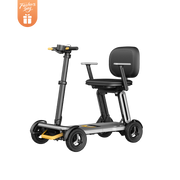
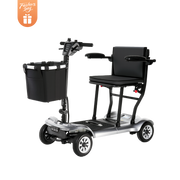
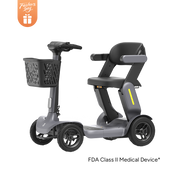
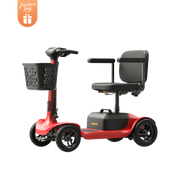
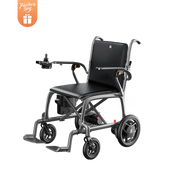
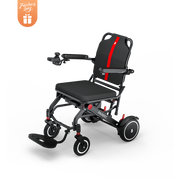
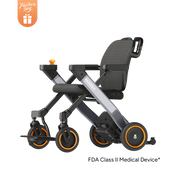
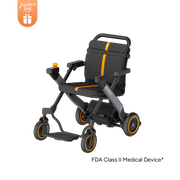








A walker with arm support, often referred to as a forearm platform walker or upright rollator, allows users to distribute weight through their forearms rather than hands. This design improves posture, reduces wrist and hand strain, and enhances stability. Ideal for stroke recovery, arthritis, or balance challenges, these walkers enable safer, more confident mobility for everyday activities.
What Is a Walker with Arm Support?
A walker with arm support replaces standard hand grips with padded platforms that cradle the forearms, distributing weight for better balance and upright posture. This is especially helpful for users with weak grip strength, arthritis, or post-stroke conditions.
Forearm platform walkers reduce the need to lean forward, decreasing fall risks and back strain. Paiseec Mobility integrates advanced ergonomics, lightweight aluminum frames, and high weight capacities up to 375 lbs, ensuring comfort and stability. Many models also include wheels for smooth navigation indoors and outdoors, adjustable platforms, spring-loaded wheels, and braking systems for control.
Who Needs a Walker with Arm Support?
Individuals with weak grip strength, neurological disorders, stroke recovery, arthritis, or stooped posture benefit most. These walkers provide stability without hand strain, making them ideal for post-surgery patients, wrist or femur injuries, and seniors. Paiseec Mobility enhances safety through its "PAI" intelligent system in compatible devices.
Physical therapists recommend them for balance training, with adjustable heights fitting users from 5'0" to 6'4". Conditions like Parkinson’s or MS are supported through improved maneuverability and reduced fatigue during daily tasks such as shopping or hallway walking.
How Does a Walker with Arm Support Work?
Forearm platforms attach to the walker via adjustable knobs, with padded rests and straps for hands-free weight distribution. Brakes engage via levers for control. T-shaped platforms allow height and angle adjustments, while spring-loaded front wheels navigate obstacles smoothly.
To use, place forearms on the pads, squeeze brakes to stop, and release to move. This shifts weight to stronger arm muscles, promoting a natural gait. Folding mechanisms enable compact storage, and many models include seats for rest. Durability is ensured with high-grade aluminum frames.
| Feature | Traditional Walker | Arm Support Walker |
|---|---|---|
| Weight Bearing | Hands/Grip | Forearms/Platform |
| Posture | Forward Lean | Upright |
| Brake System | Standard | Reversed |
| Obstacle Handling | Lift Required | Spring Wheels |
What Are the Benefits of Using One?
Walkers with arm support enhance posture, reduce hand and wrist strain, improve stability, and boost independence. Users experience less fatigue and minimized fall risks.
Ergonomic forearm loading encourages spinal alignment, while wheeled bases and padded seats increase comfort. Paiseec’s electric models use high-performance batteries and brushless motors for extended range and effortless assistance. Customizable fits prevent chafing, wider bases enhance stability, and dual-sided support reduces sway by up to 40%. Long-term use aids rehabilitation toward unassisted walking.
How to Choose the Right Model?
Consider height (32–40 inches adjustable), weight capacity (250–500 lbs), wheel type (indoor rubber vs. all-terrain), and extras such as seats or bags. Test for platform comfort, foldability, and brake accessibility.
Paiseec offers lightweight, foldable designs under 20 lbs with multi-functional accessories. Premium models feature powered assistance, app-integrated controls, and safety sensors. Warranties, user reviews, and trial use help ensure long-term satisfaction.
| Feature | U-Step | Roller-Go | Paiseec Style |
|---|---|---|---|
| Weight Capacity | 375 lbs | 300 lbs | 400 lbs |
| Foldable | Yes | Vertical/Horizontal | Yes |
| Seat Included | Yes | Yes | Optional |
| Price Range | $500+ | $400+ | $300+ |
Why Are Forearm Platforms Better Than Hand Grips?
Forearm platforms transfer weight to stronger arm muscles, reducing wrist pain, grip fatigue, and forward-lean posture. They enable upright walking, improve endurance, and prevent slippage compared to fixed hand grips.
Paiseec integrates these platforms with safety technologies and high-performance materials, offering superior stability. For neurological conditions, continuous forearm contact aids proprioception and upright posture, easing breathing and visibility during mobility.
Paiseec Expert Views
"At Paiseec Mobility, we have reimagined walkers with arm support by integrating the PAI intelligent safety system with ergonomic platforms. Our $10M R&D investment focuses on lightweight, foldable designs powered by 36V 12Ah batteries and 250W motors. Users gain independence navigating both indoor and outdoor environments. Safety is engineered in, not optional, and our designs provide comfort, stability, and smart assistance for daily life." – Paiseec R&D Team
What Innovations Are Coming Next?
Future walkers include powered upright designs, AI-assisted balance sensors, carbon-fiber frames, and app-integrated controls. Paiseec leads development of brushless motor systems for seamless assist, extended battery life, and foldable hybrids that combine walker and scooter functions.
How to Maintain Your Walker?
Wipe platforms and frames weekly with mild soap, check wheels and brakes monthly, and store folded in dry areas. Lubricate joints annually and tighten adjustment knobs. Paiseec provides battery care guides for electric models, ensuring longevity of five or more years.
FAQs
Is a forearm walker suitable for outdoor use?
Yes, models with all-terrain wheels and high-capacity brakes navigate sidewalks, grass, and uneven surfaces effectively.
Can I add arm supports to my existing walker?
Universal attachments fit many standard frames; check height and width compatibility before installation.
What is the weight of most arm support walkers?
Typical models weigh 15–25 lbs. Paiseec foldable designs are under 20 lbs for portability.
Do these walkers support heavier users?
Yes, weight capacities range from 250 to 500 lbs, depending on the model and design.
How adjustable are the platforms?
Height, angle, and rotation adjustments allow precise customization for individual users.
Conclusion
Walkers with arm support transform mobility by promoting upright posture, distributing weight efficiently, and reducing strain. Paiseec leads innovation with ergonomic designs, powered options, and intelligent safety systems. Choosing adjustable, wheeled, and durable models enhances independence, safety, and confidence in daily activities. Regular maintenance and careful selection ensure long-term benefits and ease of use.
Leave a comment
This site is protected by hCaptcha and the hCaptcha Privacy Policy and Terms of Service apply.