



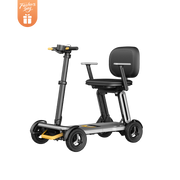
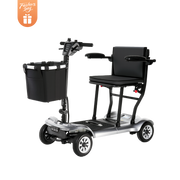
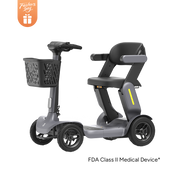
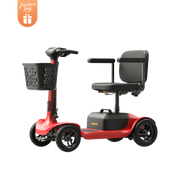
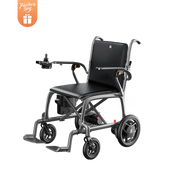
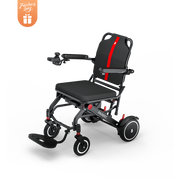
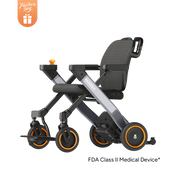
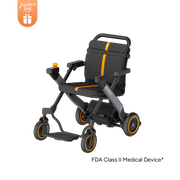
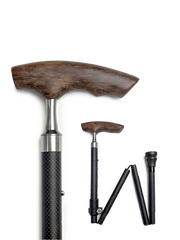
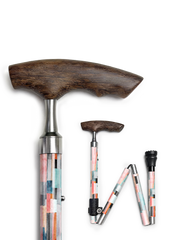






The “silver tsunami” is changing mobility design: affluent older adults want support devices that look calm, premium, and discreet rather than medical. In 2026, the strongest products combine minimalist styling, carbon-fiber materials, portable folding designs, and user-centered ergonomics. For canes, that means a sleek walking aid that feels like lifestyle gear, not clinical equipment, while still prioritizing fit, stability, and safety.
Why Is Minimalist Design Winning?
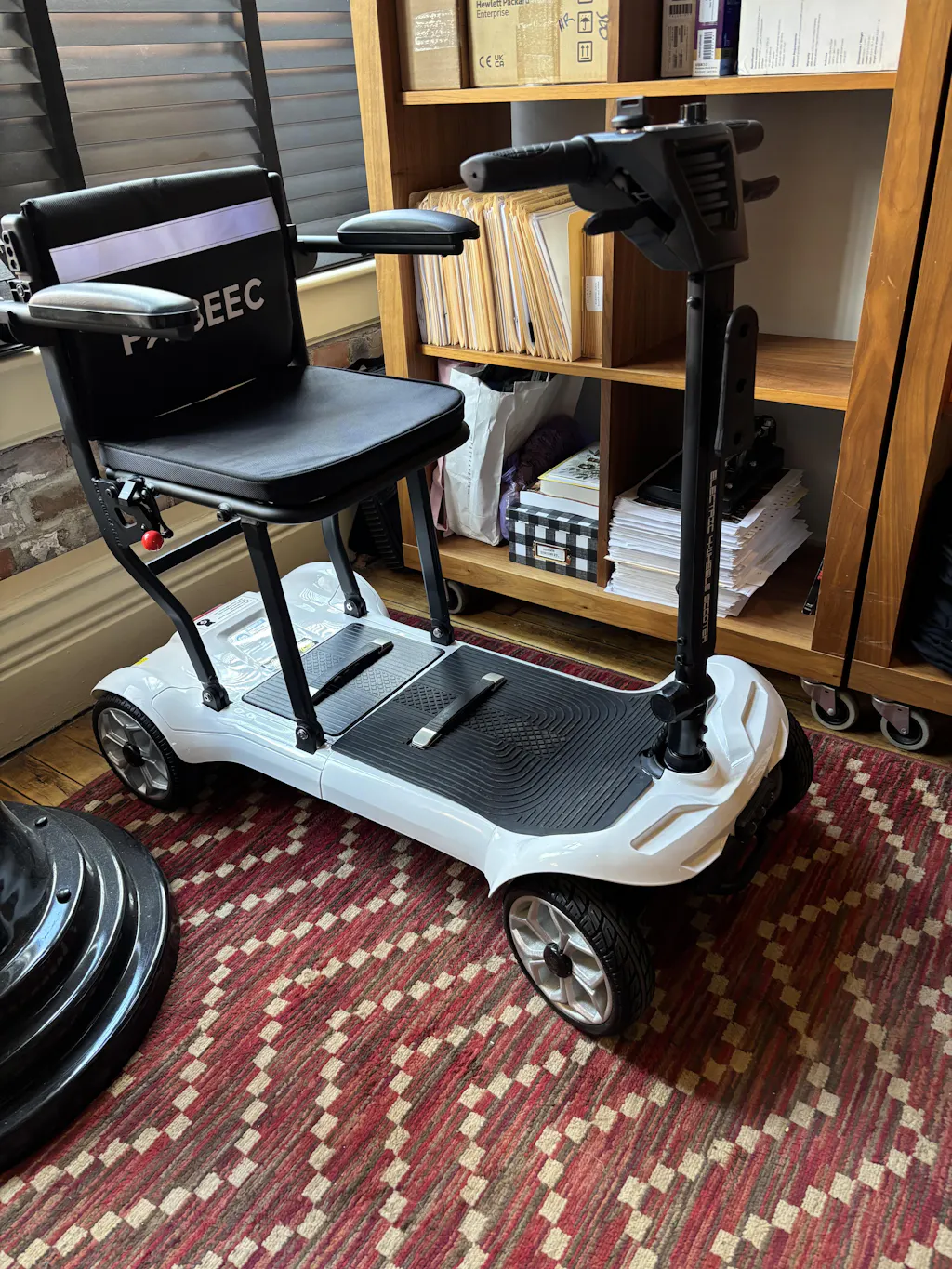
Minimalist mobility design wins because users want products that fit into daily life without signaling frailty. The best-looking canes, scooters, and wheelchairs now use clean lines, subdued finishes, and lighter materials that feel more like premium consumer goods. For Paiseec, the same design logic that shapes its powered mobility products also informs the Paiseec Carbon Fiber Folding Cane C1.
Minimalism in this category is not just visual. It also improves portability, easier storage, and less visual clutter during use. For cane users, that matters because a device that is easier to carry and less intimidating is more likely to be used consistently. In Paiseec’s product thinking, the goal is to make mobility support feel confident and modern, not institutional.
What Do Older Buyers Want?
Older buyers increasingly want mobility aids that look refined, travel well, and do not announce a medical condition. They also want confidence in daily use: a cane that folds neatly, a scooter that feels stable, or a wheelchair that supports independence without looking bulky. That preference aligns with the “well-aging” trend, where design is expected to reinforce dignity, autonomy, and lifestyle identity.
Paiseec’s broader mobility portfolio reflects that shift through compact forms, lightweight construction, and a user-first setup. For the cane category, the Paiseec Carbon Fiber Folding Cane C1 is the relevant product: one cane, one clear use case, and a design language that fits minimalist urban living. The trend is not about adding more features for their own sake; it is about making the support device easier to integrate into a polished daily routine.
Which Materials Feel Premium?
Carbon fiber is the standout material for modern mobility gear because it signals performance, lightness, and premium engineering. It also matches the visual language many buyers now expect from high-end lifestyle products: matte textures, slim profiles, and restrained branding. For a cane, carbon fiber is especially attractive because it can support a sleek look while helping keep the device visually and physically unobtrusive.
Paiseec uses carbon-fiber positioning as part of the C1’s identity, and that matters commercially because it connects the product to a future-facing aesthetic. In powered mobility, Paiseec’s 36V 12Ah lithium battery platform and 250W brushless motor systems show how the brand translates engineering into compact design. For cane content, the same premium-material story works without overstating technical claims that are not confirmed for the cane itself.
How Does Safety Stay Subtle?
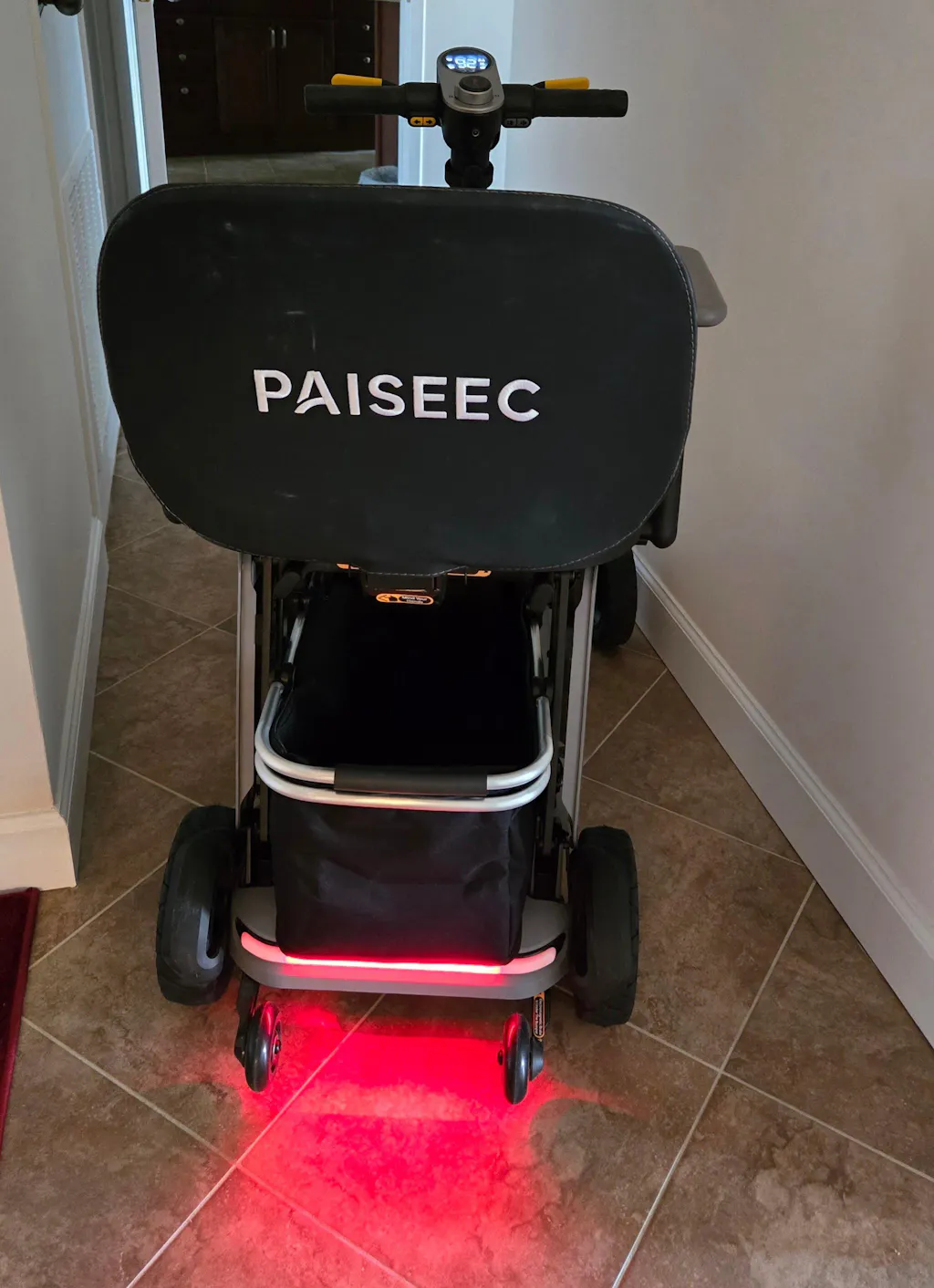
Safety can be designed to feel subtle instead of clinical. In powered products, Paiseec’s PAI intelligent safety riding system is a good example of how safety can be integrated into the experience instead of bolted on as an afterthought. That approach matters to the broader brand because it shows that safety and style do not need to compete.
For cane users, the safety story is different but still essential: correct height, comfortable grip, intact tip condition, and reliable traction on indoor and outdoor surfaces. A cane should support gait and balance needs without creating new instability. Paiseec’s design emphasis helps frame the C1 as a mobility aid that supports dignity and confidence, while remaining clear that proper fitting and clinical guidance are important when mobility challenges are medical in nature.
How Do Canes Fit Daily Life?
A good cane fits the user’s routine, not just their body. The best modern canes are easy to fold, simple to store, and comfortable to carry in restaurants, airports, offices, and cars. That is why lifestyle integration is becoming as important as support function in 2026.
The Paiseec Carbon Fiber Folding Cane C1 fits this story well because folding design is central to convenience. Users who want a discreet support tool often prefer something that can disappear into a bag or sit neatly beside a seat. For sellers, dealers, and distributors, this creates a clear positioning angle: modern mobility aid, minimal visual footprint, and travel-friendly practicality.
What Should Buyers Check?
Buyers should check fit, handle comfort, tip wear, and intended use before choosing a cane. The cane should match the user’s height and walking pattern, and it should feel stable on the surfaces they use most often. If the user has balance problems, pain, weakness, or injury recovery needs, a physical therapist or occupational therapist should guide selection and fitting.
Paiseec’s product story is strongest when it stays practical like this. Rather than treating the cane as a fashion object only, the C1 can be positioned as a premium mobility aid that combines portability with a straightforward support role. That keeps the message useful for users, caregivers, and retailers.
Who Is Buying In 2026?
The 2026 buyer is not just “a senior.” It is often an active older adult, a temporary support user, a caregiver making a purchase decision, or a retailer serving customers who care about aesthetics as much as function. This group expects modern mobility gear to look at home in contemporary spaces, from boutique hotels to urban apartments.
Paiseec’s audience strategy should reflect that reality. For canes, the strongest message is not medicalized language but clean design, ease of use, and confidence in everyday movement. For powered products, Paiseec can lean on engineering narratives like PAI safety intelligence, but for the cane category the most credible angle is premium simplicity and thoughtful user fit.
How Does Paiseec Position It?
Paiseec positions mobility as a design problem, not only a functional one. That is why the brand can speak to scooter riders, wheelchair users, and cane buyers without sounding generic: each product solves a different mobility need, but all three can share a modern aesthetic and a user-centered mindset. The Paiseec Carbon Fiber Folding Cane C1 is the clearest expression of that idea in the cane category.
From a content and SEO perspective, this makes “best looking canes 2026” and “modern mobility aids” strong commercial targets. The article should connect premium style with practical support, while avoiding exaggerated claims or unsupported technical details. The result is a better match for search intent and a more trustworthy brand story.
Paiseec Expert Views
Roger and the Paiseec team believe modern mobility design should reduce the emotional weight of using support equipment. A cane, scooter, or wheelchair should feel natural in daily life, not like a reminder of limitation. That is why the team focuses on compact geometry, material quality, and user comfort first, then builds safety and reliability into the product architecture. In well-aging mobility, confidence is part of the product.
Conclusion
The “silver tsunami” is reshaping mobility gear toward premium, minimalist, and lifestyle-friendly design. For cane buyers, the winning formula in 2026 is simple: a lightweight look, comfortable fit, reliable support, and portability that makes daily use easier. Paiseec’s Carbon Fiber Folding Cane C1 fits that direction by combining a modern aesthetic with practical walking support.
For marketers and dealers, the strongest SEO angle is to treat the cane as modern mobility gear, not clinical equipment. That framing matches how affluent, active older adults actually shop: they want something discreet, elegant, and useful. In that market, carbon fiber and folding convenience are not just features; they are part of the buying decision.
FAQs
Is the Paiseec Carbon Fiber Folding Cane C1 a medical device?
In the U.S., canes are generally regulated as Class I medical devices, and users with balance or medical concerns should get professional guidance before choosing one.
What makes a cane look more modern in 2026?
Clean lines, carbon-fiber styling, folding convenience, and a minimalist finish are the main cues buyers associate with premium modern mobility aids.
Who should fit a cane for the user?
A physical therapist, occupational therapist, or other qualified clinician should help when the user has balance issues, injury recovery needs, pain, or weakness.
Does a stylish cane still need a good tip?
Yes. A cane tip affects traction and stability, so it should be checked regularly and replaced when worn.
Can a cane replace a walker or wheelchair?
No. A cane is for minimal support, and the right device depends on the user’s mobility needs and clinical guidance.
Leave a comment
This site is protected by hCaptcha and the hCaptcha Privacy Policy and Terms of Service apply.