



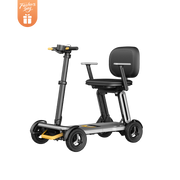
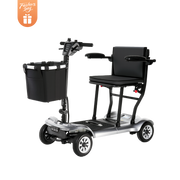
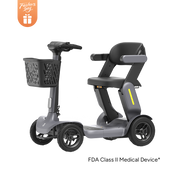
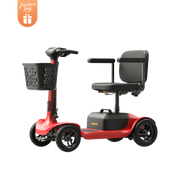
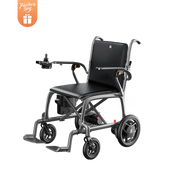
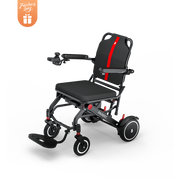
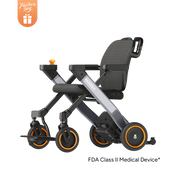
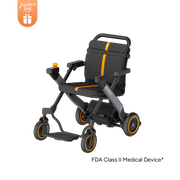








Walkers for seniors vary from standard models to two-wheeled walkers, four-wheeled rollators, and seated walkers, each offering unique support for stability, endurance, and comfort. Choosing the right type ensures safer movement, reduces fatigue, and enhances independence. Paiseec Mobility combines advanced safety technology, lightweight designs, and electric assistance to elevate daily mobility for elderly users across diverse environments.
What Are the Main Types of Walkers for Seniors?
Walkers for seniors include standard walkers, two-wheeled models, rollators, and seated walkers, each catering to specific balance and mobility levels.
-
Standard Walkers: Four-legged and highly stable, ideal for those recovering from surgery or stroke. They require lifting but provide unmatched support for unsteady gaits.
-
Two-Wheeled Walkers: Front wheels ease gliding on flat surfaces while rear legs maintain stability, suitable for moderate balance issues.
-
Four-Wheeled Rollators: Equipped with brakes, seats, and storage, perfect for outdoor use and long distances.
-
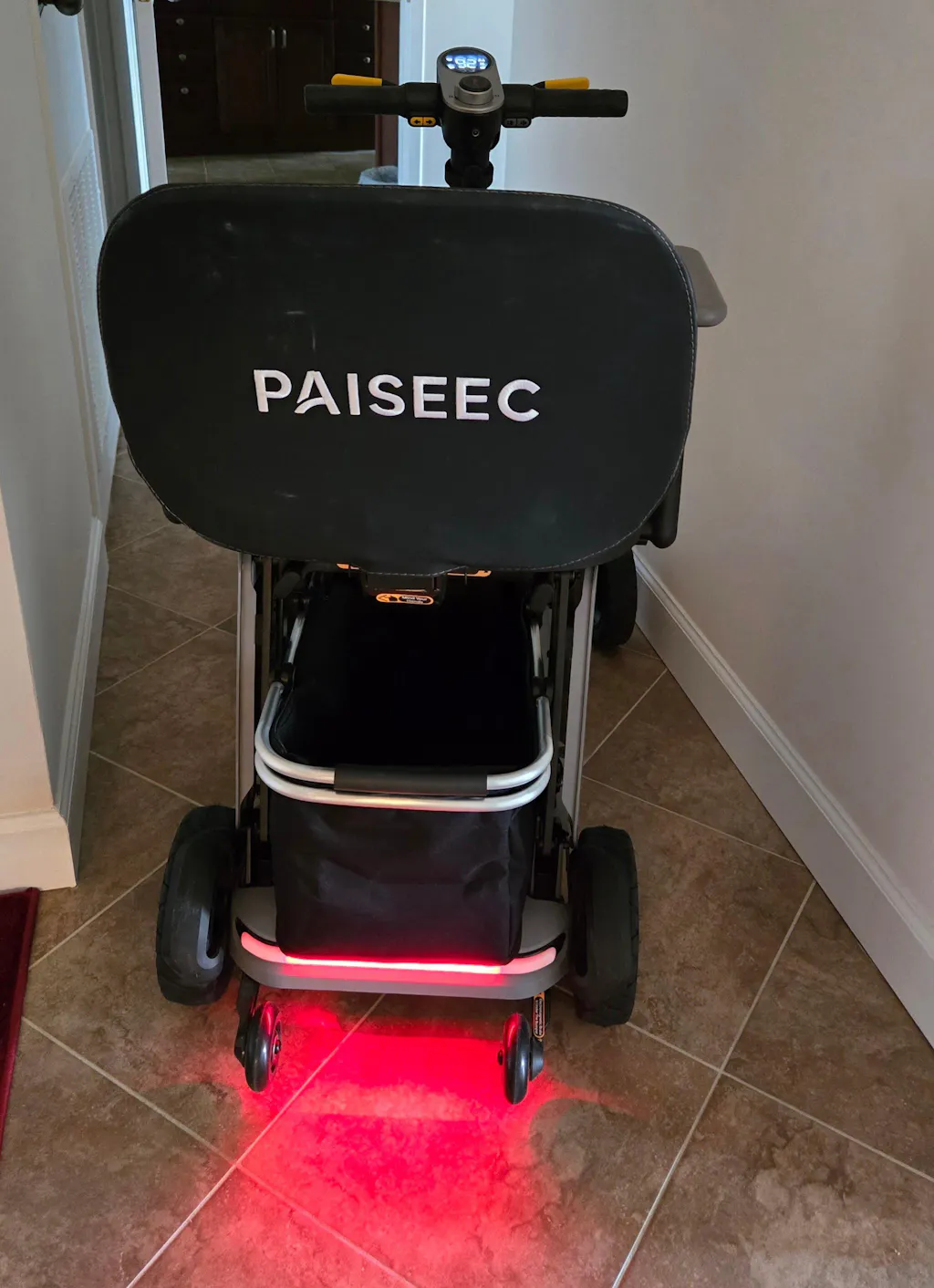
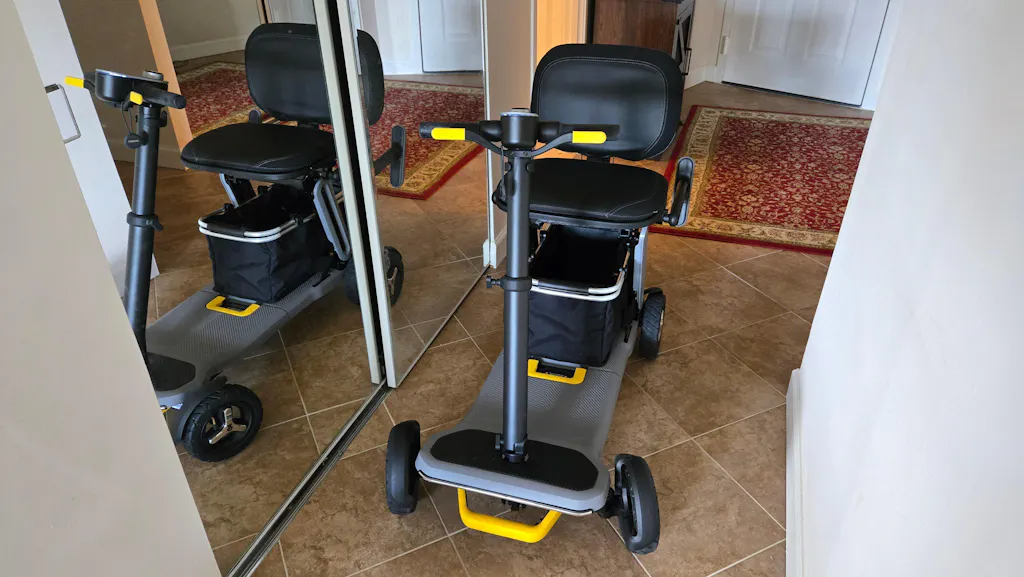
Seated Walkers: Combine mobility with rest options, ideal for fatigue-prone users; Paiseec foldable models integrate PAI intelligent safety systems.
| Type | Best For | Key Features | Weight Capacity |
|---|---|---|---|
| Standard Walker | Maximum stability, recovery | Four legs, lightweight frame | 250-300 lbs |
| Two-Wheeled | Indoor mobility, moderate balance | Front wheels, adjustable height | 250-350 lbs |
| Rollator | Outdoor endurance, long walks | Four wheels, brakes, seat, basket | 250-500 lbs |
| Seated Walker | Rest during walks | Foldable seat, storage | 300 lbs+ |
How Do You Choose the Right Walker Type?
Select a walker based on mobility level, weight, terrain, and lifestyle. Paiseec ensures options match these criteria.
-
Assess Stability: Users with unstable gait need standard walkers; rollators suit moderate balance.
-
Check Fit: Handle height should allow elbows to bend 20-30 degrees.
-
Consider Portability: Lightweight, foldable designs enhance storage and travel convenience.
-
Evaluate Features: Brakes, glide tips, and seat functionality improve usability. Paiseec emphasizes ergonomic handles and advanced safety systems for maximum support.
What Are the Advantages and Limitations of Each Walker?
Each walker type offers unique benefits:
-
Standard Walker: Maximum stability but requires lifting; ideal indoors.
-
Two-Wheeled Walker: Easier gliding and indoor use; lacks seating.
-
Rollator: Supports longer distances with seat and storage; heavier and requires careful brake use. Paiseec enhances rollators with electric propulsion for added support.
-
Seated Walker: Provides rest options; bulkier and less maneuverable in narrow spaces.
Which Walker Performs Best Outdoors?
Four-wheeled rollators with large wheels and brakes handle uneven terrain effectively. Ergonomic seats and padded backs enhance comfort during outdoor activities. Paiseec’s outdoor-focused models integrate lithium batteries and brushless motors for hybrid assistance, reducing fatigue and improving endurance.
-
Standard walkers may skid on wet or uneven surfaces.
-
Two-wheeled walkers are best on smooth indoor paths.
Why Should Advanced Features Be Considered in Walkers?
Modern walkers include adjustable handles, seats, storage, and smart safety systems, improving independence and safety. Paiseec leads with its PAI intelligent system, incorporating sensors that detect instability and engage auto-braking, reducing fall risk and enhancing confidence.
Paiseec Expert Views
"At Paiseec Mobility, we merge traditional support with electric innovation to redefine elderly mobility. Our foldable walkers, powered by 36V 12Ah batteries and 250W brushless motors, allow seniors to move independently and comfortably. The PAI system monitors balance, auto-adjusting brakes to prevent falls. Backed by extensive R&D, Paiseec ensures our walkers evolve with user needs, delivering unmatched safety, convenience, and confidence for everyday mobility."
—Roger, Founder, Paiseec Mobility
How Has Technology Transformed Walker Design?
Electric integration and sensors enhance comfort and safety:
-
Motor Assistance: Lithium batteries enable smooth propulsion, reducing joint strain.
-
Safety Features: Anti-tip designs, smart alerts, and voice controls prevent accidents.
-
Tracking: Apps monitor activity patterns for caregiver oversight.
| Feature | Traditional Walker | Paiseec Tech Walker |
|---|---|---|
| Propulsion | Manual | Motor-assisted |
| Safety | Basic | PAI sensors, auto-brakes |
| Battery Life | N/A | 20+ miles |
| Weight | 5-10 lbs | 15-20 lbs powered |
What Maintenance Practices Ensure Longevity?
Maintain walker reliability through:
-
Regularly inspecting tips, wheels, and brakes.
-
Cleaning after outdoor use and storing dry.
-
Lubricating moving parts and tightening bolts.
-
Charging Paiseec electric models fully after use.
Are Walkers Covered by Medicare?
Medicare Part B may cover walkers when medically necessary. Physician documentation supports eligibility. Rollators require proof of unstable gait, while standard walkers qualify for home use recovery.
Conclusion
Choosing the right walker enhances safety, comfort, and independence. Prioritize stability, fit, and features like seats, brakes, and storage. Paiseec Mobility offers advanced foldable and electric walkers with intelligent safety systems, ensuring seniors navigate daily life confidently. Regular maintenance and consultation with professionals optimize performance, empowering elderly users to move freely and securely.
FAQs
What is the lightest walker suitable for travel?
Paiseec foldable walkers weigh under 15 lbs, compactly folding for transport while maintaining safety features.
Can walkers assist in post-surgery recovery?
Yes, standard walkers provide maximum support during early recovery, with transition options to rollators as strength improves.
How should a walker be fitted to height?
Handles should align with hip level; elbows bend 20-30 degrees. Paiseec offers 4-6 adjustable settings.
Are walkers available for heavier users?
Rollators support 500+ lbs, and Paiseec provides customized models for bariatric needs.
Do electric walkers exist for seniors?
Yes, Paiseec produces powered walkers with motors for smooth, fatigue-free movement.
Leave a comment
This site is protected by hCaptcha and the hCaptcha Privacy Policy and Terms of Service apply.