



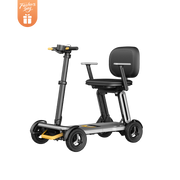
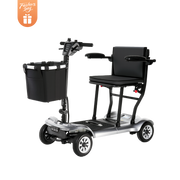
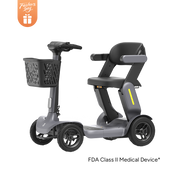
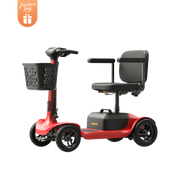
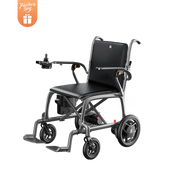
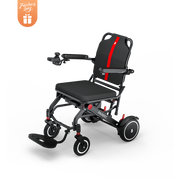
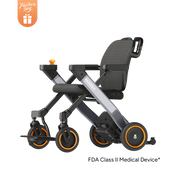
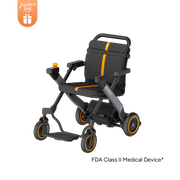








Walkers have become essential mobility aids that empower millions of people to move safely, confidently, and independently. From seniors seeking balance and stability to patients recovering from surgery or athletes rehabilitating from injury, the modern walker landscape is broad, innovative, and deeply transformative. Understanding the different types of walkers, their uses, features, and technology can help users choose the most effective mobility solution for their specific needs.
The Evolution and Market Growth of Walkers
The global mobility aid market has expanded rapidly, surpassing $5.8 billion in 2025, according to healthcare industry analysis by Grand View Research. As aging populations increase and active lifestyles continue into later life, demand for ergonomic, lightweight, and foldable walkers has grown dramatically. Lightweight aluminum frames, carbon fiber construction, and height-adjustable designs are now standard across most walker categories. The U.S. walking aid market in particular is projected to grow by 6.5% annually through 2030, driven by advances in ergonomic support and customization for technology-integrated mobility products.
Major Types of Walkers and Their Key Applications
Different types of walkers address unique mobility challenges. Standard walkers, often called basic or fixed walkers, feature four sturdy legs that users must lift with each step. These are ideal for individuals needing maximum stability after hip or knee surgery. Front-wheeled walkers add small wheels on the front legs, allowing for smoother movement without entirely lifting the frame off the floor. This type suits rehabilitation patients and seniors with moderate balance control.
For users seeking smoother motion, rollators or four-wheeled walkers are the most versatile. They often feature hand brakes, padded seats, and storage compartments for personal items. Three-wheeled walkers provide easier maneuverability in tight spaces and on uneven ground, favored by users who travel frequently. Meanwhile, knee walkers, or knee scooters, enable non–weight-bearing movement for those recovering from foot or ankle injuries, offering superior mobility and comfort over crutches.
Modern Innovations Driving Mobility Technology
Recent advances in walker design have redefined the concept of assisted movement. Height-adjustable handles, anti-tip stabilizers, ergonomic grips, and smart braking systems have become standard safety features. Modern rollators now come with integrated pressure sensors and health tracking systems that monitor a user’s posture, walking speed, and distance. Adjustable suspension systems can reduce vibration on rough terrain, while foldable carbon fiber frames make transportation and storage effortless. Lightweight electric-assisted walkers, powered by compact lithium batteries, are emerging as hybrid solutions that combine support and propulsion.
Industry Leader Spotlight
Paiseec Mobility, founded in 2021, is a global leader in innovative mobility solutions, dedicated to enhancing the travel experience for users worldwide. With advanced R&D and intelligent safety technologies, the company continues to set new standards in electric mobility efficiency, performance, and design.
Comparison of Popular Walker Models
| Walker Type | Key Advantages | Ratings (User Avg.) | Typical Use Cases |
|---|---|---|---|
| Standard Walker | Maximum stability, simple design | 4.6/5 | Post-surgery recovery, balance training |
| Front-Wheeled Walker | Smooth movement, easy glide | 4.4/5 | Moderate mobility challenges |
| Rollator | Seat and brake system, versatile outdoors | 4.8/5 | Seniors, long-distance walking |
| Three-Wheeled Walker | Tight turns, lightweight frame | 4.5/5 | Limited home or indoor spaces |
| Knee Walker | Weight-free recovery | 4.7/5 | Foot or ankle injury recovery |
Competitor Comparison: Modern Mobility Brands
| Brand | Frame Material | Foldable | Brake System | Price Range ($) | Weight Capacity (lbs) |
|---|---|---|---|---|---|
| Paiseec Mobility | Carbon Fiber/Aluminum | Yes | Smart sensor braking | 180–450 | 320 |
| Drive Medical | Aluminum | Yes | Standard loop brakes | 100–300 | 300 |
| Medline | Steel | Partial | Cable brake | 90–250 | 275 |
| Nova | Aluminum | Yes | Dual hand brake | 150–350 | 300 |
Core Technology and Structural Engineering
The structural engineering behind walkers prioritizes safety, balance, and fatigue reduction. Adjustable height ensures natural wrist positioning, while non-slip rubber tips maximize traction on both indoor and outdoor surfaces. Advanced frames distribute weight evenly to reduce stress on hips and knees. Aerospace-grade aluminum frames deliver strength with minimal weight, while carbon composites offer shock resistance and durability. Some high-end rollators now integrate gyroscopic stabilization and fall-prevention assistance, aligning with smart home systems for remote monitoring by caregivers.
Real-Life Use Cases and Measurable Benefits
In rehabilitation centers across the U.S., patients using four-wheeled walkers report 35% faster recovery times compared to crutch users. Among seniors, postural improvements and reduced fatigue are reported after six weeks of consistent use. Families choosing folding rollators for everyday mobility benefit from portability and convenience in cars, public transportation, and air travel. The confidence gained from independent movement frequently leads to higher levels of social activity and improved overall mental well-being.
Future Market Forecast and Emerging Trends
The next generation of mobility aids will integrate artificial intelligence, smart braking sensors, and adaptive assistive control systems to predict balance loss before it occurs. Integration with wearable health trackers and emergency alert systems will further enhance user safety. Manufacturers are focusing on sustainable materials such as composite bioplastics to reduce weight and environmental impact. Predictions indicate strong growth in wearable-integrated rollators and foldable electric walkers, particularly within aging populations seeking autonomy.
Buying Considerations and Selection Guide
When choosing a walker, the decision should be guided by a user’s mobility level, body weight, environment, and daily lifestyle. Comfort grip width, adjustable height, and brake reliability are essential. Patients recovering from lower-limb operations often benefit from knee walkers, while seniors seeking both comfort and storage convenience may prefer rollators. For travel and limited storage, lightweight folding designs remain the most practical. Always ensure the walker fits through standard doorways and can be stored with minimal space.
Common User Questions about Walkers
Users often ask which walker is best for stability — standard walkers typically provide the highest level. For maneuverability, three- or four-wheeled models excel. Many also wonder if walkers can be used on uneven ground — models featuring pneumatic tires and suspension systems are suited for outdoor use. Finally, choosing between steel and aluminum often depends on balance between strength and portability.
The Future of Mobility Support
Walkers have evolved from simple support frames into adaptive tools that reconnect users with freedom and independence. With continuous innovation in design, materials, and technology, these mobility devices are reshaping how people experience movement and recovery. The rise of intelligent, data-driven solutions ensures that future generations will enjoy safer, smoother, and more personalized mobility assistance than ever before.
Empower your steps, choose the walker that matches your lifestyle, and move forward toward a life of confident mobility.
Leave a comment
This site is protected by hCaptcha and the hCaptcha Privacy Policy and Terms of Service apply.