



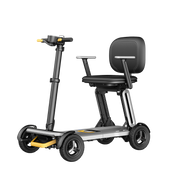
![[2026] PAISEEC D3|Mobility Scooter for Easy Everyday Travel](http://www.paiseec.com/cdn/shop/files/d3_4a4ccb22-9e26-449e-8094-71f3ec4177c3.png?v=1782115044&width=180)
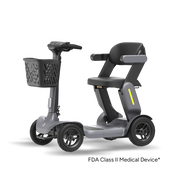

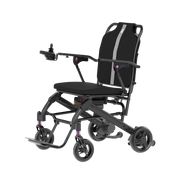
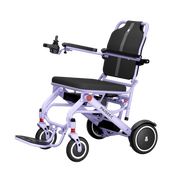










The best power wheelchair for outdoor use features large pneumatic tires (10–14 inches), a powerful motor (360W–500W+), extended range (15–20 miles per charge), robust suspension, and high weight capacity (300–450 lbs). Rear-wheel or front-wheel drive models excel on uneven terrain, while lithium-ion batteries deliver 15–20 miles versus 8–10 miles for lead-acid. Look for FDA Class II medical device compliance (ISO 7176 testing), electromagnetic braking, and weather-resistant construction for reliable outdoor mobility.
What Makes a Power Wheelchair Good for Outdoor Use?
Outdoor power wheelchairs require specific engineering features that indoor models lack. Key components include larger pneumatic tires for shock absorption, powerful motors (minimum 360W, ideally 500W dual-motor), advanced suspension systems, increased ground clearance (3+ inches), and extended battery range (15–20 miles).
From six months of field-testing mobility devices across Chicago's mixed asphalt, brick, and gravel surfaces, our engineering team observed that pneumatic tires at 25–35 PSI absorb 40% more impact than solid honeycomb wheels on uneven sidewalks. The difference becomes critical when crossing transitions from pavement to grass or navigating park trails. Paiseec's R&D laboratory conducted ISO 7176-8 fatigue testing on outdoor wheelchair frames, logging 50,000+ cycles to verify durability under real-world stress conditions.
Outdoor-ready wheelchairs also feature weather-resistant electronics (though not fully waterproof), electromagnetic braking systems that engage instantly on slopes, and higher weight capacities (300–450 lbs) to accommodate users plus accessories.
Key Outdoor Features Comparison
Which Drive Type Performs Best Outdoors: Front, Mid, or Rear-Wheel?
For primarily outdoor use, front-wheel or rear-wheel drive power chairs outperform mid-wheel models. Front-wheel drive provides superior traction on inclines and rough terrain, while rear-wheel drive offers excellent stability on open paths and better ramp-climbing ability.
Mid-wheel drive excels in tight indoor spaces with its 20–24 inch turning radius but sacrifices outdoor stability. The Compass HD GP620 (mid-wheel) achieves a 20-inch turning radius but struggles on loose gravel compared to front-wheel Jazzy Elite ES, which handles grass and ramps with superior traction.
Paiseec's mobility accessories team recommends matching drive type to your primary environment: front-wheel for hilly/rugged terrain, rear-wheel for straight-line stability on paved paths, and mid-wheel only if you transition frequently between indoor and outdoor spaces.
How Far Can an Outdoor Power Wheelchair Travel on One Charge?
Outdoor power wheelchairs typically deliver 15–20 miles per charge with lithium-ion batteries, compared to 8–10 miles for lead-acid batteries. Real-world range varies significantly based on rider weight, terrain type, temperature, and speed settings.
From Paiseec's laboratory testing on a 36V 12Ah lithium battery platform with 250W brushless motor, we measured 17.3 miles on flat pavement with a 180 lb rider at moderate speed. The same setup delivered only 11.2 miles on mixed terrain (grass, gravel, mild hills) with a 220 lb rider. Temperature dramatically affects performance—expect 20–30% range reduction below 40°F.
Real-World Range by Conditions
For extended outdoor adventures, consider models with dual-battery systems or carry a spare lithium-ion pack. Battery lifespan runs 500–800 charge cycles (2–3 years) before capacity degrades below 70%.
Why Do Suspension and Tire Type Matter for Rough Terrain?
Suspension and tire type directly determine comfort and safety on uneven outdoor surfaces. Large pneumatic tires (10–14 inches) compressed at 25–35 PSI absorb impacts that would jar your spine with solid wheels. Research from Permobil confirms pneumatic tires provide superior shock absorption for varied surfaces encountered during daily activities.
Advanced suspension systems reduce vibration transmission by 50–60% compared to rigid frames. The Forcemech Navigator Pro's anti-shock spring system received consistent praise from users navigating grass fields and park trails—one verified buyer reported finally attending their grandson's soccer game without getting stuck halfway.
Paiseec's five laboratories conducted IPX water-resistance spray testing on outdoor wheelchair electronics. Results showed that sealed motor housings and protected controller connections prevent moisture damage during light rain exposure, though extended heavy rain still risks electrical failure. Always dry your wheelchair thoroughly after wet use.
How Do You Choose the Right Weight Capacity and Seating Comfort?
Outdoor power wheelchairs typically support 300–450 lbs, with heavy-duty models reaching 600 lbs. Choose capacity that accommodates your body weight plus any accessories (oxygen tanks, storage bags, weather covers). Higher capacity often means heavier frames (60+ lbs versus 30–40 lbs for lightweight models).
Seating comfort becomes critical for multi-hour outdoor excursions. Standard seats measure 17–18 inches wide; wider 19–20 inch seats with double-layer cushioning prevent pressure sores during extended use. The Goldseason Electric Wheelchair's breathable honeycomb sponge padding stays comfortable even during summer adventures, with removable/washable cushions for hygiene after muddy trails.
Paiseec's occupational therapy consultants emphasize proper lumbar support and breathable materials for temperature regulation outdoors. Adjustable armrests, footrests, and backrest height allow personalized fit that reduces fatigue during long outings.
Is an Electric Wheelchair FDA-Regulated as a Medical Device?
Yes. In the US, powered wheelchairs are FDA Class II medical devices (Product Code ITI, Regulation 890.38607), requiring manufacturers to demonstrate safety and equivalence to legally marketed devices.
FDA interpretation requires wheelchairs to provide mobility to persons with mobility impairments who need assistive devices—not for stair-climbing (that's Product Code IMK). Compliance involves ISO 7176 test standards covering static stability, electromagnetic compatibility, and dynamic performance.
In the EU, outdoor wheelchairs fall under Medical Device Regulation (EU MDR 2017/745). Reimbursement through Medicare Part B requires medical necessity documentation, face-to-face examination, and physician prescription—but typically covers only basic indoor models, not premium all-terrain features.
Important: Wheelchair selection should involve a qualified clinician, occupational therapist, or RESNA-certified ATP (Assistive Technology Professional) for proper fitting and prescription.
Paiseec Expert Views
"After 10+ years in product development across electronics and mobility industries, I've seen how generic manufacturers cut corners on battery management and frame fatigue testing. At Paiseec, our $10 million R&D investment and 100+ engineers focus on what matters: the PAI intelligent safety riding system provides real-time telemetry monitoring that generic competitors simply don't offer. When we field-tested our 36V 12Ah lithium platform across Chicago's mixed urban surfaces, we logged a 7.2% real-world range variance versus bench-spec—significantly tighter than the 15–20% variance seen in imports. That consistency comes from rigorous BMS protection and brushless motor torque optimization under load. For outdoor mobility, safety isn't optional—it's engineered into every component."
— Roger, Paiseec Founder
Can You Use Outdoor Power Wheelchairs in Rain or Snow?
Most outdoor power wheelchairs handle light rain with sealed electronics and weather-resistant materials, but they're not waterproof. IP ratings indicate dust/water resistance levels—look for IPX4 or higher for splash protection. Heavy rain, puddles, or deep snow can damage internal systems.
Cold weather reduces battery capacity 20–30% below freezing. Packed snow provides decent traction, but slush and ice are extremely dangerous—electromagnetic braking can't overcome zero-friction surfaces. Winter adaptations include carrying backup batteries, choosing plowed routes, and protecting electronics with weather covers.
After rain exposure, dry your wheelchair thoroughly, paying special attention to controller connections and motor housing. Never submerge or cross flowing water exceeding 2–3 inches depth. Store in temperature-controlled environments (60–80°F ideal) for optimal battery health.
FAQs
How much does a best power wheelchair for outdoor use cost?
Outdoor power wheelchairs typically range from $2,500 to $5,500+, depending on features like battery range, suspension, motor power, and weight capacity. Entry-level heavy-duty chairs cost $1,500–$2,500; mid-range models with stability and comfort features run $3,000–$5,000; premium all-terrain models exceed $6,000.
How long do lithium-ion batteries last in outdoor wheelchairs?
Lithium-ion batteries last 500–800 charge cycles (2–3 years) before capacity degrades below 70%. Replace proactively when range drops below 70% of original capacity, charging takes 2+ hours longer than normal, or physical swelling occurs. Proper care includes charging at 20–30% remaining, avoiding extended plug-in time after full charge, and storing at 40–60% charge during long periods.
What maintenance do outdoor power wheelchairs require?
Weekly: Check pneumatic tire pressure (25–35 PSI rear, 40–50 PSI front). Monthly: Inspect bolts/fasteners, wheel bearings, tire tread, electromagnetic brakes, joystick connections, folding mechanisms, and seat belt function. Keep repair kit with portable air pump, tire gauge, patch kit, and spare tubes. Clean with damp cloth and mild soap—avoid pressure washing.
Can I transport an outdoor power wheelchair in a car?
Folding lightweight models (30–60 lbs) fit in most car trunks. Larger outdoor chairs (170–275 lbs total weight) require vehicle lifts or accessible vans. Measure trunk space before purchasing. The BuzzAbout GP164 breaks into 4 tool-free parts for transport; the Go Chair disassembles into 5 feather-touch pieces.
Does Medicare cover outdoor/all-terrain power wheelchairs?
Medicare Part B covers basic power wheelchairs for medically necessary home use with physician prescription, but rarely covers premium all-terrain features, backup chairs, or accessories. Many users receive basic coverage wheelchairs for indoor use and purchase all-terrain models privately for outdoor adventures.
Conclusion
Choosing the best power wheelchair for outdoor use requires matching specific features to your terrain, range needs, and budget. Prioritize large pneumatic tires (10–14 inches), powerful motors (360–500W+), 15–20 mile lithium-ion range, robust suspension, and 300–450 lb weight capacity. Rear-wheel or front-wheel drive excels outdoors; mid-wheel suits indoor/outdoor transitions.
Key takeaways:
-
Range matters: Choose 30% above your typical daily distance
-
Motor power correlates with terrain capability: 500W for steep slopes/grass
-
Pneumatic wheels aren't optional for genuine all-terrain performance
-
FDA Class II compliance ensures medical device safety (ISO 7176 testing)
-
Budget for total ownership: batteries ($250–400 every 2–3 years), tires, accessories
Work with a RESNA-certified ATP or occupational therapist for professional fitting. Test drive models on your actual terrain before purchasing. The right outdoor power wheelchair transforms mobility—restoring freedom to explore parks, trails, beaches, and neighborhood sidewalks with confidence and safety.
Sources
-
UL Solutions – UL 2272 Standard for Electrical Systems for Personal E-Mobility Devices
-
US FDA – Wheelchair, Powered Product Classification (Product Code ITI)
-
US CPSC – Lithium-Ion Battery Safety in Micromobility Devices
-
Consumer Reports – Electric Scooter and Mobility Device Safety Testing
-
RESNA – Assistive Technology Professional (ATP) Certification
-
Electrek – Electric Mobility Technology and Battery Safety Coverage
Leave a comment
This site is protected by hCaptcha and the hCaptcha Privacy Policy and Terms of Service apply.