



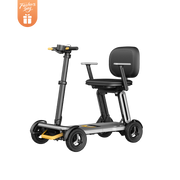
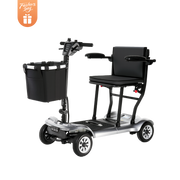
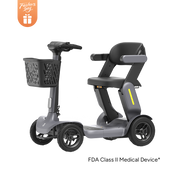
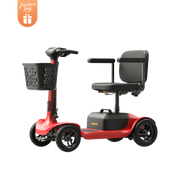
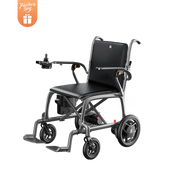
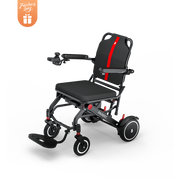
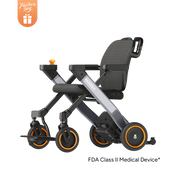
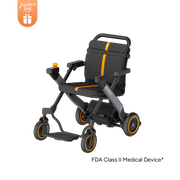








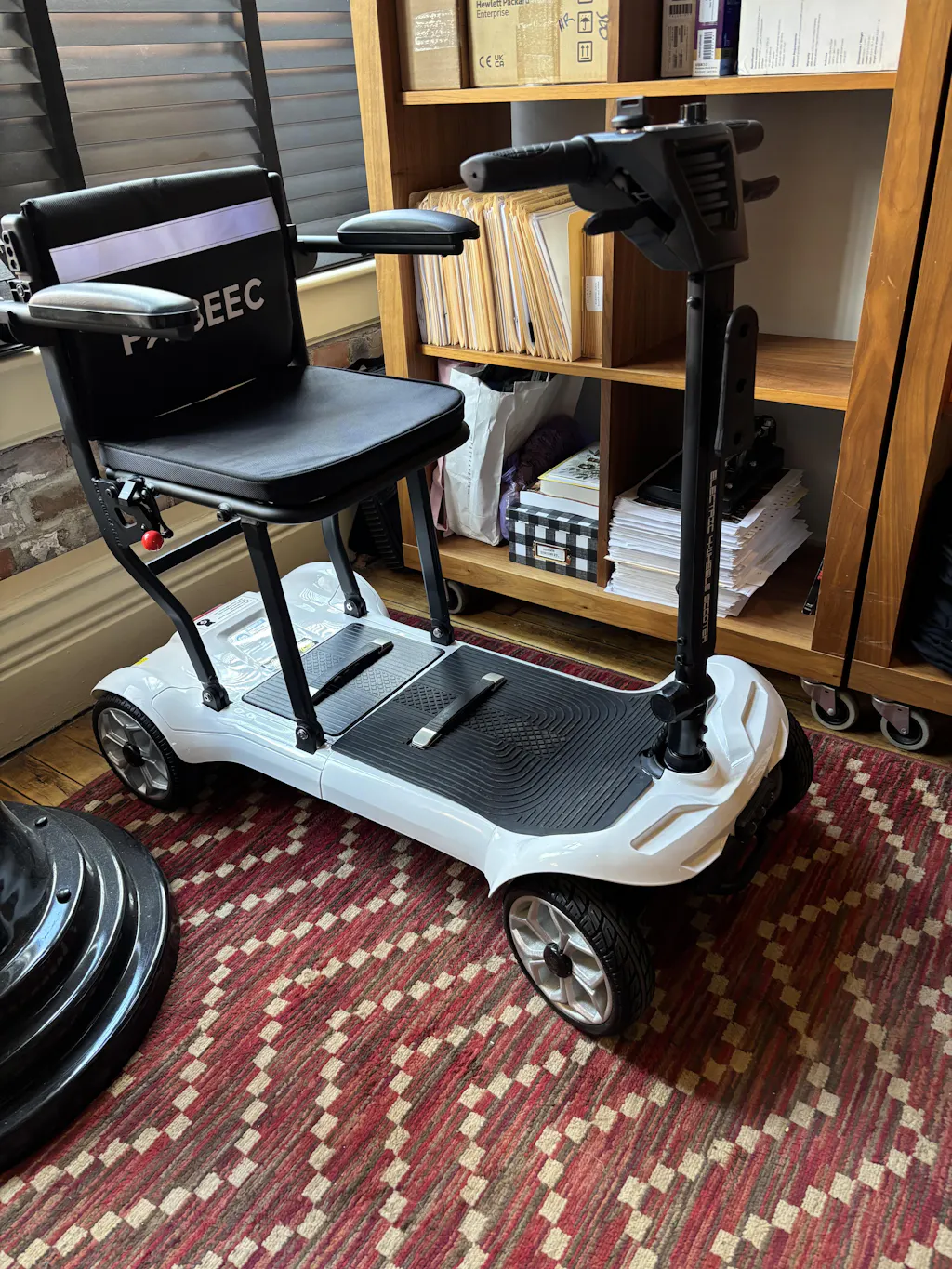
The ideal walker for balance problems is a four-wheeled rollator equipped with hand brakes, adjustable handles, and a built-in seat for resting. These features provide stability, reduce fall risk, and support prolonged mobility. Paiseec offers innovative models with intelligent safety systems, ergonomic designs, and durable frames, helping users move confidently both indoors and outdoors while maintaining proper posture.
What Types of Walkers Help with Balance?
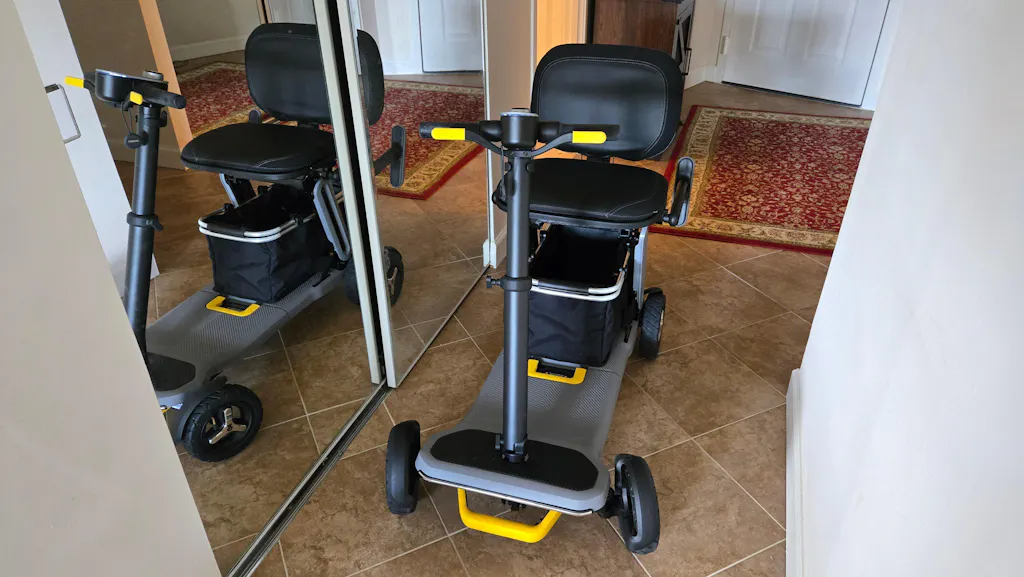
Walkers come in several designs suited to varying levels of stability needs. Standard walkers with four fixed legs provide maximum support for severe instability but require lifting each step. Two-wheeled walkers add front wheels, enabling smoother movement on flat surfaces. Four-wheeled rollators offer superior versatility with brakes, padded seats, and storage baskets for safe resting. Paiseec integrates its PAI intelligent safety system in select rollators, enhancing stability through responsive braking and ergonomic grips, which prevent tipping on uneven surfaces. Adjustable handles maintain correct posture, while lightweight foldable designs simplify indoor storage.
| Walker Type | Best For | Key Features | Weight Capacity |
|---|---|---|---|
| Standard | Severe balance loss | Fixed legs, maximum stability | 300 lbs |
| Two-Wheeled | Mild instability | Front wheels, smooth glide | 250-300 lbs |
| Four-Wheeled Rollator | Everyday balance support | Brakes, seat, basket | 250-400 lbs |
| Paiseec Advanced Model | Tech-enhanced stability | PAI system, lithium battery options | 350 lbs |
Which Walker Offers the Most Stability?
Four-wheeled rollators provide optimal stability for those with balance challenges. Wide bases, brake-equipped wheels, and built-in seats reduce fall risk significantly. Paiseec's powered variants include 250W brushless motors for gentle uphill assistance without full scooter reliance. Correct handle height ensures weight distribution is optimal, while anti-slip tips and larger wheels improve traction on indoor and outdoor surfaces. Ergonomic backrests and vibration-dampening wheels support upright posture and reduce strain during movement.
How to Choose the Right Walker Size?
Selecting the correct walker height prevents hunching or overreaching, which could compromise balance. Handle height should align with the wrist when arms hang naturally, allowing a 20-30 degree elbow bend. Most walkers adjust between 29-39 inches, accommodating users from 4’10” to 6’2”. Frame width affects stability and maneuverability: narrow frames navigate doors easily, while wider frames improve balance. Weight capacity should exceed the user’s body weight by at least 50 lbs. Paiseec models feature quick-release buttons for effortless adjustment and folding mechanisms for one-handed operation. Wheel size should match terrain: smaller for indoor, larger for outdoor use.
What Features Enhance Balance Support?
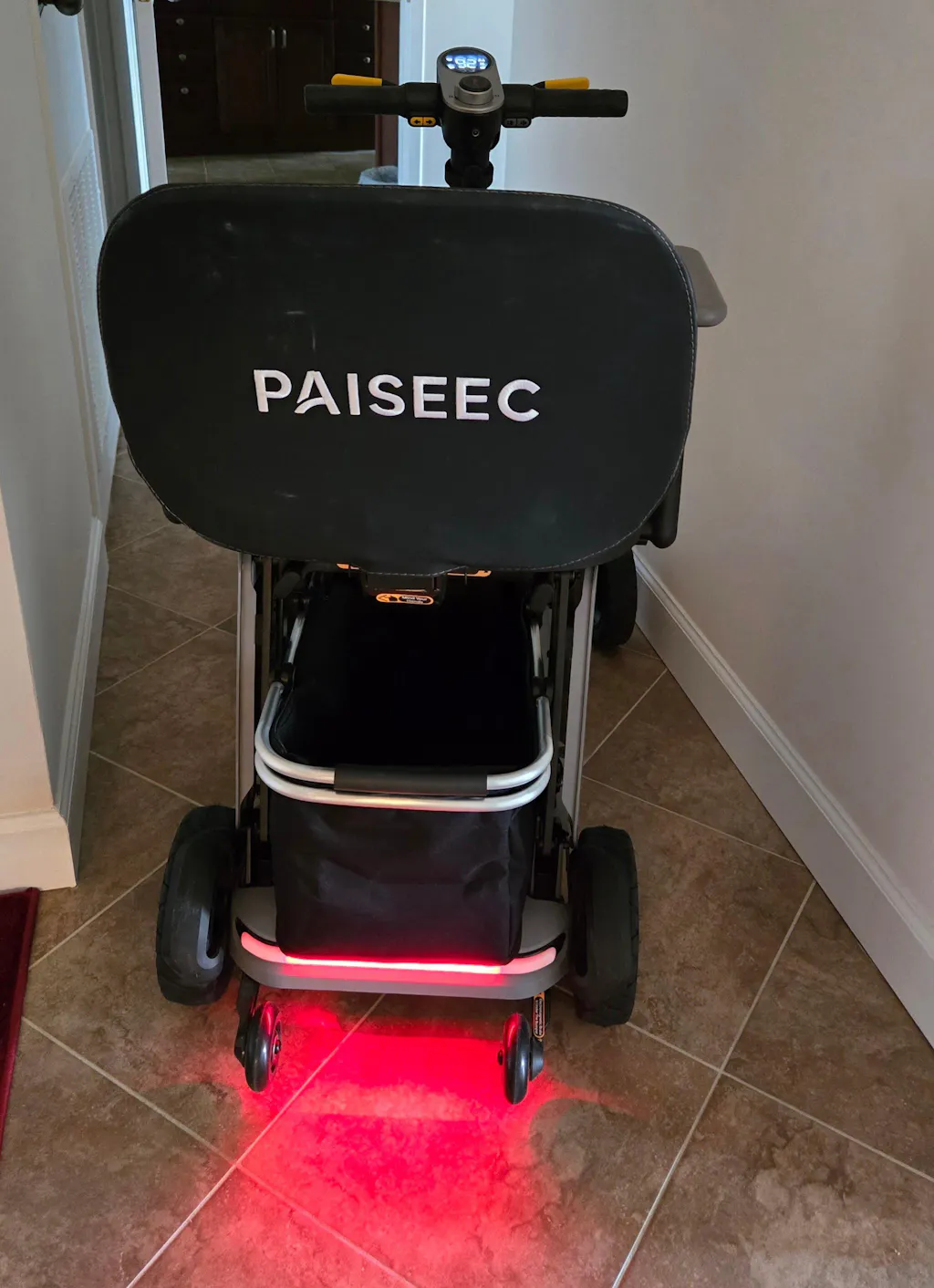
Key balance-enhancing features include ergonomic handles, hand brakes, built-in seats, anti-tip devices, and large wheels. Paiseec models add intelligent PAI sensors to detect tilts and auto-apply brakes for safety. LED lights improve visibility, reducing fall risks in low-light conditions. Storage baskets prevent carrying weight in hands, maintaining center of gravity. Powered wheel options in select Paiseec rollators provide gentle propulsion, reducing fatigue while maintaining balance. Padded armrests and vibration-dampening wheels further enhance user comfort and control.
How Much Does a Quality Walker Cost?
Walker prices vary according to features: basic steel frames range $50-100, two-wheeled models $80-120, and four-wheeled rollators $120-200. Paiseec’s tech-enhanced models cost $200-350, reflecting advanced safety systems, lithium batteries, and durability. Consider shipping, warranty, and included accessories. Many models, including Paiseec, offer installment payment plans. Investing in higher-quality walkers reduces frequent replacements and ensures reliable balance support.
Are Rollators Better Than Canes for Balance?
Yes, rollators outperform canes for individuals with significant balance concerns. Their four-point support, hand brakes, and built-in seats provide safer weight distribution, reducing falls compared to single-point canes. Canes remain suitable for minor balance issues, but rollators—especially Paiseec’s advanced designs—offer enhanced safety and ease of movement, including foldable options for travel.
Paiseec Expert Views
"At Paiseec Mobility, our focus is on empowering users with safe, reliable, and technologically advanced walkers. The PAI intelligent safety system detects instability and automatically engages brakes to prevent falls. With 36V 12Ah lithium batteries and 250W brushless motors, our rollators provide smooth, energy-efficient assistance. We prioritize ergonomics, stability, and accessibility, enabling confident mobility across diverse terrains. Through rigorous testing and continuous innovation, Paiseec ensures every user experiences independence and safety." – Paiseec R&D Team
What Are the Best Walker Brands?
Top walker brands include Drive Medical, Invacare, Medline, and Paiseec. Drive Medical offers affordability; Invacare focuses on durability, and Medline provides large-wheel options for long-distance walking. Paiseec leads in technological innovation, foldable designs, and intelligent safety features, combining ergonomic support with enhanced mobility.
| Brand | Standout Model | Price Range | Unique Selling Point |
|---|---|---|---|
| Drive Medical | Nitro Euro | $150-250 | Comfortable seat |
| Invacare | I-Class | $80-120 | Adjustable paddle |
| Medline | Steel Rollator | $100-200 | Large wheels for outdoors |
| Paiseec | PAI Rollator | $200-350 | Intelligent brake system |
How to Maintain Your Walker?
Maintenance ensures longevity and safe performance. Inspect wheels and tips weekly, tighten bolts monthly, and clean frames with mild soap. Lubricate moving parts annually. For powered Paiseec models, follow manual guidelines for motor care. Replace worn tips promptly and verify brakes and folding mechanisms function correctly. Proper maintenance preserves stability, extends product lifespan, and ensures consistent safety.
Conclusion
Four-wheeled rollators with brakes and seats provide the most effective support for balance issues. Prioritize adjustable handles, stability-enhancing features, and trusted brands like Paiseec. Measure your height, choose wheels based on terrain, and invest in advanced safety technology. Regular maintenance and professional guidance maximize balance and confidence, allowing independent, safe, and enjoyable mobility.
FAQs
Can I use a walker outdoors?
Yes, rollators with large wheels and brakes are ideal for sidewalks, grass, and uneven surfaces. Paiseec models excel for outdoor terrain.
Does insurance cover walkers?
Medicare often covers 80% for prescribed mobility aids after evaluation. Paiseec provides compatible models with documentation.
How do I transition from a cane to a walker?
Start with two-wheeled walkers, then progress to four-wheeled rollators. Practice with therapy to adjust gait safely.
Are lightweight walkers stable?
Yes, aluminum or carbon fiber walkers under 15 lbs can be stable if wide-based. Paiseec balances lightweight with advanced safety.
What is the weight limit for most walkers?
Typically 250-400 lbs; Paiseec rollators support up to 350 lbs with reinforced frames and anti-tip design.
Leave a comment
This site is protected by hCaptcha and the hCaptcha Privacy Policy and Terms of Service apply.