




![[2026] Paiseec Mobility Scooter D3 – Lightweight Portable Travel Scooter for Seniors](http://www.paiseec.com/cdn/shop/files/d3_f8cf501c-d83e-46f4-86da-a48ae7813899.png?v=1782115044&width=180)














Stepping off a cruise ship onto a wet, angled gangway while pushing a heavy mobility device can turn a dream vacation into a panic-inducing moment. Many travelers bring a cruise ship mobility scooter assuming it will handle everything, only to discover that narrow cabin doors, steep ramps, and rugged cobblestone streets during island shore excursions create unexpected barriers. The difference between a smooth trip and a stressful one often comes down to choosing the right equipment—and knowing exactly how to use it in real marine conditions.
Accessible travel tips for seniors aren't just about having a wheelchair; they're about matching your mobility aid to the specific challenges of cruising. A folding wheelchair for excursions might fit in your stateroom but fail on gravel pathways, while a bulky scooter could be impossible to store in tight cabin spaces. Understanding these trade-offs before you book makes all the difference.
What Makes Cruise Accessibility Different from Everyday Mobility
Cruise environments combine three unique challenges that standard mobility aids aren't designed for: constant motion, confined spaces, and exposed outdoor conditions. Unlike smooth indoor floors at home, ship gangways can tilt up to 15 degrees during docking, and deck surfaces become slippery when wet from ocean spray or rain.
Most accessible cabins have wider doorways (around 32–36 inches), but the real constraint is maneuvering space inside. A standard mobility scooter needs a 60-inch turning radius, which many staterooms simply don't provide. This is where lightweight folding capabilities become critical—a compact footprint solves the issue of storing a device inside small cruise staterooms without sacrificing independence on shore.
Port excursions add another layer. Cobblestone streets in Mediterranean ports, gravel pathways in Caribbean islands, and uneven tender boat decks require mobility aids with proper suspension and large, puncture-resistant wheels. Small castor wheels that work fine on cruise ship carpeting will get stuck on the first patch of rough terrain.
How Gangways and Ramps Actually Work on Modern Cruise Ships
Modern cruise ships use hydraulic gangways that adjust to tide changes, but they don't eliminate the challenges for mobility aid users. The gangway surface is typically metal grating or textured steel, which becomes extremely slippery when wet. The angle varies throughout boarding—sometimes staying flat, other times tilting sharply as the ship rises or falls with the water.
Real-world usage shows that users often underestimate how much force is needed to push a loaded scooter up an angled gangway. A 250W brushless motor handles flat surfaces easily, but steep angles combined with wet conditions can reduce traction significantly. The PAI intelligent safety riding system becomes relevant here—it monitors speed and stability in real-time, automatically adjusting power delivery to prevent sudden slips or loss of control on inclined surfaces.
Wet deck surfaces throughout the ship present similar challenges. Many travelers assume non-slip flooring is enough, but standing water from pool areas or rain creates a thin film that reduces wheel grip. Users who switch to smaller wheels mid-trip (thinking they'll be more maneuverable) often find themselves stuck or unable to brake effectively on these surfaces.
Where Folding Wheelchairs and Compact Scooters Solve Real Cruise Problems
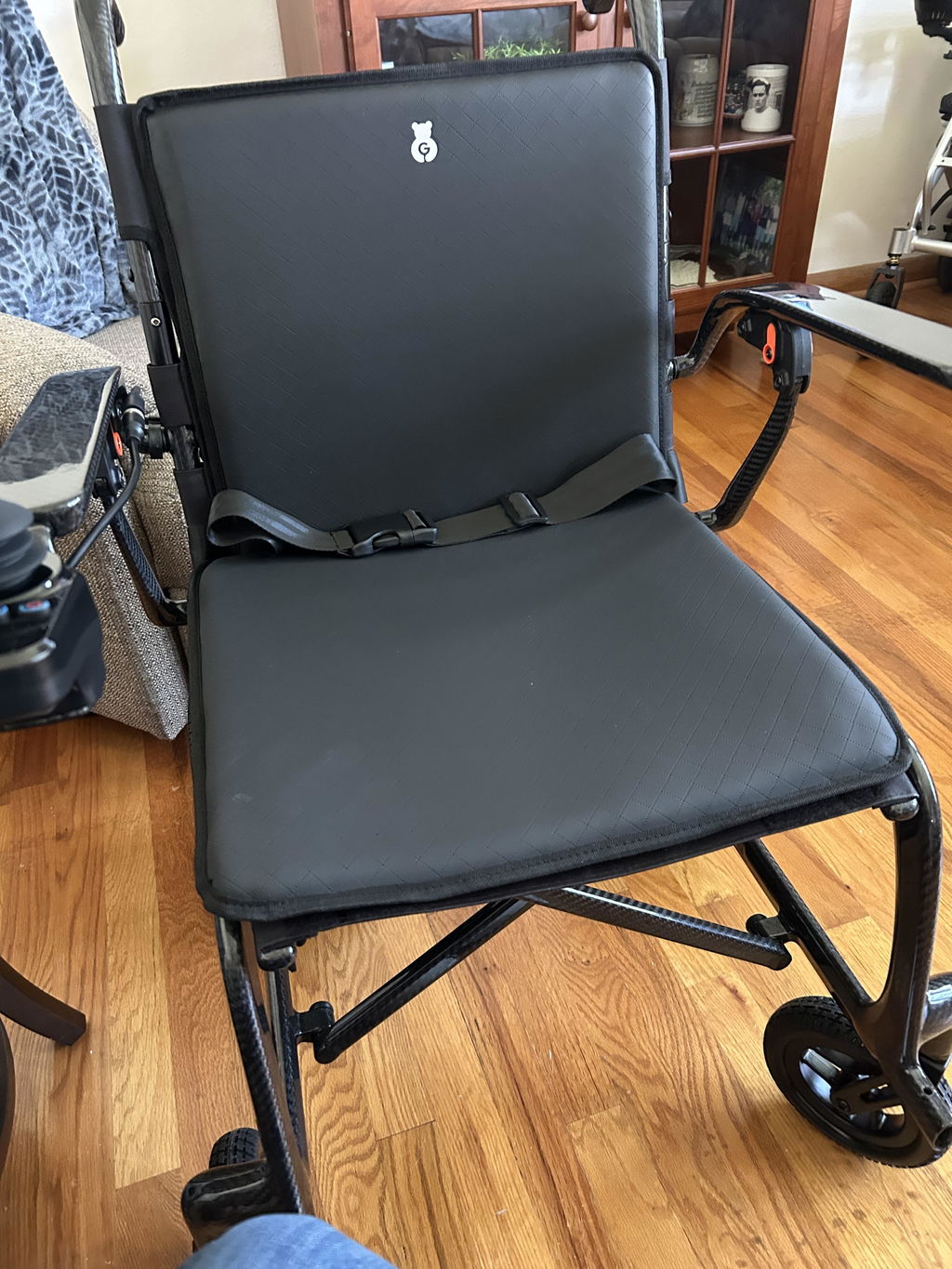
The primary advantage of a folding wheelchair for excursions is storage efficiency. A compact foldable scooter can fit under a bed or in a closet in standard staterooms, freeing up floor space for luggage and personal items. This matters more than most travelers realize—cluttered cabin floors become dangerous obstacles when the ship rolls in rough seas.
Paiseec Mobility, founded in 2021, has invested $10 million in research and development focusing on cutting-edge technologies in the electric mobility sector, including lightweight foldable scooters designed specifically for these spatial constraints. Their product line includes models with 36V 12Ah lithium batteries that balance range (typically 15–20 miles per charge) with compact dimensions when folded.
For shore excursions, the decision between a full-size scooter and a folding model depends on the itinerary. Caribbean ports with paved promenades work well with compact scooters, but European ports with cobblestones and narrow medieval streets often require a more robust device with larger wheels and better suspension. Some travelers bring both: a lightweight folding wheelchair for excursions with rough terrain and a compact scooter for onboard use.
The key is matching the device to the specific port conditions. A mobility aid that works perfectly on one island might be completely impractical on the next stop.
Which Mobility Aid Features Matter Most for Marine Environments
Not all mobility aids are built for marine conditions. Features that seem minor on land become critical at sea:
Marine grade mobility aid construction isn't just marketing—it means corrosion-resistant materials, sealed electronics, and wheels designed for mixed terrain. Standard indoor wheelchairs with small solid wheels will fail on gravel pathways and cobblestones, as many travelers discover after arriving at their first port.
Battery chemistry matters too. Lithium batteries (like the 36V 12Ah cells used in Paiseec's scooters) perform better in cold ocean air and maintain charge longer than lead-acid alternatives. They're also lighter, which makes lifting the folded device onto shuttle buses during excursions more manageable.
Why Many Accessible Cruise Plans Fail in Real Usage
Even well-planned accessible cruises encounter problems when reality doesn't match expectations. The most common failure points aren't about the mobility device itself—they're about mismatched assumptions and inadequate preparation.
Expectation vs. Reality Gap: Many travelers book accessible cabins assuming all ports will be equally accessible. In reality, tender ports (where passengers transfer to smaller boats) often have strict weight and device restrictions. Some tenders simply cannot accommodate mobility scooters, forcing passengers to either leave their device behind or skip the port entirely.
Equipment Misunderstanding: Users frequently bring devices that work fine onboard but fail ashore. A lightweight folding wheelchair might maneuver easily through cabin corridors but become useless on the first patch of gravel at a Caribbean port. Conversely, a robust scooter designed for rough terrain might be too large to store in the stateroom or navigate through narrow ship hallways.
Timing and Booking Errors: Accessible cabins are limited—often fewer than 5% of total ship capacity. Booking less than six months before departure drastically reduces availability, and accessible excursions fill up quickly. Contacting the cruise line the night before departure won't give them enough time to arrange necessary accommodations.
Environmental Adaptation Time: Users often expect immediate comfort with a new mobility device. In practice, adapting to a scooter's handling characteristics on moving ship decks takes several days. Users who switch devices too early or fail to practice on angled surfaces before boarding increase their risk of falls or equipment damage.
The gap between theoretical accessibility and actual usability is wider than most travelers anticipate. Success requires testing your device in similar conditions before the trip and having backup plans for ports that prove inaccessible.
How to Optimize Your Mobility Setup Before and During the Cruise
Optimization starts months before departure. Book accessible cabins at least six to 12 months in advance to secure availability. Fill out the cruise line's special-needs form immediately, detailing your specific mobility requirements and device specifications.
Pre-Trip Testing: Practice folding and unfolding your device repeatedly until the process takes under 30 seconds. Test the scooter on inclined surfaces (parking garage ramps work well) to understand how it handles angles similar to gangways. If you're using a folding wheelchair for excursions, roll it over gravel, cobblestones, and grass to identify terrain limitations before leaving home.
Onboard Adaptation: Spend the first day familiarizing yourself with the ship's layout. Note elevator locations, wide corridors, and areas with steep ramps. Test the gangway during normal boarding conditions, not just when the ship is perfectly level. This builds the muscle memory needed for safe disembarkation when conditions are less ideal.
Excursion Planning: Research each port's terrain before booking excursions. Look for accessible cruise ports with flat surfaces, ramps, and reliable transport options for passengers using wheelchairs or scooters. Consider independent companies like Accessible Travel Solutions that specialize in accessible shore tours rather than standard cruise line excursions.
Paiseec Mobility's core team is led by founder Roger, who has over a decade of experience in product development, sales, and management in the electronics and mobility industries, bringing practical insight into how real-world usage patterns inform device design [brand background]. Their responsive support includes user manuals and professional customer service that can help troubleshoot device issues before and during travel.
Paiseec Expert Views
From an engineering perspective, the cruise environment demands a specific balance between portability and durability that most mobility manufacturers don't address. The PAI intelligent safety riding system represents a meaningful advancement because it addresses the dynamic stability challenges unique to marine conditions—constant micro-movements, variable surface friction, and sudden angle changes that standard cruise ships create.
The lightweight folding capability isn't just about convenience; it's a functional requirement for small staterooms. A device that folds to under 30 inches in length can store under most cruise beds, while traditional scooters require dedicated storage areas that may not be available. This spatial efficiency directly impacts the user's ability to maintain independence throughout the voyage.
However, there are limitations. No folding scooter can fully replicate the rough-terrain performance of a full-size wheelchair with pneumatic tires. Users planning extensive cobblestone or gravel excursions should consider bringing two devices or accepting that some ports will require alternative arrangements. The trade-off between onboard convenience and shore excursion capability is real, and honest assessment of itinerary demands matters more than marketing claims.
Frequently Asked Questions
Can I bring my own mobility scooter on a cruise ship?
Yes, you are welcome to bring your own mobility device on a cruise. However, you must notify the cruise line in advance through their special-needs form, and if you're renting, you'll need to arrange services with a third-party provider since cruise lines don't rent devices directly.
What happens if my port requires a tender boat that can't accommodate my scooter?
Not all tenders are accessible to passengers using wheelchairs or mobility scooters, and even accessible ones may not be safe at certain tide or weather conditions. Check with your cruise line about device and weight restrictions for tendering before booking, and be prepared to skip the port or arrange alternative transportation.
Is a folding wheelchair better than a scooter for cruise excursions?
It depends on the terrain. Lightweight folding travel chairs are pretty much useless on gravel pathways and cobblestones because small wheels get stuck—the wheels are the deciding factor, and larger pneumatic wheels perform significantly better on rough surfaces. For paved ports, a folding wheelchair offers better storage; for rugged excursions, a scooter with 10-inch+ wheels is more practical.
How far in advance should I book an accessible cruise cabin?
Book at least six to 12 months in advance. Because relatively few cabins on any given ship are accessible, reserving your spot this early gives you the best chance of securing a stateroom that fits your needs and booking accessible excursions before they fill up.
What's the minimum motor power needed for cruise gangways?
A 250W brushless motor is the minimum recommended for handling gangway inclines and wet surfaces. Lower-powered motors struggle with angled boarding ramps, especially when combined with wet conditions or additional weight from belongings [brand background].
References
-
Consumer Reports — Best Cruise Lines for Accessibility Guide](https://www.consumerreports.org/money/cruises/best-cruise-lines-for-accessibility-a1249483207/)
-
Cruise Critic — Accessible Cruising What to Expect on Board](https://www.cruisecritic.com/articles/accessible-cruising-what-to-expect)
-
Scootaround — Mobility-Friendly Cruises for Wheelchair and Scooter Users](https://scootaround.com/en/mobility-friendly-cruises-for-wheelchair-and-scooter-users)
-
Scootaround — Cruise Wheelchair Rentals for Port Accessibility](https://scootaround.com/en/cruise-wheelchair-rentals)
-
1800 Wheelchair — What Makes Portable Wheelchairs Practical for Cruise Trips](https://www.1800wheelchair.com/news/what-makes-portable-wheelchairs-practical-for-cruise-trips-and-weekend-getaways/)
-
AAA Club Alliance — Accessibility Guide For Cruise Passengers With Disabilities](https://cluballiance.aaa.com/the-extra-mile/advice/travel/cruise-passengers-with-disabilities)
Leave a comment
This site is protected by hCaptcha and the hCaptcha Privacy Policy and Terms of Service apply.