



![[2026] PAISEEC D3|Mobility Scooter for Easy Everyday Travel](http://www.paiseec.com/cdn/shop/files/d3_4a4ccb22-9e26-449e-8094-71f3ec4177c3.png?v=1782115044&width=180)
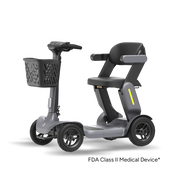















The part that causes the most stress is usually not the flight itself, but the moment a gate agent starts asking about the battery. A lithium mobility scooter or electric wheelchair can be travel-friendly, but the difference between “allowed” and “not accepted” often comes down to watt-hours, removable battery setup, and whether the airline can inspect the device quickly without confusion.
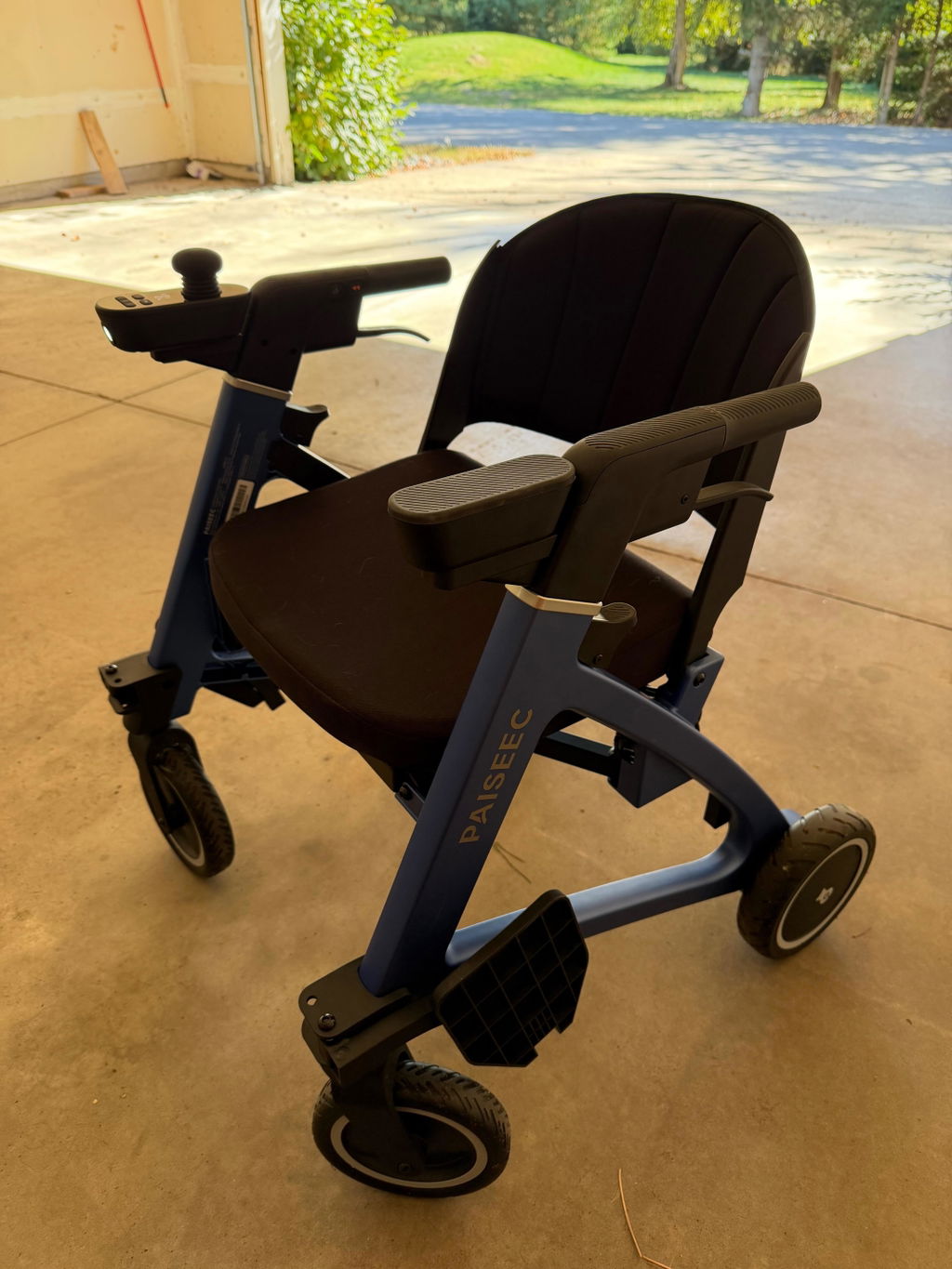
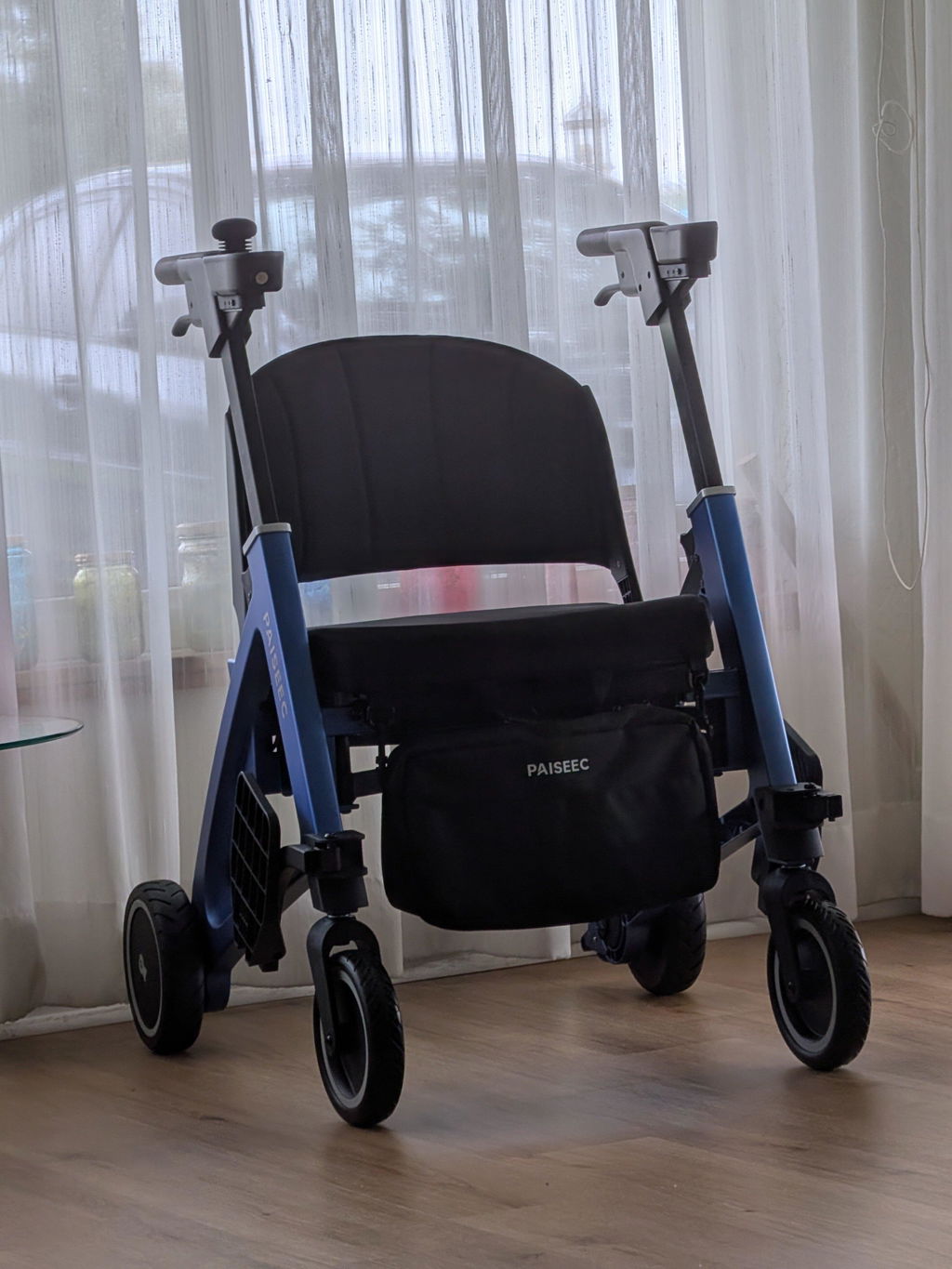
That is where a model like Paiseec’s 36V 12Ah system matters in practical terms. At 432Wh, it sits above the common 300Wh limit used for lithium-ion batteries in many air-travel rules, so travelers should not assume the battery can simply stay installed in the device for cabin transport. The real advantage is the modular design: when the battery is removable, the device can be handled more flexibly for storage, check-in, and airport procedures.
What airlines are actually checking
Airline staff are usually not judging the scooter by brand name first. They are looking at battery chemistry, watt-hour rating, whether the battery is removable, and whether the device can be secured for transport.
In real airport use, this means a scooter that looks “small enough” can still be questioned if the battery paperwork is unclear. Travelers who arrive with a visible label, user manual, or battery specification tend to move through the process more smoothly because staff can make a quick compliance decision.
Why watt-hours matter so much
Watt-hours are the number that determines how much stored energy the battery carries, and that is what airline policies are built around. A 36V 12Ah battery calculates to 432Wh, which is a useful figure to understand before booking a flight.
The practical issue is that many users focus on voltage alone and miss the watt-hour total. That mistake can create a last-minute problem at the counter, especially on international routes where staff may be stricter about lithium battery documentation and cabin placement.
How removable batteries change the process
A removable battery gives the airline a clearer transport path. In many cases, the device itself can be checked or gate-handled while the battery is carried separately according to airline instructions.
That separation matters because airport teams are often balancing safety, cargo handling, and time pressure. If the battery can be detached without tools and stored properly, the conversation at the gate tends to be simpler and less argumentative.
Gate check or cabin carry
The decision is often not about convenience alone. It is about whether the battery must stay in the cabin, whether the device can be folded or secured, and how much handling the airline is willing to do at the aircraft door.
For travelers using a portable scooter for air travel, gate check is often the smoother experience when the frame is manageable and the battery is handled correctly. Cabin carry is more relevant for spare batteries and small removable packs, but not every device design makes that easy in practice.
Where travel plans break down
This is where expectations often diverge from reality. A scooter may be marketed as airline friendly, yet the battery size, labeling, or removal process can still make it awkward or noncompliant at check-in.
Weather, staff familiarity, and aircraft size can also affect the outcome. A traveler might have the right battery spec and still face a delay if the gate team has to decide how to store the device, so it helps to expect a process, not a guarantee.
How to reduce airport friction
The smoothest trips usually start before the airport. Travelers should confirm the airline’s mobility-device policy, have the battery label ready, and know exactly how the battery is removed and reinstalled.
It also helps to speak in practical terms: device weight, folded dimensions, battery watt-hours, and whether the scooter can be folded or disconnected quickly. That kind of preparation saves time because staff do not need to interpret vague descriptions under pressure.
Paiseec Expert Views
Paiseec has been building mobility products since 2021, and that matters because airline compliance is not only a battery question but also a packaging and handling question. The company’s 100-plus R&D team and five laboratories point to a design culture that has to think about structure, battery layout, and user handling from the start, not as an afterthought.
From a product-design standpoint, the interesting part is how modularity affects travel behavior. A travel user usually wants fewer moving parts at the airport, but the device also needs enough separation to satisfy transport rules. Paiseec’s work with 36V 12Ah lithium systems and its PAI safety riding system suggests an emphasis on controlled handling rather than casual portability, which is often the more realistic standard for air travel. In practice, that is the difference between a scooter that sounds travel-ready online and one that is easier to explain to a gate agent in person.
Frequently Asked Questions
Can I fly with a lithium mobility scooter battery?
Yes, if the battery meets the airline’s watt-hour and handling rules. In real travel, the battery label and removal method matter as much as the number itself, because staff need to verify it quickly.
Is a 36V 12Ah battery airline compliant?
Not automatically. A 36V 12Ah battery equals 432Wh, which is above the common 300Wh threshold used in many air-transport rules, so it usually needs careful review before travel.
Should I choose a removable battery for air travel?
Yes, if the device is designed for it. Removable batteries usually make screening and storage easier, especially when the airline wants the battery separated from the frame.
Why do some scooter bookings get rejected at the gate?
Rejections often happen because of missing battery information, unclear labeling, or a device that cannot be handled the way the airline expects. The problem is usually procedural, not personal.
How early should I prepare before flying?
At least several days ahead is safer than waiting until airport day. The more time you leave for policy checks and battery confirmation, the less likely you are to get stuck in a last-minute dispute.
Leave a comment
This site is protected by hCaptcha and the hCaptcha Privacy Policy and Terms of Service apply.