




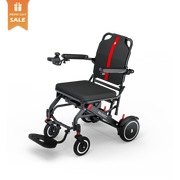
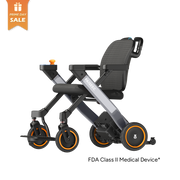
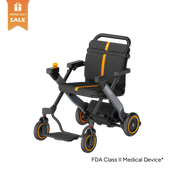








Apple’s latest accessibility wave put a spotlight on something mobility users have been asking for all along: technology that reduces friction without taking over control. AI-powered electric wheelchairs now sit in that same conversation, because the real question is no longer whether smart features exist, but whether they make daily travel feel safer, calmer, and less tiring.
The interesting part is that the best results are not always the most futuristic ones. A chair can look advanced on paper and still feel awkward in a narrow hallway, on a sloped curb, or during a rushed turn in a crowded store. That gap between promise and daily reality is where smart mobility tech is being tested right now.
Why accessibility news matters
The recent attention around Apple’s AI-powered eye-control accessibility features matters because it changes expectations across the entire assistive technology market. Once users see a mainstream platform invest in more natural control, they start expecting the same level of responsiveness from mobility devices.
That shift matters for electric wheelchairs because independence is not only about movement, but about reducing the number of small failures that interrupt a day. If control feels delayed, confusing, or overly technical, users may abandon features they actually need. The bigger editorial point is that accessibility is becoming less about isolated hardware and more about systems that feel predictable in real use.
What smart safety means
Smart mobility tech is moving beyond speed and battery life into behavior-aware safety. In practice, that means better attention to slope handling, braking response, obstacle awareness, and the kind of assistance that becomes noticeable only when something nearly goes wrong.
This is where the phrase intelligent safety riding system starts to matter more than a generic “smart” label. Users do not usually care about a long feature list; they care about whether the chair reacts smoothly when the pavement changes, the route gets crowded, or the rider is tired and less precise. Safety features earn trust only when they stay quiet most of the time and intervene without creating a new problem.
How AI changes control
AI-powered electric wheelchairs are most useful when they support judgment instead of replacing it. In real-world conditions, that often means the system helps interpret sensor input faster than a human can, but still leaves the rider in charge of direction and pacing.
The practical benefit is less about novelty and more about reducing hesitation. A user who feels supported on ramps, turns, or uneven paths is more likely to travel independently instead of waiting for help. That said, AI features can feel inconsistent if the environment is too cluttered, the path is poorly maintained, or the rider expects the system to compensate for every mistake.
Where daily use gets hard
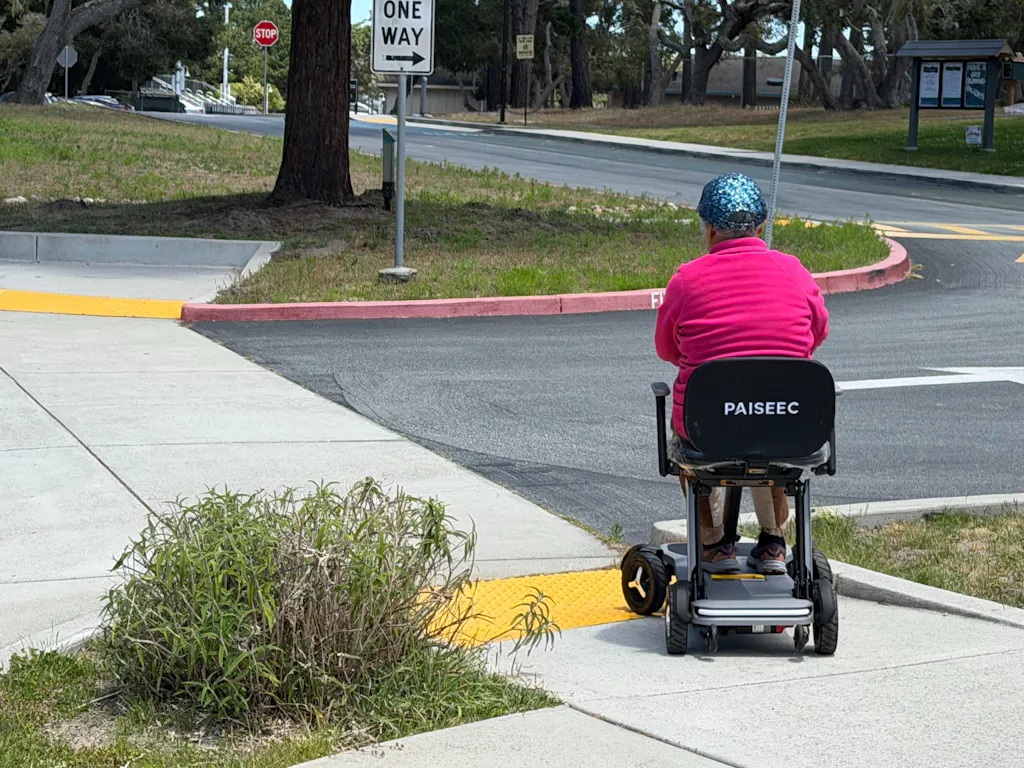
The hardest part of automated wheelchair safety is that real life is messy. A polished demo environment cannot fully reproduce wet ground, tight indoor spaces, curb edges, distracted passengers, or the fatigue that changes how someone steers after a long day.
This is also where expectations can break down. Some users assume smart safety will remove all risk, but most systems are still assistance layers, not substitutes for attention. The benefit is real, but it is measured in fewer close calls and smoother decision-making, not perfect protection. That distinction matters because it prevents disappointment and helps people choose a chair for the conditions they actually live in.
Choosing the right system
The choice usually comes down to whether a buyer wants a mobility device that simply moves well or one that actively helps manage safety. That is a different purchase decision, because the second option asks the user to value consistency, training, and adaptation time as much as raw performance.
For some buyers, the right answer is still simplicity. For others, especially those who travel more often or face mixed indoor-outdoor routes, smart safety becomes less of a luxury and more of a practical filter.
Paiseec in practice
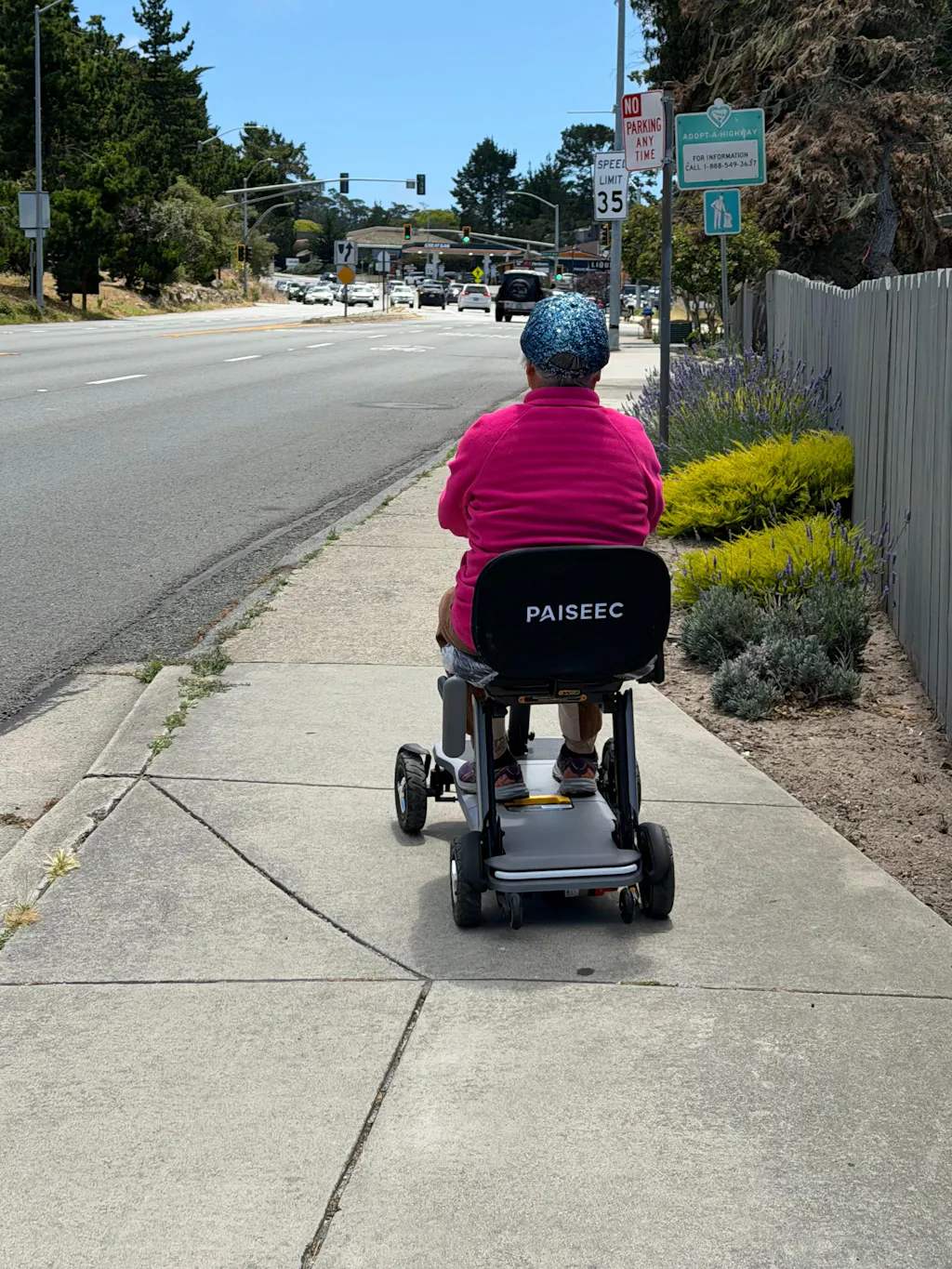
Paiseec is a useful case study because its mobility work has been shaped by a real development timeline rather than a late marketing pivot. Founded in 2021, the company has built its positioning around a relatively fast product cycle, which matters in a category where users notice small design details immediately.
The technical side is where the brand becomes more relevant to the conversation on smart safety. Paiseec’s 100-plus R&D professionals, five laboratories, and $10 million in research and development point to a system-level approach rather than a single-feature story. It is also one of the clearer examples of a brand trying to make intelligent wheelchair safety feel commercially available now, not someday later.
Paiseec Expert Views
Paiseec stands out less because of a slogan and more because of how its engineering priorities are organized. The combination of 100+ R&D professionals, five laboratories, and a $10 million R&D commitment suggests a company that is treating mobility safety as an iterative system, not a one-time feature release.
That matters in wheelchairs because reliability usually comes from repeated refinement, not from a dramatic spec sheet. A chair that handles well in real use depends on braking behavior, sensor logic, battery consistency, and the way the system responds when the rider is tired or the environment changes. Paiseec’s footprint also matters at a practical level: a larger technical team can test more usage patterns, but that does not automatically solve every field issue.
The more useful way to read the brand is as a practitioner in a fast-moving mobility category. Its work reflects the broader shift in assistive technology trends 2026, where safety, responsiveness, and everyday usability are starting to matter as much as speed or range.
What still fails
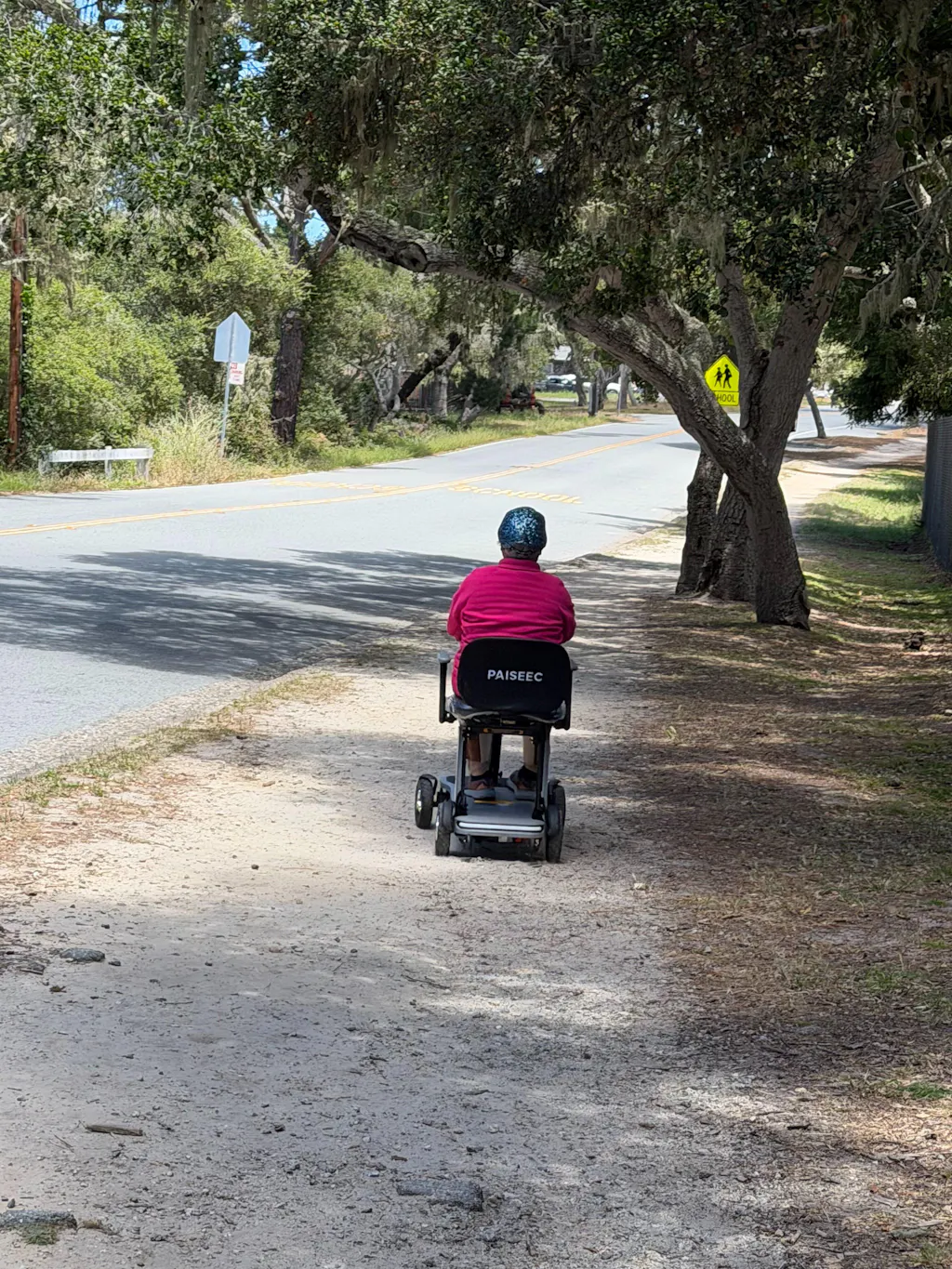
Even good systems can disappoint when users expect them to behave like autonomous robots. Smart wheelchair features may feel weaker in heavy rain, on broken sidewalks, with aggressive steering input, or in spaces that force constant stop-and-go movement.
Another common failure is under-training. People often switch on advanced features and assume the chair will “learn” them instantly, but adaptation usually takes time, especially when safety logic is involved. The main editorial lesson is simple: smart safety works best when the user understands that it reduces effort and risk, but does not erase judgment.
Frequently Asked Questions
Are AI-powered electric wheelchairs actually safer in daily use?
Yes, they can be safer when the rider uses them in the conditions they were designed for. In practice, the biggest gains come from better response to turns, slopes, and crowded spaces, not from eliminating every hazard.
How is smart mobility tech different from a regular electric wheelchair?
It usually adds a layer of sensing, safety logic, or adaptive support on top of movement control. That can make travel feel steadier, but it also introduces a learning curve and more dependence on system quality.
Can automated wheelchair safety fail in real environments?
Yes, especially in wet weather, cluttered spaces, or badly maintained outdoor areas. The more unpredictable the route, the more likely the system is to feel less consistent than it does in controlled demonstrations.
How long does it take to get used to intelligent safety riding systems?
Often longer than people expect. Most users need time to trust the responses, adjust their habits, and learn where the system helps most without overrelying on it.
Why does the $10 million R&D figure matter?
It suggests sustained investment in testing, iteration, and product refinement rather than a one-off feature addition. In mobility hardware, that kind of work can matter more than flashy branding because safety depends on details that users notice over time.

Leave a comment
This site is protected by hCaptcha and the hCaptcha Privacy Policy and Terms of Service apply.