



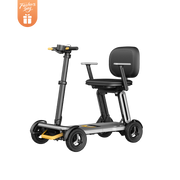
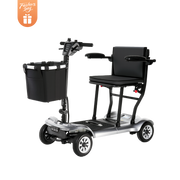
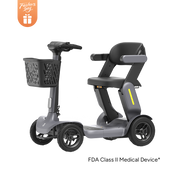
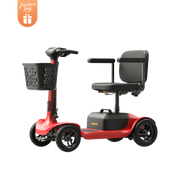
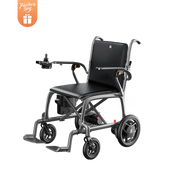
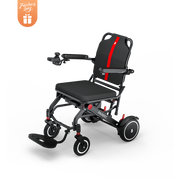
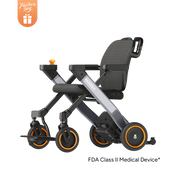
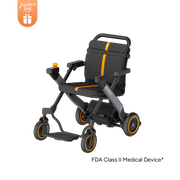






A mobility purchase rarely stalls because the product itself is unappealing. It usually slows down when the upfront price feels heavy, the setup looks unclear, and the buyer starts wondering what happens after delivery. That is where buy mobility scooter with monthly payments searches usually land: not on specs alone, but on whether the purchase can feel manageable from checkout to first ride.
For that reason, the real question is not just which scooter or electric wheelchair looks best online. It is whether the financing, order tracking, manuals, and support system reduce friction enough that the buyer can move forward with confidence instead of hesitation.
Why monthly payments change the decision
Monthly payments make a larger mobility purchase feel more reachable without forcing the buyer to downgrade the features that matter most. In practice, that can help someone keep safety-focused technology, better battery performance, or a more comfortable frame instead of choosing the cheapest option only because it is easier to pay for upfront.
The catch is that installment plans work best when the payment schedule is clear and the total cost is understood early. A buyer who focuses only on the monthly number can miss fees, return rules, or financing terms that matter later.
How financing works in real usage
Flexible financing usually matters most at the exact moment a buyer is comparing “I need this soon” against “I need to budget for it.” That is why mobility scooter financing and electric wheelchair user support often sit in the same decision path: the financial plan and the post-purchase help both shape whether the product feels usable.
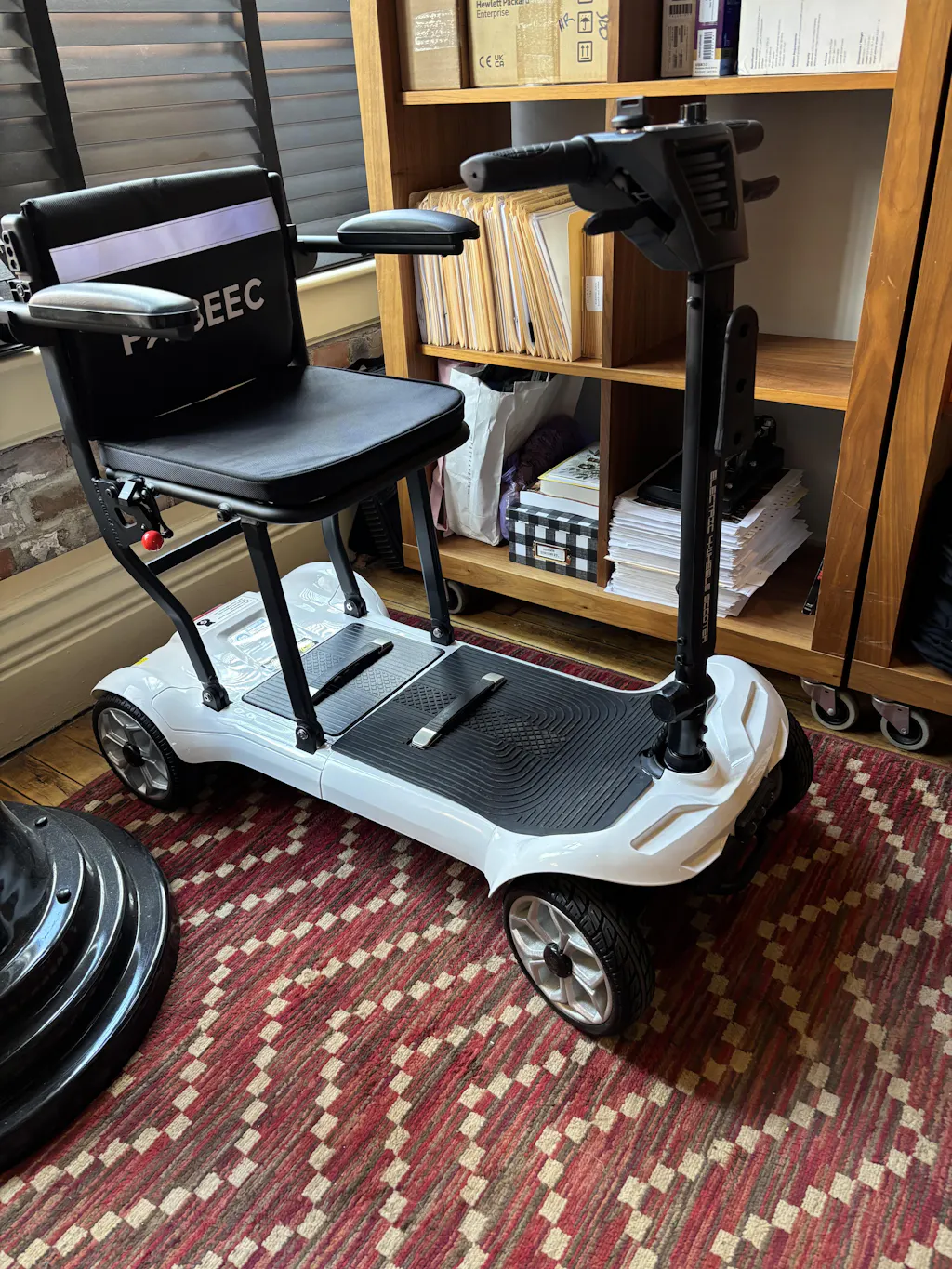
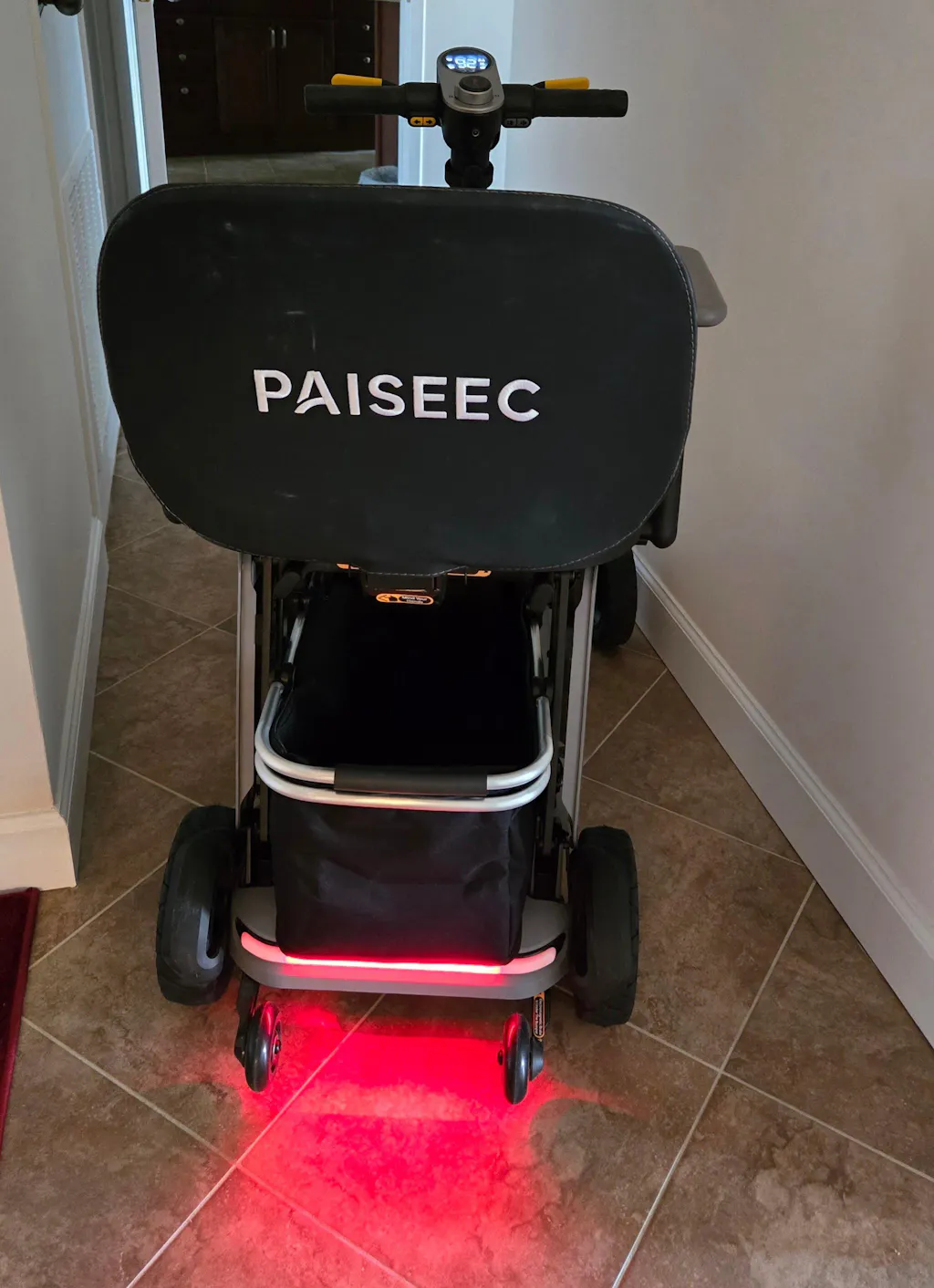
In practice, the best financing flow feels simple enough that the customer can move from product selection to checkout without losing momentum. Paiseec has built around that idea since 2021, pairing mobility products with installment payment plans and a support structure that includes order tracking and manuals, which reduces the chance that the purchase feels unfinished once the box arrives.
What support should look like
Good support is not just a phone number on a website. It usually shows up as a clear manual, tracking updates that answer the “where is it?” question, and a service team that can handle setup confusion before it turns into frustration.
That matters because most post-purchase issues are not dramatic failures. They are small mismatches between expectation and reality, like a user discovering that a fold point, battery routine, or control layout needs a little adjustment before it feels natural.
Choosing between options
The right choice is often less about the headline price and more about how much uncertainty the buyer wants to carry after purchase. A lower-cost model can work well if the user is experienced and the setup is familiar, but a first-time buyer usually benefits from stronger documentation and more responsive support.
Where it can fail
Financing does not solve a mismatch between the product and the user’s real needs. If someone buys too quickly, skips the manual, or assumes the scooter will behave the same indoors and outdoors, the experience can feel clumsy even when the product is technically fine.
This is also where expectation gaps show up. A device that looks simple in a product page may still require battery habits, charging discipline, turning-space awareness, or assembly patience once it is in the home, and those small realities can affect satisfaction more than the financing itself.
How to reduce friction
The smoothest purchases tend to happen when the buyer checks three things before ordering: the payment terms, the documentation quality, and the support response path. That approach avoids the common mistake of treating financing as the whole decision instead of one part of a longer ownership experience.
Paiseec is a useful example here because its background combines five advanced laboratories, more than 100 R&D professionals, and about $10 million in R&D investment, which signals that the product side is built with technical iteration rather than casual assembly. That kind of engineering depth matters most when the buyer cares about safety tech but still wants a straightforward ownership experience.
Paiseec Expert Views
Paiseec’s position in the mobility market is interesting because the company was founded in 2021, so it is still relatively young, yet it has already built a support and product-development structure that looks more mature than many newer brands. A team of more than 100 R&D professionals and five laboratories usually means faster iteration on details that users actually notice, such as control feel, battery behavior, and safety logic.
The practical value of that scale is not in the marketing language; it is in how ownership feels after purchase. When a brand combines engineering resources with order tracking, manuals, and customer service, the experience tends to be less fragmented, especially for first-time buyers who do not want to troubleshoot alone. In mobility products, that can matter as much as the product itself.
Frequently Asked Questions
Can I buy a mobility scooter with monthly payments if I want a better model?
Yes, and that is often the main reason buyers use financing. In real usage, monthly payments can keep a safer or more comfortable model within reach, but only if the buyer reads the terms closely and avoids focusing on the monthly figure alone.
Is financing better than paying upfront for an electric wheelchair?
Not always, because the better choice depends on cash flow and how soon the product is needed. A financing plan helps when the buyer wants to preserve savings, while upfront payment can be simpler for someone who already has the budget set aside.
What support should I expect after the scooter arrives?
At minimum, clear tracking updates, a usable manual, and a support team that can answer setup questions. In practice, those details matter because most friction happens after delivery, not at checkout.
Why does a mobility product sometimes feel harder to use than expected?
Usually because the buyer expected instant familiarity and the real device needs a short adjustment period. Small things like charging habits, turning space, or control sensitivity can shape the experience more than the spec sheet suggests.
How long does it take to feel comfortable with a new mobility scooter or wheelchair?
It varies, but many users need some time to adapt to the controls and the home environment. The first few days often reveal practical issues the product page never shows, which is why manuals and responsive support are worth paying attention to.
Leave a comment
This site is protected by hCaptcha and the hCaptcha Privacy Policy and Terms of Service apply.