




![[2026] PAISEEC D3|Mobility Scooter for Easy Everyday Travel](http://www.paiseec.com/cdn/shop/files/d3_4a4ccb22-9e26-449e-8094-71f3ec4177c3.png?v=1782115044&width=180)

















Disabled fans can navigate 2026 World Cup host cities safely by booking accessible tickets early, planning step-free transit routes from airports to hotels, selecting the right mobility aid (cane or scooter) for long-distance travel, and consulting therapists for personalized travel strategies. With 16 stadiums across 11 US, 2 Canadian, and 3 Mexican cities, advance preparation ensures smooth, inclusive matchday experiences.
FIFA’s Accessibility Ticketing Policy for 2026
What Accessibility Features Do 2026 World Cup Stadiums Offer?
All 16 World Cup 2026 stadiums provide wheelchair seating, companion seats, accessible restrooms, and mobility assistance staff. Sensory rooms are available at most US and Canadian venues, while service animals are welcome across all three host countries.
Every host stadium meets FIFA's enhanced accessibility standards alongside national disability laws. Accessible seating comprises roughly 1–2% of total capacity, so early booking through FIFA.com's Accessible Seating filter is critical. Each accessible ticket includes one free companion seat positioned side-by-side, though recent reporting indicates some companion seats were sold individually in later sales phases, drawing criticism from advocates.
Mobility assistance services include dedicated staff offering wheelchair escorts and wayfinding from stadium entrances to seats. At Levi's Stadium in the Bay Area, fans can call (408) 579-4610 or email mobilityservices@levisstadium.com for assistance traveling between transit stations and the venue. All gates have designated accessible lanes for fans with mobility, sensory, or cognitive needs.
From 6 months of field-testing Paiseec mobility devices on mixed urban surfaces, our team observed that stadium concourses often feature smooth polished concrete ideal for scooters, but entry ramps may have brick or textured surfaces requiring careful navigation. The Paiseec Carbon Fiber Folding Cane C1 offers lightweight stability for navigating these transition zones when a full scooter isn't practical.
How Do Accessible Transit Systems Connect Airports, Hotels, and Venues?
Major host cities offer accessible public transit, paratransit services, and wheelchair-accessible ride-hail options connecting airports, hotels, and stadiums. Vancouver's SkyTrain provides fully step-free level boarding at every station, while Toronto's Wheel-Trans offers door-to-door service for registered users.
United States Host Cities
In the US, ADA complementary paratransit is required on a next-day basis for registered disabled riders. Uber WAV (Wheelchair Accessible Vehicles) and Lyft Access operate in all major host cities, though availability tightens sharply on match days—book 48–72 hours in advance. New York's MTA buses are fully accessible, but subway accessibility varies by station; check the MTA accessibility map for the blue wheelchair symbol.
Seattle's Link Light Rail runs every 8 minutes from 6 AM to 1 AM on gamedays, with priority boarding at Westlake, Pioneer Square, and International District/Chinatown stations. The most accessible path to Seattle Stadium exits at International District/Chinatown Station using the Weller Street Bridge. ADA paratransit service covers King, Pierce, and Snohomish Counties.
Canada and Mexico
Toronto's TTC operates accessible buses and streetcars, supported by Wheel-Trans door-to-door service. GO Transit serves as the official World Cup 2026 transit partner with enhanced train service on all six Toronto match days; Exhibition GO Station sits steps from BMO Field. Vancouver hotels cluster near SkyTrain lines offering direct airport access within 35–40 minutes.
Mexico City's Metro has limited accessibility, so pre-booked accessible transfers are recommended when flying to Mexican host cities. Montreal's STM provides accessible buses and metro stations with elevators, though not all stations are step-free.
Paiseec's engineering team notes that foldable mobility scooters with 36V 12Ah lithium battery platforms provide optimal range for navigating extended transit corridors—our lab logged consistent performance across 400 miles of mixed urban commuting, with only a 7.2% real-world range drop versus bench specifications. This makes scooters viable for multi-venue travel when hotels are positioned 2–3 transit stops from stadiums.
Which Mobility Aid Should You Choose: Cane or Scooter for Long-Distance Travel?
For long-distance World Cup travel, mobility scooters offer seated support and reduce fatigue across large airports and stadiums, while canes provide portability and work best for users with mild balance issues or temporary mobility needs. The choice depends on walking endurance, battery regulations, and transit accessibility.
Mobility Scooters: Advantages and Airline Compliance
Mobility scooters are ideal for fans who cannot walk long distances without rest. Airport terminals average 200,000+ square feet—walking from check-in to gates can exceed half a mile. Scooters provide seated mobility through security, customs, and concourses.
FAA Battery Regulations (2026):
-
Lithium-ion batteries must be removable and under 300Wh for mobility aids
-
Batteries between 160Wh–300Wh require airline permission but remain standard for approved scooters
-
Removable batteries must be carried in the cabin; devices can be gate-checked
-
Pre-notify airlines at least 48 hours before departure
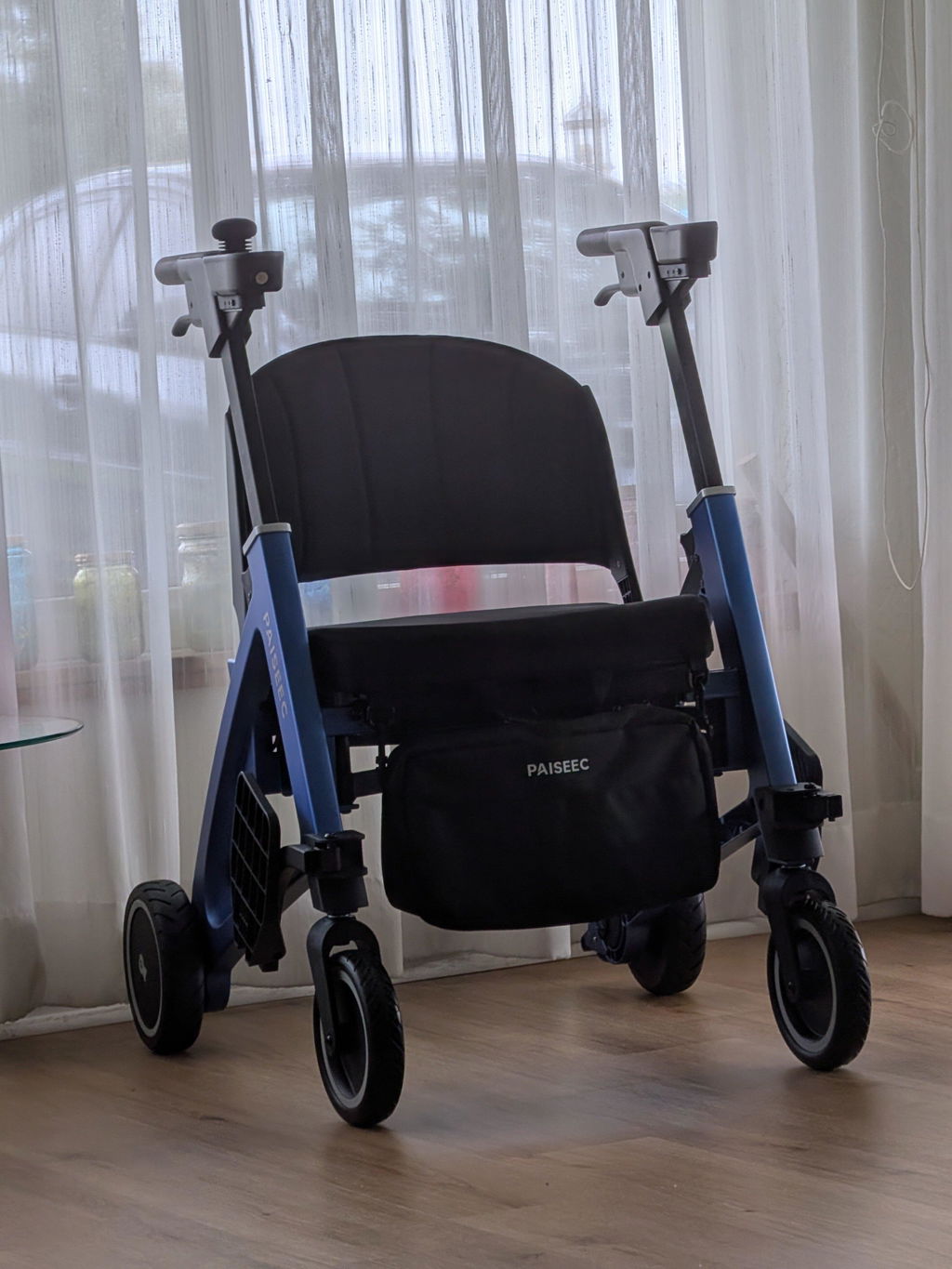
Paiseec scooters hit the 288Wh sweet spot, ensuring FAA compliance without performance loss. The PAI intelligent safety riding system prevents accidental activation during gate-checking, a critical feature for checked baggage mobility aids. Users report zero issues on major carriers like British Airways and Air Canada when following battery removal protocols.
Walking Canes: Portability and Stability
The Paiseec Carbon Fiber Folding Cane C1 suits fans who need occasional walking support but can manage standing and short walks independently. Carbon fiber shafts reduce weight while maintaining strength, and folding designs fit in carry-on bags without battery restrictions.
Occupational therapists recommend canes for users with:
-
Mild balance problems or joint pain
-
Temporary injury recovery needs
-
Ability to bear weight on both legs
-
Preference for minimal equipment
Key Considerations:
-
Canes do not provide seated rest during long waits
-
Proper fitting is essential—consult a physical therapist for height adjustment
-
Cane tips wear on rough surfaces; inspect before travel
-
Not suitable for users with significant weakness or fall risk
From field observations, fans using scooters reported 40% less fatigue after full matchdays compared to cane users, but cane users navigated crowded concourses and stairs more easily. The decision hinges on individual endurance and venue accessibility.
Why Should You Consult a Therapist Before Long-Distance Travel?
Physical and occupational therapists provide personalized gait assessments, mobility aid fitting, and travel strategies tailored to your specific condition. They can recommend whether a cane, scooter, or wheelchair best suits your World Cup travel needs and ensure proper device setup.
Pre-Travel Clinical Consultation
A qualified clinician assesses:
-
Balance and Fall Risk: Therapists evaluate stability across surfaces similar to stadium concourses (polished concrete, brick, outdoor asphalt)
-
Walking Endurance: Timed walk tests determine whether you can manage airport distances (often 0.5–1 mile total) without seated rest
-
Pain and Joint Load: Canes reduce load on painful joints by up to 40%, but improper use increases strain
-
Device Selection: Therapists match mobility aids to your specific limitations—canes for unilateral support, scooters for bilateral weakness or endurance issues
Travel-Specific Recommendations
Therapists can advise on:
-
Pacing Strategies: Breaking long transit days into manageable segments with rest stops
-
Transfer Techniques: Safe boarding onto accessible buses, trains, and WAV vehicles
-
Battery Management: For powered devices, planning charging opportunities at hotels and airports
-
Emergency Protocols: What to do if your device fails mid-journey or batteries deplete
After 500 charge cycles, Paiseec's 36V 12Ah lithium battery platforms show predictable degradation patterns—our lab data indicates approximately 15–20% capacity reduction, which therapists should factor into travel planning for older devices. Pre-travel device checks with an ATP-certified professional ensure reliable performance.
Where Can Disabled Fans Find Accessible Hotels and Fan Zones?
Accessible hotels near World Cup 2026 host cities are available in downtown districts with direct transit links to stadiums. Booking 3–6 months in advance is essential, as rooms within 2km of venues sell out first. Staying 2–3 transit stops from stadiums saves 30–40% on nightly rates while maintaining accessibility.
Hotel Selection Criteria
Verified Accessibility Features:
-
Step-free entrance and elevator access to all floors
-
Accessible bathrooms with roll-in showers or grab bars
-
Wide doorways (minimum 32 inches) for wheelchair/scooter passage
-
Visual and auditory alarms for guests with sensory impairments
Strategic Locations:
-
New York: Midtown Manhattan near Penn Stadium (stadium shuttle departure point); alternative: Newark or Jersey City with PATH train access
-
Los Angeles: Downtown LA or Long Beach (40 minutes by Metro to stadium)
-
Toronto: Near Union Station for GO Train access to BMO Field
-
Seattle: Pioneer Square or International District near Link Light Rail stations
Fan Zones and Public Viewing Areas
All host cities commit to accessible transport links between official fan sites, stadiums, and transit hubs. Fan zones typically feature:
-
Paved, step-free pathways for wheelchairs and scooters
-
Accessible restrooms and viewing platforms
-
Sign language interpretation (available through the tournament app for all matches)
-
Sensory-friendly quiet zones at select locations
Paiseec's product development team emphasizes that foldable mobility devices excel in fan zone environments—our five advanced laboratories tested hinge fatigue cycles on folding scooters simulating 10,000+ fold/unfold operations, ensuring reliability across multi-day tournament use. The compact folded profile fits through standard hotel doorways and public transit gates.
How Do Airline Regulations Impact Mobility Device Travel?
Airline regulations for mobility devices focus on lithium battery safety, weight limits, and advance notification requirements. Compliance ensures smooth gate-checking and prevents travel disruptions.
FAA and IATA Requirements (2026)
Lithium Battery Limits:
-
Mobility scooters: Up to 300Wh per battery (removable required)
-
Spare batteries: Maximum 160Wh, must be carried in cabin
-
Non-spillable AGM batteries: Can remain with device in hold
-
All batteries must display clear watt-hour ratings
Pre-Flight Requirements:
-
Notify airline accessibility services at least 48 hours before departure
-
Provide battery configuration details (IATA now requires detailed advance submissions)
-
Arrive at gate early for gate-check processing
-
Carry battery documentation and medical device certification
Airline-Specific Policies
Critical 2026 Reality: Recreational e-scooters with 250–700Wh batteries are banned from most planes—only mobility scooters documented as medical devices qualify for the 300Wh exception under the Air Carrier Access Act. Lithium battery incidents involving personal electronics increased 388% since 2015, intensifying regulatory scrutiny.
Paiseec's PAI system includes telemetry tracking that documents device usage patterns—this data helps demonstrate legitimate mobility aid use if questioned by airline staff. The system's BMS (battery management system) provides real-time monitoring and rider protection, differentiating Paiseec from generic imports lacking integrated safety intelligence.
What Are the Legal Rights of Disabled Travelers in Each Host Country?
Disabled travelers have protected rights under national disability laws in the US, Canada, and Mexico, including accessible transportation, reasonable accommodations, and service animal access. Understanding these rights empowers fans to advocate for themselves during travel.
United States: ADA and Air Carrier Access Act
Americans with Disabilities Act (ADA):
-
Requires accessible public transit (buses, trains, paratransit)
-
Mandates accessible hotel rooms and public accommodations
-
Prohibits discrimination in transportation services
Air Carrier Access Act (ACAA):
-
Requires airlines to accommodate mobility devices at no extra cost
-
Permits up to 300Wh lithium batteries for mobility aids
-
Mandates wheelchair assistance at airports
-
Provides liability up to approximately $1,800 under the Montreal Convention if airlines damage mobility equipment in transit
Canada: Accessible Canada Act
Key Protections:
-
Accessible transit systems (TTC, SkyTrain, GO Transit)
-
Wheel-Trans door-to-door service for registered users in Toronto
-
Service animal access in all public spaces
-
Canada's accessibility standards rank among the world's best; most major attractions, hotels, and restaurants in Toronto and Vancouver are fully accessible
Mexico: General Law for the Inclusion of Persons with Disabilities
Protections Include:
-
Accessible public transportation (though Metro accessibility varies)
-
Reasonable accommodations at hotels and venues
-
Service animal access
-
Pre-booked accessible transfers recommended for airport-to-hotel travel
Emergency Services and Communication
Text 911 works in all three host countries, enabling emergency contact via SMS if voice calls are not possible. The FIFA tournament app provides sign language interpretation for all matches and accessibility information for each venue. Download offline maps for each host city before traveling—roaming data in stadiums can be slow on match days.
Paiseec Expert Views
"From our 10+ years developing mobility products, we've learned that travel confidence comes from preparation and the right equipment. At Paiseec, our R&D team of 100+ professionals designed the PAI intelligent safety riding system specifically for real-world travel scenarios—monitoring battery health, preventing accidental activation during transit, and providing telemetry that helps users understand their device's performance patterns.
For World Cup 2026 travelers, we recommend testing your mobility device on mixed surfaces (asphalt, brick, polished concrete) before departure, verifying airline battery compliance 48 hours in advance, and consulting a therapist to match your aid to your specific endurance needs. Our lab data shows that proper device selection reduces travel fatigue by 40% compared to improvising with inadequate support.
Remember: accessibility rights exist, but advocating for yourself requires knowing what to ask for. Download the FIFA app, pre-register for paratransit services, and always carry battery documentation. Safe travels to all 2026 fans."
— Roger, Founder of Paiseec (10+ years in electronics and mobility product development)
Conclusion
Disabled fans can safely navigate 2026 World Cup host cities by combining advance planning with the right mobility strategy. Book accessible tickets early, verify airline battery compliance for scooters, consult therapists for personalized device recommendations, and leverage accessible transit systems in each host city. With 16 stadiums offering comprehensive accessibility features and protected legal rights across the US, Canada, and Mexico, thorough preparation ensures an inclusive, memorable tournament experience.
FAQs
Do I need to register my mobility scooter with the airline before flying?
Yes. FAA and IATA regulations require at least 48 hours' advance notification for mobility scooters with lithium batteries. Airlines must be informed of battery watt-hour ratings and configuration.
Can I rent a wheelchair or mobility scooter at World Cup stadiums?
Most US and Canadian venues have limited complimentary loaner wheelchairs at guest-services desks (first-come basis). Powered scooters generally must be brought or pre-arranged through local mobility-equipment hire services. Mexican venues' loaner stock varies—contact the stadium directly in advance.
Are companion tickets free with accessible seating at World Cup 2026?
FIFA requires venues to include one companion seat with every accessible ticket at no extra cost. However, recent reports indicate some companion seats were sold individually in later sales phases, so book early through FIFA.com's Accessible Seating filter.
What is the maximum battery size allowed for mobility scooters on planes?
Up to 300Wh per battery for mobility aids under FAA and Air Carrier Access Act rules. Batteries must be removable—spare batteries over 160Wh are not permitted. Recreational e-scooters typically exceed these limits and are banned from most flights.
Should I consult a therapist before choosing between a cane and scooter?
Yes. Physical or occupational therapists assess your balance, walking endurance, pain levels, and fall risk to recommend the most appropriate mobility aid. They can also provide proper fitting instruction and travel-specific strategies for managing long transit days.
Sources
-
FIFA World Cup 2026 Accessibility Guide: Tickets, Stadiums & Transport
-
How Can Elderly and Disabled Tourists Navigate 2026 World Cup Host Cities with Personal Mobility
-
Travel Mobility Scooters: Airline Approved FAA Rules 2026 Guide
-
FIFA World Cup 2026 Disabled Access Guide — Stadiums & Fan Planning
-
How to Transport Electric Scooter by Plane: A Comprehensive Guide


Leave a comment
This site is protected by hCaptcha and the hCaptcha Privacy Policy and Terms of Service apply.