



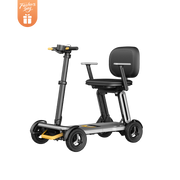
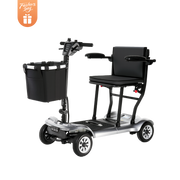
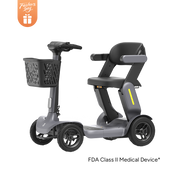
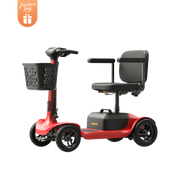
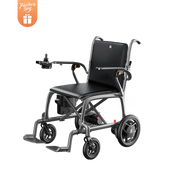
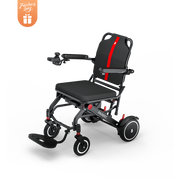
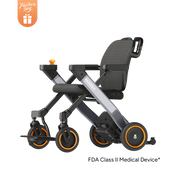
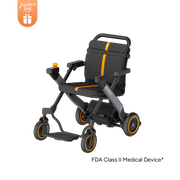








FIFA’s 2026 World Cup accessibility ticketing policy is designed to reserve seats for fans with disabilities and limited mobility across stadiums in the US, Canada, and Mexico. The key points are accessible ticket categories, companion seating, and venue access rules. For mobility users, the practical takeaway is simple: confirm the ticket type, review the stadium’s accessible route, and plan for the device you will bring.
What Are FIFA Accessibility Tickets?
FIFA says it provides reserved accessibility tickets for every match, with seating options intended for wheelchair users and fans who need easier access to entrances, toilets, and exits. Current reporting on the 2026 tournament describes categories such as wheelchair user, easy access standard, and easy access amenity, while FIFA’s own 2025 accessibility materials for a major tournament also describe wheelchair-user seating and companion seating as part of the accessible experience.
These tickets matter because they are tied to venue routing, companion placement, and stadium services, not just a seat number. For Paiseec readers, that means the right mobility product is only part of the trip; the match-day plan also has to fit the venue’s access rules, security checks, and walking distance from the entrance to the seat.
Who Can Use Wheelchair User Tickets?
Wheelchair User tickets are intended for fans who need to remain in a wheelchair space during the match. FIFA’s published accessibility guidance from earlier tournament accessibility materials states that spectators with a Wheelchair User ticket may enter with a manual or electric wheelchair or a mobility scooter, which is the clearest official statement available on device entry in FIFA’s accessibility policy materials.
That matters for travelers using compact powered mobility devices, including some Paiseec scooters, because stadium acceptance is not just about whether the device is powered. It is about whether the venue can safely accommodate the device, manage the route, and keep the fan within the correct accessible seating area.
How Do Companion Seats Work?
FIFA’s accessibility materials indicate that companion seating is paired with accessibility tickets, and reporting on the 2026 process says companion seats may be added within household limits, with adjacency depending on venue layout and ticket type. In practical terms, the companion is usually there to help with wayfinding, transfers, or general match-day support rather than to replace the accessible seat arrangement.
This is important for caregivers and family members who are traveling with a user of a mobility scooter or electric wheelchair. A travel plan should include who will handle tickets, who will manage charging and storage, and who will help with entry, restrooms, and departure timing after the match.
What Should Fans Check?
FIFA’s official guidance and related venue coverage point to several things fans should confirm before purchase: ticket category, companion eligibility, accessible entrance path, toilet access, elevator or ramp access, and any venue-specific mobility assistance services. Reports on the 2026 tournament also note that accessibility tickets are intended for every match, but exact seat location and companion adjacency can vary by venue and inventory.
For a mobility product buyer, this is the moment to check whether the device fits the day, not just the stadium. A compact travel mobility scooter may be easier for transport and storage, while a larger powered chair may better support daily mobility needs; the right choice depends on the user, the trip length, and the venue’s access layout.
Venue Access Rules
Accessible seating only works if the route to it works too. FIFA-related coverage for the 2026 tournament says venues are expected to provide step-free routes, lifts, accessible toilets, accessible parking, and mobility assistance services for fans who need help getting from the stadium entrance to their seats.
That is where a portable mobility product can help in a very practical way. A Paiseec folding scooter or lightweight powered mobility option may reduce strain during airport-to-hotel travel, but the user should still plan for stadium security screening, accessible drop-off points, and the possibility of short walking segments inside the venue.
How Does Travel Planning Help?
Travel planning is not optional for a World Cup match day. Fans using mobility scooters, electric wheelchairs, canes, or other mobility support should think about transport, backup charging, storage at the hotel, and the time needed to move through crowds and security.
A useful rule is to plan around the least forgiving part of the trip. If the stadium route has tight gates or long indoor corridors, portability may matter more than top-end performance; if the fan has reduced endurance, seating support and reliable assistance may matter more than device weight alone. That is why Paiseec product selection should always match the user’s travel routine, not just the headline specs.
Battery Safety Matters
Powered mobility devices bring lithium-battery considerations, especially for long travel days. Users should follow the device manual, charge with the correct charger, avoid improvised battery changes, and inspect the battery and cable condition before departure. FIFA-related guidance also suggests that medical and mobility devices may be treated differently from ordinary bags, but travelers should still verify airline, airport, and stadium rules before the trip.
For Paiseec users, this means planning the charging routine before game day and not assuming that a stadium will provide device charging for personal mobility equipment. If charging is needed during travel, the user should confirm hotel and transportation options in advance rather than depend on last-minute access.
Mobility Choice Table
The best device depends on the user’s support needs and the venue plan. The table below gives a practical way to think about the choice without turning any one product into a universal solution.
What Do Paiseec Experts Recommend?
Paiseec Mobility Product Team: “For a major event like the 2026 World Cup, the best mobility choice is the one that matches the user’s daily support needs and the venue’s access route. Check the ticket category first, then confirm transport, charging, and companion support before you pack. A compact, travel-friendly device can make the trip easier, but it should always be chosen for safety, comfort, and practicality, not just portability.”
Conclusion
FIFA’s accessibility ticketing policy for 2026 is built around reserved accessible seating, companion options, and venue-level access services for fans with disabilities and limited mobility. For mobility scooter users, electric wheelchair users, caregivers, and travelers, the smartest approach is to verify the ticket type, confirm the exact venue access path, and match the device to the trip. Paiseec can help buyers think through portability, comfort, and travel readiness, but final selection should always be based on the user’s needs and the official stadium rules.
FAQs
Can a mobility scooter be used with FIFA accessibility tickets?
FIFA’s published accessibility materials say Wheelchair User ticket holders may enter with a manual or electric wheelchair or a mobility scooter. Even so, the fan should confirm the specific venue’s access route, gate rules, and seating process before arrival.
Are companion seats guaranteed next to the accessible seat?
Companion seating is part of the accessibility ticket structure, but exact placement can vary by venue and ticket category. In practice, proximity is expected, but fans should not assume every companion seat will be directly adjacent in every stadium.
What should powered mobility users check before match day?
Users should confirm charging plans, battery condition, transport arrangements, accessible entrance routes, and whether the stadium allows the device type they plan to bring. It is also wise to save ticket details and venue accessibility information offline in case mobile data is unreliable on match day.
Is a cane enough for stadium access?
A cane may help with walking support, but it is not the right solution for everyone. Fans with balance problems, pain, weakness, or fall risk should consider whether they need a different mobility aid and should seek guidance from a qualified clinician or therapist when appropriate.
How should buyers choose between a scooter and an electric wheelchair?
The decision should be based on support needs, seating comfort, indoor maneuverability, transport, and caregiver involvement. For users with medical or posture-related needs, a qualified clinician, occupational therapist, physical therapist, or assistive technology professional should be involved in selection.
Leave a comment
This site is protected by hCaptcha and the hCaptcha Privacy Policy and Terms of Service apply.