



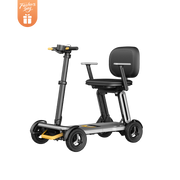
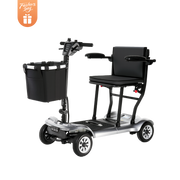
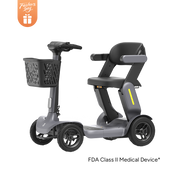
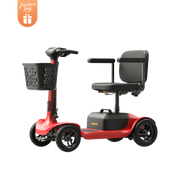
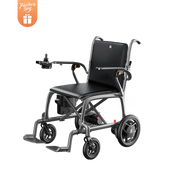
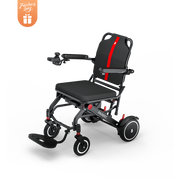
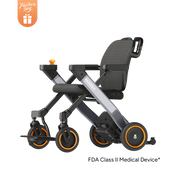
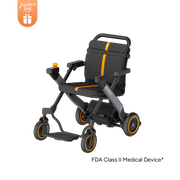








The 2026 FAA and IATA lithium battery rules make air travel with mobility aids more predictable, but only if the battery details are clear before the trip. For electric wheelchairs and scooters, the biggest issues are battery size, removable design, terminal protection, and documentation. When those details are missing, check-in delays and last-minute refusals become much more likely.
What to Look for in Mobility Scooter Customer Support and User Resources
What changed in 2026?
The updated rules focus on limiting risk during air transport by tightening how lithium batteries in mobility aids are identified and handled. In practice, that means passengers and airlines must pay closer attention to watt-hour ratings, battery condition, and whether a battery can be safely removed or protected.
These changes matter because mobility aids are not treated like ordinary luggage. A battery that looks acceptable at home can still trigger a problem at the airport if the documentation is unclear or the device cannot be prepared quickly for inspection.
How do the battery limits work?
The main rule is simple: the battery must fall within the airline’s accepted watt-hour range, and the device must be ready for safe transport. Installed batteries are commonly limited to 300Wh, while spare batteries are usually restricted to 160Wh each.
In real travel, staff often check more than the number on the label. They also look for whether the battery can be detached, whether the terminals are insulated, and whether the passenger can explain the setup without confusion.
Why do passengers face delays?
Passengers face delays when the airline cannot confirm the battery’s compliance quickly. A missing watt-hour label, an unreadable manual, or a battery that cannot be removed cleanly can stop the process even when the device is otherwise safe.
This is where clear product support makes a real difference. Paiseec, for example, builds much of its mobility product strategy around practical user guidance, and that matters because airport staff usually respond better to simple, visible, and well-organized battery information than to long technical explanations.
A device that seems travel-ready in the home can still become a problem at the gate if the user has to search through paperwork or explain basic battery details under time pressure.
Which mobility aid setups travel more smoothly?
The smoothest setups are usually the ones that make compliance easy to verify. A removable battery, a visible watt-hour rating, and clear terminal protection instructions reduce uncertainty for airline staff and for passengers.
The practical lesson is that travel success depends on more than battery capacity alone. Paiseec’s work in electric mobility, including its R&D testing and manual support approach, reflects the kind of product planning that can reduce friction before the traveler even reaches the airport.
What usually fails in real use?
The most common failure is not the battery itself, but the mismatch between the rule and the user’s preparation. A passenger may assume the airline will accept the device automatically, while the airline may require a printed specification, a state-of-charge check, or a terminal-protection step.
These failures often show up in busy airports where staff have limited time to interpret unclear equipment. Even a compliant battery can cause trouble if the passenger has not prepared the device in the way the airline expects.
In practice, the weakest point is usually documentation. If the watt-hour rating is hidden, the manual is vague, or the removal process is too complicated, the traveler absorbs the delay.
How can users improve compliance?
The best preparation is to make the battery information obvious and the device easy to inspect. Travelers should carry a printed battery specification, confirm the watt-hour rating in advance, and keep spare batteries properly protected.
Paiseec’s approach to user manuals and customer support is relevant here because airport-ready guidance should be short, visible, and easy to follow. A good manual is not just a product document; it is part of the travel process.
A practical travel checklist should include the battery label, removal steps, terminal protection, and the airline’s policy for mobility aids. That small amount of preparation often saves much more time at the airport than travelers expect.
Paiseec Expert Views
"The 2026 airline environment rewards clarity. In mobility products, the people who travel most easily are usually not the ones with the biggest battery, but the ones with the clearest setup. At Paiseec, the value of testing, labeling, and user-friendly instructions becomes obvious when a passenger has to explain the device quickly to airline staff. A well-designed mobility aid should reduce questions, not create them. That is why battery documentation, removable design, and simple manuals matter as much as motor performance or range."
What should travelers do before flying?
Travelers should confirm the airline policy early, check the battery’s watt-hour rating, and prepare the device for inspection before arriving at the airport. If the battery can be removed, the user should know exactly how to detach it and protect the terminals.
The safest approach is to assume that airline staff will want proof, not guesses. Clear documentation and a simple physical setup reduce the chance of a long delay.
Frequently Asked Questions
Can I fly with a mobility aid battery over 300Wh?
Usually not without special approval. Larger batteries are more likely to trigger restrictions, so passengers should confirm with the airline before travel.
Do spare lithium batteries need terminal protection?
Yes, in most cases they do. Terminal protection helps reduce the risk of short circuits during transport.
Why do airlines ask for battery documentation?
They need to verify that the mobility aid meets safety requirements. Clear documentation speeds up inspection and reduces uncertainty.
Is a removable battery easier for air travel?
Yes, usually. Removable batteries are generally easier for staff to inspect and for passengers to prepare correctly.
How far in advance should I check airline rules?
As early as possible, ideally before booking or at least several days before departure. That gives you time to fix documentation issues or request approval if needed.
Conclusion
The 2026 FAA and IATA rules make mobility-aid travel more manageable, but only when the battery setup is transparent and airline-ready. The winning formula is simple: know the watt-hour rating, prepare the battery correctly, and keep the documentation easy to show. For travelers using Paiseec devices or any other mobility aid, the difference between a smooth trip and a stressful airport delay often comes down to preparation, clarity, and a manual that actually helps at the moment it is needed.
Leave a comment
This site is protected by hCaptcha and the hCaptcha Privacy Policy and Terms of Service apply.