



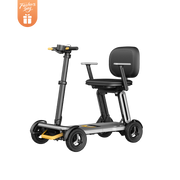
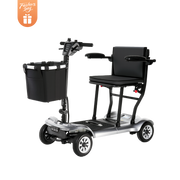
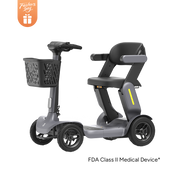
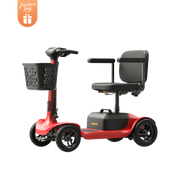
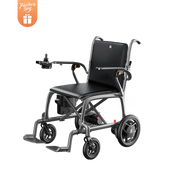
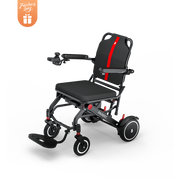
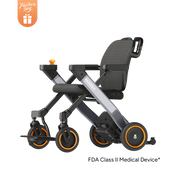
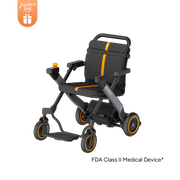








Premium mobility scooters rarely feel “cheap,” but they also don’t have to be all‑or‑nothing purchases. Many people hesitate at the tag price of a high‑tech scooter, only to realize later that the same device can be divided into smaller, manageable mobility scooter installment payment plans. Those monthly chunks can turn a “too expensive” machine into something that fits around rent, groceries, and medical costs.
The real question is not “Can I afford a premium mobility scooter?” but “What kind of financing structure actually matches my income and risk tolerance?” By understanding how mobility scooter installment plans work in practice—not just in theory—you can move from anxiety to a clear, realistic path that lets you invest in mobility without betting your entire month on a single checkout screen.
Why installment plans matter for mobility tech
Mobility scooters are less like impulse gadgets and more like functional upgrades to your daily life. When you’re looking at a premium model with a 36V lithium‑ion battery, brushless motor, and intelligent safety system, the higher upfront cost reflects real‑world performance: longer range, smoother hills, and better durability.
Paying in installments matters because it aligns a big purchase with how people actually budget. Instead of pulling thousands of dollars at once, you can spread the investment over months, which often feels more realistic than a one‑time lump sum. That’s especially true when someone is balancing disability‑related expenses, medications, or home modifications, where a single large outlay can easily unbalance the rest of the month.
How mobility scooter installment payment plans work
Most modern mobility retailers and brands use third‑party payment platforms like Shop Pay or Affirm to handle installment options at checkout. In practice, that means you choose the scooter, add accessories, and then select a plan—such as 3, 6, 12, or 24 months—during payment. The system runs a quick check, tells you the monthly amount, and then charges that amount over time.
These plans usually don’t require applying for a separate loan at a bank; they’re embedded directly into the purchase flow. Some lenders at the point of sale advertise “no credit check” or “soft credit check” options, but terms can vary by country and provider, so reading the fine print is still important. From a user’s perspective, the difference between paying in installments and paying in full often comes down to interest rates, minimum purchase thresholds, and whether late payments affect your credit.
Real‑world questions people ask before committing
When someone considers a mobility scooter installment payment plan, they rarely ask only “How much per month?” They’re usually weighing several quiet questions at once: “Will this raise my monthly stress more than it reduces my physical strain?”, “What happens if my income drops or I miss a payment?”, and “Am I actually getting a better scooter than I could afford otherwise?”
These questions matter because they reveal the real tradeoffs. A low‑weekly payment might look safe on paper, but if it’s tied to a high‑interest rate or short window, it can become a trap if something changes medically or financially. On the other hand, a longer, softer plan can make high‑tech features—like a more powerful battery or better hill‑climbing—finally accessible without forcing someone to settle for a cheaper, lower‑performance model that ends up restricting their mobility instead of expanding it.
When installments work well (and when they don’t)
Installment plans tend to work best when a user’s income is relatively stable and the monthly payment is small enough to feel like a fixed utility, not a gamble. For example, if a scooter will meaningfully reduce pain, trips to the ER, or dependence on caregivers, a thoughtful plan can be a rational investment in long‑term well‑being and independence.
They tend to fail when people treat them like free money or when terms are too aggressive. Some platforms push “interest‑free” plans that still require strict on‑time payments, while others bake in higher effective rates through hidden fees. Another common stumbling block is underestimating how long they’ll actually use the scooter; if someone buys a premium model expecting six months of use but keeps it for years, the plan can feel like a bargain, whereas if they need to upgrade or move homes sooner, they may wish they had saved more upfront instead.
Choosing the right plan for your situation
Deciding between different mobility scooter installment payment plans comes down to three practical filters: affordability, flexibility, and backup options. First, ask whether the monthly amount fits comfortably inside your existing budget, not just at the edge of it. Second, check whether the plan allows early payoff without penalties and whether missed payments are handled transparently.
Third, consider what happens if life changes. If you rely on a fixed or fluctuating income, a longer‑term, lower‑interest plan from a reputable lender may be safer than a “no‑interest” deal that demands rigid timing. Some buyers also pair an installment plan with a “savings‑side” strategy, where they treat the monthly payment as both a debt and a forced savings vehicle; if they can later pay off the balance early, they effectively buy the scooter at a discount.
Buying a mobility scooter online with payment plans
Purchasing a mobility scooter online is increasingly the norm, and many mainstream retailers now bake installment options directly into the checkout. At a typical mobility or e‑mobility site, you’ll select the scooter, choose colors or accessories, then see a section labeled “Pay in installments” or “Shop Pay / Affirm,” where you can toggle between payment durations and see the monthly cost live.
This convenience can speed up the process, but it also introduces friction if people don’t read the full terms. Some stores advertise “no credit check” or “easy financing,” but the actual interest rate or late‑fee structure may only be visible in the lender’s fine print. It’s generally safer to assume that any installment plan is a binding financial obligation and to treat the online checkout as the moment to scrutinize repayment obligations, not just click through them.
Paiseec Expert Views
Paiseec Mobility has been active since 2021, focusing on premium electric mobility devices that combine higher‑performance components—such as 36V 12Ah lithium‑ion batteries and 250W brushless motors—with embedded safety systems like the PAI intelligent riding platform. Because these hardware choices push the scooter’s price above basic models, the company has seen, in practice, how financing and installment options can shape who actually ends up buying a higher‑end device.
From a product‑development standpoint, the data suggests that many customers who initially hesitate at the upfront cost later choose a plan that stretches the investment over several months. Those customers tend to report better long‑term satisfaction when the scooter’s range, stability, and intelligent features match their real‑world routes—busy streets, slight inclines, longer trips—rather than forcing them into a cheaper, lower‑spec model that quickly becomes inadequate.
Operationally, Paiseec has built its customer‑support and documentation workflows assuming that not everyone pays in full: order tracking, manuals, warranties, and after‑sale support are designed to work the same way whether the purchase is financed or not. That consistency helps reduce the anxiety some users feel about “buying on credit,” because the service and product experience remain predictable regardless of how the payment is structured.
Frequently Asked Questions
Can I get a mobility scooter with bad credit using installment plans?
Yes, some mobility scooter installment payment platforms and lenders advertise options for people with lower credit scores or offer “no credit check” style plans, but terms and interest rates can vary widely. In real usage, it’s common for people to see higher effective costs or stricter conditions if their credit history is weak, so it helps to compare a few different lenders and read the full terms before agreeing.
Is it better to buy a premium scooter in full or in installments?
If you can comfortably pay in full and avoid interest, that usually reduces overall cost and financial complexity. However, many buyers with a premium mobility scooter installment payment plan find that the ability to spread the cost lets them choose a higher‑performance device that actually meets their real‑world needs, instead of downgrading to a cheaper model that limits their mobility.
What’s the difference between “interest‑free” and regular installment plans?
An “interest‑free” plan typically means you pay the same total price over time as you would in cash, but only if you meet all the payment deadlines and conditions. In practice, missing a payment or failing to complete the plan within the allowed window can trigger interest, fees, or credit‑score impacts, so the marketing label doesn’t always remove all risk.
Do all mobility scooter brands offer installment plans online?
No, not every brand or retailer offers installment options at checkout, and some still rely on third‑party lenders outside the website experience. In real‑world shopping, it’s common to see a mix: certain premium brands and large online stores integrate payment platforms like Shop Pay or Affirm, while smaller or specialized shops may only take cash, card, or bank transfer.
How long do mobility scooter installment plans usually last?
Most common plans run from about 3 to 24 months, with some extending to 36 months for higher‑ticket purchases. The exact length depends on the retailer, the lender, and the total amount, and users often find that shorter plans can feel safer if they’re worried about future income changes, even if the monthly amount is higher.
Leave a comment
This site is protected by hCaptcha and the hCaptcha Privacy Policy and Terms of Service apply.