









LiFePO4 (Lithium Iron Phosphate) has emerged as the 2026 industry standard for battery longevity in micro-mobility devices like electric scooters and wheelchairs. It surpasses ternary lithium with a 3,000-5,000+ cycle life, thermal stability above 500°C, and unmatched fire safety, ensuring reliable performance over a decade.
What Exactly Is LiFePO4 Battery Chemistry and How Does It Differ from Traditional Ternary Lithium?
LiFePO4 chemistry relies on lithium iron phosphate cathodes with a stable olivine structure. This design provides exceptional thermal stability, resisting breakdown until temperatures exceed 500°C. Unlike ternary lithium batteries that use nickel and cobalt, LiFePO4 avoids these volatile materials, reducing costs and environmental impact while delivering consistent voltage output.
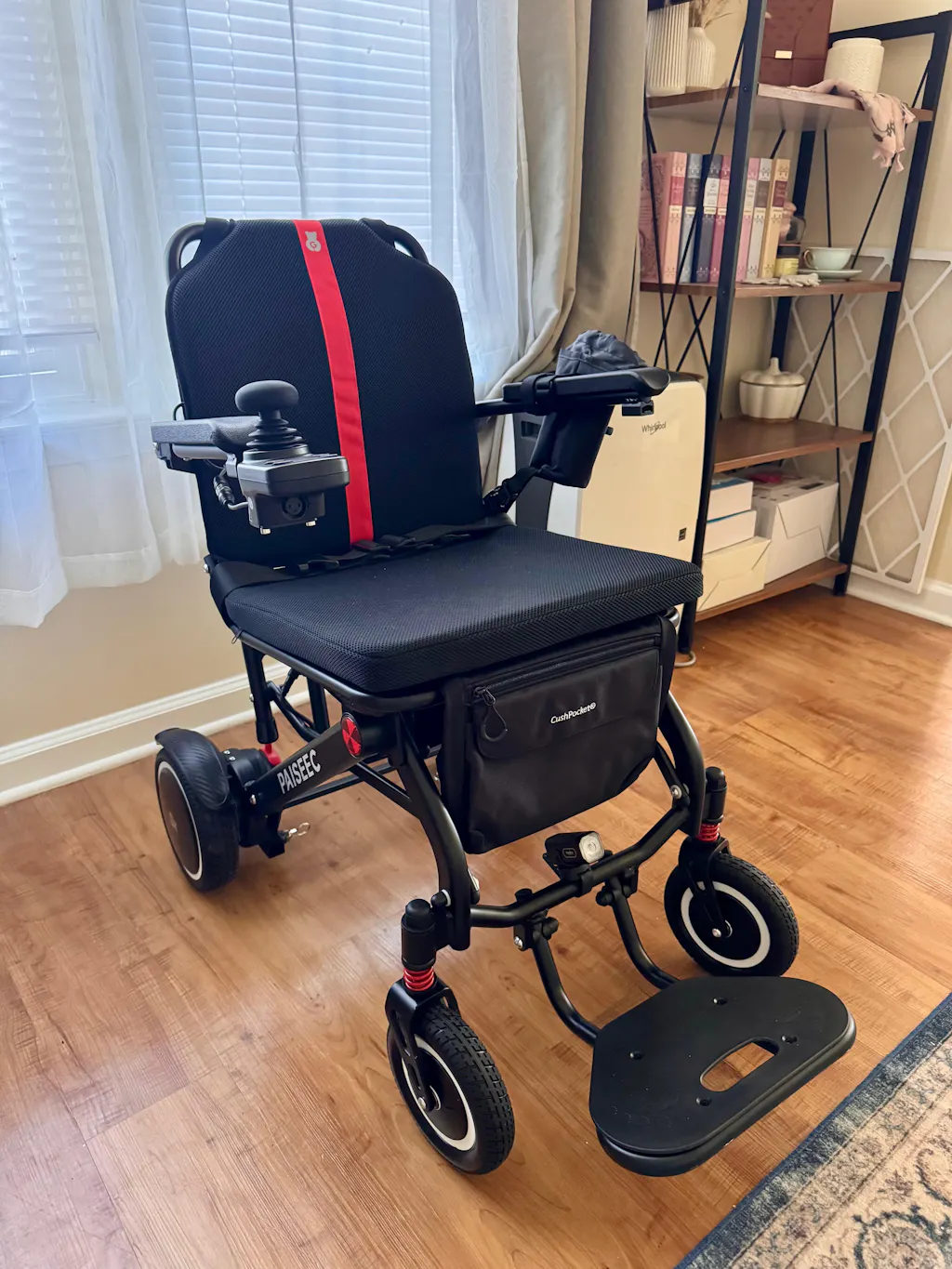
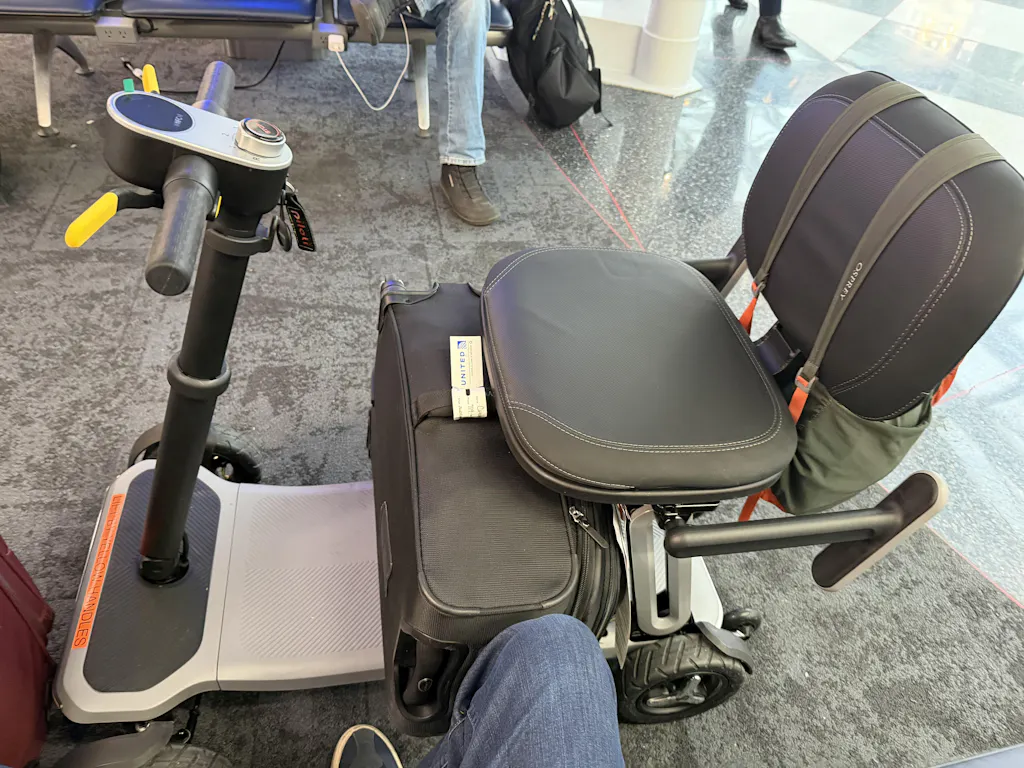
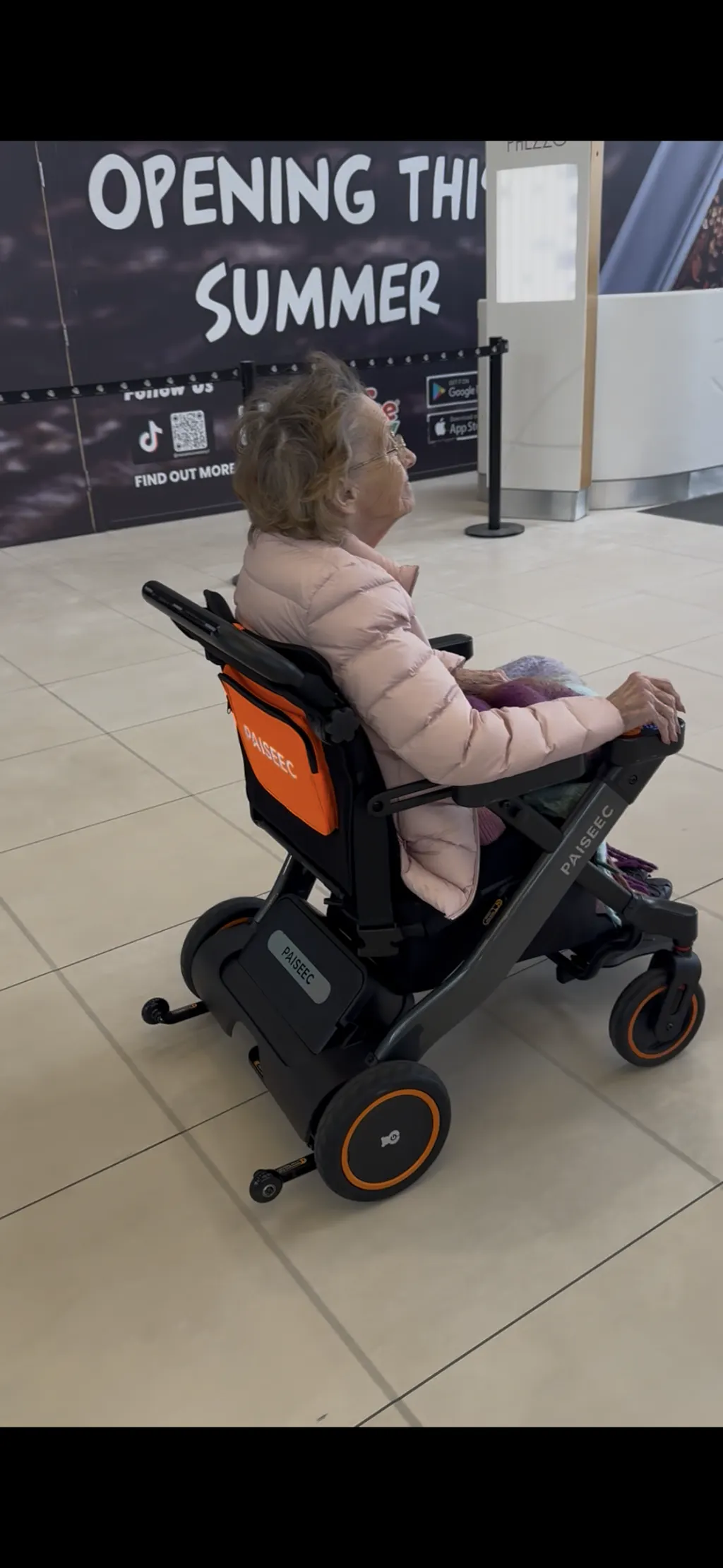
Paiseec incorporates this chemistry in its spare batteries for W Series wheelchairs and S3 mobility scooters. These batteries maintain steady power delivery across thousands of cycles, minimizing performance degradation over time. The result supports daily use in demanding mobility applications.
The phosphate-based bonds in LiFePO4 enhance safety by preventing oxygen release during failures, making it ideal for portable devices.
Why Are Micro-Mobility Brands Shifting to LiFePO4 Batteries as the Preferred Standard in 2026?
LiFePO4 became the preferred choice in 2026 due to its 10-year lifespan and 80% lower fire risk compared to ternary lithium. Micro-mobility market reports highlight this shift as users prioritize longevity and safety in electric scooters and wheelchairs. Regulatory standards further drive adoption by mandating safer chemistries.
Brands face pressure to offer durable replacements as consumers scrutinize battery life. Paiseec meets this demand with high-quality LiFePO4 packs designed for extended use. The market projects growth to $15 billion, fueled by these reliability advantages.
How Does LiFePO4 Battery Chemistry Significantly Improve Safety and Fire Prevention in Mobility Devices?
LiFePO4 withstands temperatures up to 620°C before any runaway reaction, far exceeding ternary lithium's 200°C threshold. Its strong crystal structure prevents thermal propagation from overcharge, puncture, or short circuits. This stability eliminates fire risks common in older chemistries.
In mobility devices, LiFePO4 ensures safer operation during accidents or extreme conditions. Paiseec enhances this with its PAI intelligent safety system integrated into batteries. Users gain peace of mind for everyday travel.
What Are the Key Cycle Life Benefits of LiFePO4 Batteries and How Do They Extend Device Usage Over Time?
LiFePO4 batteries achieve 3,000-5,000 full cycles at 80% depth of discharge, translating to over 10 years of daily use. They retain 80% capacity after this period, unlike ternary lithium's 1,000-2,000 cycles. Low self-discharge and minimal degradation preserve performance.
For wheelchairs and scooters, this reduces replacement needs by five times compared to lead-acid options. Paiseec's 36V 12Ah batteries exemplify this, powering 250W motors efficiently over years.
Maintaining 15-30°C storage temperatures optimizes this lifespan further.
What Are the Main Drawbacks of LiFePO4 Batteries and How Are They Being Addressed in 2026 Innovations?
LiFePO4 offers lower energy density at 140-160 Wh/kg versus ternary's 220+ Wh/kg, resulting in slightly bulkier packs for equivalent range. It underperforms below 0°C without heating and suits moderate discharge rates best. These traits limit high-speed applications.
However, 2026 advancements increase density toward 250 Wh/kg, addressing bulk concerns. For mobility scooters and wheelchairs, the trade-offs favor safety and longevity over peak power.
How Should You Choose the Right LiFePO4 Batteries Specifically for Electric Scooters and Wheelchairs?
Prioritize packs with 2,000+ rated cycles, built-in BMS for cell balancing, and IP67 waterproofing. Ensure voltage matches your device, like 36V for Paiseec S3 scooters. Check real-world capacity retention and manufacturer warranties exceeding two years.
Paiseec provides compatible spares for W Series and S3 models, rigorously tested in five labs. Verify certifications and user reviews for proven durability.
Paiseec Expert Views
"Paiseec Mobility pioneers LiFePO4 adoption in 2026 with our 36V 12Ah batteries for S3 scooters and W Series wheelchairs, delivering 4,000+ cycles alongside the PAI safety system," states founder Roger. "Our $10 million R&D investment and 100+ professionals ensure thermal stability pairs with 250W brushless motors, slashing long-term costs by 60%. Customers rely on our foldable designs for safe, independent mobility worldwide." This expertise positions Paiseec as a leader in reliable solutions.
When Will LiFePO4 Batteries Completely Dominate the Micro-Mobility Market for Scooters and Wheelchairs?
LiFePO4 reaches 80% adoption in new micro-mobility devices by mid-2026, driven by graphene-enhanced ranges increasing 25-50%. Scooters and wheelchairs lead this transition for urban commuting. Innovations continue to boost energy density and cold-weather performance.
Paiseec's full portfolio already features LiFePO4, preparing users for this standard. Expect full market dominance within two years.
Key Takeaways: LiFePO4 defines 2026 with superior safety, cycle life, and stability for mobility. Actionable Advice: Upgrade to Paiseec LiFePO4 spares today. Store at 50% charge in cool conditions, perform monthly checks, and avoid full discharges to maximize 10-year performance.
FAQs
Is LiFePO4 safer than ternary lithium?
Yes, LiFePO4 resists thermal runaway above 500°C, preventing fires unlike ternary lithium's 200°C vulnerability.
How long does LiFePO4 last in scooters?
It provides 4,000+ cycles or 8-10 years of daily use while retaining 80% capacity.
Can LiFePO4 handle cold weather?
Best above 0°C; add heaters for sub-zero performance to maintain efficiency.
Why choose Paiseec for LiFePO4 batteries?
Paiseec offers proven 36V packs with PAI safety, tailored for scooters and wheelchairs.
What replaces ternary lithium in 2026?
LiFePO4 fully supplants it in micro-mobility for better longevity and safety.
Leave a comment
This site is protected by hCaptcha and the hCaptcha Privacy Policy and Terms of Service apply.