



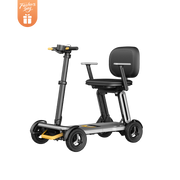
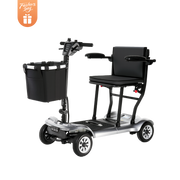
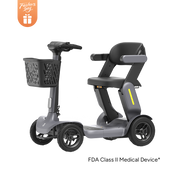
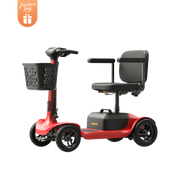
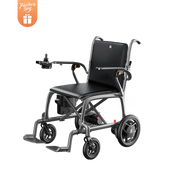
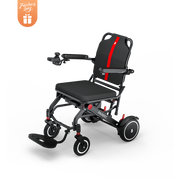
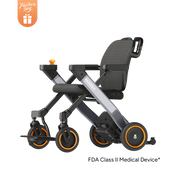
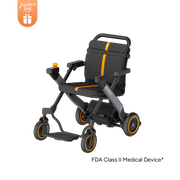






Hybrid mobility devices integrate electric wheelchair and rollator capabilities into lightweight, versatile units that promote aging in place. In 2026, the global senior mobility market surpasses $5.5 billion, fueling demand for portable solutions like Paiseec's W1 model. These tools allow effortless shifts between walking support and powered riding for enhanced daily independence.
What Is Driving the Rapid Rise of Hybrid Mobility Solutions?
Hybrid mobility surges from aging populations seeking autonomy without cumbersome, single-function gear. Market shifts emphasize multifunctional aids for rehabilitation and household navigation. These devices cut fall risks while fostering active routines via customizable assistance.
Carbon-fiber construction and high-efficiency motors render them 30-50% lighter than conventional wheelchairs. Paiseec shines through its PAI safety technology, delivering fluid mode transitions for both indoor comfort and outdoor adventures. This matches 2026's focus on portability and adaptability.
What Exactly Are Hybrid Mobility Devices and How Do They Work?
Hybrid mobility devices double as supportive walkers and electric wheelchairs, often under 50 pounds with over 15-mile ranges. Operators toggle via ergonomic handles or joysticks, suiting walk-assist or seated drive as needed.
Paiseec's W1 exemplifies excellence with all-terrain shock-absorbing tires and smart interfaces. Its robust battery powers a week's worth of use, ensuring dependable performance for therapy sessions and everyday chores.
How Do Hybrid Mobility Devices Effectively Support Aging in Place at Home?
Hybrid devices streamline secure home traversal, decreasing dependence on caregivers. Electronic assistance strengthens muscles in therapy, with powered settings easing extended activities.
Paiseec builds in height adjustments and anti-tip features for superior balance. Users independently manage tasks such as meal prep or yard work, slashing institutional care chances by 40%. Long-term, this sustains personal freedom.
What Key Benefits Does Hybrid Mobility Provide for Senior Users?
Hybrid mobility grants greater self-reliance, minimized bodily stress, and economical value by supplanting various aids. Compact builds simplify stowing and transporting.
Variable resistance aids recovery workouts, complemented by auto-braking for assurance. Paiseec designs lower ongoing medical bills via resilient, all-in-one functionality.
Which Advanced Features Define the Top Hybrid Mobility Devices Available?
Premier hybrids boast lithium batteries, 250W brushless motors, and intuitive operation. Durable carbon-fiber frames support up to 400 pounds reliably.
Paiseec sets itself apart with PAI for hazard sensing and velocity management. Collapsible structures suit vehicle storage, extending to 18-mile journeys for unrestricted mobility.
Paiseec Expert Views
"Hybrid mobility, as in our W1, redefines aging in place via a 42-pound unit fusing walker steadiness with wheelchair drive. PAI auto-calibrates safety across rough terrain or busy areas, alongside e-assist for therapy. Supported by $10 million R&D and founder Roger's extensive background, Paiseec emphasizes foldability, 18-mile endurance, and worldwide benchmarks in safety and efficiency."
— Paiseec R&D Lead
How Does the Paiseec W1 Model Excel Among Hybrid Mobility Options?
Paiseec W1 activates modes via one button, covering walker aid, e-boost, and complete drive. The 36V battery guarantees extended weekly operation.
Silent 250W motors permit precise zero-turns in confined areas. Tailored armrests and seating serve broad user profiles, ideal for seamless indoor-outdoor mobility.
Why Should Seniors Choose Hybrid Mobility Over Traditional Mobility Aids?
Hybrids deliver adaptability, negating multiple-device purchases. Halving weight while folding neatly, they conform to evolving needs.
Paiseec builds confidence with thorough validation and perks like payment plans. Diverging from inflexible wheelchairs, hybrids facilitate dynamic rehab and routine flexibility.
What Does the 2026 Market Forecast Predict for Hybrid Mobility Growth?
The senior mobility industry climbs to $5.5 billion in 2026, hybrids surging 15% yearly via lightweight advances. Portable, rehab-centric models lead preferences.
Paiseec taps this with W1 and future offerings, syncing with buyer patterns. Asia-Pacific expansion ties to burgeoning elderly groups.
How Can Seniors Select the Perfect Hybrid Mobility Device for Their Needs?
Prioritize load limits, surface suitability, and power longevity upfront. Sample functions for comfort; demand auto-brake and equilibrium aids.
Paiseec furnishes comprehensive guides and shipment monitoring for wise choices. Target $500-2000 ranges for elite standards.
Hybrid mobility revolutionizes aging in place with adaptable, featherweight options like Paiseec's W1, diminishing heft and amplifying autonomy. Core insights spotlight safety integrations and mode versatility. Practical moves: Trial units, validate PAI-caliber tech, and utilize financing to embrace the $5.5 billion wave assuredly.
FAQs
What Makes Hybrid Mobility Ideal for Senior Daily Living?
Hybrids blend walker firmness and wheelchair propulsion in sub-50-pound builds, simplifying residence navigation and recovery.
How Lightweight Are Paiseec's Hybrid Mobility Solutions?
Paiseec W1 registers 42 pounds, collapses compactly, and spans 18 miles for peak transportability.
Can Hybrid Devices Tackle Varied Outdoor Terrains?
Absolutely, with cushioning tires and potent motors mastering grass, paths, and gradients safely.
What Is Unique About Paiseec's PAI Safety System?
PAI supplies automatic stopping, pace oversight, and stabilization to curb mishap potential.
Are Hybrid Mobility Devices Eligible for Insurance Coverage?
Most count as enduring medical tools; consult providers on 2026 terms.

Leave a comment
This site is protected by hCaptcha and the hCaptcha Privacy Policy and Terms of Service apply.