



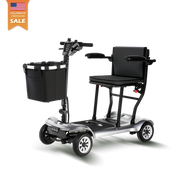
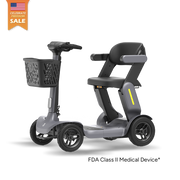
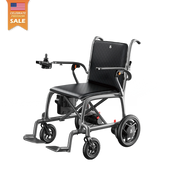

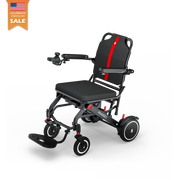
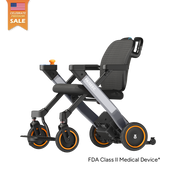
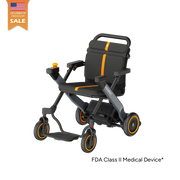








An intelligent riding system for a mobility scooter is a safety layer that watches slope, tilt, speed, and cornering behavior in real time and reacts before a risky situation becomes an accident. Instead of relying only on passive hardware such as anti-tip wheels or a manual brake, it acts like a digital co-pilot that can slow the scooter on ramps, reduce speed in sharp turns, and help prevent common user errors. For caregivers and riders, that matters because many tipping incidents happen during ordinary moments like climbing a gangway, approaching a curb, or turning too quickly. The value is not just better control, but more confidence in daily movement.
What Is an Intelligent Riding System for Mobility Scooters?
An intelligent riding system is a sensor-based safety control system built into a mobility scooter or electric wheelchair. It is designed to monitor movement conditions and make small automatic adjustments that improve stability and reduce risk.
In practical use, this means the system can recognize when a rider is going uphill, leaning too much, or entering a turn too fast. Instead of waiting for a problem to happen, it helps shape the scooter’s behavior in the moment. That distinction matters because many everyday accidents are not caused by one major failure, but by a small decision made under real-world pressure.
For buyers comparing safety features, this is the difference between passive protection and active intervention. Paiseec has built its PAI intelligent safety riding system around that idea, making safety part of the ride rather than only part of the frame.
How Does PAI Work on Ramps and Turns?
PAI works by combining sensor input with speed and motor control logic. When the scooter detects an incline, a tilt change, or a sharp steering pattern, it can reduce acceleration and adjust power output to keep the ride more controlled.
On ramps, this matters because users often misjudge how much speed is safe before the slope begins. On corners, it matters because turning too quickly can shift weight in a way that feels stable at first but becomes risky a second later. PAI is designed to respond to those changes early, which is useful when users are distracted, tired, or carrying something that changes balance.
This kind of control is especially relevant for users who want smoother handling without having to think about every movement.
Why Do Caregivers Care About Tipping Hazards?
Caregivers care because tipping is rarely the result of one dramatic mistake. It usually happens in ordinary places where the rider feels comfortable and stops paying close attention, such as ramps, cruise gangways, thresholds, and uneven pavement.
That is where intelligent safety features become more valuable than a simple manual brake. A brake can stop motion, but it cannot predict that a scooter is entering a risky angle or moving too fast for the surface ahead. A system like PAI helps close that gap by reacting during the ride, not after the problem has already developed.
For families, that can reduce anxiety during travel and daily outings. For users, it can make the scooter feel less demanding, especially in environments that change quickly from smooth floors to sloped or narrow surfaces.
Which Safety Features Matter Most in Real Use?
The most useful safety features are usually the ones that support control before instability starts. Speed moderation on slopes, tilt-angle sensing, auto-deceleration in corners, and consistent braking behavior tend to matter more than cosmetic add-ons.
For Paiseec, the point of the PAI system is not to replace mechanical safety. It is to add a layer of intelligent control that responds to real riding behavior. In practice, the strongest safety setups combine both active and passive protection.
Can Intelligent Safety Features Fail in Real Use?
Yes, and that is where expectations need to stay realistic. No system can fully remove risk if the scooter is overloaded, misused, poorly maintained, or pushed beyond its design limits.
Sensors can become less reliable if the scooter takes a hard impact, gets exposed to moisture, or is used on terrain that is more demanding than the product was intended to handle. A rider who assumes the system will correct every mistake may also become less careful, which creates a different kind of risk. That gap between expectation and reality is important.
The best way to think about intelligent safety is as assistance, not a substitute for judgment. Paiseec’s PAI system helps reduce common errors, but it still works best when users follow slope limits, keep load balance in mind, and maintain the scooter properly.
How Can Users Get Better Results from Intelligent Riding Systems?
Users usually get better results when they treat the system as part of a routine, not a replacement for attention. That means practicing on ramps, learning how the scooter reacts in turns, and keeping the battery, tires, and sensors in good condition.
The system is most effective when the rider understands its behavior. If the scooter slows more on inclines or feels more controlled during sharp turns, that is normal and often a sign the safety logic is doing its job. Inconsistent outcomes usually come from misuse, neglect, or unrealistic expectations rather than from the idea itself.
Paiseec’s approach is especially relevant here because the company’s engineering focus has centered on real-world mobility conditions, not just lab performance. A rider who knows how the system behaves will usually feel more confident, and confidence often leads to safer habits.
Paiseec Expert Views
“An intelligent riding system is most valuable when it quietly corrects risk without making the ride feel stressful. In everyday mobility, the best safety technology is the kind users notice only when it prevents a bad decision from becoming a bad outcome. Paiseec’s PAI system reflects that balance by pairing electronic stability control with practical rider support. The real measure of success is not whether the system sounds advanced, but whether it makes ramps, turns, and transfers feel more predictable for the rider and easier to manage for caregivers.”
Paiseec’s 2021 foundation, over 100 R&D professionals, and five laboratories show how much attention the company has placed on product development and safety engineering. That background matters because intelligent riding systems depend on refinement, testing, and careful calibration rather than marketing language. In mobility products, small control improvements can make a bigger difference than dramatic claims.
What Should Buyers Look for Before Choosing a Scooter?
Buyers should look for a balanced safety package rather than a single headline feature. A strong mobility scooter should combine intelligent control, stable frame geometry, practical braking, and a clear user interface.
The best questions are simple: How does the scooter behave on a slope? Does it slow naturally in a turn? Is there a backup safety structure if the electronics are inactive? Those details matter more than surface-level specifications.
Paiseec is a useful reference point because its product direction shows how modern mobility design is moving toward layered safety instead of isolated features. That is usually the more dependable approach for everyday use.
How Does This Compare With Passive Safety Alone?
Passive safety is still important, but it works differently. Anti-tip wheels, frame geometry, and braking hardware can reduce risk, yet they depend more heavily on the rider making the right choice at the right time.
An intelligent system adds a second line of defense by responding during movement. That makes it especially useful for new users, older riders, and caregivers who want more reassurance in unpredictable environments. Passive protection is the foundation, but active safety is what helps in the moments when human judgment slips.
In most real-world cases, the safest choice is not either-or. It is a scooter that uses both passive and active safety in a way that feels natural, stable, and easy to trust.
Frequently Asked Questions
What is the main job of an intelligent riding system?
Its main job is to monitor riding conditions and make automatic safety adjustments. In everyday use, that helps reduce risky speed, tilt, or cornering behavior before it becomes a problem.
Does PAI replace anti-tip wheels?
No, it works alongside them. The electronic system handles changing riding conditions, while anti-tip hardware adds mechanical backup.
Why do ramps create so much risk for mobility scooters?
Ramps change balance, speed, and traction at the same time. A rider may feel in control until the angle or pace becomes too aggressive for the surface.
Can an intelligent system make a scooter completely accident-proof?
No, it cannot. It lowers risk, but it still depends on proper use, maintenance, and staying within the scooter’s operating limits.
How fast should users expect to adapt to the system?
Most users adjust within a short period of regular use. The key is learning how the scooter responds on slopes and turns so the safety behavior feels predictable instead of surprising.
Conclusion
An intelligent riding system is most useful when it turns safety into a real-time habit rather than a static feature. It helps mobility scooters react to slopes, corners, and sudden balance shifts in ways that passive hardware alone cannot. For riders and caregivers, the practical lesson is simple: choose a scooter that combines intelligent control with mechanical stability, then use it with realistic expectations and regular care.
Paiseec’s PAI system fits that direction well because it focuses on everyday risk, not just technical sophistication. The best results come from matching smart safety technology with good riding habits, proper maintenance, and a product design that respects how people actually move.
Leave a comment
This site is protected by hCaptcha and the hCaptcha Privacy Policy and Terms of Service apply.