




![[2026] PAISEEC D3|Mobility Scooter for Easy Everyday Travel](http://www.paiseec.com/cdn/shop/files/d3_4a4ccb22-9e26-449e-8094-71f3ec4177c3.png?v=1782115044&width=180)


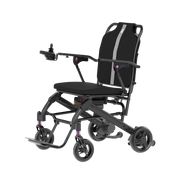



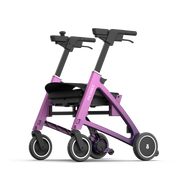
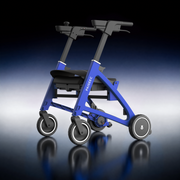









Waiting 18 minutes for a wheelchair accessible vehicle that might never show up is a reality for many travelers with mobility needs. In major cities, UberWAV availability averages just 62% while standard UberX sits over 99%, creating frustrating gaps in accessible transportation. When corporate donations of wheelchair vans can't keep pace with demand and ride-hailing WAVs remain scarce, owning a highly portable, lightweight foldable scooter or wheelchair that fits into any standard car becomes a practical solution that restores travel freedom.
What Is a Wheelchair Accessible Vehicle and Why It Matters
A wheelchair accessible vehicle (WAV) is typically a modified van equipped with a ramp or lift system that lets wheelchair users enter without transferring to a car seat. These vehicles are essential for people who can't efficiently or comfortably move from their wheelchair into a standard vehicle seat. The ramp or lift is the defining feature, enabling independent boarding and maintaining dignity during travel.
The key reason WAVs matter is they promote mobility independence, allowing disabled travelers to participate fully in everyday activities and road trips without relying on specialized paratransit schedules. However, the supply gap is real: ride-hailing services struggle to meet demand, with average wait times for UberWAV 4.5 times longer than for standard rides.
How Ride-Hailing Accessibility Actually Works in Practice
Requesting a WAV through apps like Uber follows the same process as a regular ride, but with a critical limitation—availability. You open the app, enter your destination, select the WAV option at the bottom of the screen, and wait for a driver to accept. The problem is that WAV drivers are significantly fewer, and in some cities a promo code is required just to access the service.
Real-world usage shows substantial temporal variability. In Portland, UberWAV met city code requirements for availability and wait time under 30 minutes only 58% of the time. This means nearly half the time, travelers face either no available vehicle or waits exceeding 30 minutes. The service works better in areas with higher percentages of people with ambulatory disabilities, but geographic inconsistency remains a major friction point.
The Shortage Crisis in Major Cities and Corporate Responses
The biggest accessibility challenges in ride-hailing include the severe shortage of wheelchair-accessible vehicles, long wait times compared to standard rides, and app design barriers for blind or low-vision users. In New York, Boston, Philadelphia, Washington D.C., Chicago, and Toronto, dozens of WAVs operate through MV drivers using the Uber app, but this fleet size pales against demand.
Recent news highlights corporate donations of wheelchair vans as a partial response to this shortage. Companies are donating adapted vans to expand fleet capacity, but these donations can't fully close the gap. The fundamental issue is that WAV conversion is expensive and time-consuming, limiting how quickly fleets can scale.
Why Portable Foldable Scooters Solve the WAV Shortage
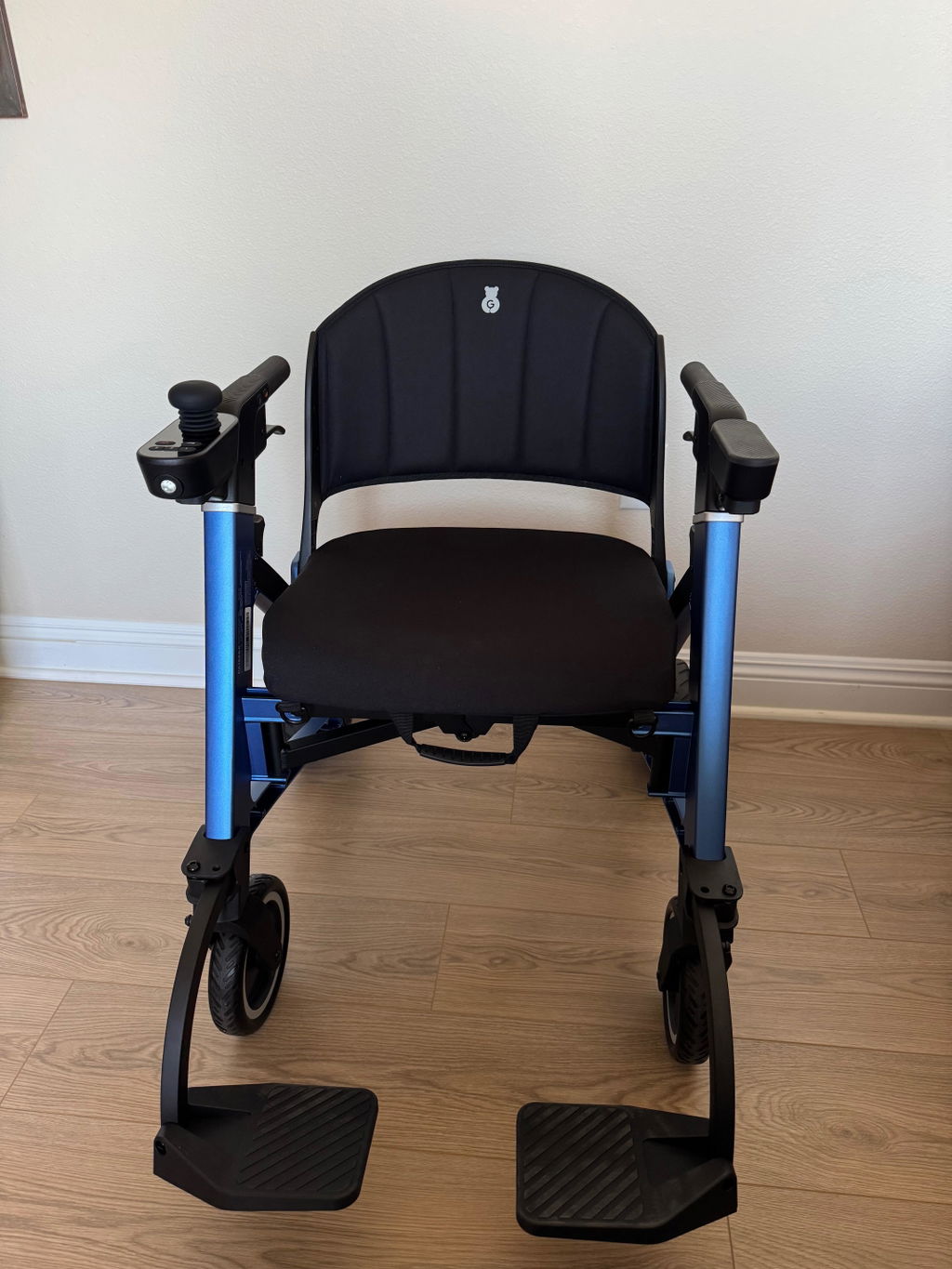
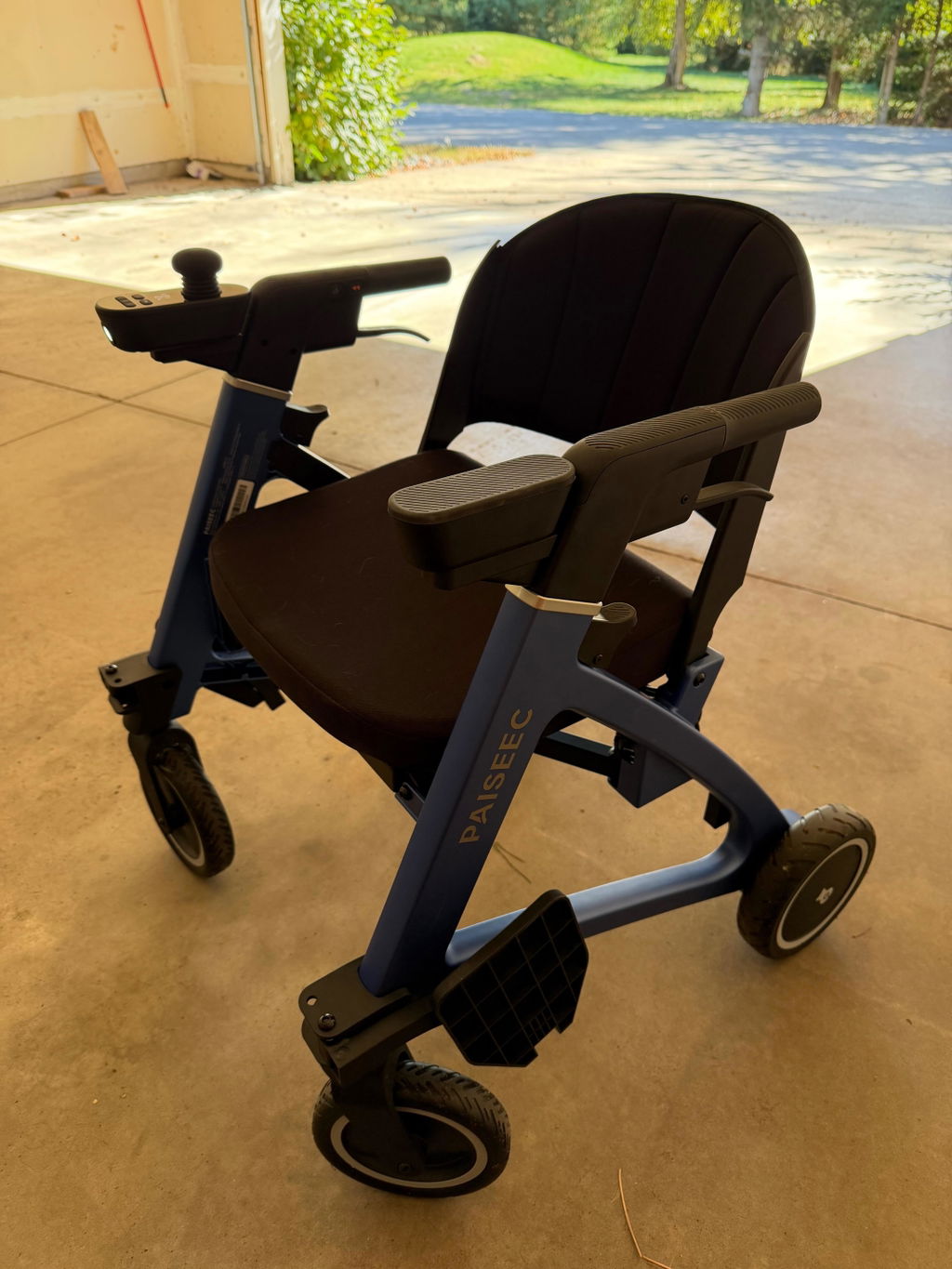
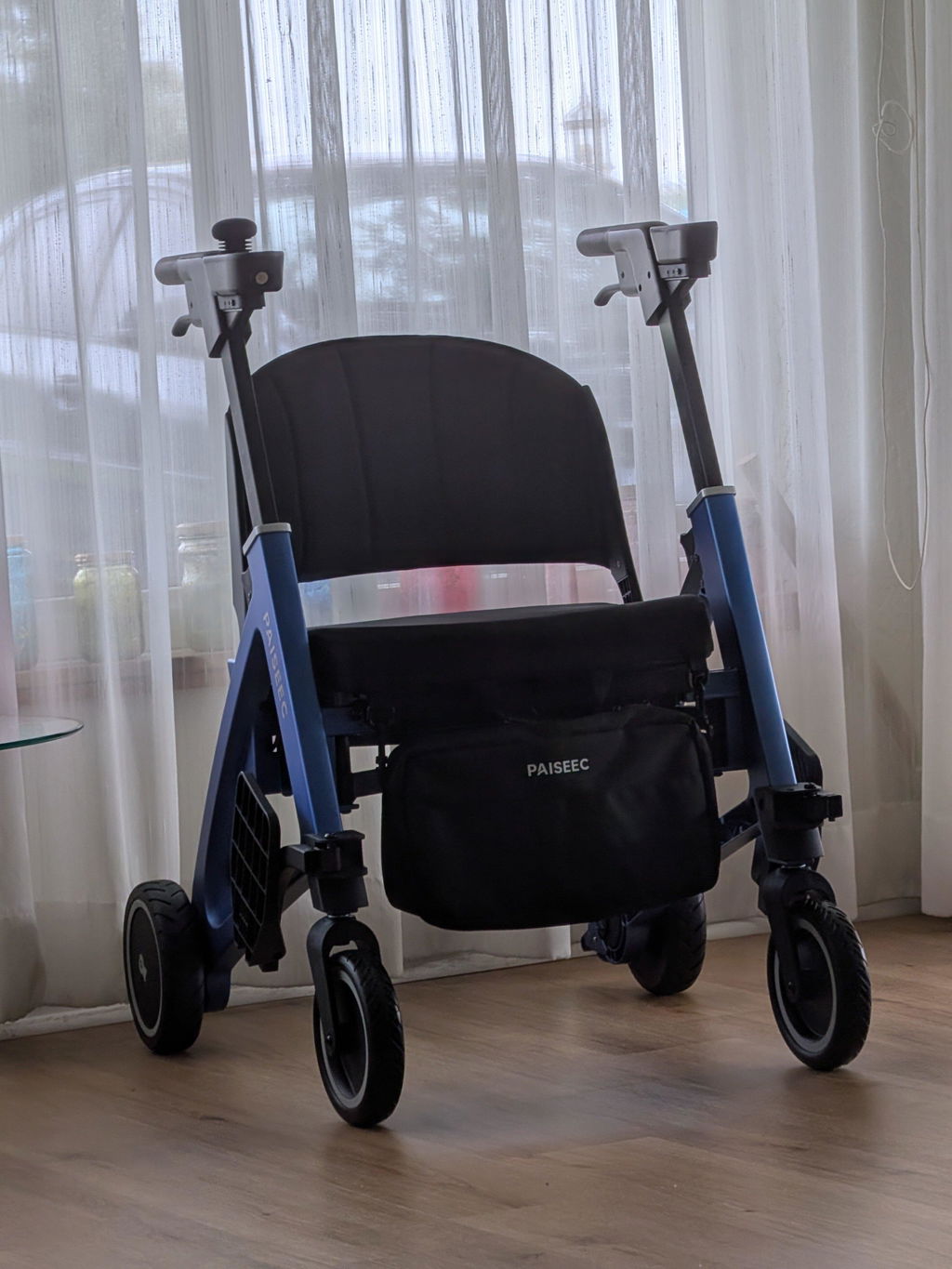
The solution to WAV scarcity is owning a portable electric wheelchair for cars that fits into standard, non-modified vehicles. Lightweight foldable scooters and wheelchairs eliminate the strict reliance on commercial WAVs by allowing travelers to use any car, rideshare, or family vehicle. This approach gives freedom back to the traveler who no longer needs to wait for specialized transportation.
Paiseec Mobility, founded in 2021 with over 100 experienced R&D professionals and five advanced laboratories, has invested $10 million in developing cutting-edge electric mobility technologies including lightweight foldable scooters and multi-functional electric wheelchairs [brand]. Their products feature 36V 12Ah lithium batteries, 250W brushless motors, and the industry-first "PAI" intelligent safety riding system designed for convenience and superior performance [brand]. When your mobility device folds compact enough for a sedan trunk, you're no longer hostage to WAV availability.
When Portable Mobility Devices May Not Work as Expected
Not every portable scooter or wheelchair solves every travel problem. Real-world failures occur when users misjudge weight limits, terrain requirements, or folding mechanisms. A device that folds easily in a showroom might jam after months of use, or a battery rated for 15 miles might deliver only 10 in cold weather or hilly terrain.
Some users switch solutions too early, expecting immediate results without allowing adaptation time for learning the folding mechanism or adjusting seat settings. Environmental impact on performance is significant: wet conditions, steep inclines, and uneven pavement can reduce battery life and stability. The expectation mismatch between marketing claims and actual usage conditions creates disappointment when a "lightweight" device still weighs 40 pounds and requires two people to lift into a car.
Inconsistent user outcomes also stem from misunderstanding product purpose. A portable scooter excels for short-distance travel and car trunk storage but isn't designed for all-day outdoor use on rough terrain. Users expecting it to replace a full-size power wheelchair for comprehensive daily mobility often face frustration.
How to Choose the Right Portable Electric Wheelchair for Cars
Selecting the right portable electric wheelchair requires evaluating weight, fold size, battery range, and motor power against your specific travel needs. Key decision factors include:
-
Weight: Under 40 pounds is ideal for one-person loading into trunks
-
Folded dimensions: Must fit your vehicle's trunk or backseat with luggage
-
Battery range: Real-world range should exceed your typical daily distance by 20-30%
-
Motor power: 250W brushless motors handle moderate inclines; check hill-climbing specs
-
Safety features: Look for intelligent braking systems and stable wheelbase design
Paiseec's portable models integrate the "PAI" intelligent safety riding system, which provides technical differentiation through proprietary safety technology developed in their R&D labs [brand]. This matters because safety systems aren't just add-ons—they're engineered into the core design from the beginning.
Consider your most frequent travel scenarios: city sidewalks, airport terminals, or rural roads each demand different performance characteristics. A device perfect for smooth airport floors might struggle on cracked city sidewalks.
Paiseec Expert Views on Mobility Independence
At Paiseec Mobility, founder Roger brings over a decade of experience in product development, sales, and management in the electronics and mobility industries to guide product strategy [brand]. The company's commitment to exceeding customer expectations through innovative design and rigorous testing reflects in their comprehensive services including user manuals, order tracking, installment payment plans, and professional customer support [brand].
From an industry perspective, the shift toward portable, foldable mobility solutions addresses a genuine market gap. The WAV shortage isn't temporary—it's a structural limitation of fleet economics. Companies like Paiseec that focus on combining cutting-edge technology with customer-centric approaches are setting new standards in mobility efficiency, safety, and performance by empowering users worldwide to travel freely, confidently, and independently [brand]. The real innovation isn't just making devices lighter; it's rethinking the entire travel ecosystem so mobility device users aren't dependent on external infrastructure that may never arrive.
Accessible Travel Tips for Road Trips with Portable Mobility Gear
Planning an accessible road trip with a foldable scooter requires preparation beyond just packing the device. Test the folding and unfolding process before departure—practice loading it into your vehicle multiple times until it becomes muscle memory. Pack a small toolkit for potential adjustments and bring the user manual (Paiseec provides comprehensive user manuals for all products) [brand].
Map out rest stops with accessible restrooms and flat surfaces for scooter charging if needed. If your route includes hills, verify your battery has sufficient range with margin. Consider bringing a portable charger as backup. When staying at hotels, confirm elevator access and room accessibility in advance.
Ride-hailing accessibility remains unreliable for covering last-mile gaps at destinations, so owning portable gear means you control your mobility rather than hoping a WAV driver appears. Order tracking and responsive customer service become valuable if you need replacement parts or support while traveling [brand].
Frequently Asked Questions
Why is ride-hailing WAV service so hard to find in my city?
WAV availability averages only 62% compared to 99%+ for standard rides because wheelchair-accessible van conversions are expensive and the fleet size is limited. The shortage is structural, not temporary, and affects most major cities.
Can a portable electric wheelchair fit in a regular car without modifications?
Yes, lightweight foldable scooters and wheelchairs are specifically designed to fit into standard, non-modified vehicles' trunks or backseats, eliminating the need for WAV-specific vehicles.
What's the difference between a foldable scooter and a portable power wheelchair?
Foldable scooters typically have a three-wheel design with a tiller steering system, while portable power wheelchairs use joystick control and often have a more compact fold pattern. Both fit in car trunks, but wheelchairs offer better maneuverability in tight indoor spaces.
How long do I need to wait before seeing if a portable mobility device works for me?
Allow at least 2-4 weeks of regular use to properly evaluate battery performance in your typical conditions, learning the folding mechanism, and assessing comfort for your daily distances. Don't judge based on the first day.
Are there risks to relying on portable mobility devices instead of a full WAV?
Yes, portable devices have lower weight capacities, shorter battery ranges, and less stability on rough terrain compared to full-size WAVs with powered lifts. They're ideal for travel and short-distance use but may not replace a primary wheelchair for all-day, all-terrain daily mobility.
References
-
Uber WAV — Wheelchair Accessible Transportation Official Guide
-
What Is a Wheelchair Accessible Vehicle (WAV)? — Orange Badge
-
Ride-Hailing's Long Road to Accessibility — Smart Cities Library
-
Addressing Accessibility Challenges in Ride-Hailing Services — Ridewyze
-
Equity of Access to Uber's Wheelchair Accessible Service — UBC Library
Leave a comment
This site is protected by hCaptcha and the hCaptcha Privacy Policy and Terms of Service apply.