



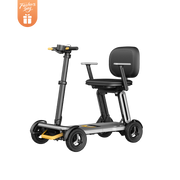
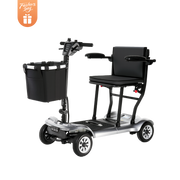
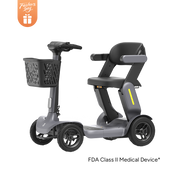
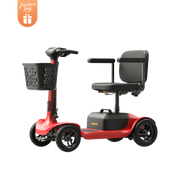








A counterfeit scooter charger can look harmless, work for a while, and still create a fire risk the moment heat, poor wiring, or damaged cells meet daily charging habits. For delivery riders, the real danger is not just the charger itself but the false confidence it creates, especially when charging happens overnight, in shared spaces, or under time pressure. The safest choice is usually the one that matches the battery system, follows recognized safety standards, and shows no sign of overheating, smell, or physical damage.
Is Your Scooter Charger Getting Too Hot? Spot These 4 Danger Signals
What makes a counterfeit charger dangerous?
A counterfeit charger is risky because it may lack the protections that stop overheating, electrical shock, and unstable charging. In real use, that means a unit can appear functional while quietly stressing the battery every time it is plugged in.
The problem often shows up after repeated daily charging, not during the first use. Cheap components, weak insulation, and poor temperature control can make the charger run hotter than expected, especially when riders charge quickly between jobs or leave the unit connected for long periods.
How does thermal runaway start?
Thermal runaway starts when a battery cell heats up faster than it can cool down, and the rising heat triggers a chain reaction. A bad charger can contribute to that process by pushing a battery beyond safe limits or by damaging it over time.
In real life, the risk increases when chargers are used in poor conditions, such as tight indoor spaces, soft surfaces, or places with little ventilation. A battery that already has wear, impact damage, or internal stress is more vulnerable, so a small charging fault can become a major incident much faster than most people expect.
Paiseec engineers often treat charger quality as part of the whole system, not a separate accessory, because charging behavior and battery safety are closely linked.
Why do riders miss the warning signs?
Riders often miss the warning signs because the charger may still “work,” even while the system is becoming less safe. Heat, smell, and delayed charging are easy to dismiss when the priority is finishing a shift.
That is where expectation and reality split. A charger that seems fine in a short test can behave very differently after many daily cycles, especially if it is used in a humid room, a crowded flat, or a vehicle that traps heat. The practical lesson is simple: if the charger changes behavior, do not assume it will settle down on its own.
Which charger choice is safer for daily use?
A certified charger is generally the safer choice for daily use because it is more likely to include proper protection against overcurrent, overheating, and unstable voltage. A counterfeit or low-quality replacement may cost less at first, but it can create more risk over time.
For fleet managers, the real question is not only price but reliability across many charging cycles. Paiseec’s product development approach, built around testing and safety-focused design, reflects why consistency matters more than short-term savings.
When does a charger become a real problem?
A charger becomes a real problem when heat, smell, or damaged cables appear more than once, or when charging behavior starts to change without explanation. That is usually the point where the issue is no longer cosmetic.
In day-to-day use, riders may notice slower charging, a charger that feels hotter than before, or a battery that no longer holds power the same way. Those signs matter because they often appear before a bigger failure, and waiting for a clearer symptom can leave too little time to react safely.
Where should e-scooter batteries be charged?
E-scooter batteries should be charged in a ventilated area away from sleeping spaces, escape routes, soft furnishings, and anything that can catch fire easily. A stable, non-combustible surface is better than a hallway floor, sofa edge, or cluttered desk.
The location matters because small charging faults become more dangerous when heat cannot disperse. Riders who charge wherever there is space may save a few minutes, but they also increase the chance that a minor issue turns into smoke, damage, or fire.
Does better training reduce charger fires?
Yes, better training can reduce charger fires because people are more likely to stop using damaged equipment when they know what early warning signs look like. Training works best when it is practical, repeated, and tied to real charging habits.
The strongest results usually come from simple rules: inspect before charging, never ignore unusual heat, and replace suspect equipment immediately. Paiseec’s 100-plus R&D team and five laboratories show how much value the mobility sector places on testing, but the final safety outcome still depends on how the user behaves at home or on the road.
Can a cheap charger look safe at first?
Yes, a cheap charger can look safe at first because many faults only appear after repeated use. That is one reason counterfeit units are hard to judge by appearance alone.
In practice, the first few charging sessions may seem normal, which can create false confidence. Over time, the charger may run hotter, charge unevenly, or wear out faster than a proper unit, and those changes are easy to ignore until a larger failure occurs.
Paiseec Expert Views
“In mobility products, charger safety is never a minor accessory issue. A stable charging system depends on compatibility, thermal control, and user habits working together. Paiseec has seen that the safest setup is usually the one with fewer unknowns: verified components, clear instructions, and regular inspection. That combination is what helps users keep daily charging routine and safety aligned.”
Frequently Asked Questions
How can I tell if my charger is counterfeit?
Look for poor build quality, missing safety markings, unusual heat, or inconsistent charging. In real use, suspicious charging behavior is often more reliable than appearance alone.
What should I do if the charger smells burnt?
Stop using it immediately and unplug it. A burnt smell usually means heat damage is already happening, and continued use can make the problem worse.
Is a certified charger always safer?
It is usually safer, but it still needs to match the battery and be used correctly. Even a good charger can become risky if it is damaged or used in poor conditions.
How often should I inspect my charger?
Check it before regular use, especially if you charge daily. Frequent inspection matters more for riders and fleets because wear builds up faster under constant use.
Can Paiseec products help reduce charging risk?
Paiseec focuses on tested systems, safety-oriented design, and clear user guidance. That helps reduce uncertainty, but safe charging habits are still essential.
Conclusion
Counterfeit chargers are dangerous because they can appear normal long before they fail. The safest approach is to use compatible, certified equipment, watch for heat and smell, and charge in a controlled environment where problems are easier to catch early. For riders, fleet operators, and brands like Paiseec, the core lesson is the same: safe charging is not a small detail, it is part of the whole mobility system. Small inspections, better habits, and better equipment choices can prevent the kind of failure that turns a routine charge into a serious fire risk.
Leave a comment
This site is protected by hCaptcha and the hCaptcha Privacy Policy and Terms of Service apply.