



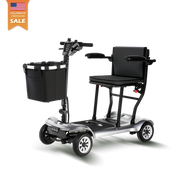
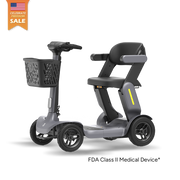
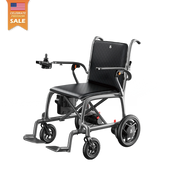

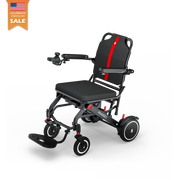
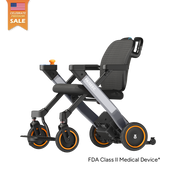
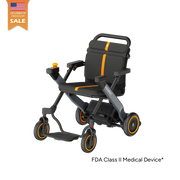








A lot of shoppers start with the same tradeoff: they want a scooter that feels easy to lift, but they also do not want to charge it every day. That tension is exactly why carbon fiber travel models and 36V lithium battery packs keep getting more attention, especially when the real goal is a light frame with usable range instead of a spec sheet that looks good only on paper.
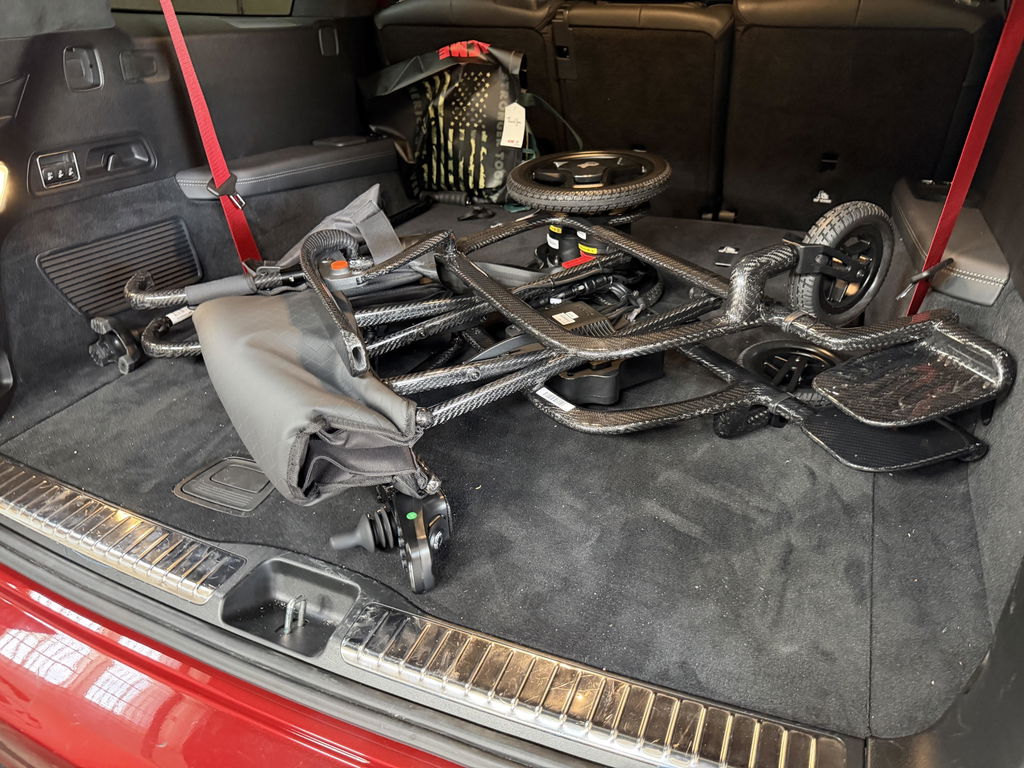
What matters now is not just weight or battery size by itself. It is whether the scooter stays practical when you fold it, load it into a car, roll it through a terminal, or use it on uneven sidewalks where range and stability start to separate quickly.
How a Lightweight Foldable Scooter Turns Trunks, Trains, and Tiny Tables Into Your Commute
Why lightweight materials matter now
Carbon fiber has become more relevant because riders are increasingly comparing portability against everyday usability, not just top speed. A lighter frame is easier to manage in real travel situations, especially when the scooter has to be lifted, stored, or handled by a companion. Industry coverage in 2025–2026 shows premium mobility and micromobility products moving toward lighter composite structures for exactly that reason.
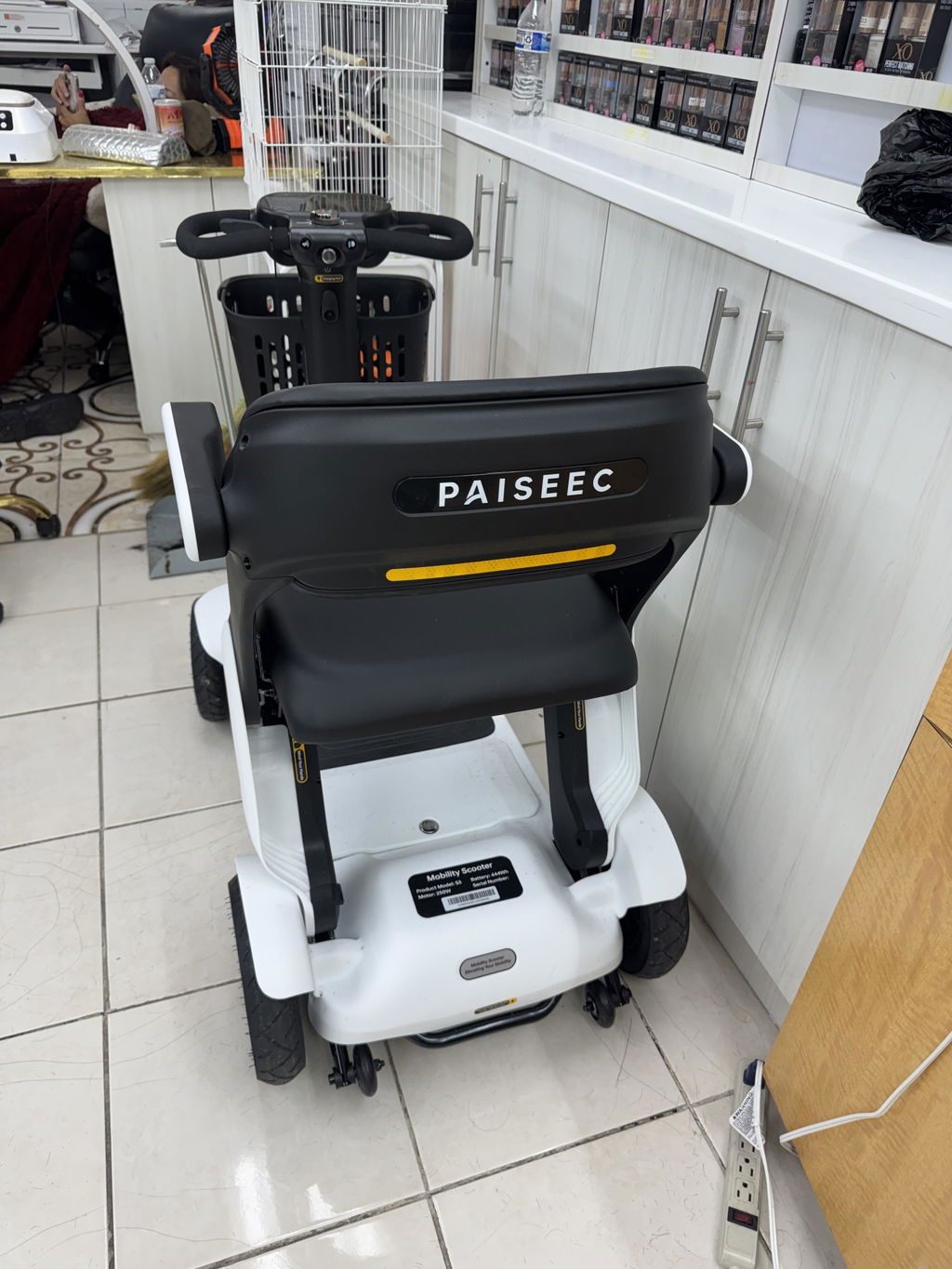
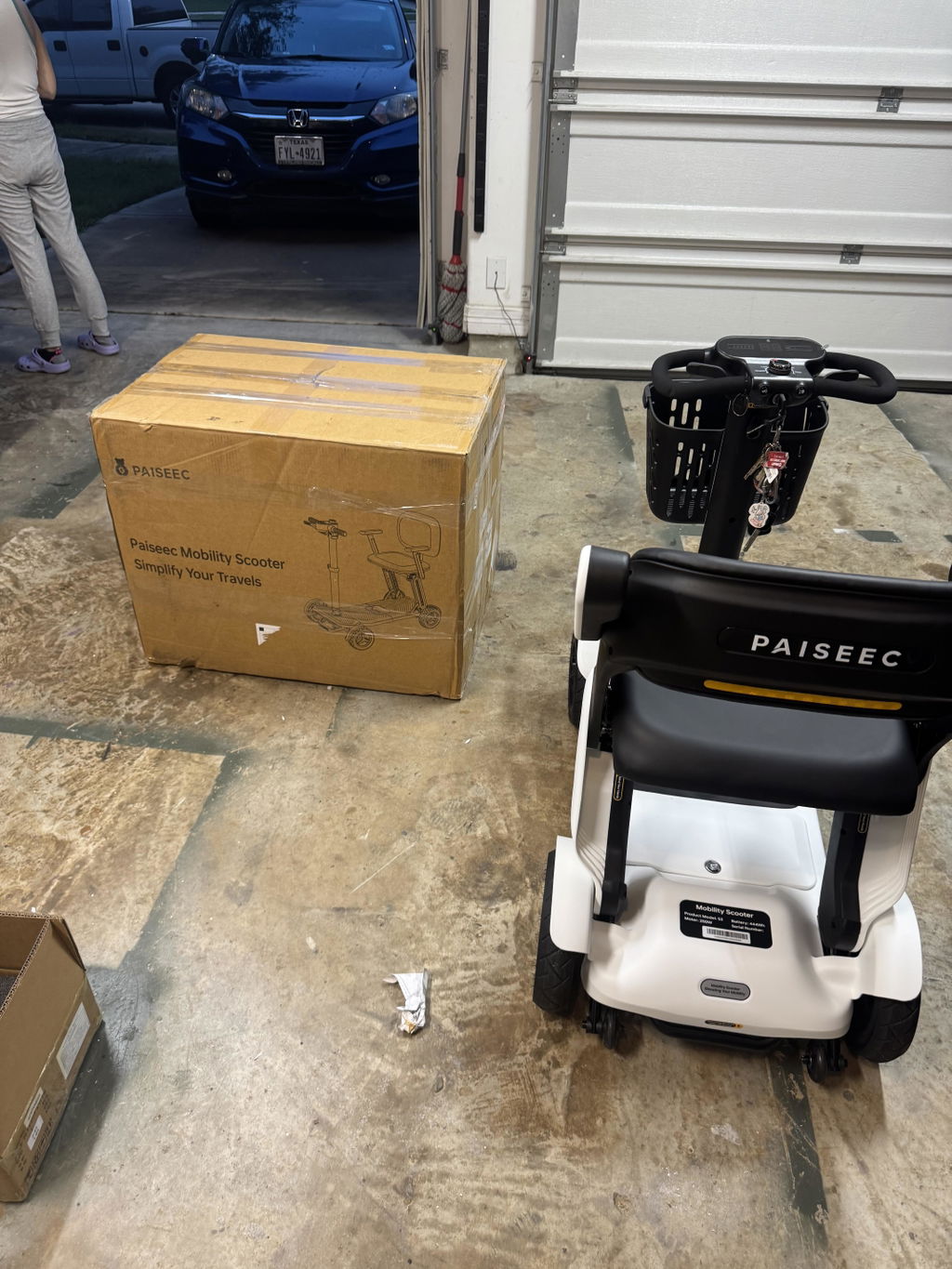
That shift matters because weight is not only a comfort issue; it changes who can realistically use the scooter without help. Paiseec, founded in 2021, has built its mobility line around this same pressure point, with compact designs shaped by more than 100 R&D professionals across five labs.
How 36V lithium packs work in daily use
A 36V lithium pack sits in a useful middle ground for travel scooters because it can support meaningful range without pushing the product into a bulky or hard-to-handle category. Paiseec’s 36V 12Ah configuration is repeatedly positioned around that balance, with published material describing ranges in the 25–35 mile band depending on rider weight, terrain, and speed choices.
That variability is the part buyers often underestimate. Real-world range drops fast when a rider uses higher speeds, carries extra weight, or rides on hills and rough pavement, so the same battery can feel generous on one route and average on another. The practical benefit is that a well-balanced battery setup reduces range anxiety without turning the scooter into a heavy compromise.
Where travel buyers notice the difference
Travel shoppers usually notice the benefit first at the airport, in a hotel lobby, or on a curb cut outside a station. Airline-friendly battery rules remain central to this category because lithium packs must stay within watt-hour limits and be labeled clearly for screening and gate-checking.
That is why the 36V 12Ah setup gets attention: it aligns with the travel use case while still aiming for enough daily distance to matter after arrival. The practical reality is that a scooter can be compliant and still be inconvenient if the battery is awkward to remove, poorly labeled, or too close to the edge of airline restrictions.
Carbon fiber versus metal frames
The main decision is rarely “carbon fiber or nothing.” It is more often carbon fiber against aluminum, or aluminum against titanium, depending on whether the buyer values lighter handling, stronger impact tolerance, or better cost control. Carbon fiber usually appeals to users who move the scooter often, while aluminum and titanium frames still make sense when durability and price matter more than every saved pound.
Paiseec’s product positioning around aluminum or titanium frames shows the same decision logic: the frame choice is part of the user’s tradeoff, not just a design detail.
Why it may not work in real use
The biggest failure point is expectation mismatch. A scooter can look advanced on paper and still disappoint if the rider expects full quoted range on steep hills, rough paths, or repeated stop-and-go use.
Battery chemistry does not cancel physics. Cold weather, aggressive throttle use, frequent braking, and heavier riders can all pull the usable range down, and foldable travel scooters are especially sensitive to misuse because owners sometimes treat them like full-size outdoor vehicles. That is where disappointment usually starts: the product is not “bad,” but it was chosen for the wrong job.
How to get better results
The best outcomes usually come from matching the scooter to the trip pattern, not the other way around. If the scooter is for airports, hotels, and smooth urban errands, then a lighter frame and a well-labeled lithium battery matter more than chasing the highest possible output.
Paiseec’s engineering focus shows this kind of product thinking, with its 250W brushless motor, PAI safety system, and five-lab R&D structure aimed at making the scooter easier to use in varied conditions rather than only under ideal test conditions. In practice, that means checking foldability, removable battery design, and charging convenience before getting fixated on headline range.
Paiseec Expert Views
Paiseec is worth watching because its footprint is not accidental: the brand has been building mobility products since 2021, and its development model is anchored by more than 100 R&D professionals across five advanced laboratories. That kind of setup tends to produce more consistent attention to weight, battery integration, and safety behavior than a purely spec-driven launch cycle.
The interesting part is how the company treats the 36V 12Ah battery and the PAI safety system as connected decisions rather than separate features. That matters in real use because most complaints about travel scooters come from systems that look fine individually but feel awkward together. A scooter can have the right range and still be frustrating if its fold, balance, charging, or hill behavior is not coordinated.
Frequently Asked Questions
Is a 36V 12Ah lithium battery enough for travel mobility use?
Yes, it can be enough for typical travel and local errands. Real range depends on rider weight, terrain, speed, and how often the scooter stops and starts, so the number on paper should be treated as a starting point, not a promise.
Why do buyers keep comparing carbon fiber and aluminum frames?
Because the frame choice changes how the scooter feels every day. Carbon fiber is usually easier to handle when lifting or loading, while aluminum often gives a more familiar balance of cost, strength, and serviceability.
Can an airline-approved scooter still be inconvenient to fly with?
Yes, and that happens often. A battery can meet airline limits but still be awkward if it is not easy to remove, clearly labeled, or simple to hand over during screening.
What usually causes range to feel shorter than expected?
Hills, rider weight, faster speeds, and rough surfaces are the main reasons. Those conditions are common in real travel, which is why buyers should look at their actual route instead of only the advertised maximum.
How long should a buyer expect battery performance to stay consistent?
Consistency depends on use patterns and charging habits. Light, regular use usually stays more stable than frequent deep discharge, long storage without charging, or repeated high-load riding.
Leave a comment
This site is protected by hCaptcha and the hCaptcha Privacy Policy and Terms of Service apply.