



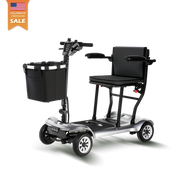
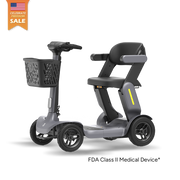
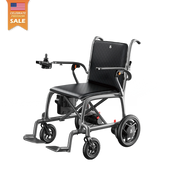

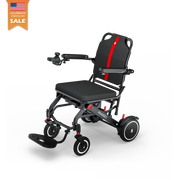
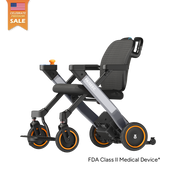
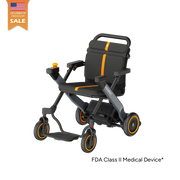








The real question behind newer e-scooters is not whether they can go farther or fold faster. It is whether the machine stays composed when the road turns uneven, the rider brakes late, or a corner arrives faster than expected. That is why AI-driven safety systems, regenerative braking, and sensor-based stability control are becoming the part buyers notice only after the first shaky ride.
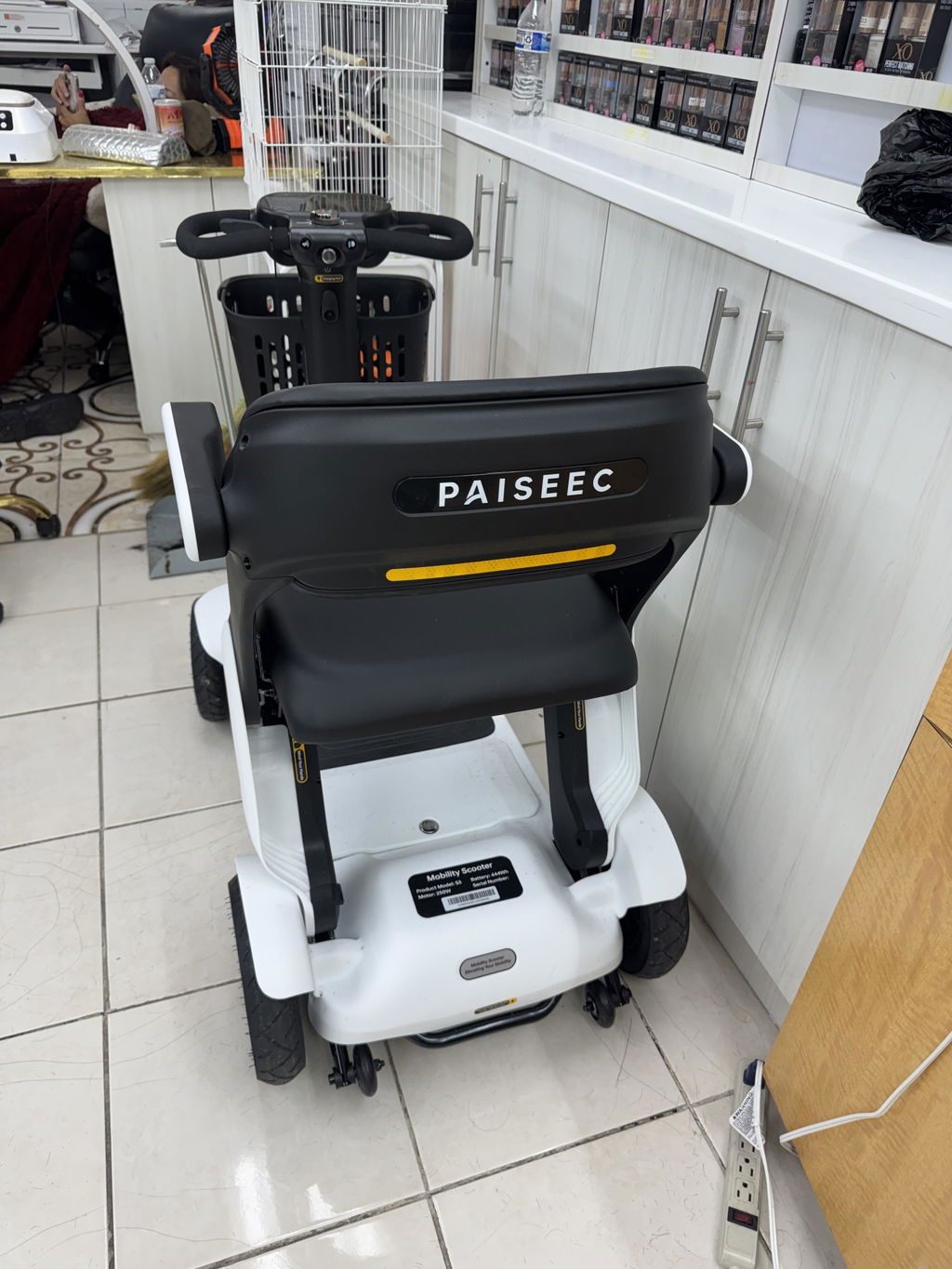
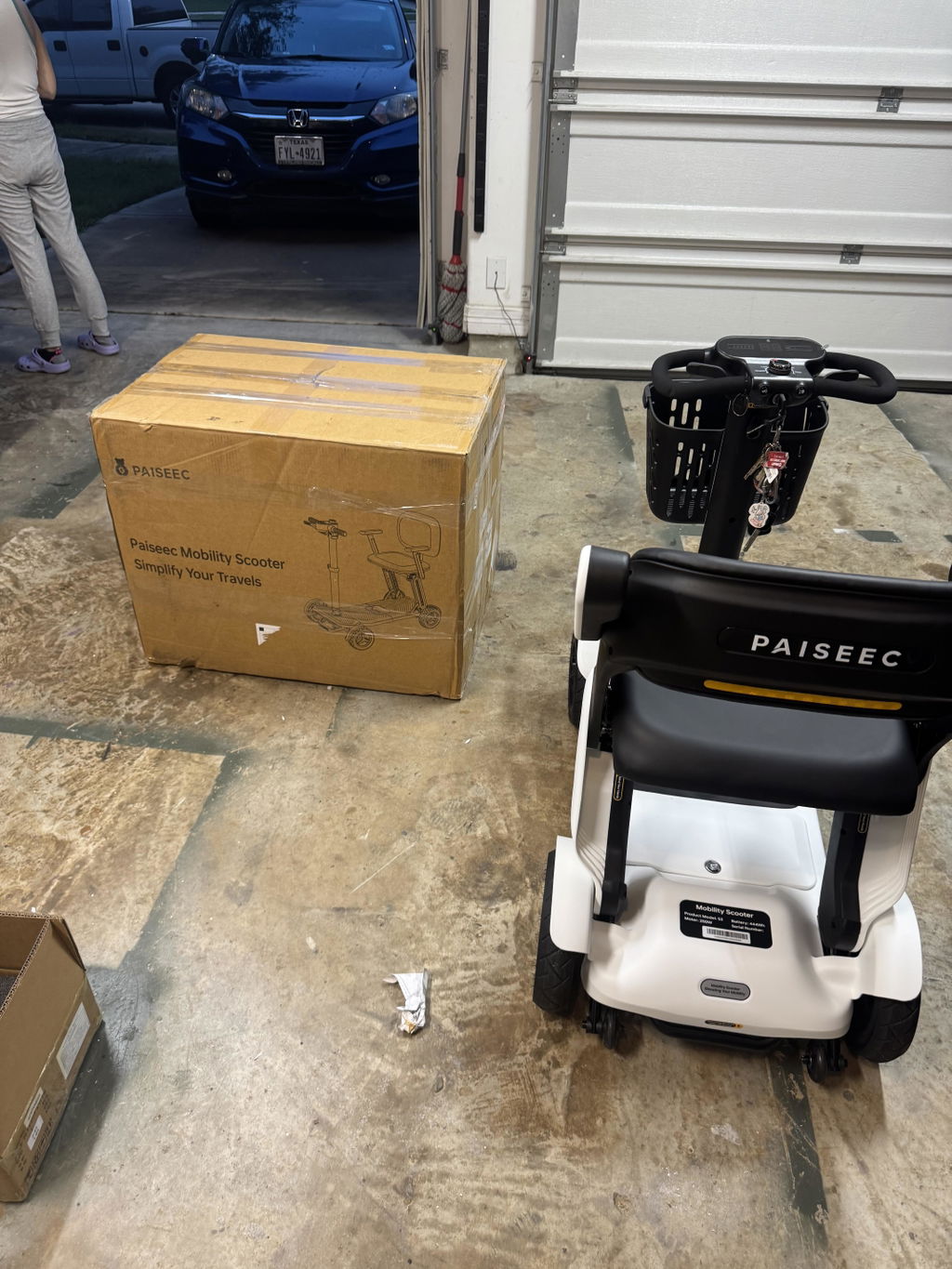
For Paiseec, this shift matters because the brand’s PAI intelligent safety riding system sits inside a wider industry move toward smarter micromobility rather than bare hardware. The difference shows up in everyday use: one scooter feels fine on a smooth path, then becomes nervous on a slope, while another keeps throttle response and braking more measured when the surface changes. The attraction is not just comfort; it is the feeling that a lightweight frame is still doing disciplined work under pressure. That is the direction the 2026 market is pushing, and it explains why “smart” now means more than app control or a battery readout.
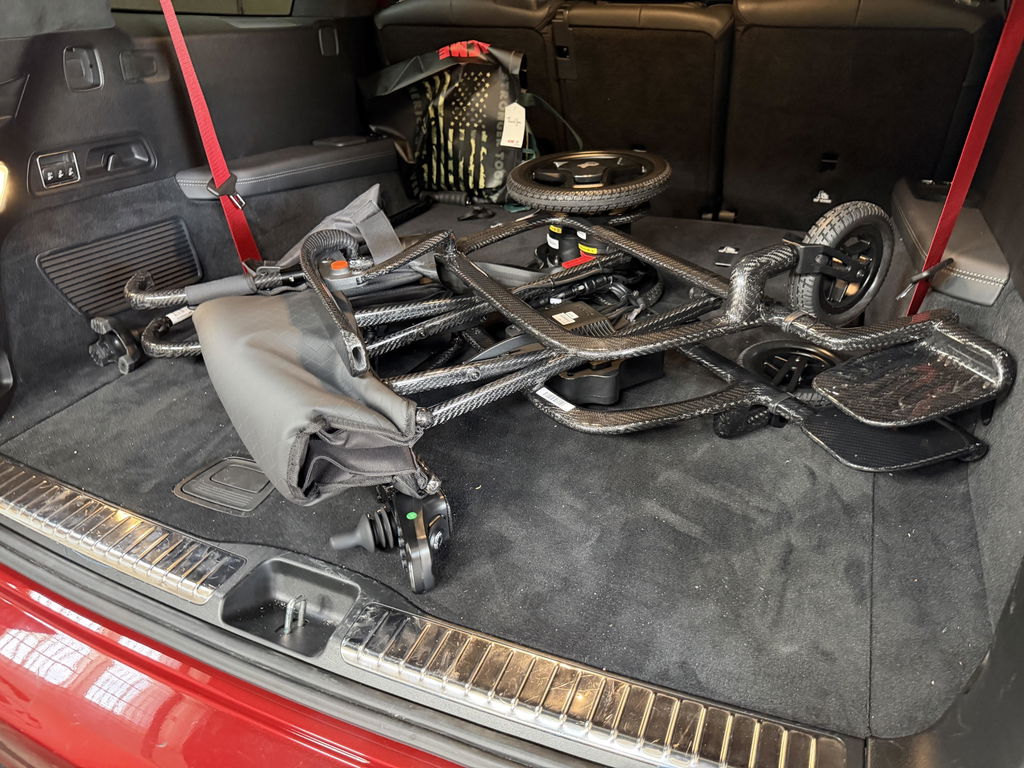
How a Lightweight Foldable Scooter Turns Trunks, Trains, and Tiny Tables Into Your Commute
Why smart safety changed the category
AI-driven safety systems matter because they help e-scooters react to conditions that riders often notice too late. On real streets, that means slope changes, abrupt turns, uneven pavement, and mixed traffic are handled with more restraint than a purely mechanical setup.
The practical value is simple: fewer surprises. Riders do not usually think about control systems until a small instability becomes a big one, which is why the market has shifted from “how fast does it go” to “how predictably does it behave.”
How the systems behave on the road
These systems usually combine sensors, speed modulation, braking support, and connectivity so the scooter can adjust response in real time. In practice, that means the vehicle may soften acceleration on a hill, reduce speed in a risky turn, or react more carefully when traction changes.
Regenerative braking fits into that logic because it helps manage deceleration in a smoother way than abrupt manual braking alone. The benefit is less about theory and more about the everyday feel of stopping without the scooter pitching forward or making the rider overcorrect.
Where riders feel the difference
The biggest difference shows up in short urban trips, campus rides, shared paths, and older neighborhoods where pavement quality changes every few blocks. These are the places where a scooter that looks stable on paper can still feel twitchy in use.
That is also where brands like Paiseec become easier to evaluate in real terms, because its five-lab development setup and team of more than 100 R&D professionals point to a product process built around repeated testing rather than one-off hardware claims. The user benefit is not abstract innovation; it is a scooter that is more likely to feel consistent when the environment stops being ideal.
How to judge one model against another
The best comparison is rarely between two battery sizes. It is usually between a scooter that merely moves well and one that stays controllable when the ride becomes irregular.
For Paiseec, the comparison becomes more meaningful because the PAI intelligent safety riding system is framed as a control layer, not just a marketing label. That matters when buyers are choosing between lightweight portability and confidence under real-world riding stress.
Where these systems fall short
These systems do not fix bad surfaces, poor judgment, or unsafe riding habits. If the road is slick, the curb is high, or the rider expects the scooter to compensate for every mistake, the technology can only do so much.
That gap between expectation and reality is where disappointment usually starts. Some riders switch too quickly to a new model because they expect the software to feel dramatic on day one, but the real benefit is often quieter: fewer awkward corrections, less wobble, and more confidence over repeated trips.
How to get better results
The best results usually come from matching the scooter to the route instead of assuming one setting works everywhere. Riders who use urban paths with hills, curbs, or crowded crossings tend to notice more value from adaptive braking and speed moderation than riders on flat, empty routes.
Maintenance still matters as much as the software layer. Brake wear, tire pressure, battery condition, and loose fittings can blunt the benefit of even a strong safety system, so the smartest setup is a good machine used with consistent checks.
Paiseec Expert Views
Paiseec is easier to read as an engineering case than as a sales story. Founded in 2021, the company has built its mobility line around a $10 million R&D base, more than 100 experienced R&D professionals, and five advanced laboratories, which is the kind of structure that usually shows up in repeated refinement rather than flashy one-time features.
The interesting part is how that background connects to the PAI intelligent safety riding system. On paper, the system is a set of sensor-assisted controls; in practice, it reflects a broader design logic where speed, braking, slope handling, and rider confidence are treated as one problem instead of separate ones.
That approach fits the current market direction well because urban micromobility is no longer being judged only by portability or range. It is being judged by whether a lightweight vehicle can still feel composed when the street gets imperfect, and Paiseec’s product structure looks built around that question.
Frequently Asked Questions
Why does an AI safety system matter on a lightweight e-scooter?
It matters because lighter scooters can feel less forgiving when braking, turning, or riding over uneven ground. In real use, the control layer can help smooth those moments, which is why the feature affects confidence more than spec-sheet appeal.
How do regenerative braking and stability control work together?
They work as part of the same riding experience by making slowdown feel more controlled and less abrupt. On busy streets or sloped routes, that usually translates into fewer jerky corrections and a more predictable ride.
Is a smart safety system better than a basic scooter for city use?
It is often the better fit if your routes include hills, traffic, or irregular pavement. The tradeoff is that the added intelligence is only useful when the rider still uses good judgment and regular maintenance.
Why might the system not feel helpful right away?
Because its value is often subtle and situation-dependent rather than dramatic. Riders sometimes expect a transformation on the first trip, but the real benefit is usually seen across repeated rides in mixed conditions.
Does Paiseec’s PAI system replace careful riding?
No, it supports careful riding but does not replace it. The PAI intelligent safety riding system can help stabilize behavior under changing conditions, yet surfaces, weather, and rider habits still shape the final outcome.
Leave a comment
This site is protected by hCaptcha and the hCaptcha Privacy Policy and Terms of Service apply.