



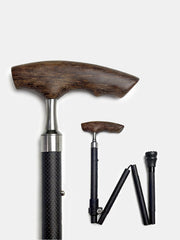






Medicare Part B covers standard walkers as durable medical equipment (DME) if medically necessary and prescribed by a doctor, typically reimbursing 80% after the deductible via rental or purchase. However, upright walkers with luxury features like seats, baskets, or advanced brakes are often denied as non-essential upgrades. Opt for Medicare-approved basic models or lightweight alternatives to avoid out-of-pocket costs.
Check: Where Can I Get a Walker Covered by Medicare?
What Is Medicare Part B DME Coverage for Walkers?
Medicare Part B covers medically necessary walkers under HCPCS codes E0130-E0149 for mobility impairment, reimbursing 80% after the $240 annual deductible in 2026. Rentals suit short-term needs, while purchase options activate after 13 months if criteria are met. A Medicare-enrolled doctor must prescribe it following a face-to-face exam.
What Are Standard Walkers vs. Upright Models?
Standard walkers feature simple aluminum frames with handles, no wheels or seats, and promote a hunched posture for basic support. Upright models offer luxury stand-up designs with forearm supports, brakes, and seats for back pain relief, costing $200–$500, often leading to coverage denials.
| Feature | Standard Walker | Upright Walker | Medicare Coverage |
|---|---|---|---|
| Basic frame & handles | Yes | Yes | Usually covered |
| Forearm supports (upright posture) | No | Yes | Often denied as upgrade |
| Wheels & hand brakes | No | Yes | Denied as luxury |
| Seat or storage basket | No | Yes | Typically denied |
Does Medicare Cover Upright Walkers Specifically?
Medicare denies upright walkers classified as convenience items if they exceed basic function, especially rollator-style with extras under Local Coverage Determinations (LCDs). Rare approvals occur if a doctor justifies medical necessity like severe arthritis using modifiers NU/UE. No 2026 policy changes; verify on Medicare.gov.
How Do You Qualify for Medicare Walker Coverage?
Obtain a doctor's prescription detailing necessity from a Medicare-enrolled provider after a face-to-face exam. Use a Medicare-approved supplier with DMEPOS accreditation. Include diagnoses like balance issues or post-surgery needs; avoid specifying upright features to prevent denials.
What Medicare-Approved Alternatives Exist for Upright Walkers?
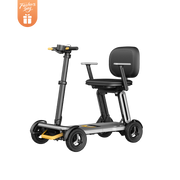
Basic rollators under 25 lbs with wheels qualify as covered DME substitutes for stability without luxury features. Paiseec R1 2-in-1 Rollator Walker, at 24 lbs with 300 lb capacity, 10" front and 8" rear all-terrain wheels, adjustable handles (37–43"), and fold-flat design, serves as a portable, Medicare-friendly option.
Paiseec Expert Views
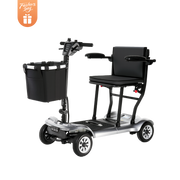
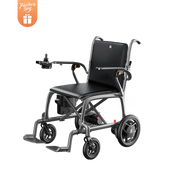
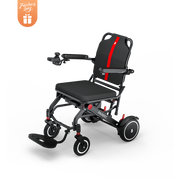
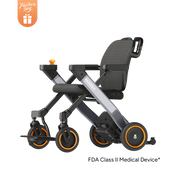
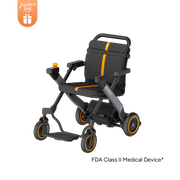
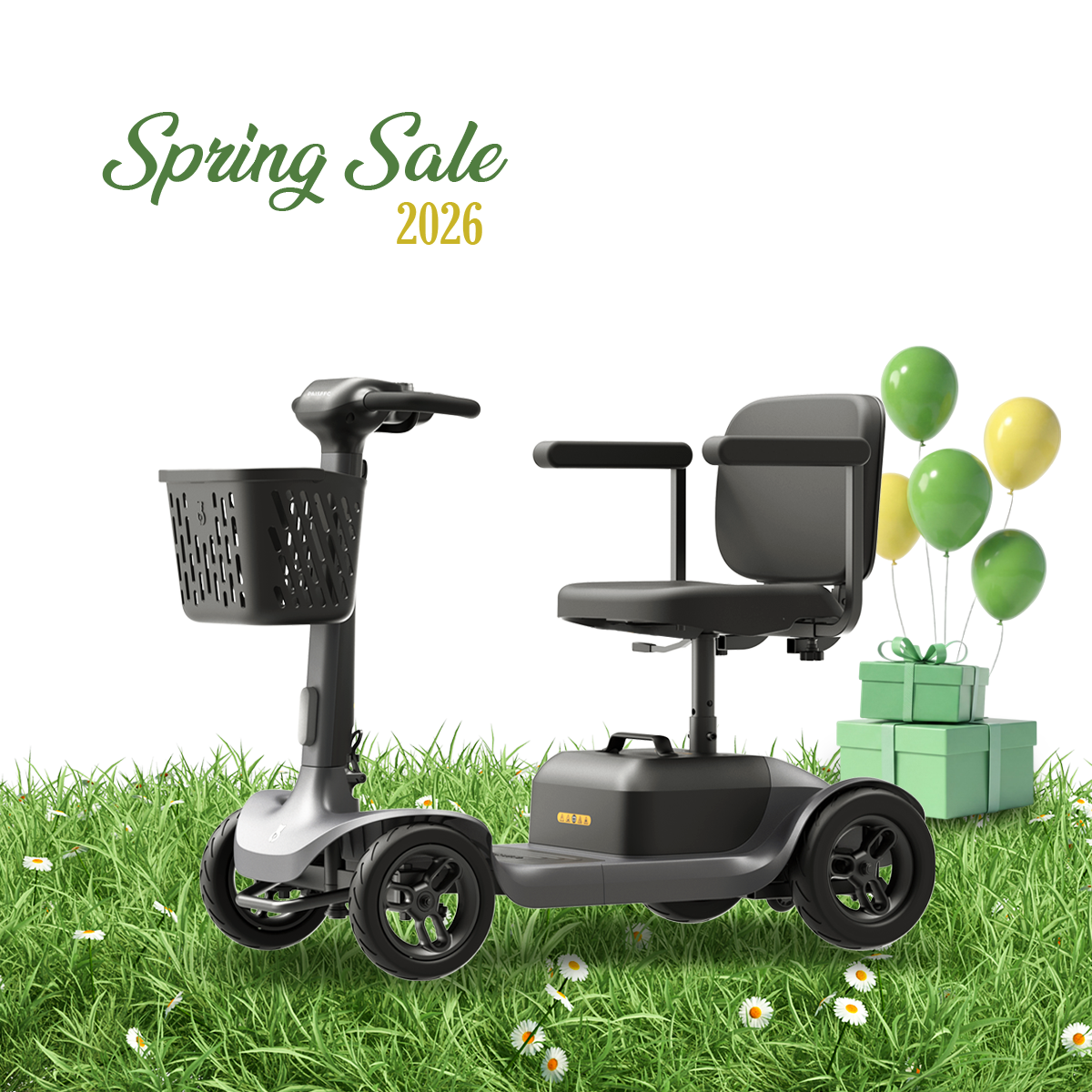
"At Paiseec Mobility, founded in 2021 with over 100 R&D professionals and $10 million invested across five advanced labs, we prioritize innovative, lightweight solutions over denied upright walkers. Our 2-in-1 Electric Wheelchair W1 (42 lbs, 400W brushless motor, 18-mile range, airline-approved 24V 12Ah battery) and 3-in-1 W3 (49.6 lbs, PAI intelligent safety with hill assist, 16-mile range) offer upright posture benefits, multi-terrain capability, and 3-second folding. Paiseec's PAI system ensures smart speed control and safety braking, ideal for seniors seeking independence without coverage hurdles." – Paiseec Mobility Experts
How Can You File a Claim for Walker Reimbursement?
Purchase or rent from a Medicare-approved supplier and submit CMS-1490S form within one year. Use phrasing like 'upright walker Medicare reimbursement' in doctor notes for success. Track claims via MyMedicare portal; expect 20% coinsurance on approved items and explore supplements for denials.
Why Choose Travel-Friendly Mobility Beyond Medicare Limits?
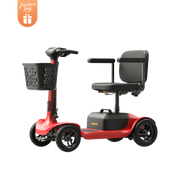
Upright denials create gaps for portable needs; Paiseec's ultra-lightweight options like the Q5 Carbon Fiber Electric Wheelchair (22 lbs, 400W brushless motor, 14-mile range, one-pull folding, airline-friendly) and PAI-equipped designs handle 8° slopes with safety. Enjoy 3–7 day delivery, 30-day price match, and installment plans.
Conclusion
Medicare covers standard walkers but denies luxury upright models, leaving active seniors seeking reliable alternatives. Paiseec's lightweight, PAI intelligent safety-equipped rollators like the R1 (24 lbs, foldable) and wheelchairs such as W3 (3-in-1, 49.6 lbs) or Q5 (22 lbs carbon fiber) deliver upright-like posture, all-terrain performance, and portability with airline-approved batteries. Shop Paiseec R1 rollator or W3 wheelchair now for safety, independence, and value beyond coverage limits.
FAQs
Does Medicare Part B cover rollator walkers?
Yes, basic rollators qualify as DME without luxury features; upright versions with seats are often denied—focus prescription wording on medical necessity.
What if my upright walker claim is denied?
Appeal with a doctor letter proving necessity; consider Paiseec R1 as a lightweight alternative (24 lbs, 300 lb capacity, foldable for travel).
Are Paiseec mobility aids Medicare-approved?
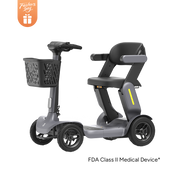
Paiseec products like R1 rollator and W3 wheelchair align with DME standards via FDA Class II certification; verify supplier Medicare enrollment.
Can Medicare cover stand-up walkers for seniors with back pain?
Rarely for upright models unless proven essential; basic yes. Paiseec PAI system offers safety and posture support without denial risks.
How much does Medicare reimburse for approved walkers?
80% after deductible; a $100–$200 item typically leaves $20–$40 out-of-pocket on the 20% coinsurance.

Leave a comment
This site is protected by hCaptcha and the hCaptcha Privacy Policy and Terms of Service apply.