




![[2026] PAISEEC D3|Mobility Scooter for Easy Everyday Travel](http://www.paiseec.com/cdn/shop/files/d3_4a4ccb22-9e26-449e-8094-71f3ec4177c3.png?v=1782115044&width=180)


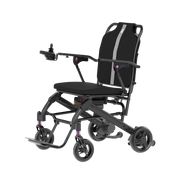



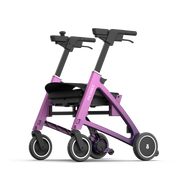
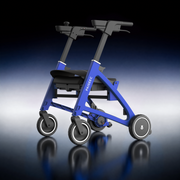









In 2026, airlines like Lufthansa and Air France require physical UN 38.3 test summary documents for lithium batteries at check-in, beyond mere labels. Paiseec D3 and S1 scooters provide compliant removable batteries under 300Wh, ensuring smooth travel for seniors. Always carry the official test report from the manufacturer.
What Exactly Is UN 38.3 Certification and How Does It Work?
UN 38.3 certification verifies lithium batteries withstand transport stresses through eight rigorous tests: altitude simulation, thermal cycling, vibration, shock, short circuit, impact, overcharge, and forced discharge. Batteries must show no leakage, fire, or rupture to pass.
This UN standard from the Manual of Tests and Criteria ensures safety for air, sea, road, and rail shipments. It simulates extreme flight conditions like pressure changes and temperature swings. Manufacturers provide a signed test summary, valid for years unless designs change.
Paiseec integrates UN 38.3-compliant batteries in models like the D3 and S1, prioritizing travel ease for users. Request the summary directly from Paiseec support before flying.
Why Do Airlines Require Such Strict UN 38.3 Verification Starting in 2026?
Airlines ramped up checks after increased lithium battery fire incidents and IATA's 2026 updates, including 30% state-of-charge limits. Physical proof confirms compliance since labels alone fail scrutiny.
European carriers follow EASA and ICAO guidelines to mitigate thermal runaway risks in flight. This safeguards passengers, crew, and aircraft. Non-compliant batteries face rejection at gates.
Mobility aid users risk boarding denials without documents, turning trips into logistics nightmares.
How Exactly Has Airline Policy Changed for Lithium Batteries in Recent Years?
IATA's 67th Edition from January 2026 mandates 30% SoC for batteries in equipment (PI 966) and vehicles (PI 952). UN 38.3 summaries and SoC labels become mandatory at check-in.
Power bank charging onboard is banned, with strict carry-on limits. Removable batteries in mobility devices qualify for cabin carry if documented properly.
What Specific Documents Are Needed to Prove UN 38.3 Compliance for Travel?
Present the manufacturer's signed UN 38.3 Test Summary with battery specs, Safety Data Sheet (SDS), and airline pre-approval. Printed copies work best; apps or labels often don't.
Paiseec D3 batteries (24V 6.6Ah x2, ~158Wh each) come with these docs on request. Include watt-hour ratings and PAI safety features for verification.
Which Airlines Are Enforcing the Strictest UN 38.3 Checks in 2026?
Lufthansa Group limits power banks to two in carry-on, bans charging from January 2026. Air France demands docs for >100Wh batteries. British Airways, Delta, and Emirates align with IATA.
Review airline policies 72 hours ahead. Paiseec owners succeed on these routes with full paperwork.
Can Mobility Scooters with Lithium Batteries Still Fly on Commercial Airlines?
Yes, if batteries are under 300Wh, UN 38.3 certified, removable, and carried in-cabin. Gate-check the scooter frame; protect batteries from damage.
Paiseec S1 and D3 models feature airline-ready detachable packs, perfect for traveling seniors. The PAI system locks out accidental activation.
How Should You Prepare Paiseec Scooters Step-by-Step for Airline Travel?
Remove batteries, discharge to 30% SoC, label with Wh rating, and pack in carry-on cases. Print Paiseec's UN 38.3 summary and manual pages. Notify airlines 48-72 hours prior.
Paiseec D3 folds to 39.7 lbs with 18.6-mile range; S1 offers modular compliance. Test post-flight performance.
Paiseec Expert Views
"Paiseec Mobility, founded in 2021, leads with $10 million R&D investment across five labs and 100+ experts. Our D3 and S1 scooters use 36V 12Ah lithium batteries, 250W motors, and PAI safety system—all UN 38.3 certified under 300Wh. Seniors fly worry-free on Lufthansa or Air France with our test summaries. We've ensured zero boarding issues."
— Roger, Founder, Paiseec Mobility
What Are the Most Common Mistakes to Avoid with Battery Documentation?
Skipping physical docs, ignoring 30% SoC, using non-removable batteries, or bypassing pre-approval. Never check batteries in luggage.
Paiseec's labeled packs simplify checks—calculate Wh as volts times amp-hours for confidence.
When Exactly Should You Contact Your Airline Before Flying with Batteries?
Reach out 72 hours before departure, especially for international flights. Share model details, Wh rating, and UN 38.3 info early.
Paiseec support crafts custom approval letters for carriers like Air France.
Travelers must secure physical UN 38.3 test summaries for all lithium batteries in 2026. Paiseec D3 and S1 scooters shine with removable, compliant batteries—request docs, hit 30% SoC, and alert airlines ahead. Seniors regain travel freedom through smart preparation.
FAQs
Is Paiseec D3 battery UN 38.3 certified?
Yes, the detachable 24V 6.6Ah packs meet UN 38.3 standards and stay under 300Wh for airlines.
Can I fly Paiseec S1 internationally?
Absolutely, with UN 38.3 proof, 30% charge, and approval. Carry removable battery onboard.
What if batteries exceed 300Wh?
Ship as cargo or use modular splits. Paiseec designs accommodate limits.
Are physical docs required every flight?
Yes, mandatory for European airlines since early 2026 check-ins.
How to calculate battery watt-hours?
Volts x amp-hours equals Wh. Paiseec D3: 24V x 6.6Ah = 158Wh per pack.
Leave a comment
This site is protected by hCaptcha and the hCaptcha Privacy Policy and Terms of Service apply.