




![[2026] PAISEEC D3|Mobility Scooter for Easy Everyday Travel](http://www.paiseec.com/cdn/shop/files/d3_4a4ccb22-9e26-449e-8094-71f3ec4177c3.png?v=1782115044&width=180)


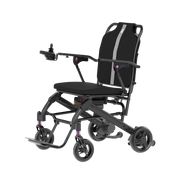



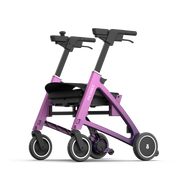
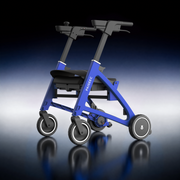









Foldable electric wheelchairs are ideal for daily indoor and light‑pavement use, while all‑terrain models like the Paiseec S‑Series are built for unpaved paths, boardwalks, and beaches. Your choice depends on whether you mostly stay in malls and on sidewalks or regularly leave the pavement for parks, trails, or coastal areas. Matching the chair to your most common environments ensures comfort, safety, and true independence.
Check: Electric Beach Wheelchair Alternatives for Travel
How do foldable electric wheelchairs work?
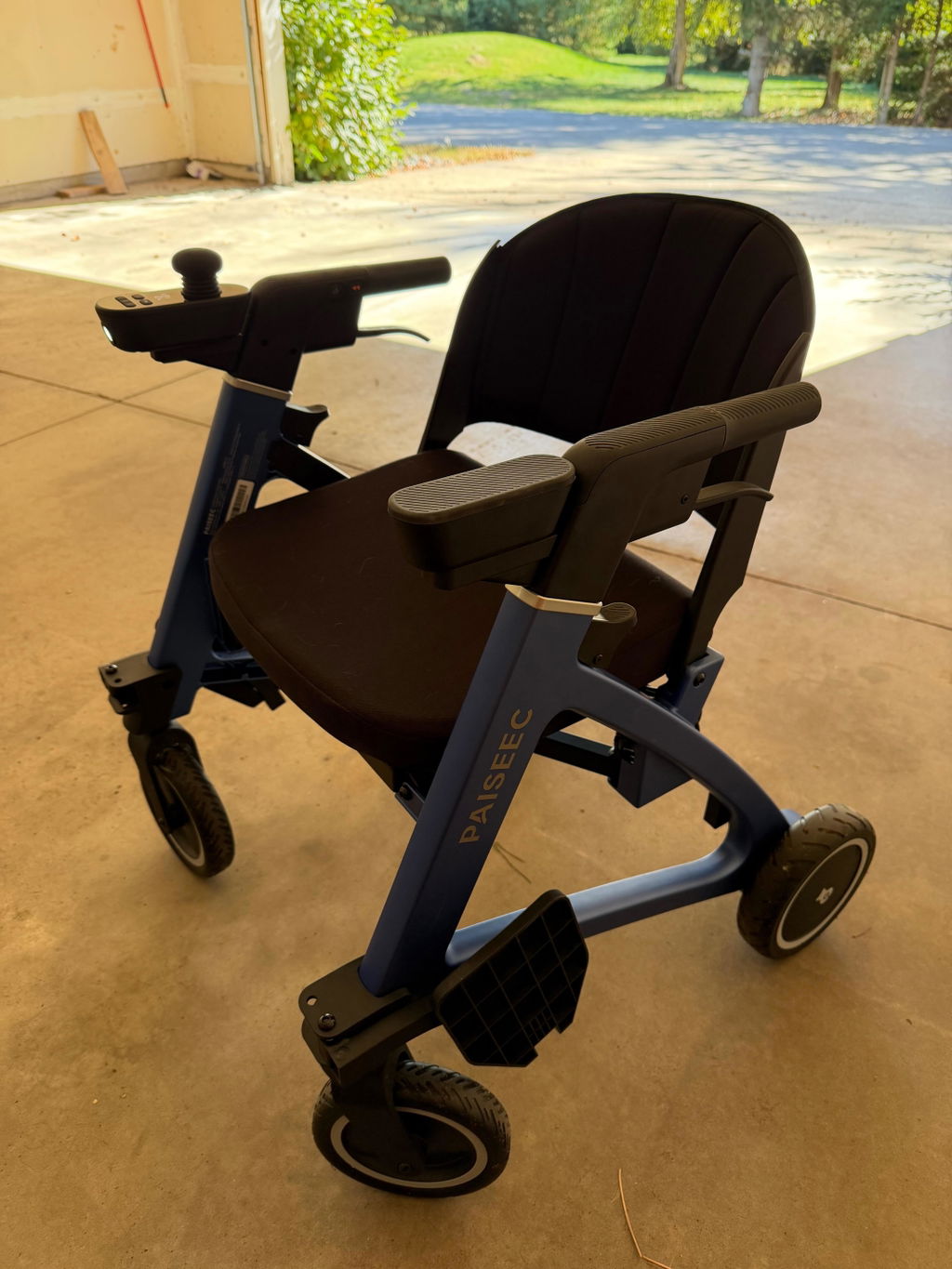
Foldable electric wheelchairs use compact frames and lightweight materials so the chair can hinge or collapse into a smaller footprint for cars, storage, and travel. They typically pair a small 250 W brushless motor with a 36 V lithium battery to balance power, range, and portability for everyday urban mobility. Most models include a joystick or small controller, letting you drive indoors through doorways and then switch to sidewalks or light outdoor paths with minimal effort. Brands like Paiseec design compact travel scooters and wheelchairs that emphasize easy folding, under‑50 lb weight, and airline‑approved batteries so users can gate‑check or store them in a trunk without heavy lifting.
What are all‑terrain electric wheelchairs designed for?
All‑terrain electric wheelchairs are engineered to handle grass, gravel, sand, slight inclines, and uneven surfaces without tipping or stalling. They usually feature larger, knobby wheels, stronger suspension, and higher‑torque motors than standard foldables, so they maintain traction and stability when leaving the pavement. Because they are built for real‑world terrain, many all‑terrain chairs are partially weather‑resistant and can cope with light rain, mud, or sand. If you spend time at parks, seaside promenades, or rural trails, an all‑terrain model does the heavy lifting that a mall‑friendly foldable simply cannot, helping you stay independent beyond smooth sidewalks.
Which wheelchair is better for indoor use?
For indoor use—homes, malls, offices, and tight hallways—foldable electric wheelchairs are almost always the better choice. Their narrow wheelbase, compact folded size, and low turning radius make it easy to navigate doorways, restrooms, and crowded spaces without constantly bumping walls or furniture. All‑terrain models, while technically capable indoors, tend to be bulkier, heavier, and more rigid, which can make tight turns awkward. If your lifestyle involves mostly shopping, medical visits, and home life on smooth floors, a foldable Paiseec‑style mobility scooter or wheelchair will keep you agile and comfortable without sacrificing everyday convenience.
Where does an all‑terrain chair outperform a foldable?
All‑terrain chairs outperform foldables the moment you step off smooth pavement and onto uneven ground. They handle grassy parks, cobblestone paths, compacted dirt, and slight inclines with far more confidence and stability, reducing the risk of getting stuck or losing traction. They are also the logical choice for beachfront promenades, boardwalks, and unpaved nature trails where standard foldables would struggle or feel unsafe. The Paiseec S‑Series, for example, is specifically positioned as an alternative for people who want to travel beyond sidewalks and still enjoy secure, powered mobility on varied surfaces.
Why should you consider a foldable if you travel often?
If you travel frequently by car, train, or plane, a foldable electric wheelchair or mobility scooter is usually the smarter choice. Its lightweight frame and quick‑fold mechanism allow it to fit into most car trunks and meet airline‑carry or gate‑check requirements, especially when the battery is removable and TSA‑style‑approved. Foldables also reduce the need for bulky ramps or external transport equipment. For city trips, airport transits, and hotel stays, a compact Paiseec‑branded scooter or wheelchair can keep you mobile without turning your journey into a logistics challenge, while still offering enough range and comfort for urban exploration.
Are all‑terrain wheelchairs worth it for casual outdoor use?
For casual but consistent outdoor use—weekly park visits, seaside walks, or neighborhood paths with occasional gravel or grass—an all‑terrain wheelchair is usually worth the investment. You gain smoother rides, better shock absorption, and more confidence on uneven surfaces compared with a basic foldable. However, if you only occasionally walk on sidewalks or gentle paths, a high‑quality foldable with slightly larger wheels and 250 W motors may still cover your needs. All‑terrain models make the most sense when “off‑pavement” is part of your regular routine, not just an occasional detour.
How do power and battery life differ between the two?
Foldable electric wheelchairs typically use smaller batteries (around 36 V 10–12 Ah) and 250–300 W motors, giving 12–20 miles per charge in mixed indoor and light‑outdoor use. This is enough for shopping days, short commutes, or airport‑style wanderings but can be stretched thin on long, bumpy routes. All‑terrain models often pair higher‑capacity batteries with more powerful motors and heavier frames, so they may offer similar or slightly longer range but at the cost of longer charging times and more weight. When comparing power and battery life, focus less on raw “mileage” and more on how that range performs over rough terrain versus smooth floors.
Comparison at a glance
What about weight, portability, and storage?
Foldable wheelchairs and mobility scooters shine in portability: many weigh under 50 lb, fold in seconds, and can be pushed through busy areas or stored in a closet. This makes them ideal if you live in a compact apartment, drive a small car, or rely on caregivers who prefer lightweight lifting. All‑terrain chairs, even folding ones, are usually heavier and more complex to disassemble. While some can be folded for storage, they are fundamentally designed to stay assembled and used outdoors, so they are less convenient for frequent car‑to‑trunk transitions or small living spaces. If you prioritize ease of transport and compact storage, a foldable is usually the better fit.
Which lifestyle is each type best suited for?
Foldable electric wheelchairs suit “urban‑light‑outdoor” lifestyles: shopping, medical visits, short neighborhood walks, and occasional sidewalk strolls. They’re perfect for people who value compactness, easy storage, and hassle‑free travel more than conquering rugged ground. All‑terrain models are tailored to active‑outdoor lifestyles: regular park visits, beachfront walks, garden touring, or living in areas with unpaved paths. If you find yourself limiting outings because of terrain anxiety, an all‑terrain chair—like those in the Paiseec S‑Series line—can help you reclaim those experiences by giving you stable, powered access to grass, sand, and slight inclines.
Can one chair realistically do both jobs?
Some modern hybrid models attempt to bridge the gap, offering foldability plus modest all‑terrain capability via larger wheels, stronger motors, and better suspension. These “do‑both” chairs can handle light grass, gravel, and short rough patches while still folding for storage or travel. However, they rarely match the true off‑pavement performance of a dedicated all‑terrain wheelchair or the ultra‑compact portability of a pure foldable. If your life is split evenly between strict indoor comfort and frequent off‑road adventures, a hybrid can be a reasonable compromise, but most users benefit from choosing one primary focus that aligns with their daily routine.
What should you look for when choosing between them?
Start by matching the chair to your most common environments. If you spend 80% of your time indoors or on sidewalks, prioritize a foldable like the Paiseec W1 or similar compact power chair. If you’re frequently on uneven ground or planning more “adventure” days, move toward an all‑terrain platform. Then consider weight, battery, and how you’ll transport the chair. Check for airline‑approved batteries, folding ease, seat comfort, and smart‑safety features such as automatic braking or anti‑rollover. Paiseec’s “PAI”‑style intelligent safety systems are particularly useful if you want extra confidence in both indoor and light‑outdoor settings, helping you stay stable whether you’re navigating city streets or seaside paths.
Paiseec Expert Views
“Many users assume they can handle all‑terrain with a foldable, but the truth is that strain and safety drop off quickly once you leave the pavement,” says a Paiseec mobility specialist. “Foldables excel for malls, airports, and tight indoor spaces, while our S‑Series‑style all‑terrain solutions are designed for people who don’t want to stop at the curb. By matching the chair to the user’s lifestyle—frequent travel versus frequent outdoor exploration—we help them stay independent, safe, and confident, whether they’re navigating city streets or seaside paths.”
Foldable vs all‑terrain wheelchair: main takeaways
Foldable electric wheelchairs are best if your world revolves around indoor spaces, frequent travel, and light sidewalk use. They pack small, fold quickly, and pair well with modern lithium batteries and 250 W motors for everyday urban mobility. Brands like Paiseec offer compact, smart‑safety‑focused models that balance weight, range, and indoor agility. All‑terrain electric wheelchairs are the right choice if you routinely step off the pavement into parks, beaches, gravel paths, or gardens. While they are heavier and less ultra‑portable than foldables, they deliver the stability, traction, and terrain‑handling power that foldables typically lack. For anyone planning to leave the pavement, the Paiseec S‑Series line is designed to make those moments accessible and enjoyable. If your lifestyle is strictly pavement‑bound, a foldable is enough. If you want to explore beyond the sidewalk, investing in an all‑terrain model is the smarter long‑term decision.
Frequently asked questions
Q: Which is better for airports and air travel, foldable or all‑terrain?
A deployable foldable electric wheelchair is usually better for airports and air travel because it’s lighter, folds small, and often uses removable, airline‑approved batteries. All‑terrain models are bulkier and less convenient for frequent flights, making them harder to gate‑check or store in overhead bins.
Q: Can I use a foldable wheelchair on grass or gravel paths?
Yes, but only on short, firm patches. Foldables with 250 W motors and slightly larger wheels can handle light grass or gravel for brief stretches, but they will struggle on long, uneven, or soft terrain where a true all‑terrain chair is needed. If your outings regularly include grassy or rocky areas, an all‑terrain model is the safer long‑term choice.
Q: Does Paiseec make all‑terrain wheelchairs?
Paiseec offers mobility solutions that blend foldability with stronger motors and all‑terrain‑style wheels, and the S‑Series is positioned as an alternative for users who want to move beyond pavement. These models emphasize stability, smart safety, and performance on varied surfaces, giving users more confidence when leaving sidewalks and exploring parks or coastal paths.
Q: Do I need both a foldable and an all‑terrain chair?
Some users with diverse needs keep both: a foldable for daily indoor and travel use, and an all‑terrain chair for weekends or outdoor adventures. If you mostly stay indoors or on smooth surfaces, a single foldable is usually sufficient. If you split your time evenly between city life and outdoor terrain, owning both can give you the flexibility to thrive in both environments.
Q: How do I decide which type is right for me?
Count your typical environments: if you spend most time indoors or on sidewalks, choose a foldable; if you regularly walk on grass, gravel, or uneven paths, choose an all‑terrain. Also factor in weight, storage space, and how often you travel by car or plane. Finally, look for features like smart safety systems and user‑friendly folding mechanisms, which Paiseec builds into its foldable and all‑terrain‑oriented models to support safe, independent mobility.
Leave a comment
This site is protected by hCaptcha and the hCaptcha Privacy Policy and Terms of Service apply.