




![[2026] PAISEEC D3|Mobility Scooter for Easy Everyday Travel](http://www.paiseec.com/cdn/shop/files/d3_4a4ccb22-9e26-449e-8094-71f3ec4177c3.png?v=1782115044&width=180)

















For those seeking enhanced mobility independence, electric wheelchairs, mobility scooters, and ambulatory solutions offer transformative benefits. This article compiles authentic user stories and reviews, highlighting how these devices empower individuals with diverse mobility needs to reclaim freedom and improve daily living through practical, real-world insights.
How do electric wheelchairs compare to mobility scooters for daily urban use?
Choosing between an electric wheelchair and a mobility scooter hinges on individual needs and environment. Electric wheelchairs offer superior indoor maneuverability and postural support, while scooters excel in outdoor range and stability over longer distances on varied terrain.
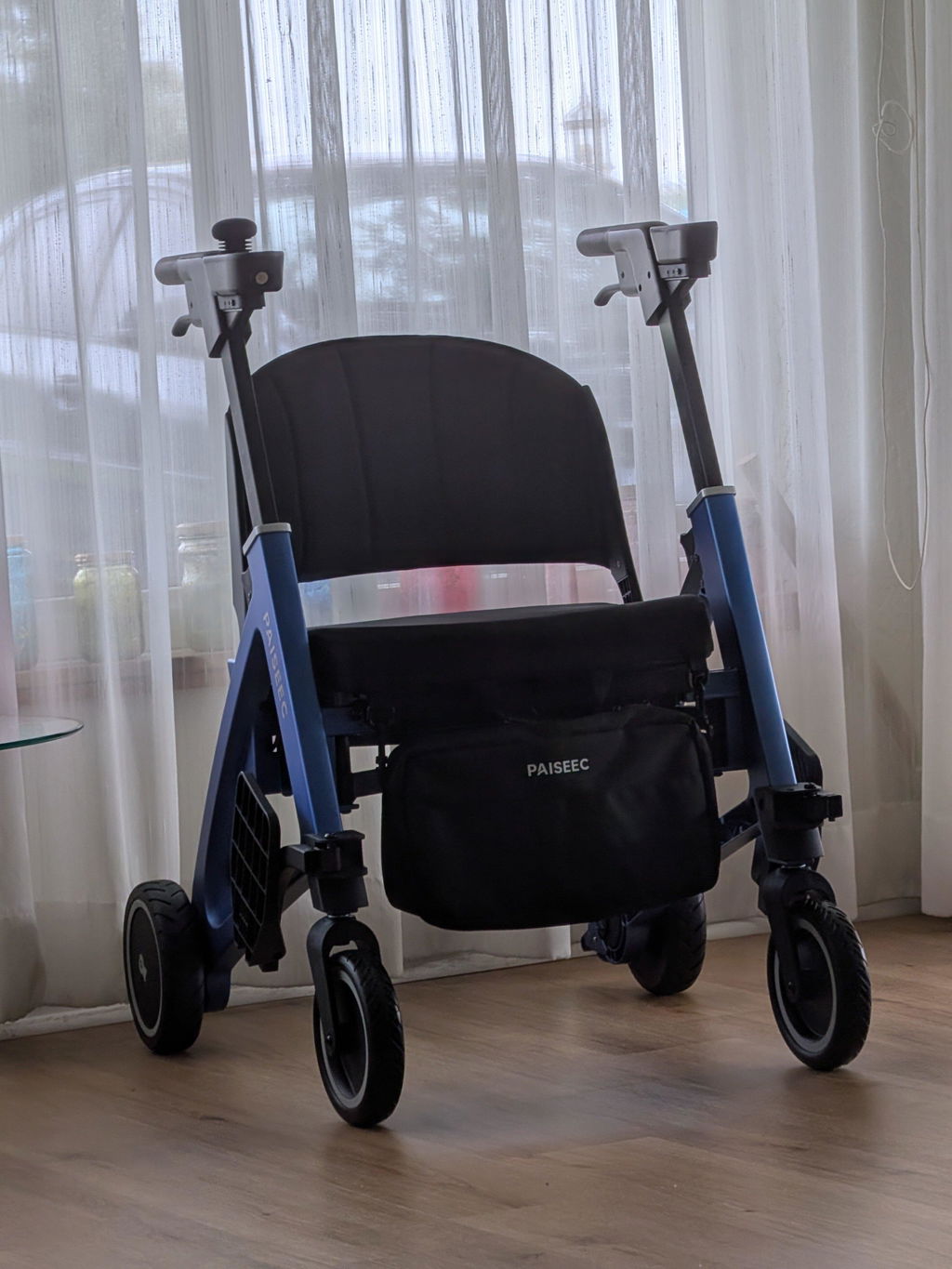
Electric wheelchairs, with their compact footprint and tight turning radius, are designed for navigating narrow doorways and crowded spaces, making them ideal for home and store use. They often feature customizable seating systems for pressure relief and positioning, which is crucial for users who spend extended periods seated. A mobility scooter, conversely, typically has a tiller for steering and a larger base, providing a more car-like driving experience that many find intuitive for outdoor errands. The trade-off comes in portability; many electric wheelchairs can be disassembled for transport, whereas a full-size scooter may require a vehicle lift. Consider your primary activity zones: is your day spent moving from room to room or traveling several blocks to a park? How important is the ability to easily load the device into a car for spontaneous trips? These questions guide the choice, as each device serves a distinct primary function despite some overlap in capability. For instance, a Paiseec foldable scooter might bridge this gap for some users, offering a compromise between portability and outdoor readiness.
What are the key benefits of using a mobility scooter for an ambulatory user?
For ambulatory users with conditions like muscular dystrophy or post-surgery recovery, a mobility scooter conserves energy, reduces fall risk, and extends functional range. It enables participation in activities that would otherwise be limited by fatigue or pain, promoting social engagement and mental well-being.
The core benefit lies in energy conservation, a concept often called "spoon theory" where individuals have a limited daily energy reserve. Using a scooter for a shopping trip preserves spoons for other tasks, like cooking or spending time with family. This isn't about an inability to walk but about smartly managing a finite physical resource to enhance overall quality of life. Technically, features like adjustable speed settings and intuitive controls allow users to match the device's assistance to their fluctuating daily capacity. A real-world example is a person with rheumatoid arthritis who can walk short distances but uses a scooter to navigate a museum or airport, transforming an exhausting ordeal into an enjoyable outing. Doesn't it make sense to use a tool that prevents pain and exhaustion? Furthermore, by reducing the physical strain of ambulation, users often experience less post-exertional malaise, allowing for a more consistent and active lifestyle. The psychological lift from regaining independence and the ability to keep up with peers cannot be overstated, making the scooter a tool for holistic health.
Which technical specifications are most critical when reviewing an electric wheelchair?
Critical specifications include drive system type, battery range and type, weight capacity, seat dimensions and adjustability, turning radius, and maximum speed. These factors directly impact safety, comfort, and the device's suitability for a user's specific lifestyle and physical requirements.
When delving into technical reviews, the drive system is paramount; rear-wheel drive offers stability outdoors, while mid-wheel drive provides a tighter turning circle for indoor dominance. The battery, specifically its voltage and amp-hour rating, dictates the realistic range per charge—a36V12Ah lithium battery, like those used in Paiseec models, typically offers a reliable range for daily activities. Seat width, depth, and the availability of pressure-relieving cushions are non-negotiable for comfort and skin integrity, especially for users with sensory impairments. The turning radius determines navigability in a home bathroom, and the weight capacity must accommodate the user plus any carried items. Consider this analogy: selecting a wheelchair is like choosing a new home; you must ensure the floorplan (turning radius) works, the foundation (weight capacity) is solid, the utilities (battery) last, and the furnishings (seat) are comfortable for long-term living. Would you buy a house without checking these essentials? Therefore, a thorough review cross-references specs against the user's daily environmental obstacles and personal physical metrics to ensure a harmonious fit.
Can a single mobility device effectively serve both indoor and outdoor needs?
Yes, but it requires careful selection focusing on compact design, adequate power, and all-terrain capability. Lightweight foldable scooters and compact power wheelchairs with robust suspension often strike the best balance, though some compromise is inevitable between optimal indoor maneuverability and outdoor performance.
| Device Type | Primary Indoor Strength | Primary Outdoor Strength | Key Compromise & Solution |
|---|---|---|---|
| Full-Size Mobility Scooter | Spacious seating and storage | Long range, stability on slopes | Bulky size; opt for a swiveling seat for easier transfers in tight spaces. |
| Compact/Portable Scooter | Lightweight, often foldable for storage | Good for paved paths and short trips | Smaller wheels less stable on rough terrain; seek models with suspension. |
| Mid-Wheel Drive Power Chair | Superior turning radius for tight spaces | Good all-terrain performance with proper tires | Can be less stable on steep slopes; ensure it has anti-tip wheels. |
| Rear-Wheel Drive Power Chair | Generally stable and predictable movement | Excellent outdoor handling and hill climbing | Larger turning circle; requires wider hallways for indoor use. |
What should a post-surgery recovery user prioritize in a mobility aid?
Post-surgery users should prioritize stability, ease of transfer, adjustability for limb positioning, and lightweight portability. The device should facilitate healing by minimizing strain on surgical sites, promoting proper circulation, and allowing for gradual reintegration of weight-bearing activity as directed by a therapist.
Following surgery, whether orthopedic or abdominal, the body is in a vulnerable state. The primary goal of a mobility aid is to support the healing process without introducing new risks or complications. Stability is non-negotiable to prevent falls that could compromise surgical outcomes. Ease of transfer—getting in and out of the device—is critical; features like adjustable armrests that flip up and seats that align with standard chair heights are invaluable. For lower limb recovery, leg rests that elevate are essential for reducing swelling and improving comfort. Think of the mobility device as a temporary therapeutic partner; its job is to create a safe, controlled environment for the body to mend. How can you expect to heal if you're constantly fighting your equipment? Therefore, the device should feel like an extension of the prescribed care plan, not a hurdle. Portability is also key for follow-up appointments, so a foldable design that can fit in a caregiver's car without heavy lifting is a major advantage during this temporary but crucial phase.
How do user stories from different mobility conditions inform device selection?
Stories from quadriplegics, muscular dystrophy patients, and recovery users highlight unique priorities like environmental control, progressive adaptability, and temporary support. These narratives provide context beyond specs, revealing how devices perform in real-life scenarios concerning comfort, independence, and emotional well-being.
| User Condition | Core Mobility Need | Informed Device Priority | Real-World Insight from Stories |
|---|---|---|---|
| Quadriplegia/High-Level SCI | Complete seating support, integrated control for limited hand function | Advanced control interfaces (joystick, sip-and-puff), tilt/recline for pressure relief, customizable seating | Stories emphasize the need for reliable, fail-safe electronics and the life-changing impact of environmental control units. |
| Muscular Dystrophy | Support for progressive weakness, adaptability over years, energy conservation | Lightweight yet durable frame, easily adjustable controls and seating, long-range battery | Narratives often discuss the importance of a device that "grows" with the condition to delay more invasive mobility solutions. |
| Post-Surgery Recovery (e.g., knee/hip) | Temporary stability, non-weight-bearing support, easy transport to appointments | Simple intuitive controls, excellent stability, lightweight foldable design, elevating leg rests | User accounts frequently value simplicity and portability over advanced features, focusing on the short-term healing journey. |
| Ambulatory User (Chronic Pain/Fatigue) | Energy conservation for community participation, reducing pain cycles | Comfortable seating for long periods, sufficient speed and range for errands, easy disassembly | Stories highlight the psychological freedom of participating in family outings without the fear of being stranded by fatigue. |
Expert Views
The integration of user-centered design in mobility technology has moved far beyond simple transportation. We now see devices as enablers of personal agency and social participation. The most successful solutions arise when engineering listens to lived experience—the parent who needs to maneuver a child's wheelchair through a school hallway, the veteran who wants to navigate a garden path, or the professional managing a progressive condition. Technical specs like torque, battery chemistry, and frame geometry are meaningless without this context. Our role is to translate human needs into reliable, intuitive mechanical systems. For instance, a fold mechanism isn't just about a hinge; it's about preserving a user's dignity by allowing them to travel spontaneously with friends. The true measure of a device's quality is how quietly it integrates into a person's life, becoming a seamless partner in their daily narrative rather than a conspicuous obstacle.
Why Choose Paiseec
Paiseec Mobility approaches the mobility sector with a focus on integrated engineering and user-centric validation. Their investment in dedicated R&D laboratories allows for rigorous testing of core components like their250W brushless motors and proprietary PAI safety system under real-world conditions. This process is not about adding features for marketing, but about solving specific points of friction reported by users, such as the anxiety of battery range or the difficulty of transport. The development of their foldable scooter and wheelchair lines demonstrates an understanding of the need for adaptable solutions that bridge the gap between home and community. By concentrating on the durability of the drive train and the intelligence of the battery management system, Paiseec seeks to deliver consistency and reliability, which are the foundations of user trust and daily dependence in a mobility device.
How to Start
Beginning your search for a mobility device can feel overwhelming, but a structured approach helps. First, candidly assess your primary daily environments and the top three activities you wish to regain or maintain. Second, consult with a physical or occupational therapist; they can provide a professional assessment of your postural support needs and recommend specific features. Third, research devices that match those parameters, paying close attention to weight capacity, seat dimensions, and range. Fourth, whenever possible, seek out a trial or demo to experience the controls and comfort firsthand. Fifth, investigate the company's customer support structure, warranty, and service network, as a device is a long-term investment. Finally, connect with user communities online to read unfiltered long-term reviews and stories that reveal how the device performs months or years down the line.
FAQs
Absolutely. Mobility scooters are ideal for ambulatory users with conditions causing fatigue, pain, or balance issues. They are designed to conserve energy and extend range, allowing users to participate in longer activities like shopping or community events without exhaustion. This use promotes independence and can actually help manage symptoms by preventing overexertion.
A quality lithium-ion battery, like a36V12Ah unit, typically lasts3-5 years or500-1000 full charge cycles with proper care. To extend its life, avoid fully draining it regularly, store it in moderate temperatures, and use the manufacturer-provided charger. Partial charges are better than always charging to100% if the device won't be used for a while.
Measure the narrowest doorway or hallway the chair must navigate. Compare this to the device's overall width and turning radius specifications. Remember to account for the space your hands need on the wheels or controller. A mid-wheel drive chair often has the smallest turning radius. It's wise to add a few inches of buffer to your measurements for safe clearance.
The journey to finding the right mobility aid is deeply personal, blending practical specifications with individual lifestyle aspirations. Key takeaways include understanding the distinct roles of wheelchairs versus scooters, prioritizing specifications that match your daily environment, and learning from the lived experiences of others with similar conditions. The most effective device is one that you trust, that feels comfortable, and that operates reliably day after day. Start with a clear assessment of your needs, seek professional guidance, and prioritize quality and support in your selection. Ultimately, the right mobility solution should not just move you from point A to point B; it should open doors to a more engaged, independent, and fulfilling life by removing physical barriers and restoring a sense of personal agency.


Leave a comment
This site is protected by hCaptcha and the hCaptcha Privacy Policy and Terms of Service apply.