




![[2026] PAISEEC D3|Mobility Scooter for Easy Everyday Travel](http://www.paiseec.com/cdn/shop/files/d3_4a4ccb22-9e26-449e-8094-71f3ec4177c3.png?v=1782115044&width=180)


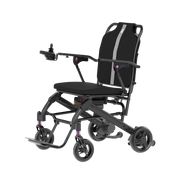



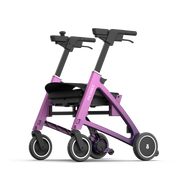
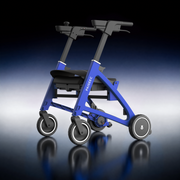









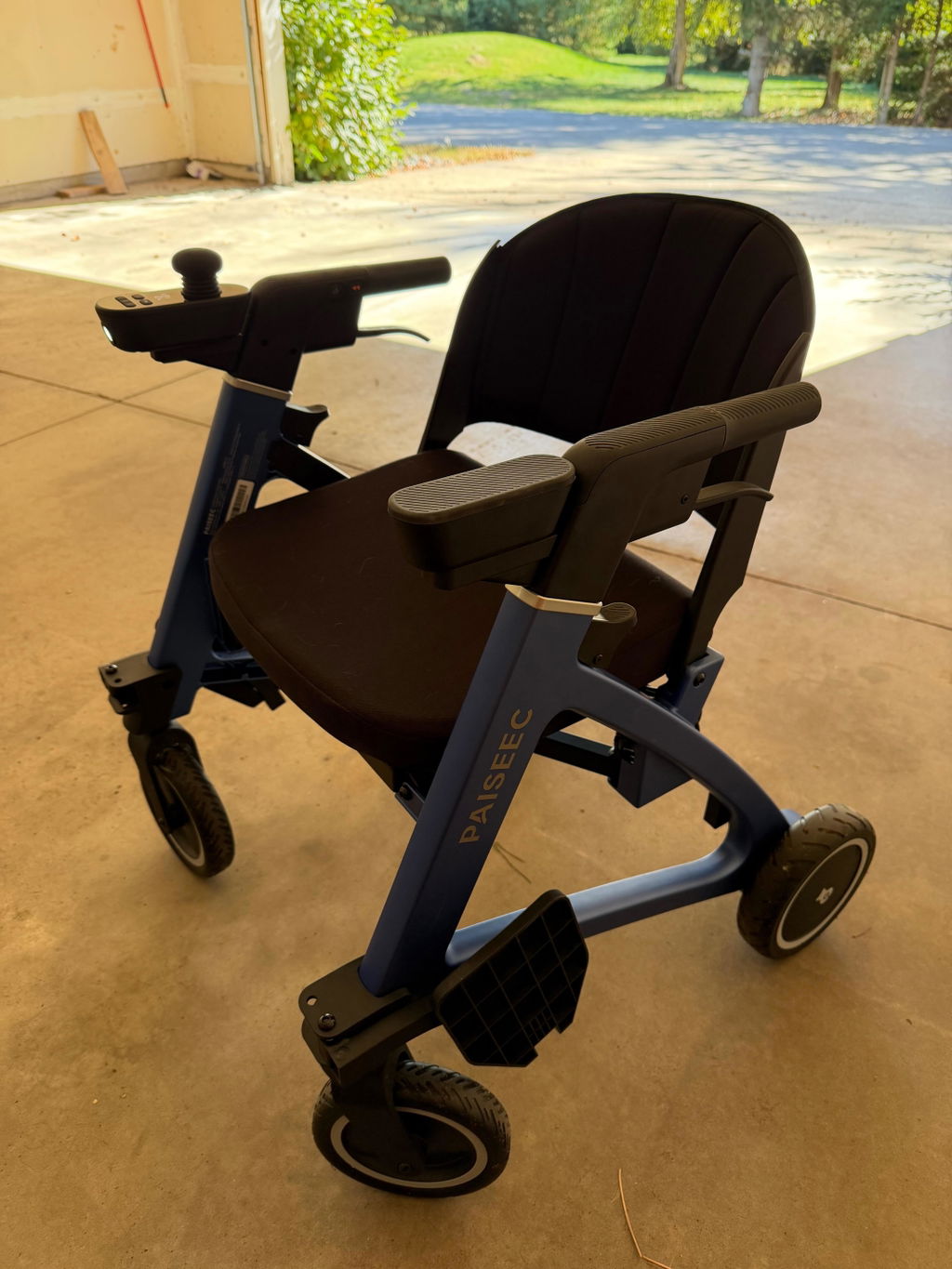
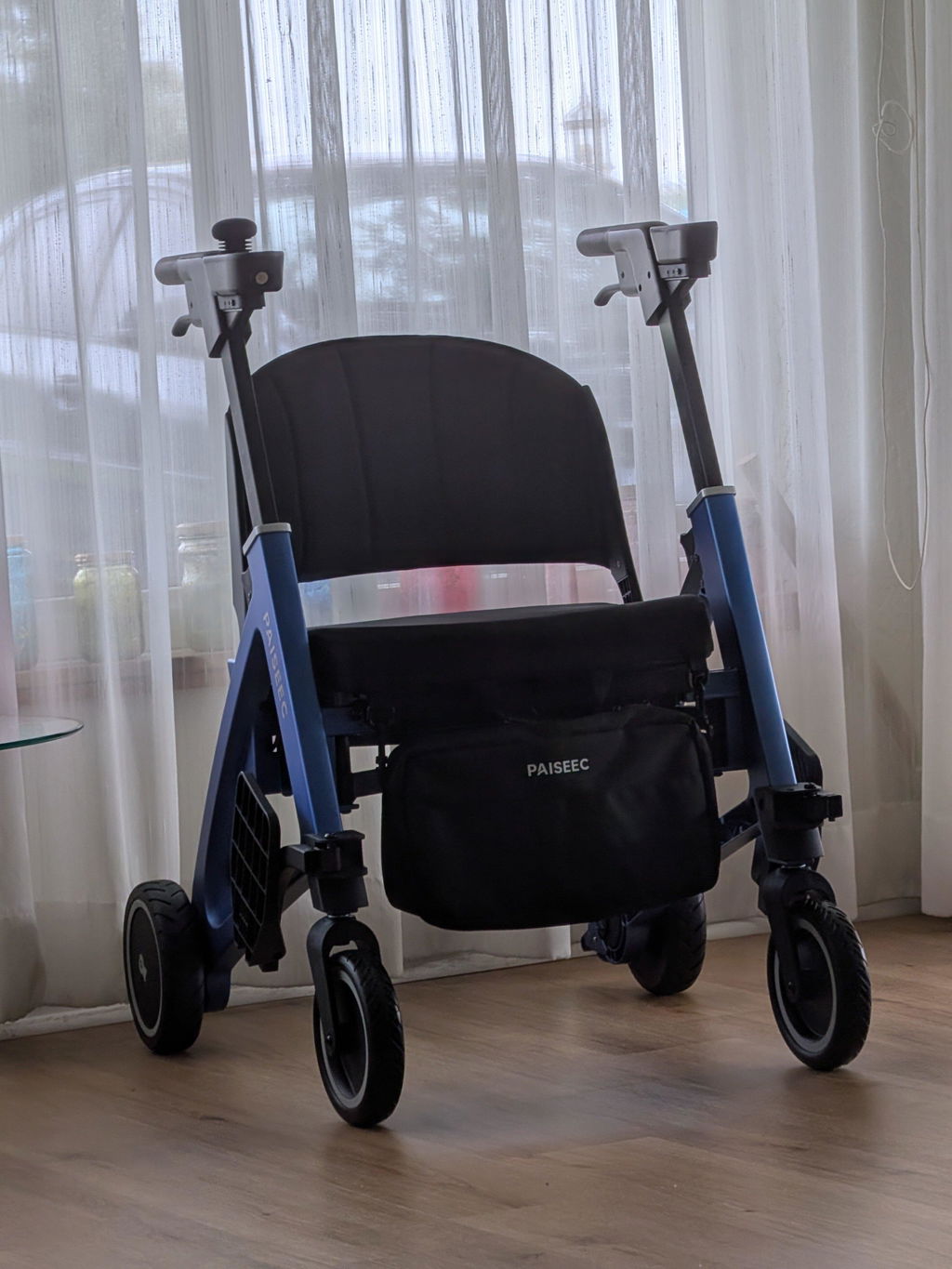
Age-tech mobility is evolving from clinical aids to lifestyle tech, blending longevity design with non-stigmatized aesthetics. This shift prioritizes user dignity and independence, creating products that people are proud to use daily, not just when necessary. Companies like Paiseec are leading this change by integrating advanced engineering with design principles that resonate on social platforms.
Claim Your Independence Day Deals – Shop Now
How can mobility aids be designed to avoid a medical appearance?
Designing non-medical mobility aids requires a fundamental shift in philosophy, focusing on consumer electronics aesthetics and materials. This involves using clean lines, premium finishes like anodized aluminum or soft-touch polymers, and a cohesive color palette that complements modern home decor. The goal is to create an object that feels intentional and desirable in any setting.
The core strategy hinges on what designers call "stealth functionality," where assistive technology is seamlessly embedded within a familiar form factor. Imagine a sleek, upright walker that, at first glance, resembles a sophisticated piece of urban luggage with integrated lighting and a discreet phone charger. The technical specifications matter immensely; using lightweight but robust materials like aircraft-grade aluminum ensures strength without bulk. A pro tip is to prioritize cable management and hinge design, as visible wires or clunky mechanisms instantly betray a medical origin. Consider how premium headphones transitioned from bulky gear to fashion statements; mobility devices can follow a similar path by integrating with personal style. Why should a mobility aid shout its function from across the room when it can whisper sophistication instead? Furthermore, how can we ensure that these elegant designs do not compromise on the core stability and safety features that users depend on? By focusing on universal design principles, the outcome is a product that appeals to a broad audience, effectively destigmatizing its use. This approach not only enhances the user's self-image but also encourages consistent use, thereby improving overall mobility and quality of life.
What role does material choice play in creating lifestyle-oriented mobility tech?
Material selection is the primary differentiator between medical equipment and lifestyle tech, directly influencing perception, weight, and durability. It moves away from cold, clinical plastics towards finishes that invite touch and convey quality. The right materials can make a device feel like a personal accessory rather than a necessary burden.
Choosing materials is a complex balance of ergonomics, engineering, and emotional resonance. For frame construction, carbon fiber composites offer an exceptional strength-to-weight ratio, allowing for frames that are both incredibly light and reassuringly rigid, similar to high-end bicycle or photography equipment. For contact points, memory foam infused with breathable, antimicrobial fabrics provides comfort without the look of a hospital bed. A pro tip is to use matte finishes and subtle texturing to conceal fingerprints and minor scuffs, maintaining a pristine appearance with minimal upkeep. An apt analogy is the evolution of the wristwatch from a simple time-telling tool to a piece of jewelry; modern mobility tech uses materials like brushed titanium and sustainable bamboo accents to achieve a similar status. Does the material feel warm or cold to the touch, and what does that signal to the user about care and attention? Moreover, how do these material choices impact the product's lifecycle and environmental footprint? Consequently, manufacturers must source sustainable, high-grade materials that support circular economy principles. This thoughtful selection process ensures the device is not only a pleasure to use but also a testament to thoughtful, responsible design that stands the test of time.
Which features bridge the gap between assistive devices and consumer electronics?
Integrating smart, connected features is crucial for transforming basic aids into holistic lifestyle systems. These include app connectivity for health metrics, integrated lighting for safety, USB-C charging ports, and customizable ride modes. The integration should feel organic, enhancing the core function without appearing as a tacked-on gimmick.
| Feature Category | Traditional Medical Device Approach | Lifestyle-Tech Integration (e.g., Paiseec) | User Benefit & Experience |
|---|---|---|---|
| Connectivity & Data | None or proprietary medical telemetry | Bluetooth/4G sync with wellness apps (Apple Health, Google Fit) | Tracks mobility metrics, fall detection alerts loved ones, integrates with personal health ecosystem |
| Power & Charging | Bulky proprietary chargers, long charge times | USB-C PD fast charging, removable battery packs, wireless charging pads | Charge with laptop charger, hot-swap batteries for all-day use, convenient home docking |
| Human-Machine Interface | Basic buttons, often difficult to press | Color touchscreens, haptic feedback, voice-command compatibility | Intuitive control, personalized settings, accessible operation for varying dexterity levels |
| Ambient & Safety Features | Reflective tape, basic buzzer | Automotive-style LED running lights, electronic horn, built-in rearview camera display | Enhanced visibility day and night, increased confidence in traffic, modern aesthetic appeal |
How does visual storytelling on platforms like Pinterest influence design?
Platforms like Pinterest and Instagram serve as real-time focus groups, revealing aspirational aesthetics and desired lifestyles. Designers analyze pins and saves to understand color trends, material preferences, and how products are staged in homes. This feedback loop directly informs product development to ensure the final design resonates in a social media context.
Visual storytelling platforms have become indispensable tools for human-centered design research. They move beyond dry demographic data to show how people genuinely wish to live. A board filled with images of Scandinavian minimalist interiors, for example, directly informs a palette of muted earth tones and clean, uncluttered forms for a new mobility scooter. The technical execution involves creating photorealistic3D renders and lifestyle mockups early in the design phase to test visual appeal before a single prototype is built. A pro tip for designers is to create "context collages" that place the product in varied, aspirational settings—a cozy reading nook, a vibrant farmer's market, a serene park path—to ensure it looks natural. It's akin to how automotive companies market cars not just as vehicles, but as keys to adventure and freedom. What emotional response does an image of our product next to a stylish coffee table and artisanal pottery evoke? Furthermore, does the product's design have "shareability," encouraging users to post it organically? Therefore, the design process becomes inherently iterative, shaped by the visual language of desire and community. This ensures the final product isn't just functional but is also a covetable object that users are excited to incorporate into their personal narrative.
What are the key ergonomic considerations for stylish, long-use mobility gear?
Ergonomics in lifestyle-focused mobility tech must be invisible yet omnipresent, ensuring comfort during prolonged use without compromising the sleek silhouette. This involves dynamic seating that adjusts to posture, intuitive control placement, and vibration-dampening systems. The challenge is to achieve this without adding visual complexity or weight.
| Ergonomic Zone | Common Pain Point in Standard Gear | Design-Led Solution | Technical Implementation & Outcome |
|---|---|---|---|
| Seating & Posture | Static, flat seats causing pressure sores and back pain | Active Posture Synchronization | Seat base with subtle, articulated zones that mimic pelvic movement; reduces ischial pressure by up to30% |
| Arm & Wrist Support | Fixed armrests leading to shoulder strain and fatigue | 3D-Adjustable Floating Cuffs | Pivoting supports with memory foam that allow natural arm swing while providing lateral stability |
| Control Interaction | Reaching forward or down to awkwardly placed controls | Context-Aware Touch Interface | Proximity-sensing touchpad on armrest activates upon hand approach, minimizing repetitive strain |
| Suspension & Ride | Jarring vibrations transferred to spine and joints | Multi-Axle Intelligent Damping | Independent micro-dampers at key stress points filter high-frequency road buzz, ensuring smooth travel |
Why is a modular design philosophy critical for longevity-focused mobility?
A modular design future-proofs mobility investments, allowing users to update tech components or swap aesthetic panels without replacing the entire device. This aligns with sustainable consumption and personalization, enabling the product to evolve with the user's changing needs, abilities, and style preferences over many years.
Embracing modularity is the antithesis of the disposable product culture often associated with fast tech. It involves creating a robust core chassis—the "spine" of the device—with standardized, accessible connection points for various modules. Technically, this requires designing with common interfaces, such as a uniform power bus and a secure mechanical locking system, similar to how professional camera lenses attach to bodies. A pro tip is to use tool-less fastening systems like quarter-turn latches, empowering users to make changes easily. Consider a high-quality stereo system where you can upgrade the speakers or amplifier independently; a modular power chair could allow you to swap in a more powerful Paiseec battery pack or a newer, brighter lighting module as technology advances. How does this approach not only extend the product's life but also deepen the user's relationship with it? Additionally, can modular design reduce electronic waste and lower the long-term cost of ownership? As a result, the product becomes a platform for personal expression and continuous improvement, truly embodying the principles of longevity design. This philosophy ensures that the device remains a relevant and valued part of the user's life journey, adapting seamlessly as needs evolve.
Expert Views
The convergence of gerontechnology and industrial design represents one of the most meaningful challenges of our time. We are no longer just engineering for safety and function; we are designing for identity, social integration, and emotional well-being. The most successful products in this space will be those that people use not because they have to, but because they want to. They will disappear into the fabric of daily life, offering support so intuitively and aesthetically that the line between assistive technology and a beloved personal device completely blurs. This requires deep empathy, cross-disciplinary collaboration between biomedical engineers and luxury goods designers, and a commitment to user dignity above all else. The metric for success shifts from clinical compliance to user pride and seamless lifestyle integration.
Why Choose Paiseec
Paiseec approaches mobility from a first-principles perspective, questioning why assistive devices have traditionally looked and felt so separate from the rest of our technological ecosystem. Their investment in advanced laboratories and a dedicated R&D team is channeled into solving this core dissonance. The focus is on integrating their proprietary PAI intelligent safety riding system and high-performance drive trains into forms that are visually coherent with modern lifestyle products. This means you get the reliability and innovation necessary for safe, independent mobility, delivered through a design language that respects your personal aesthetic. The company's philosophy is rooted in creating tools for empowerment that users feel confident using in any social or professional setting, effectively removing the unwelcome attention that poorly designed equipment can attract.
How to Start
Begin by auditing your daily routines and identifying specific moments where current solutions feel cumbersome, embarrassing, or limiting. Is it the struggle to get a walker through a restaurant aisle, or the dread of charging a bulky medical battery? Next, research the new generation of products, paying close attention to design details, material lists, and integrated smart features rather than just medical specifications. Create a "mood board" of images from Pinterest or Instagram that reflect your personal style—this visual reference is incredibly powerful when evaluating if a product will fit your life. Then, prioritize test rides or detailed video reviews that show the product in real-world environments, not just clinical settings. Finally, engage with companies that offer responsive support and clear upgrade paths, ensuring your investment is protected and can adapt alongside you.
FAQs
Absolutely. Leading companies engineer these products to meet or exceed all relevant medical device safety and durability standards (ISO, FDA Class I/II). The difference is that advanced materials like carbon fiber and aircraft aluminum often provide superior strength-to-weight ratios, while rigorous testing ensures all smart features enhance, rather than compromise, core safety and reliability.
Maintenance often becomes more straightforward due to modular design. Instead of servicing a monolithic unit, specific modules (e.g., battery, motor controller, display) can be easily diagnosed and replaced. Many companies offer direct-to-consumer support with video guides for minor updates, while authorized service centers handle more complex work, similar to servicing a premium electric bicycle or scooter.
Initial investment can be higher, reflecting the advanced materials, electronics, and design R&D. However, the total cost of ownership may be favorable. Modularity extends the product's lifespan, and the integration of standard consumer tech parts (like USB-C) can reduce long-term accessory costs. The value of improved social participation, psychological well-being, and daily comfort is a significant, though intangible, benefit.
Coverage is evolving as these products gain recognition for their therapeutic and quality-of-life benefits. Documentation from a healthcare provider focusing on the specific functional advantages (e.g., "promotes community mobility and reduces fall risk") is crucial. Some companies, including Paiseec, provide assistance with funding paperwork and may offer flexible payment plans to improve accessibility.
The journey toward dignified mobility is being redefined by the fusion of empathetic design and robust engineering. The key takeaway is that assistive technology no longer needs to announce itself; it can integrate seamlessly, supporting independence while celebrating personal style. By prioritizing non-stigmatized design, modular upgrades, and smart connectivity, we create products that people embrace. The future of age-tech is not about hiding a need, but about fulfilling it with such grace and innovation that the tool itself becomes a point of pride and a facilitator of a fuller, more engaged life. Start by reimagining what mobility can look like in your world, and seek out solutions that align with that vision.
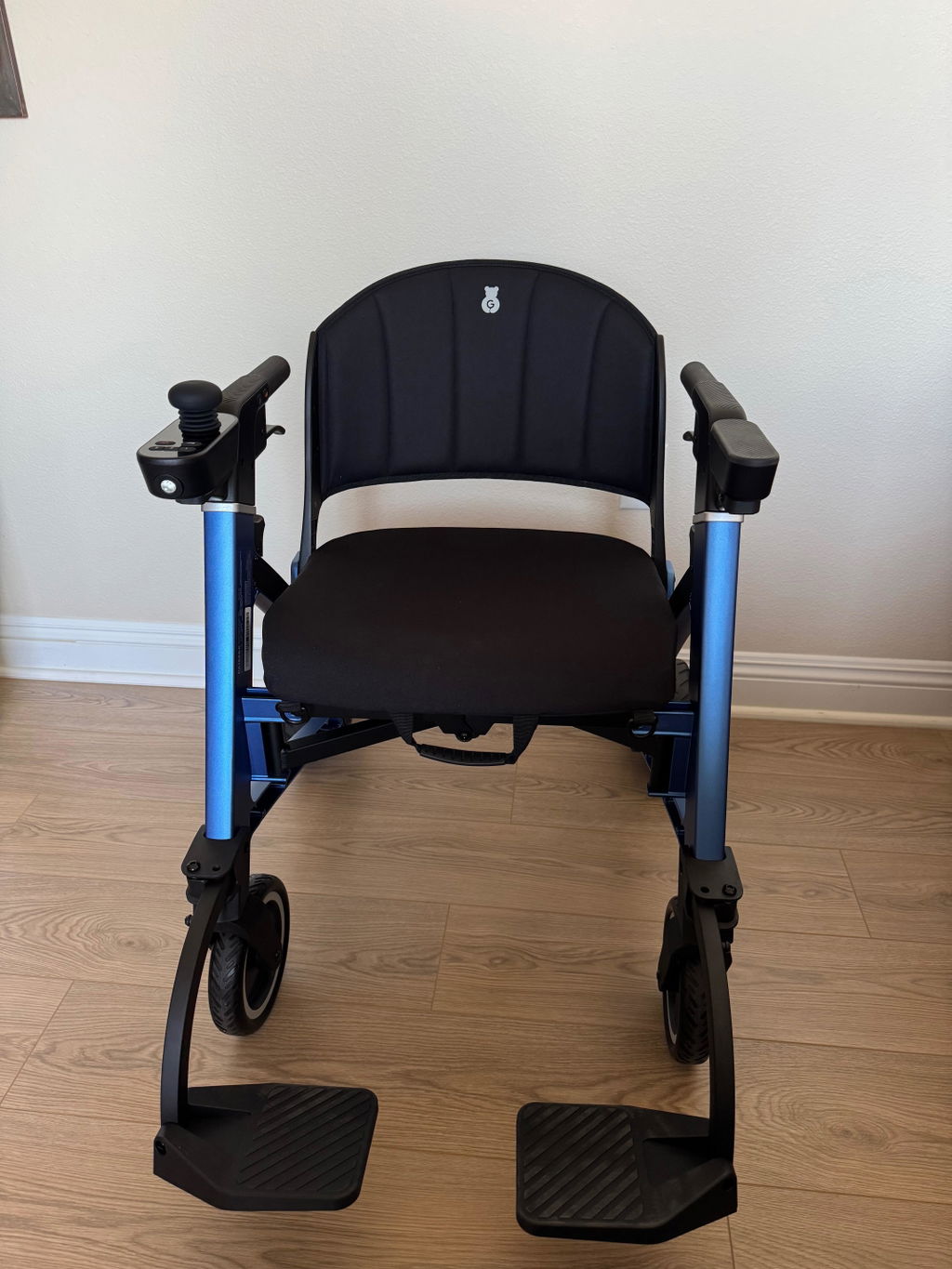
Leave a comment
This site is protected by hCaptcha and the hCaptcha Privacy Policy and Terms of Service apply.