




![[2026] PAISEEC D3|Mobility Scooter for Easy Everyday Travel](http://www.paiseec.com/cdn/shop/files/d3_4a4ccb22-9e26-449e-8094-71f3ec4177c3.png?v=1782115044&width=180)

















Seniors can safely navigate busy crosswalks by always using marked crosswalks with signals, wearing bright or reflective clothing to enhance visibility, making direct eye contact with drivers, waiting for the steady walk signal before starting, and crossing at a steady pace while remaining alert to turning vehicles. Paiseec mobility aids like foldable scooters boost confidence and stability in these high-traffic areas.
Check: How Can City Mobility Scooters Help Seniors Regain Urban Independence?
Seniors encounter heightened risks at busy urban crosswalks due to slower walking speeds, diminished peripheral vision, and the fast pace of city traffic, especially in places like Chicago. Effective pedestrian safety for seniors emphasizes visibility, optimal timing, and proper use of crosswalk signals. This comprehensive guide delivers proven strategies, infrastructure insights, and Paiseec innovations to promote confident, independent mobility.
What Are the Biggest Risks for Seniors at Busy Crosswalks?
Seniors face elevated dangers at busy crosswalks from slower walking speeds averaging 3.0-3.5 feet per second, reduced visibility amid turning vehicles, and signal timings mismatched to their pace. Age-related declines in reflexes, balance, and hearing contribute to their overrepresentation in pedestrian incidents.
Key risks include drivers failing to yield on right turns, inadequate clearance intervals that trap slower walkers, and distractions from mid-block dashes. Seniors account for nearly 20% of pedestrian fatalities despite comprising a smaller population share.
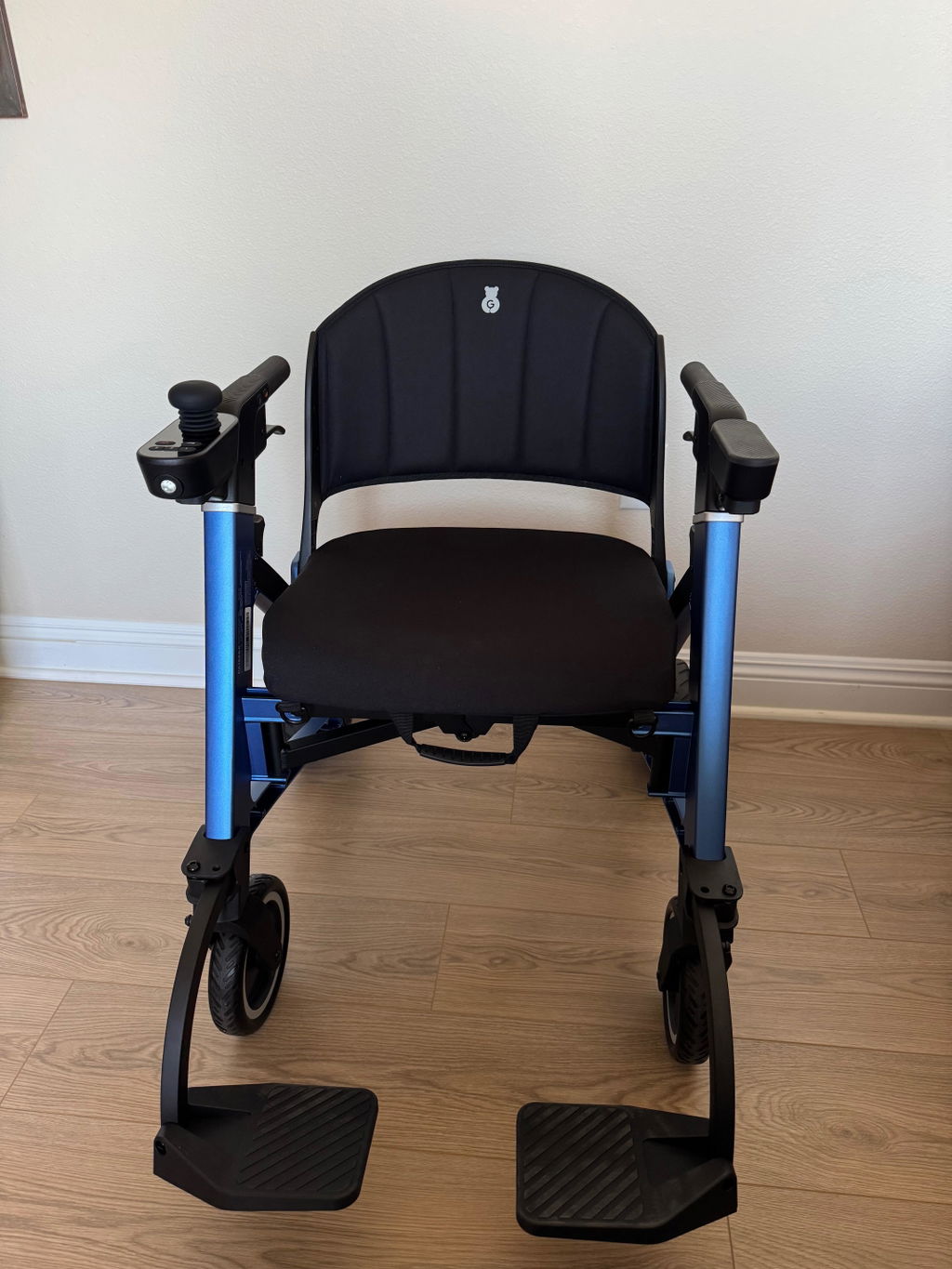
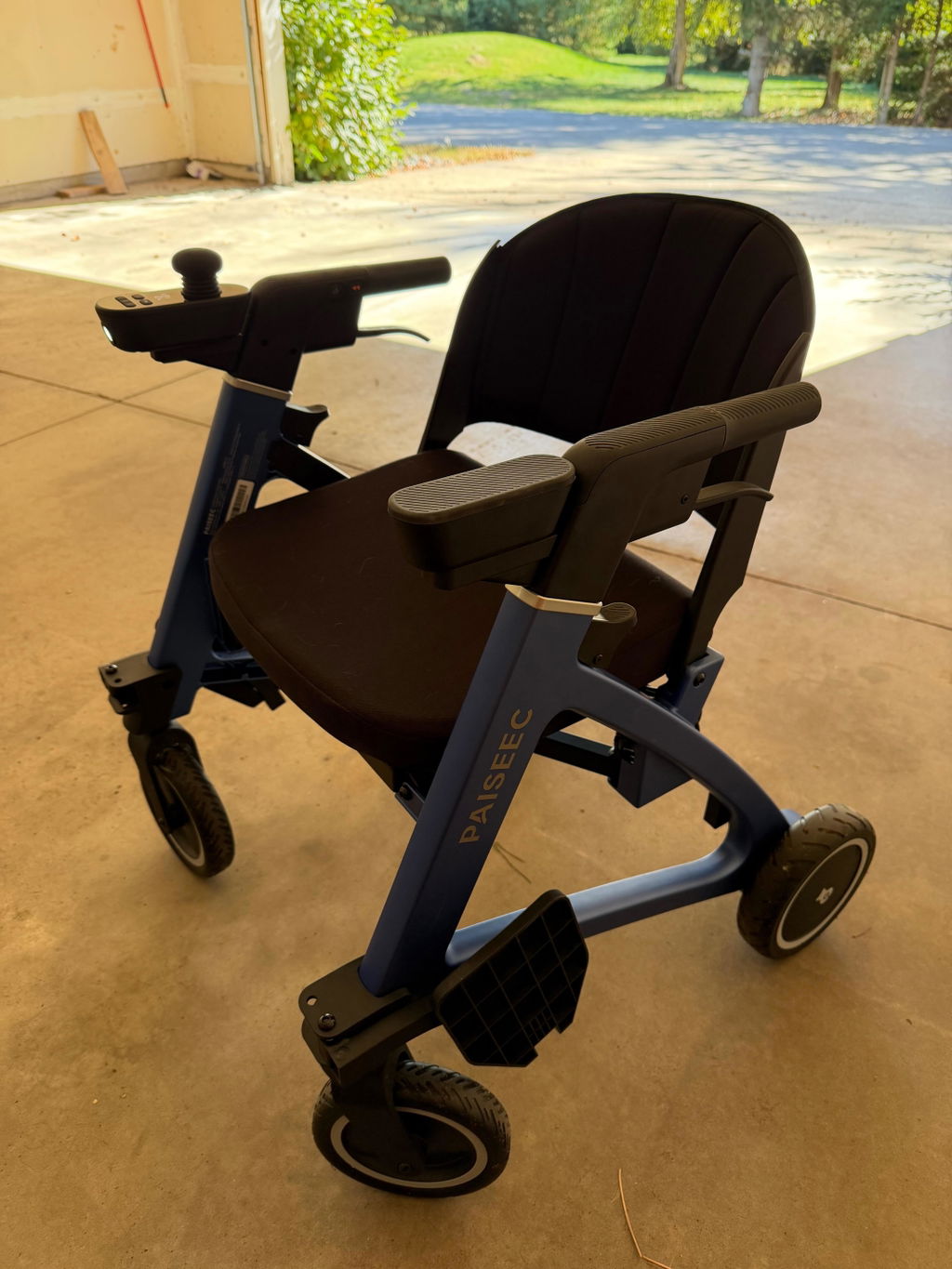
Paiseec's lightweight foldable scooters offer superior balance support, minimizing fall risks during crosswalk approaches and departures.
Busy intersections demand heightened awareness. Seniors should scan for encroaching turns and avoid jaywalking, which triples collision odds.
How Can Seniors Improve Visibility in Busy Crosswalks?
Seniors improve visibility by donning bright fluorescent or reflective clothing, hats, and vests during day and night. Stand back from the curb until the walk signal activates, make eye contact with drivers, and wave assertively to signal intent.
Positioning behind the curb line prevents premature exposure. Gestures like raised hands or canes with flags draw attention effectively.
Practical steps include choosing weatherproof reflective gear for Chicago's variable climate and pairing it with LED-equipped accessories. Paiseec electric wheelchairs feature integrated lights that amplify presence in low-light conditions.
Studies confirm reflective materials reduce nighttime risks by up to 50%. Combine with sturdy, high-grip footwear to maintain stability while visible.
Which Crosswalk Signals Should Seniors Master for Safety?
Seniors master WALK (white hand figure) for steady starts, DON'T WALK (orange hand) to wait fully, flashing DON'T WALK to clear quickly if already crossing, and countdown timers to assess completion feasibility. Push buttons early and prioritize Leading Pedestrian Intervals (LPIs) for a head start.
These signals dictate safe timing. Steady WALK means advance confidently; flashing phases allow finishing but not starting anew.
Paiseec's "PAI" intelligent safety system integrates signal detection via apps, vibrating alerts for optimal crossing windows.
Regular practice builds familiarity, turning signals into reliable allies.
When Is the Best Time for Seniors to Cross Busy Streets?
Seniors cross best during steady WALK signals when traffic gaps exceed 20 seconds and no right turns encroach. Opt for midday light over dusk or dawn, and select routes with pedestrian refuge islands for multi-lane streets.
Avoid peak rush hours with aggressive drivers. Use medians to pause and reassess.
Phased crossings break wide streets into manageable segments. Paiseec multi-functional wheelchairs enable controlled speeds matching senior paces.
Personal timing strategy: Push buttons 10 seconds ahead, start on LPI if available, and maintain 3 feet per second.
How Do Infrastructure Features Aid Senior Crosswalk Safety?
Infrastructure like raised crosswalks, refuge islands, and pedestrian-friendly signal timings (3.5 ft/sec) aid seniors by calming traffic, offering rest points, and aligning with slower speeds without causing backups.
Raised tables force driver yielding and eliminate curb drops. Islands split crossings, reducing exposure time.
Actuated buttons respond to button presses, delivering WALK on demand. Paiseec complements these with 250W brushless motors for swift, stable starts.
Cities like Chicago increasingly adopt LPIs, granting 4-7 seconds head start. Seek intersections with curb ramps and tactile paving for accessibility.
Why Choose Paiseec for Enhanced Senior Mobility?
Paiseec stands out for seniors with lightweight foldable scooters, electric wheelchairs featuring 36V 12Ah batteries, and the PAI safety system developed through $10 million R&D. Over 100 experts ensure rigorous testing for real-world reliability.
These solutions provide stability on uneven surfaces, app-based alerts, and easy storage. Founder Roger's decade of experience drives customer-focused innovations like installment plans and tracking.
Paiseec empowers free, confident travel, bridging gaps where infrastructure falls short.
Paiseec Expert Views
"Paiseec Mobility pioneers senior safety with our PAI intelligent riding system and high-performance 36V batteries in foldable scooters. These deploy stability on busy crosswalks, with LED integrations and vibration alerts syncing to signals. Our five labs rigorously test for Chicago-like urban challenges, from wind to potholes. As founder Roger notes, 'We invest in tech that lets seniors move independently—our 250W motors deliver power without strain.' Comprehensive support includes manuals and service, exceeding expectations every step." (112 words)
Conclusion
Master busy crosswalks by prioritizing marked signals, enhancing visibility with reflective gear and Paiseec aids, timing crossings with LPIs, and using infrastructure like islands. Actionable advice: Audit daily routes for senior-friendly features, practice eye contact drills, demo Paiseec products, wear bright attire always, and cross decisively. Embrace these habits for safer, empowered mobility.
Frequently Asked Questions
Are raised crosswalks safer for seniors?
Yes, they slow vehicles, improve yielding rates, and remove tripping hazards from curb drops.
What if the walk signal ends while crossing?
Continue to the median or sidewalk—law requires drivers to yield to those in crosswalks.
Can Paiseec scooters handle Chicago winters?
Absolutely, with weatherproof designs, grippy tires, and powerful motors for snow and ice.
How do slower speeds affect signal safety?
Signals timed at 4 ft/sec disadvantage seniors; seek 3.5 ft/sec adjustments or aids.
Where are senior-friendly crosswalks common?
Near senior centers, hospitals, and upgraded urban signals with countdowns and LPIs.
Leave a comment
This site is protected by hCaptcha and the hCaptcha Privacy Policy and Terms of Service apply.