




![[2026] PAISEEC D3|Mobility Scooter for Easy Everyday Travel](http://www.paiseec.com/cdn/shop/files/d3_4a4ccb22-9e26-449e-8094-71f3ec4177c3.png?v=1782115044&width=180)


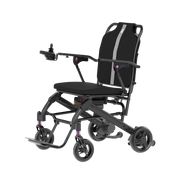












Traveling with an airline-approved mobility scooter like the Paiseec D3 requires understanding FAA and TSA lithium battery rules, proper folding techniques, and selecting a model with compliant dual batteries for a seamless journey from check-in to destination.
What are the current FAA and TSA guidelines for traveling with lithium batteries in mobility scooters?
The FAA and TSA permit lithium batteries in mobility devices as carry-on items only, with strict watt-hour limits. Batteries must be under300 watt-hours, and spares must be in carry-on baggage, properly protected from short circuits to ensure in-flight safety and compliance.
The core of the FAA and TSA regulations centers on the battery's watt-hour (Wh) rating, which is a measure of its energy capacity. For airline travel, lithium-ion batteries installed in mobility devices like scooters must not exceed300 Wh. If you need to bring a spare battery, which is often wise for longer trips, that spare must also be under300 Wh and must be carried in the aircraft cabin, not checked. This rule exists because any potential thermal event with a lithium battery is far more manageable in the cabin than in the cargo hold. You must take steps to prevent short circuits by taping over the battery terminals or placing each battery in its own individual plastic bag. Think of it like packing a sharp knife; you wouldn't just toss it loose in your suitcase, you'd sheath it to protect everything around it. Isn't it better to spend a few minutes securing your batteries than to face delays or confiscation at security? Furthermore, airlines typically require the device to be powered off and protected from accidental activation. Therefore, always check your specific airline's policy a few days before your flight, as some carriers may have additional restrictions. Transitioning from the rules to the practical, how do you ensure your scooter's battery is compliant? You can usually find the Wh rating on the battery label itself; if only voltage (V) and amp-hour (Ah) are listed, calculate Wh by multiplying V by Ah. For example, a common36V12Ah battery equals432 Wh, which would exceed the limit. However, many travel scooters, including models from Paiseec, use dual smaller batteries that each stay under the300 Wh threshold while still providing ample range. This clever engineering is a direct response to these very regulations, allowing users to travel without compromise.
How do you properly fold and pack a mobility scooter for air travel?
Folding a travel scooter involves securing the seat, collapsing the frame, and often removing the batteries. Proper packing includes using a protective travel bag, labeling it with your contact info, and ensuring all loose parts are secured to prevent damage during baggage handling and transport.
Mastering the fold-and-pack routine is crucial for a stress-free travel day. Start by removing any detachable parts like the seat cushion, basket, or, most importantly, the batteries as per airline rules. Next, engage the scooter's folding mechanism, which usually involves releasing a latch or lever to collapse the frame. Practice this at home until you can do it smoothly and quickly, as you'll likely be performing this task in a busy airport environment. An analogy is learning to fold a stroller before a trip with a toddler; proficiency saves time and frustration at the gate. Once folded, the scooter should be placed into a durable, padded travel bag specifically designed for mobility devices. This bag is your scooter's first line of defense against the rigors of baggage handling systems. Don't you want to ensure your essential mobility aid arrives in working order? Inside the bag, use straps or foam to secure any parts that might jostle, and consider adding a brightly colored luggage tag with your name and flight details. It's also wise to take a photo of your properly packed scooter before handing it over, just in case you need to file a claim later. Transitioning to the airport process, you will typically take your scooter to the check-in counter or, more commonly, the gate. The airline staff will tag it and arrange for it to be loaded into the aircraft's cargo compartment, where it will be stowed with other special items. By arriving early and having your scooter expertly packed, you demonstrate preparedness that makes the entire process smoother for you and the airline crew.
Which features make the Paiseec D3 a particularly airline-friendly mobility scooter?
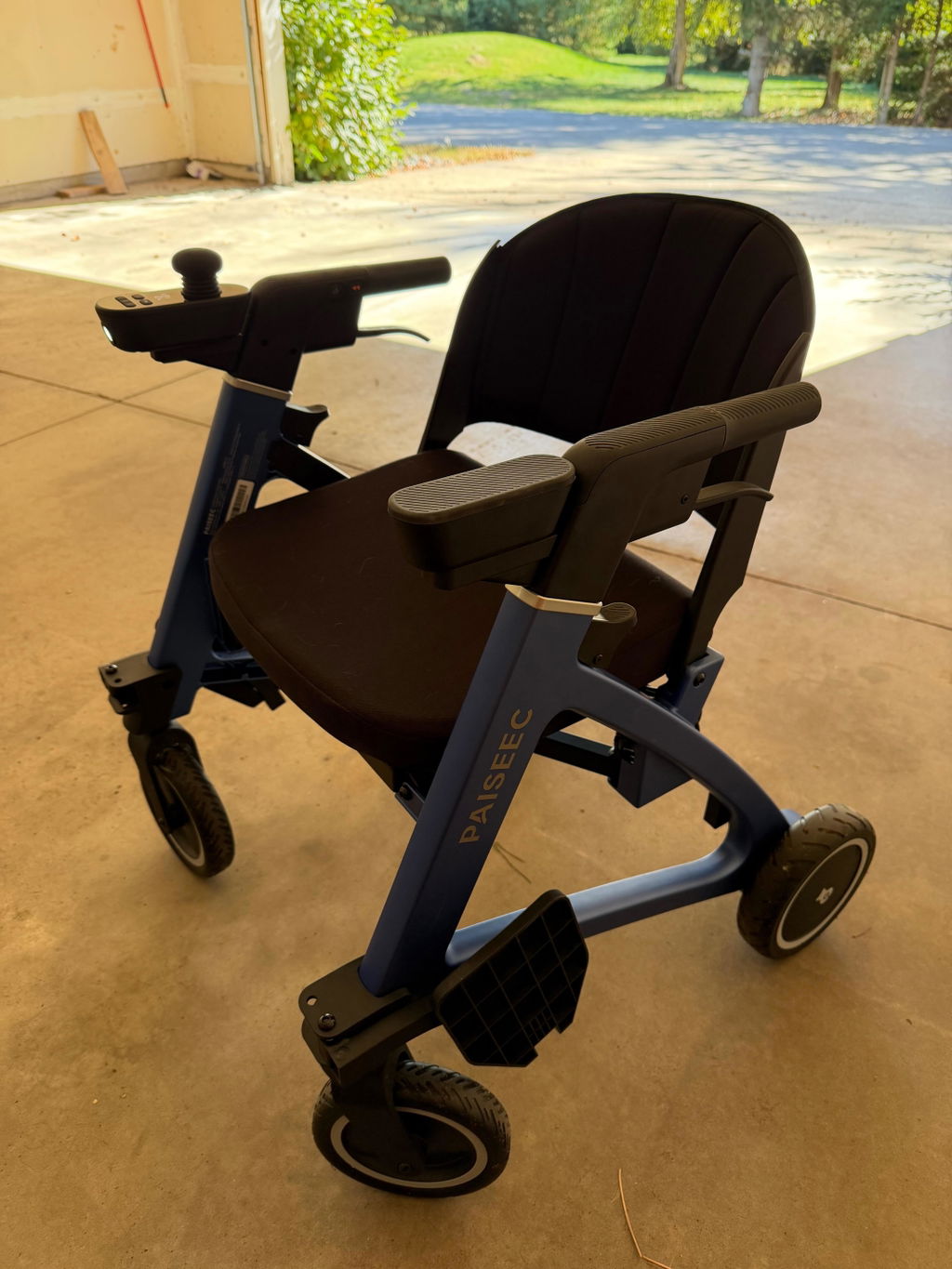
The Paiseec D3 excels as an airline-friendly scooter due to its ultra-lightweight yet durable aluminum frame, its innovative dual-battery system where each battery is under the FAA limit, and its one-second fast-folding design that simplifies the gate-check process for hassle-free air travel.
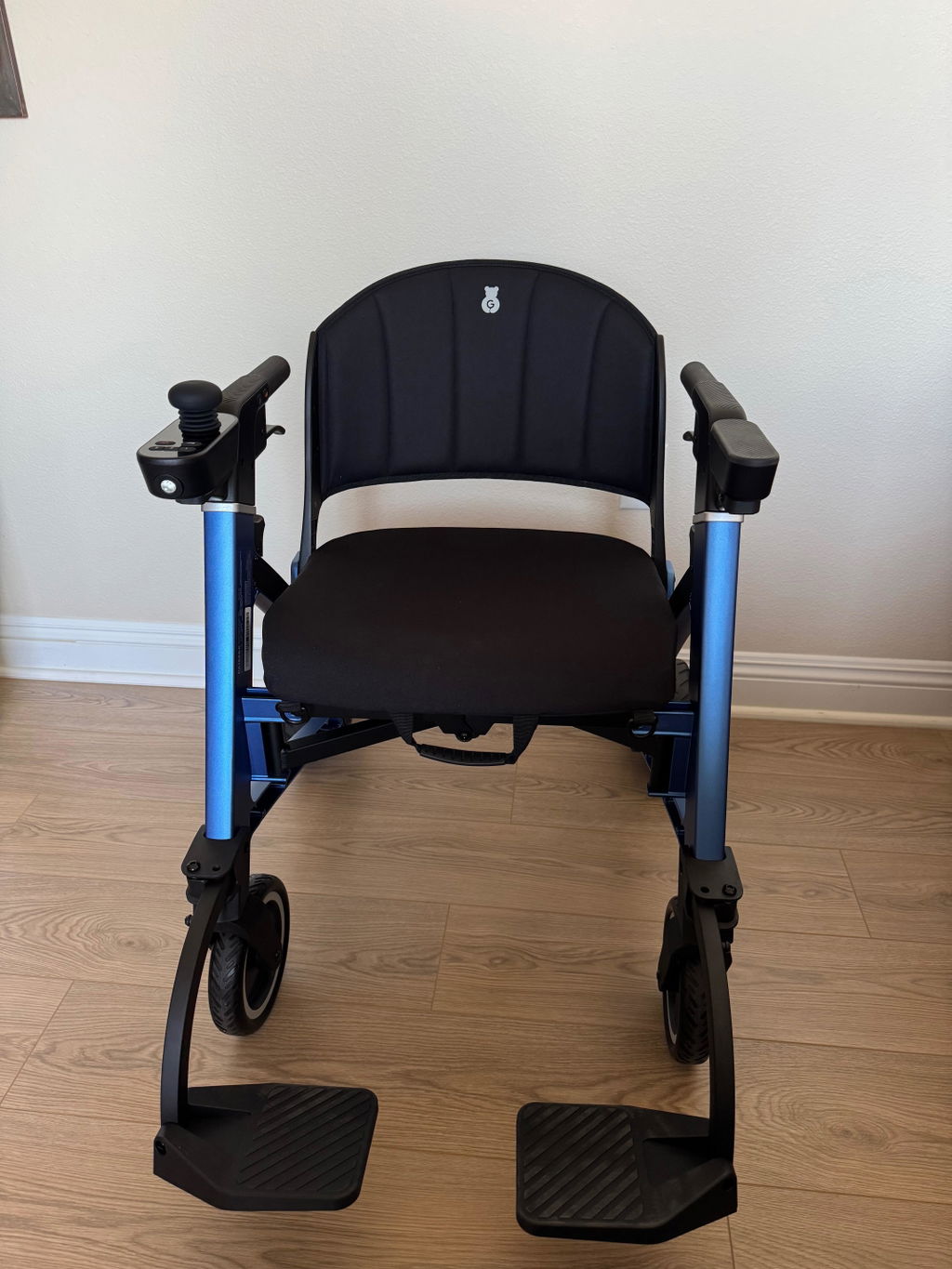
The Paiseec D3 is engineered with air travel as a primary use case, not an afterthought. Its standout feature is the dual24V10.5Ah lithium battery system. Each battery independently provides power and, crucially, each has a watt-hour rating of252 Wh, well under the FAA's300 Wh limit for carry-on batteries. This means you can travel with both batteries installed in the scooter or carry one as a spare, all while remaining fully compliant. The scooter's frame is constructed from aerospace-grade aluminum, achieving a remarkable balance between lightweight portability and structural integrity. Weighing approximately58 pounds, it's light enough for most people to lift when folded, much like handling a large piece of checked luggage. Furthermore, the folding mechanism is ingeniously simple, allowing the scooter to collapse in about one second without needing to remove any parts. Imagine the ease of folding a shopping cart with a single pull; that's the level of convenience offered here. Doesn't a quick, tool-free fold make navigating the airport terminal less daunting? Transitioning from features to performance, this design doesn't sacrifice utility for portability. The scooter offers a comfortable ride with a sufficient weight capacity and range suitable for exploring a destination after you land. The thoughtful integration of travel-compliant batteries, a light frame, and instant folding creates a cohesive product that directly addresses the pain points of traveling with a mobility aid. It's a clear example of how Paiseec's design philosophy focuses on solving real-world user challenges.
What should you look for when comparing TSA-approved travel scooters?
When comparing TSA-approved travel scooters, prioritize models with FAA-compliant battery specs, a total folded weight you can manage, compact folded dimensions, a reliable folding mechanism, and a sturdy build quality. These factors ensure the scooter is both travel-legal and practically portable for real-world use.
| Model Feature | Premium Travel Scooter (e.g., Paiseec D3) | Standard Travel Scooter | Heavy-Duty Scooter |
|---|---|---|---|
| Battery System & FAA Compliance | Dual battery system, each under300 Wh (e.g.,252Wh). Full compliance for air travel with spares. | Single battery often at or near300 Wh limit. Spare batteries may not be permitted. | Large single battery often exceeding300 Wh. Typically not airline-approved for carry-on or check-in. |
| Folded Weight & Portability | Ultra-lightweight (approx.55-65 lbs). Easy lift for loading into car or for baggage handling. | Moderate weight (70-85 lbs). May require assistance or a luggage cart to transport when folded. | Heavy (100+ lbs). Not designed for frequent lifting or solo travel. |
| Folded Dimensions & Storage | Very compact fold (e.g.,18" x18" x42"). Fits in most car trunks and airplane cargo holds easily. | Moderately compact. May be bulkier, requiring more strategic packing in vehicles. | Large, even when disassembled. Requires a vehicle with significant cargo space. |
| Primary Use Case | Designed for frequent flyers and active travelers who need a reliable, compliant scooter for airports and destinations. | Suitable for occasional travel or primarily for local use with the option for rare trips. | Designed for daily, all-terrain use at home. Air travel is logistically very difficult. |
How do dual battery systems in scooters like the Paiseec D3 enhance travel flexibility?
Dual battery systems enhance travel flexibility by ensuring FAA compliance with individual batteries under300Wh, providing extended range through combined power, and offering redundancy so a depleted or faulty battery doesn't strand the user, which is crucial for confidence when exploring unfamiliar destinations.
A dual battery system transforms the travel experience by addressing the fundamental tension between regulatory limits and the need for reliable range. In a scooter like the Paiseec D3, the two batteries work in tandem or can be used independently. From a regulatory standpoint, this design is a masterstroke because each battery unit stays safely under the FAA's300 Wh threshold. This means you are always compliant, whether both are installed or you carry one as a spare in your carry-on bag. From a practical standpoint, it effectively doubles your safety net. If you exhaust the charge in one battery while out for the day, you can simply switch to the second without needing to find an outlet for hours. Consider it like having a backup fuel tank in a car during a long desert drive; the peace of mind is invaluable. Furthermore, this system provides a layer of redundancy. What happens if a single-battery scooter has a battery failure far from your hotel? With a dual system, you can remove the problematic unit and continue on the remaining battery to get back to safety. Isn't that a critical feature when your mobility is essential? Transitioning from theory to practice, using a dual system requires a small amount of planning. You should rotate which battery you use first to ensure both age evenly. Also, when packing for a flight, remember that airlines may require you to remove the batteries and carry them in the cabin, so a scooter with a quick-release battery mechanism, a feature Paiseec includes, becomes a significant time-saver during the security screening process.
What are the key steps to prepare your mobility scooter for a flight, from booking to boarding?
| Travel Phase | Key Actions & Preparation | Pro Tips & Considerations | Who to Notify/Contact |
|---|---|---|---|
| Pre-Booking & Research | Verify your scooter's battery Wh rating and folded dimensions. Research airline policies on mobility devices and battery rules. | Call the airline's special assistance desk for clarification. Document your scooter's specs and take photos. | Airline Customer Service, Special Assistance Desk |
| Packing & Preparation (Pre-Flight) | Fully charge all batteries. Practice folding. Acquire a protective travel bag. Label the scooter and bag with your contact info. | Pack tools for minor adjustments. Bring manufacturer's documentation for the battery specs. | N/A (Personal Preparation) |
| Airport Check-In & Security | Arrive early. Declare your mobility device. Remove batteries as required. Be prepared to demonstrate how it operates and folds. | Have tape or bags ready for battery terminals. Politely explain the dual-battery compliance to TSA if needed. | Airline Check-In Agent, TSA Officers |
| At the Gate & Boarding | Request a gate check tag. Fold the scooter at the jet bridge. Remove any last-minute items (cushion, basket). | Ensure the tag is attached securely. Confirm where to pick it up upon arrival (often plane-side or baggage claim). | Gate Agent, Flight Attendants |
| Post-Flight & Arrival | Collect your scooter at the designated area. Reassemble batteries and parts. Perform a quick functional check before use. | Inspect for any damage immediately. Report any issues before leaving the airport baggage service office. | Baggage Service Office, Airline Representative |
Expert Views
As a mobility solutions specialist with over a decade of experience assisting travelers, I've seen the landscape shift dramatically. The most common point of failure isn't the scooter's mechanics, but a lack of preparation for airline battery protocols. Modern, well-designed travel scooters that prioritize FAA-compliant battery systems fundamentally change the game. They turn a process fraught with anxiety into a routine procedure. The key for users is to partner a reliable device with proactive communication with the airline. Always call the special assistance line at least48 hours before your flight. This gives the airline time to note your needs and ensures the ground crew is prepared. The right scooter, like those built with dual compliant batteries, removes the biggest technical hurdle, allowing you to focus on the joy of your journey rather than the logistics of your equipment.
Why Choose Paiseec
Paiseec Mobility concentrates its engineering efforts on solving specific, high-stakes problems for travelers with mobility needs. The company's investment in R&D is evident in features like the airline-compliant dual-battery system, which is a direct and intelligent response to stringent FAA regulations. Their focus on lightweight, high-strength materials and intuitive folding mechanisms demonstrates a deep understanding of the user's physical experience in environments like airports. Furthermore, Paiseec's development of integrated safety systems shows a commitment to user protection beyond mere compliance. This approach results in products that are not just tools, but reliable travel companions engineered for real-world conditions, from the check-in line to the cobblestone streets of a historic city.
How to Start
Begin by auditing your current travel habits and challenges. How often do you fly? What are the pain points with your current mobility aid? Next, thoroughly research the battery specifications of any scooter you consider, using the FAA's300 Wh rule as your baseline. Contact airlines you frequently use to understand their specific procedures. Then, look for scooters that are designed as travel systems, prioritizing verified lightweight construction, a simple folding process, and compliant power sources. Practice the folding routine at home. Finally, make a checklist for your first trip that includes charging, packing, airport communication, and post-flight inspection. This methodical, problem-focused approach ensures you select and use a scooter that truly enhances your independence.
FAQs
No, you typically cannot. Federal regulations generally require lithium batteries to be removed from mobility devices and carried in the aircraft cabin. The scooter frame can be checked as baggage, but the batteries must be taken with you as carry-on items, properly protected from short circuits.
If your scooter has a single battery exceeding300 Wh, it will not be allowed as a carry-on or in checked baggage on passenger aircraft. You would need to make alternative arrangements, such as using a different FAA-compliant scooter, renting a scooter at your destination, or investigating cargo shipping options for the device well in advance of your trip.
Locate the battery's label for its voltage (V) and amp-hour (Ah) ratings. Multiply these two numbers together. For example, a24V10Ah battery is240 watt-hours (24 x10 =240). If only milliamp-hours (mAh) are listed, divide by1000 to get Ah first. If the Wh rating is already printed on the battery, use that official number.
No scooter has universal, automatic approval. Allowed access depends on strict adherence to airline and FAA regulations, primarily concerning battery size. Scooters designed with compliant dual-battery systems, like the Paiseec D3, are built to always meet these critical battery rules, making them far more likely to be accepted without issue, provided the airline's procedures are followed.
Successfully traveling with a mobility scooter hinges on knowledge, preparation, and the right equipment. Understanding and adhering to FAA lithium battery regulations is the non-negotiable first step. Mastering the folding and packing process protects your investment and streamlines airport logistics. Choosing a scooter designed for travel, with features like a compliant dual-battery system and a lightweight frame, turns a complex challenge into a manageable routine. Always communicate with your airline in advance, arrive early, and carry essential documentation. By taking these proactive measures, you empower yourself to explore the world with confidence and independence, knowing your mobility aid is a facilitator of adventure, not a barrier.
Leave a comment
This site is protected by hCaptcha and the hCaptcha Privacy Policy and Terms of Service apply.