




![[2026] PAISEEC D3|Mobility Scooter for Easy Everyday Travel](http://www.paiseec.com/cdn/shop/files/d3_4a4ccb22-9e26-449e-8094-71f3ec4177c3.png?v=1782115044&width=180)

















Folding mobility scooters like the Paiseec S3 are transformative for seniors, offering a blend of portability and independence. These lightweight, travel-friendly aids fold into compact units for cars or storage, featuring robust batteries and weight capacities that support daily errands and adventures, making them a top choice for maintaining an active lifestyle.
How does a folding mechanism enhance a scooter's usability for seniors?
The folding mechanism is the cornerstone of a travel scooter's practicality. It transforms a bulky mobility aid into a compact package that can be easily stored in a car trunk or a closet. This feature directly addresses the challenges of transport and storage that often deter seniors from using traditional scooters, thereby promoting greater independence and spontaneity.
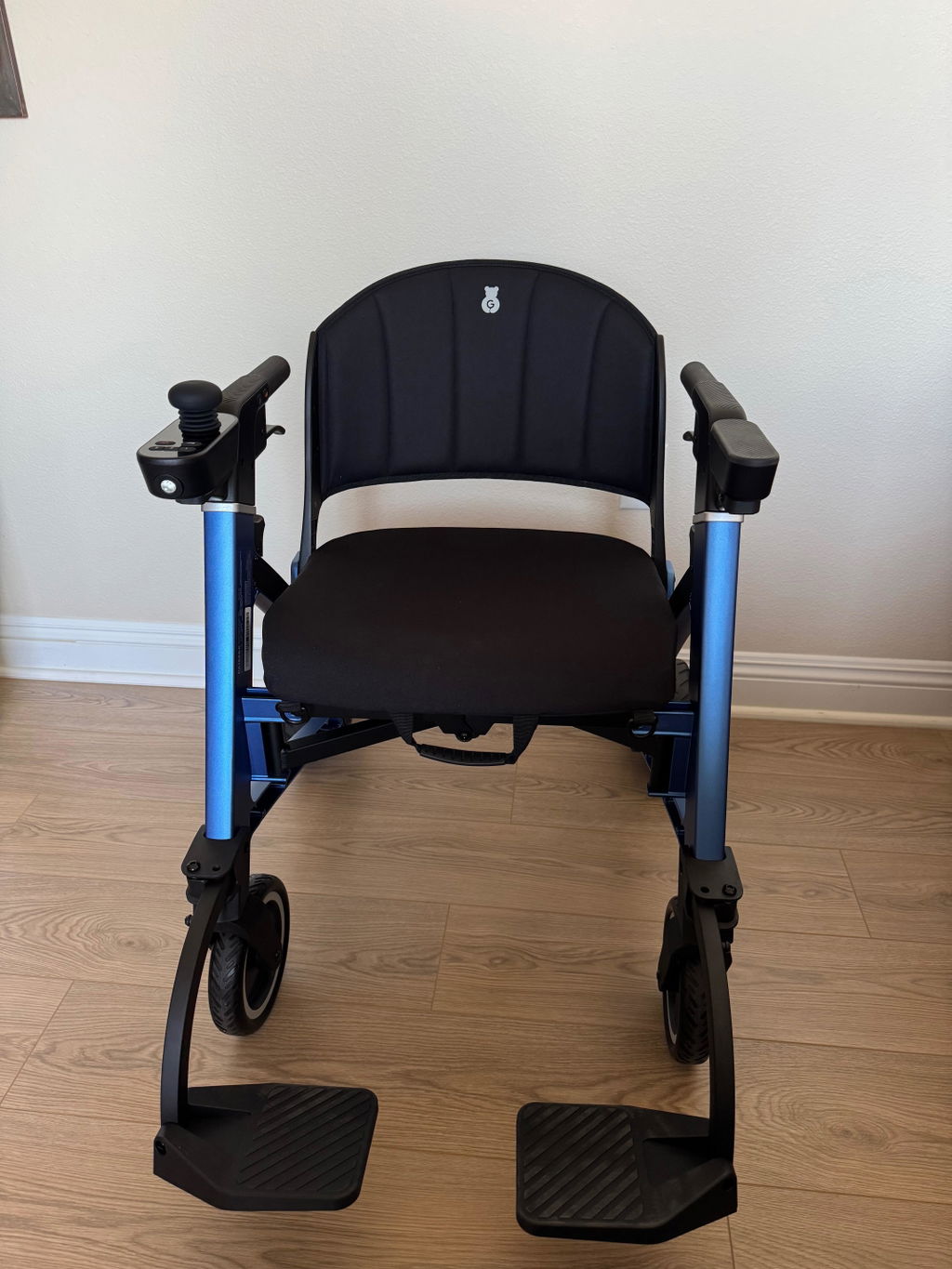
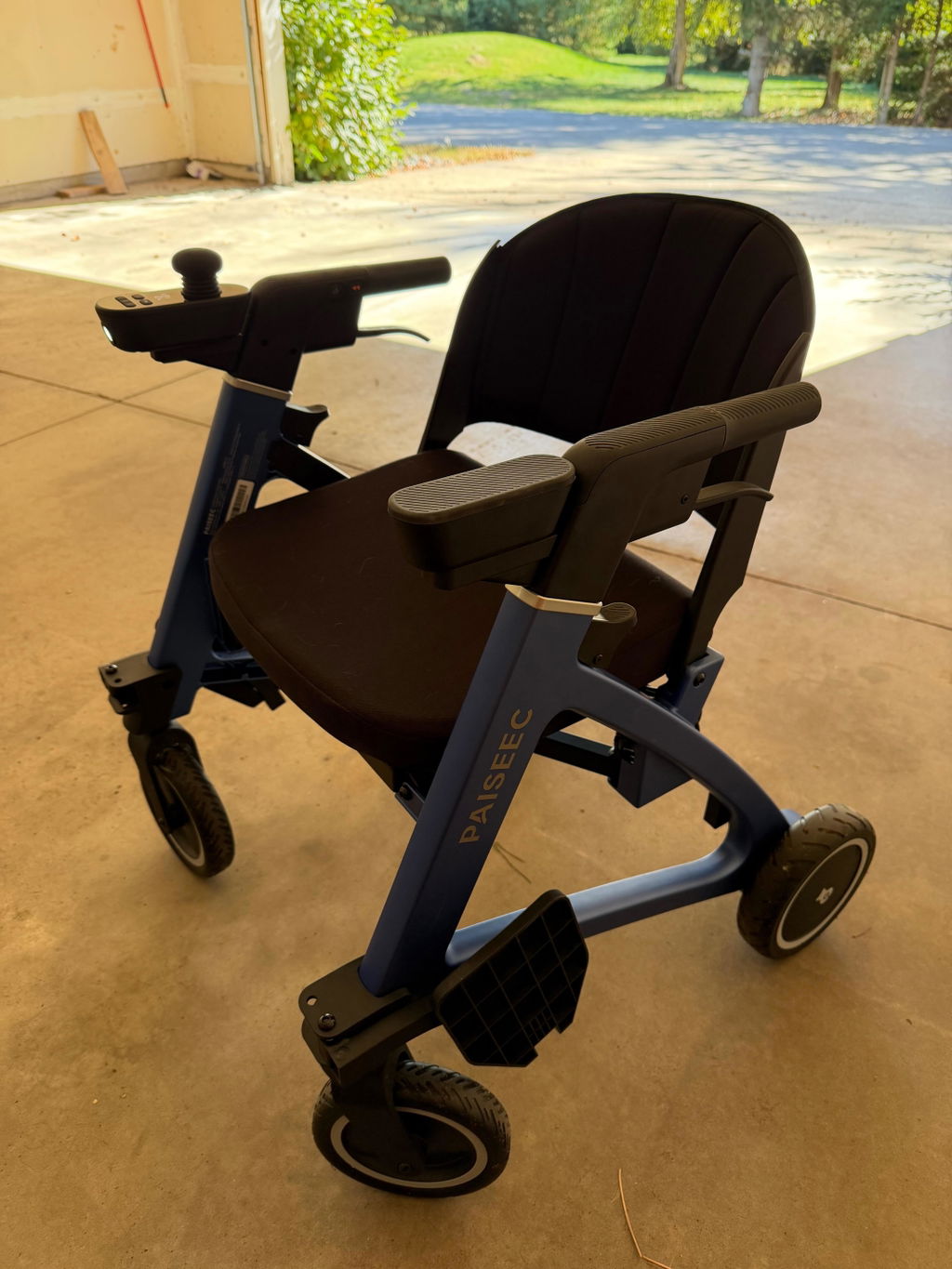
Imagine a scooter that can be folded down in under ten seconds without requiring tools, a process as simple as collapsing a modern stroller. This engineering marvel hinges on a robust central latch system combined with strategically placed hinges. The key benefit is logistical freedom; a senior can now take their scooter on a family road trip, to the mall, or to a doctor's appointment without relying on a specialized vehicle or assistance. Consider the Paiseec S3, which employs a one-step folding design, allowing the frame and handlebar to fold neatly together. This isn't just about convenience; it's about reducing the physical and mental burden on the user and their caregiver. How often has a promising outing been canceled due to the sheer hassle of transporting equipment? The folding mechanism elegantly solves this, turning a scooter from a stationary home appliance into a true travel companion. Furthermore, this design inherently protects delicate components during transport, as the folded state is more stable and less prone to bumps and scratches. In essence, a good folding system doesn't just make the scooter smaller; it makes the user's world larger and more accessible.
What are the critical specifications for battery range and weight capacity?
Battery range and weight capacity are non-negotiable specs that determine a scooter's real-world utility. Range dictates how far you can travel on a single charge, while capacity ensures the scooter can safely support the user and any essential items. Balancing these with portability is the central challenge of lightweight mobility aid design.
Weight capacity is the first checkpoint; a scooter must reliably support the user's weight plus a small bag or groceries. Most portable models range from250 to300 pounds. Exceeding this limit risks damaging the frame, motors, and electronics, compromising safety. Battery range, typically between10 and15 miles for compact models, is equally vital. It's determined by battery chemistry—lithium-ion being the gold standard for its light weight and long life—and the motor's efficiency. Think of it like a car's fuel tank and engine: you need a tank large enough for your daily commute and an engine that uses fuel efficiently. A10-mile range might suffice for a trip to the local park and back, but would it support a full day at a large museum or botanical garden? Always consider your "typical longest day" and add a safety margin. Manufacturers' range estimates are based on ideal conditions: a flat surface, optimal temperature, and a lightweight rider. Real-world factors like hills, frequent stops and starts, and colder weather can reduce that figure by20-30%. Therefore, choosing a scooter like the Paiseec D3, which offers a robust range, provides a necessary buffer for unpredictable days, ensuring you're never stranded.
Why do models like the Paiseec S3 excel in portability?
Models such as the Paiseec S3 stand out in portability due to a holistic design philosophy that prioritizes the entire user journey. It's not just about being lightweight; it's about a seamless fold, a manageable folded footprint, and durable construction that withstands the rigors of travel, all while maintaining strong performance.
The excellence in portability stems from a meticulous integration of key components. First, the use of aerospace-grade aluminum alloys creates a frame that is remarkably light yet incredibly strong, directly contributing to a lower overall weight. Second, the patented folding mechanism is engineered for intuitive, one-handed operation, which is crucial for users with limited strength or dexterity. But the true test of portability is the "trunk test." Can the folded scooter be lifted by an average person and fit into a standard sedan trunk alongside luggage? The Paiseec S3, with its compact folded dimensions, is designed to pass this test effortlessly. Furthermore, portability isn't sacrificed for performance; the scooter incorporates a high-torque brushless motor that handles mild inclines, and its lithium battery is both lightweight and removable for convenient charging away from an outlet. Why choose a scooter that's merely light if it's awkward to maneuver when folded? The S3's design considers the entire process from unfolding to riding to storing again. This thoughtful approach ensures the scooter acts as an enabler, not a hindrance, encouraging more frequent use and greater independence for the senior rider. The Paiseec brand's commitment to this user-centric design is evident in these practical details.
Which2026 models lead in lightweight travel scooter innovation?
The leading2026 models in lightweight travel scooters are pushing boundaries with smarter batteries, AI-assisted stability, and even lighter yet stronger materials. Innovations focus on extending range without adding weight, enhancing safety through predictive technology, and improving the ergonomics of the folding process to require minimal effort.
| Model Name | Key Innovation | Estimated Weight | Target User Benefit |
|---|---|---|---|
| Paiseec S3 Pro | AI-Powered Gyro Stabilization | 28 lbs | Automatically adjusts balance on uneven terrain, reducing rider anxiety. |
| SwiftLite Voyager | Solar-Integrated Canopy & Battery | 32 lbs | Extends range by15% via trickle-charging during outdoor use. |
| GlideFree Aero | Carbon Fiber Monocoque Frame | 24 lbs | Unprecedented strength-to-weight ratio for easier lifting and transport. |
| MobiFlex Connect | Bluetooth Health Monitoring Dashboard | 30 lbs | Syncs with health apps to track vitals and suggest rest periods during rides. |
How should one compare folding scooters for elderly users?
Comparing folding scooters requires a structured evaluation of safety, comfort, and practicality. Key factors include the ease of the folding process, the stability and ride comfort offered, the accessibility of controls, and the quality of after-sales support. It's about matching the scooter's capabilities to the individual's lifestyle and physical needs.
Begin with the user's daily environment: is it mostly smooth pavements or does it include cracked sidewalks and slight slopes? This dictates the need for suspension and motor power. Next, assess the physical interaction. Can the user easily operate the lever to fold it? Are the seat height and armrests adjustable for optimal posture? The controls should be intuitive, with a simple throttle and easy-to-reach brakes. Don't just read the specs; if possible, watch a video demonstration of the folding sequence to gauge its complexity. A scooter that folds easily but has a harsh ride on cobblestones will quickly become a disliked appliance. Conversely, a supremely comfortable scooter that is too heavy to lift defeats the purpose of portability. It's a balancing act between these competing priorities. Furthermore, consider the "unboxing to first ride" experience. Is assembly minimal? Are the batteries pre-charged? These details matter greatly for elderly users who may not be technically inclined. A thoughtful comparison looks beyond marketing claims to these tangible, user-experience details that determine long-term satisfaction and usage.
What is the ideal balance between scooter weight and durability?
The ideal balance is achieved when a scooter is light enough for practical portability but constructed from materials and with engineering rigor that ensures long-term reliability. This means using advanced alloys like aircraft-grade aluminum, reinforcing high-stress points, and selecting components that are both lightweight and proven durable, such as lithium batteries and brushless motors.
| Material/Component | Impact on Weight | Impact on Durability | Common Use in Premium Models |
|---|---|---|---|
| Aircraft Aluminum Alloy | Significantly reduces frame weight | High tensile strength, resists bending and fatigue | Primary frame and fork construction |
| Carbon Fiber Composites | Ultra-lightweight | Exceptional strength but costly; used selectively | Fork arms, seat post, or decorative panels |
| Polyurethane Solid Tires | Slightly heavier than pneumatic | Puncture-proof, low maintenance, long-lasting | Standard on most portable scooters for hassle-free use |
| Lithium-Ion Battery Pack | Much lighter than lead-acid | 1000+ charge cycles, stable energy density | The universal standard for portable power |
| Brushless Hub Motor | Lighter and more compact | Fewer moving parts, less wear, more efficient | Integrated into rear wheel for a clean, reliable drive |
Expert Views
The evolution of folding mobility scooters represents a significant shift in geriatric care and independent living. We're moving beyond clunky, institutional devices to consumer products that emphasize dignity, style, and freedom. The most successful designs, like those from Paiseec, understand that the engineering challenge isn't just about making it fold—it's about creating a system that an80-year-old with arthritis can operate confidently, that can survive being checked as luggage on an airplane, and that feels stable on a slightly uneven grocery store parking lot. The integration of lightweight lithium batteries was the first revolution; the next is in smart systems that monitor battery health, prevent accidental rollaways, and even connect to emergency services. The goal is to create a seamless extension of the user's mobility, not a medical device they reluctantly use. This requires close collaboration between engineers, ergonomists, and, most importantly, the seniors who will use these products every day.
Why Choose Paiseec
Choosing a Paiseec scooter is about selecting a product born from a focused investment in mobility innovation. The company's significant R&D commitment translates into practical features like their efficient folding systems and reliable power trains. Their approach prioritizes the entire user experience, from the unboxing and initial setup to the daily routine of folding and charging. This results in scooters that are not just collections of parts, but thoughtfully integrated solutions designed to solve real-world problems of transport, comfort, and safety for active seniors.
How to Start
Beginning your search for the right folding mobility scooter starts with honest self-assessment. First, clearly define your primary use cases: is it for indoor mall shopping, outdoor park paths, or travel? Second, accurately measure your weight and consider any items you'll regularly carry. Third, evaluate your physical ability to lift and fold the scooter; if you'll have help, involve that person in the process. Fourth, research models that fit these parameters, paying close attention to the folded dimensions to ensure it fits in your car or storage space. Finally, read detailed reviews and, if possible, seek out video demonstrations to see the scooter in action, focusing on the folding mechanism and ride stability on surfaces similar to those you encounter daily.
FAQs
Most quality portable scooters offer a range of10 to15 miles per charge under optimal conditions. This can vary based on the rider's weight, terrain, and frequency of stops. For instance, a model with a12Ah lithium battery might cover12 miles on flat ground for a200-pound rider, but less if tackling hills regularly.
Many folding scooters with lithium batteries under a certain watt-hour (Wh) rating are approved for air travel, but policies vary by airline. You must always check with your specific airline well in advance. The scooter's battery must often be removed and carried in the cabin, and the folded frame may be checked as luggage or stored in a closet.
Maintenance is generally minimal. Key tasks include keeping the battery charged, even when not in use, wiping down the frame to prevent dirt buildup, and checking tire pressure if you have pneumatic tires. For solid tires, simply check for wear. Periodically ensure all folding mechanisms and latches are clean and functioning smoothly.
While designed primarily for paved surfaces, some models with larger wheels and more powerful motors can handle packed gravel or short, firm grass. However, performance will be reduced, and battery drain will be faster. They are not intended for soft sand, mud, or steep, uneven off-road terrain.
In conclusion, selecting the right folding mobility scooter is a powerful step toward maintaining independence and an active lifestyle. The key is to prioritize a seamless folding mechanism, a realistic battery range for your needs, and a sturdy weight capacity. Leading models in the market, such as the Paiseec S3, demonstrate how intelligent design can merge portability with dependable performance. Remember to assess your daily environment, be realistic about physical capabilities for handling the scooter, and choose a model from a company invested in genuine innovation and user support. By focusing on these core principles, you can find a travel scooter that becomes a reliable partner for adventure, not just a mobility aid.
Leave a comment
This site is protected by hCaptcha and the hCaptcha Privacy Policy and Terms of Service apply.