




![[2026] PAISEEC D3|Mobility Scooter for Easy Everyday Travel](http://www.paiseec.com/cdn/shop/files/d3_4a4ccb22-9e26-449e-8094-71f3ec4177c3.png?v=1782115044&width=180)


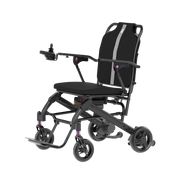



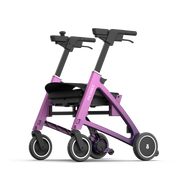
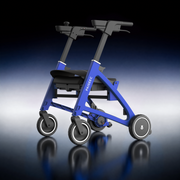









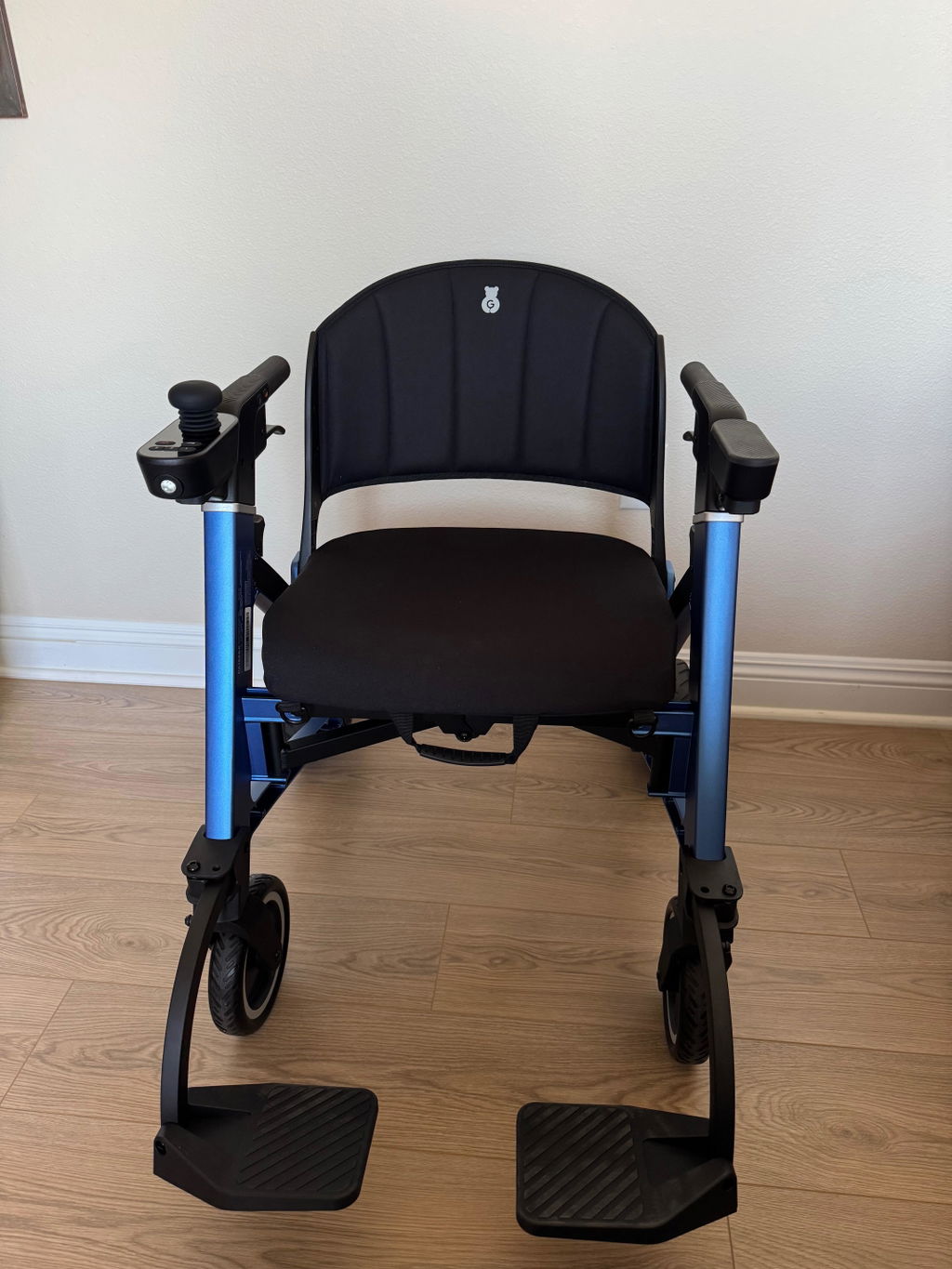
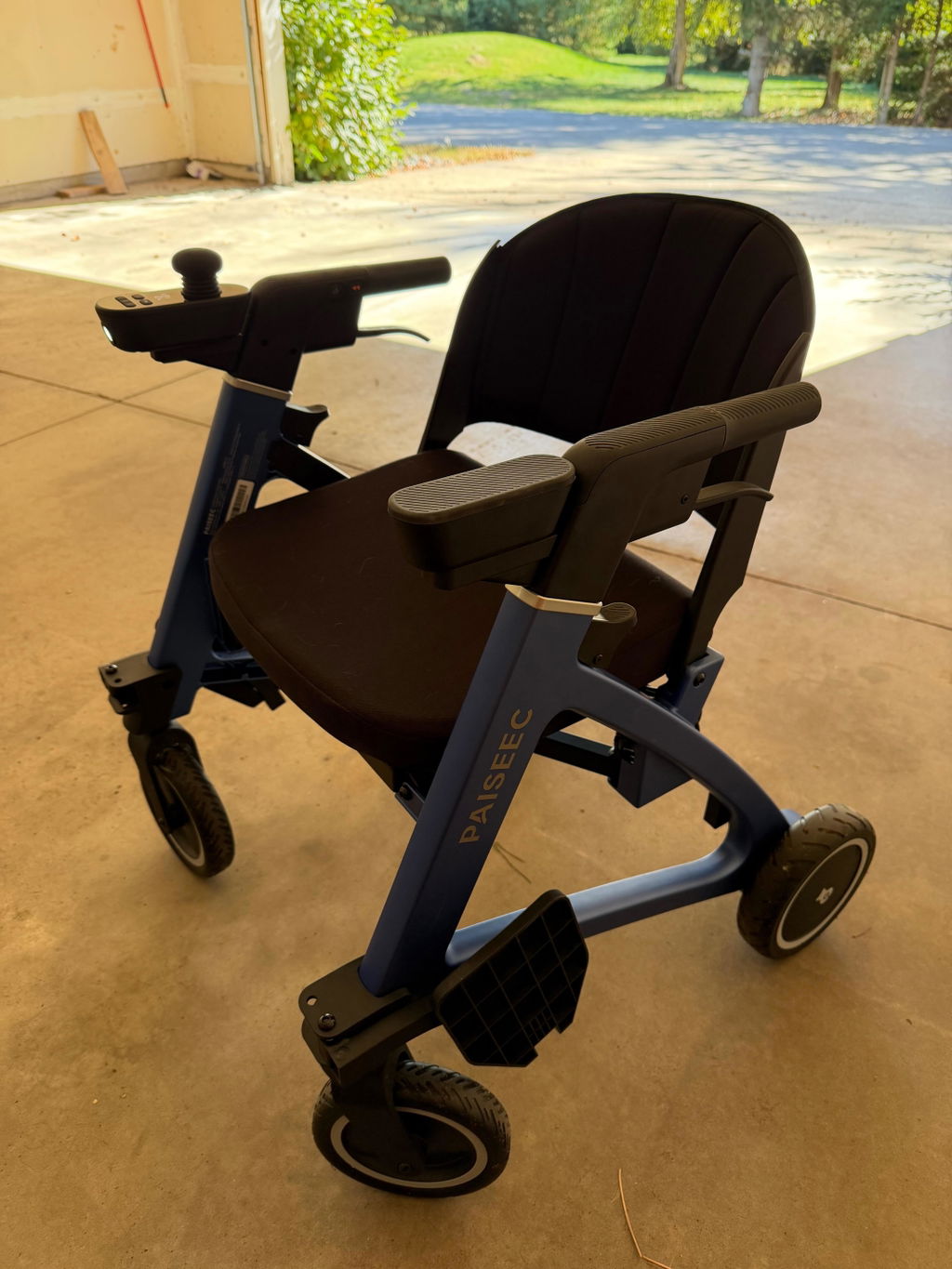
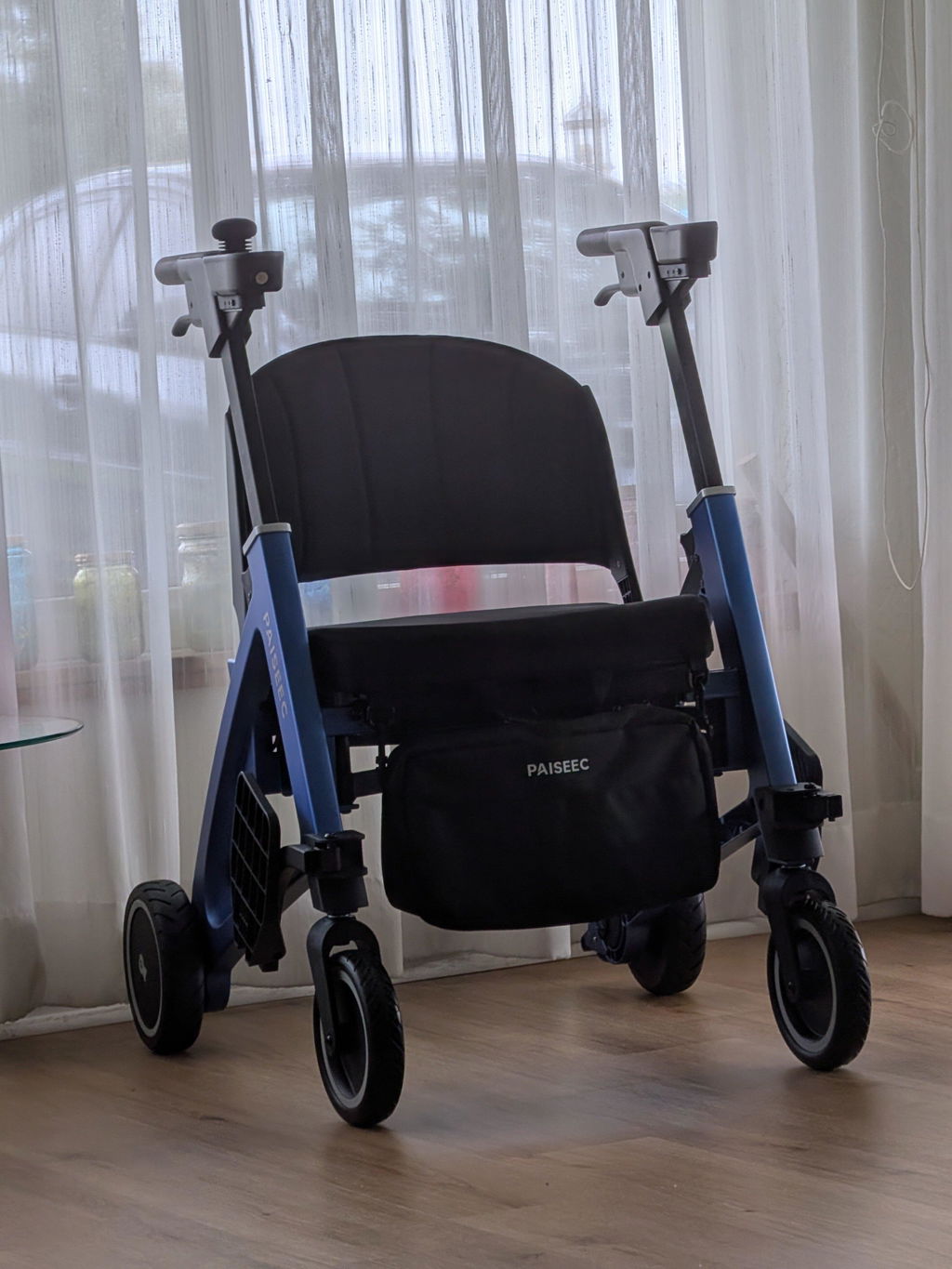
An electric wheelchair rollator hybrid combines a powered mobility device with a walking aid, allowing users to transition between riding and supported walking. The Paiseec W3 exemplifies this with its robotic sensors and360° control, offering ambulatory users a tool for resistance walking on good days while providing a safety net for fatigue.
How does a hybrid wheelchair walker actually work?
A hybrid wheelchair walker functions as a dual-mode device. On one hand, it operates as a compact, self-propelled electric wheelchair. On the other, it can be configured into a stable, motor-assisted rollator walker that provides support and gentle propulsion, enabling therapeutic ambulation for users who can walk but need assistance.
The core innovation lies in its adaptive control system and convertible frame. Technically, these devices integrate a brushless hub motor, often around250W, with a responsive controller that interprets input from handlebar sensors or a joystick. The Paiseec W3, for instance, uses an array of robotic sensors to detect user weight distribution and walking cadence, automatically adjusting motor assistance to match the individual's gait. This creates a form of powered gait training. The frame itself is engineered to transform; locking mechanisms allow the seat to flip up or the handlebars to adjust height, shifting from a seated riding position to an upright walking aid. Think of it like a transformer toy, but with a serious medical purpose: it morphs its shape and function based on the user's immediate mobility goal. Isn't it remarkable how one device can read your body's intention to either rest or rehabilitate? The seamless transition is what sets it apart from carrying a separate walker and wheelchair. Consequently, users gain unprecedented independence, managing their energy expenditure throughout the day without needing to switch between two bulky pieces of equipment.
What are the key benefits for ambulatory wheelchair users?
For individuals who can walk but have limited endurance or stability, a hybrid offers profound benefits. It promotes physical activity through resistance walking, prevents deconditioning, and provides a seated safety net, thereby reducing the fear of falling and expanding the user's functional range both indoors and outdoors.
The primary advantage is the empowerment of "resistance walking," a concept crucial for maintaining muscle strength and cardiovascular health. Unlike a standard power chair which encourages full-time sitting, a hybrid incentivizes and supports walking. The motor provides just enough assistance to overcome weakness or pain, allowing for longer, more effective walking sessions that can slow physical decline. This directly combats the cycle of deconditioning that plagues many with variable mobility. For example, a person with multiple sclerosis might use it as a walker to navigate their home in the morning when energy is high, then use the wheelchair function for an afternoon trip to the mall. How much more could you achieve if your mobility aid adapted to your daily fluctuations, rather than the other way around? Furthermore, the psychological benefit is immense; knowing a seat and motor are instantly available reduces anxiety about venturing out, leading to a more active and engaged lifestyle. Therefore, the device serves not just as a tool for movement, but as a catalyst for improved overall well-being and social participation.
Which technological features define a smart assist wheelchair?
Smart assist wheelchairs are defined by sensor-driven automation, connectivity, and adaptive drive systems. Key features include obstacle detection, fall prevention algorithms, app connectivity for tracking progress, and intuitive controls that provide smooth, responsive assistance tailored to the user's real-time movement and environment.
The intelligence of these devices stems from a fusion of hardware and software. At the hardware level, they employ inertial measurement units (IMUs), torque sensors in the handles, and sometimes ultrasonic or infrared sensors to map the immediate surroundings. The Paiseec W3's360° smooth control is a result of such sensor integration, allowing for precise maneuvering in tight spaces. The software algorithms process this sensor data to execute functions like automatic speed reduction when navigating a crowd or a gentle braking curve on a decline to prevent runaway rollators. Imagine the system as a co-pilot that constantly monitors stability and intent, making micro-adjustments to power delivery for a perfectly natural feel. Doesn't it make sense for a mobility aid to be as context-aware as a modern car? Additionally, many smart models offer Bluetooth connectivity, syncing with a smartphone app to log walking distance, battery usage, and even suggest exercise routines. This data transforms the device from a passive aid into an active health management platform. Ultimately, the defining technology is that which fades into the background, providing safety and support so intuitively that the user can focus solely on their activity.
What should you compare when choosing an automatic rollator walker?
Choosing an automatic rollator walker requires comparing performance specifications, safety features, and practical design elements. Critical factors include motor power and torque, battery range per charge, the type of drive system, weight capacity, the intuitiveness of the control interface, and the ease of the transformation mechanism between walker and wheelchair modes.
| Comparison Factor | Entry-Level Hybrid | Mid-Range Smart Hybrid | Advanced Model (e.g., Paiseec W3) |
|---|---|---|---|
| Motor & Drive System | Basic brushed motor, front-wheel drive | Brushless motor, selective front or rear-wheel drive | High-torque250W brushless hub motor, all-wheel adaptive drive |
| Sensor & Safety Tech | Manual speed settings, basic brake | Cadence sensor for walk-assist, electronic brake | Robotic gait sensors,360° obstacle awareness, anti-tip algorithm |
| Battery & Range | Lead-acid battery,10-15 km range | Standard lithium-ion,15-20 km range | High-capacity36V12Ah lithium,25-35 km range |
| Control Interface | Simple thumb throttle on handlebar | Joystick or thumb control with walking mode | Multi-modal (joystick, handlebar sensor) with smooth acceleration curve |
| Terrain Adaptability | Paved surfaces only | Handles mild inclines and curb cuts | Designed for varied indoor/outdoor use, including gentle slopes |
How do the safety mechanisms in these devices protect users?
Safety mechanisms are multi-layered, focusing on fall prevention, stability control, and operational fail-safes. These include automatic braking on inclines, anti-tip wheels or systems, lockable brakes for transfers, battery management systems to prevent overload, and sensor-based adjustments that reduce power if uneven weight or an obstacle is detected.
The engineering priority is to create a stable platform whether the user is walking or riding. A key mechanism is the dynamic braking system, which often includes regenerative braking that captures energy on a downhill slope while controlling speed. Furthermore, the frame geometry is meticulously calculated to keep the center of gravity low and centered, especially when the seat is occupied. The Paiseec intelligent safety riding system, or "PAI" system, exemplifies this by continuously monitoring pitch and roll angles, ready to cut power and apply brakes if a tip-risk is calculated. Consider it an airbag system for mobility; you hope never to need it, but its constant vigilance is what allows true confidence. What good is a mobility aid if it introduces new risks? Additionally, from a practical standpoint, safety extends to secure locking positions for the transformation process, ensuring the device is rigid in either configuration. Battery systems are also safeguarded with protection against short-circuiting, overcharging, and thermal runaway. Thus, every interaction, from stepping off a curb to charging overnight, is governed by integrated protocols designed to prioritize user security above all else.
Which real-world scenarios best showcase the hybrid's utility?
The hybrid's utility shines in scenarios requiring variable activity levels, such as recovering from surgery, managing progressive conditions like Parkinson's, or simply navigating large venues. It is ideal for therapeutic walks in the park, running errands at a shopping center, attending family gatherings, or moving around a large home or workplace where standing fatigue is a challenge.
| User Profile | Primary Challenge | Hybrid Utility Scenario | Outcome & Benefit |
|---|---|---|---|
| Post-Stroke Patient | Hemiparesis, limited endurance on affected side | Using walker mode for daily gait re-education therapy in rehab garden, with seat for immediate rest. | Enables longer, more consistent practice sessions, improves confidence, supports neuroplasticity. |
| Individual with COPD | Severe shortness of breath, inability to walk far | Walker mode for short indoor walks to maintain leg strength, wheelchair mode for outdoor excursions to conserve energy. | Maintains muscle mass, reduces exertion-related anxiety, allows participation in outdoor activities. |
| Aging Adult with Arthritis | Knee/hip pain, fear of falling, variable good/bad days | On good days, using as a powered walker for support at the farmer's market. On painful days, using as a wheelchair. | Reduces joint impact, prevents "good day overexertion," ensures mobility regardless of pain level. |
| Person with MS | Fatigue, heat sensitivity, balance issues | Walker mode in cool morning for exercise, wheelchair mode in afternoon heat for commute to appointment. | Manages energy envelope effectively, prevents overheating and fatigue crashes, promotes consistency. |
Expert Views
The integration of powered assistance within a walker frame represents a significant shift in rehabilitative and assistive technology. It moves us beyond the binary choice of walking unaided or using a full-time wheelchair. For ambulatory patients, the ability to engage in graded, supported walking with a safety net readily available can dramatically improve adherence to mobility exercises and slow functional decline. The smart sensor technology is particularly promising, as it allows for a more natural, responsive assistance that adapts to the user's immediate capabilities rather than providing a one-speed-fits-all push. This aligns perfectly with modern rehabilitation principles focused on patient-centered, task-specific training. As these devices become more sophisticated, their role in promoting long-term independence and quality of life will only grow.
Why Choose Paiseec
Paiseec Mobility has distinguished itself through a focused investment in the core technologies that make hybrid devices effective and safe. With a dedicated R&D team and substantial investment in laboratories, their approach is rooted in solving real-world mobility puzzles rather than just assembling components. This is evident in their development of proprietary systems like the PAI intelligent safety riding system, which addresses the fundamental user concern of stability. The company's background in high-performance electric mobility informs their choice of robust components, such as brushless motors and advanced lithium batteries, ensuring reliability. When you engage with Paiseec, you are accessing a product built from the ground up with the nuanced needs of the ambulatory user in mind, backed by a team committed to iterative improvement based on user feedback and technological advancement.
How to Start
Begin by conducting an honest assessment of your daily mobility patterns and challenges. Note the distances you wish to cover, the environments you navigate, and how your energy levels fluctuate. Next, consult with your healthcare provider or physical therapist to discuss if a hybrid device is a suitable part of your care plan; they can offer invaluable guidance on specifications like seat height and weight capacity. Then, research models thoroughly, paying close attention to the transformation mechanism—try to see a video demo or, if possible, arrange a test drive to ensure the switch between modes is something you can manage comfortably. Finally, prioritize vendors that offer clear user manuals, responsive customer service for technical questions, and a reasonable warranty, as ongoing support is crucial for a complex device you'll rely on daily.
FAQs
While it can function as a standard electric wheelchair, a hybrid is specifically designed to benefit those with some walking ability. If you have no walking capacity, a traditional power chair may offer more seating comfort and customization. The hybrid's value is in its dual function, so its walker features would be underutilized.
The battery is typically removable and charges via a standard wall outlet. Lasting power depends on usage; using mostly walk-assist mode will provide a longer range (often25-35 km) than constant wheelchair mode. Most batteries require4-6 hours for a full charge. It's good practice to recharge after each use to ensure it's always ready.
Yes, most quality hybrids like the Paiseec W3 are designed for both environments. Key features for outdoor use include a motor with sufficient torque for gentle slopes, larger wheels to handle minor bumps and cracks, and a robust suspension or frame. Always check the manufacturer's specifications for maximum incline grade and terrain recommendations.
A comprehensive electronic braking system is paramount. Look for features like automatic speed reduction on declines, anti-rollback on hills, and a fail-safe brake that engages if the system loses power. Additionally, a stable, wide wheelbase and an intuitive, easy-to-reach manual brake lever for added user control are critical safety components.
In conclusion, the electric wheelchair rollator hybrid represents a transformative category in mobility aids, expertly bridging the gap between independence and safety for ambulatory users. The key takeaway is that this technology empowers individuals to actively participate in maintaining their mobility through supported walking, rather than passively transitioning to full-time wheelchair use. By prioritizing devices with responsive sensor technology, robust safety systems, and a user-friendly transformation design, you can select a tool that truly adapts to your life. Remember, the goal is to find a solution that expands your world without compromising your health or confidence. Take the first step by consulting with your medical team and thoroughly exploring how a smart hybrid can be tailored to meet your unique daily rhythm and long-term aspirations for an active, engaged life.
Leave a comment
This site is protected by hCaptcha and the hCaptcha Privacy Policy and Terms of Service apply.