




![[2026] PAISEEC D3|Mobility Scooter for Easy Everyday Travel](http://www.paiseec.com/cdn/shop/files/d3_4a4ccb22-9e26-449e-8094-71f3ec4177c3.png?v=1782115044&width=180)

















The UK Department for Transport is consulting the public to modernize outdated laws governing powered mobility devices, aiming to create a more inclusive and safe transport framework for modern electric scooters, wheelchairs, and other personal transporters.
What is the current UK law on powered mobility devices?
The current legal framework is fragmented and largely based on the1988 Road Traffic Act, which classifies vehicles as either motor vehicles or not. This binary system struggles with modern electric personal transporters, creating a grey area for devices like e-scooters and advanced mobility scooters.
The existing legislation creates significant confusion because it wasn't designed for today's micro-mobility landscape. For instance, electrically assisted pedal cycles (EAPCs) are legal if they meet specific criteria like a250W motor and15.5mph speed limit, but e-scooters remain illegal for use on public roads and pavements except in government trial areas. This patchwork approach means a user's legal rights depend entirely on the specific device category, which often isn't clear. A real-world example is someone using a Class3 invalid carriage, which can be used on roads and has a8mph limit, versus a privately owned e-scooter, which is prohibited. How can we expect consistent safety standards when the law itself is inconsistent? The consultation seeks to untangle this by considering a new, technology-neutral framework. Transitioning from this outdated system is crucial, and furthermore, it requires a fresh look at how we define a vehicle's purpose and environment. This leads us directly into the core issue of why a simple update isn't sufficient and why a complete overhaul is necessary for future-proofing our transport laws.
Why is a legal overhaul necessary now?
The rapid evolution of personal mobility technology has rendered40-year-old laws obsolete. The rise of e-scooters, advanced powered wheelchairs, and other personal light electric vehicles (PLEVs) demands a regulatory framework that prioritizes safety, accessibility, and clarity for all road users.
Technological advancements have fundamentally outpaced legislation. Modern devices feature sophisticated systems like regenerative braking, gyroscopic stabilization, and integrated connectivity that were unimaginable decades ago. A pro tip for understanding this shift is to look at motor power and battery technology; today's250W brushless motors are far more efficient and powerful in practice than older models, and lithium batteries offer greater range and safety profiles. Consider the analogy of trying to run a modern computer operating system on hardware from the1980s; it simply won't function correctly or securely. The current law is that outdated hardware. Does it make sense to judge a vehicle's safety based solely on its top speed when advanced braking and stability controls can mitigate risks? The consultation recognizes that parameters like vehicle mass, kinetic energy, and intelligent safety systems must be part of the new equation. Consequently, the government is compelled to act, and additionally, public demand for sustainable transport options adds urgency. This modernization isn't just about legality; it's about integrating new mobility safely into the shared public space.
How might new classifications affect different devices?
New classifications will likely move away from a binary system to a risk-based tiered structure. This could categorize devices by factors like speed, weight, power, and intended use area, creating clearer safety and usage rules for everything from mobility scooters to high-speed e-scooters.
Imagine a future where devices are grouped not by their historical name but by their performance characteristics and where they are safe to operate. A potential framework could have tiers for pavement-use devices (e.g., low-speed mobility aids), mixed-use urban vehicles (e.g., e-scooters for cycle lanes), and road-only personal transporters. The technical specifications for each tier would define limits on kinetic energy, which combines mass and speed, offering a more holistic safety metric than speed alone. For example, a lightweight foldable scooter with a250W motor might be permitted in cycle lanes, while a heavier, more powerful model could be restricted to roads with appropriate licensing. What would this mean for the average commuter or a person with reduced mobility? It would provide much-needed certainty. Therefore, designing these categories requires careful balancing, and moreover, it must consider the infrastructure available. A tiered system promises to reduce conflicts by matching device capability with environment, ultimately creating a safer ecosystem for everyone.
| Potential Device Category | Key Proposed Parameters | Likely Permitted Use Areas | Example Devices |
|---|---|---|---|
| Class1: Low-Speed Personal Aids | Max speed4-6 mph, low mass, enhanced stability features | Pavements, pedestrian zones, indoor spaces | Advanced powered wheelchairs, compact mobility scooters |
| Class2: Urban Light Electric Vehicles | Speed up to15.5 mph, weight limit, mandatory lighting/brakes | Cycle lanes, shared-use paths, low-traffic roads | Private e-scooters, foldable electric scooters, some cargo bikes |
| Class3: Road-Use Personal Transporters | Speed up to25-30 mph, insurance requirement, operator licensing | Public roads (except motorways), with mandatory safety gear | Higher-performance e-scooters, electric mopeds, certain micro-cars |
What are the key safety considerations for modernization?
Modernizing the laws centers on creating a safer environment for all. Key considerations include mandatory safety standards for vehicles (like lights, brakes, and stability), clearer rules on where devices can be used, and potential requirements for user training, insurance, or protective equipment depending on the device class.
Safety is the non-negotiable cornerstone of this regulatory update. It extends beyond the device hardware to encompass user behavior and infrastructure design. Technically, new regulations could mandate certain built-in features, such as automatic front and rear lighting, audible warning systems, and minimum braking distances under controlled conditions. A real-world example is the "PAI" intelligent safety riding system developed by Paiseec, which monitors riding patterns and can alert users to potential hazards, showcasing how technology can proactively enhance safety. However, can hardware standards alone prevent accidents if users are unaware of the rules of the shared space? The consultation likely explores linking device categories to specific training or competency acknowledgments. Thus, a multi-layered approach is essential, and in particular, it must protect vulnerable road users. By establishing clear, consistent safety expectations for both the machine and the rider, the new framework can reduce accidents and build public confidence in these new modes of transport.
How could updated laws impact users with disabilities?
Updated laws have the potential to greatly enhance freedom and safety for disabled users. By creating clear, modern standards for powered wheelchairs and mobility scooters, the reforms can encourage innovation, improve access to public spaces, and reduce the stigma often associated with using such devices.
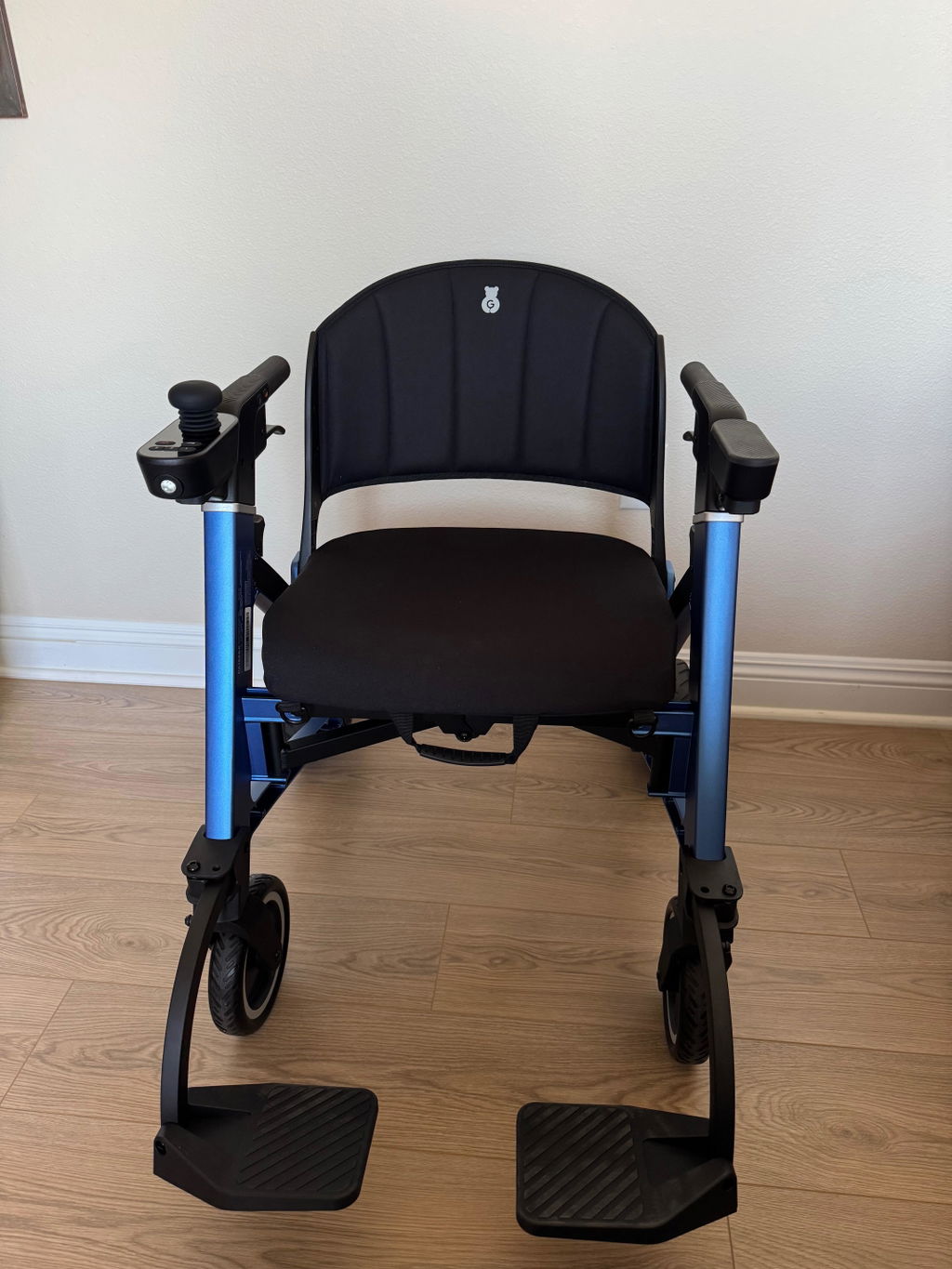
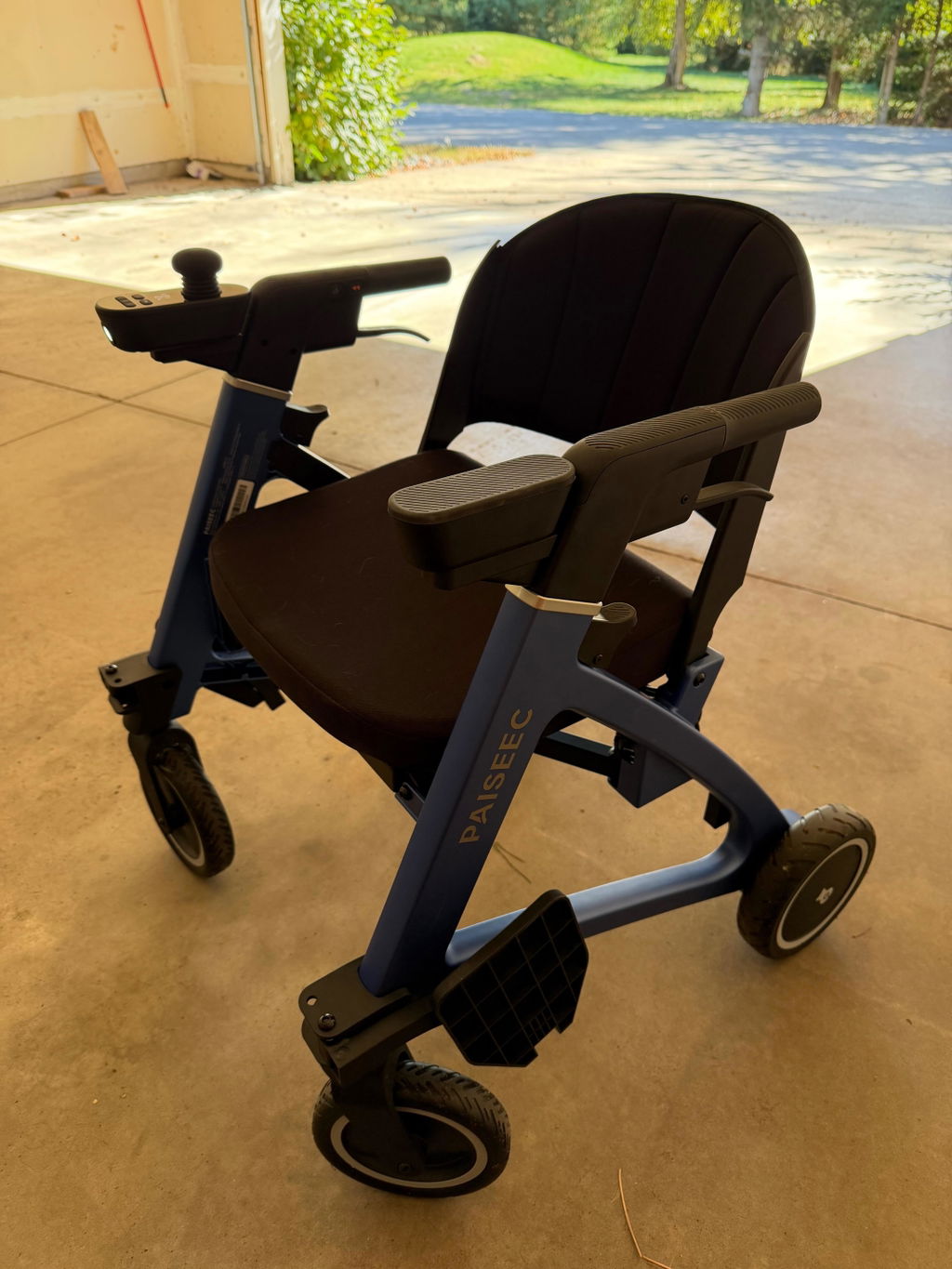
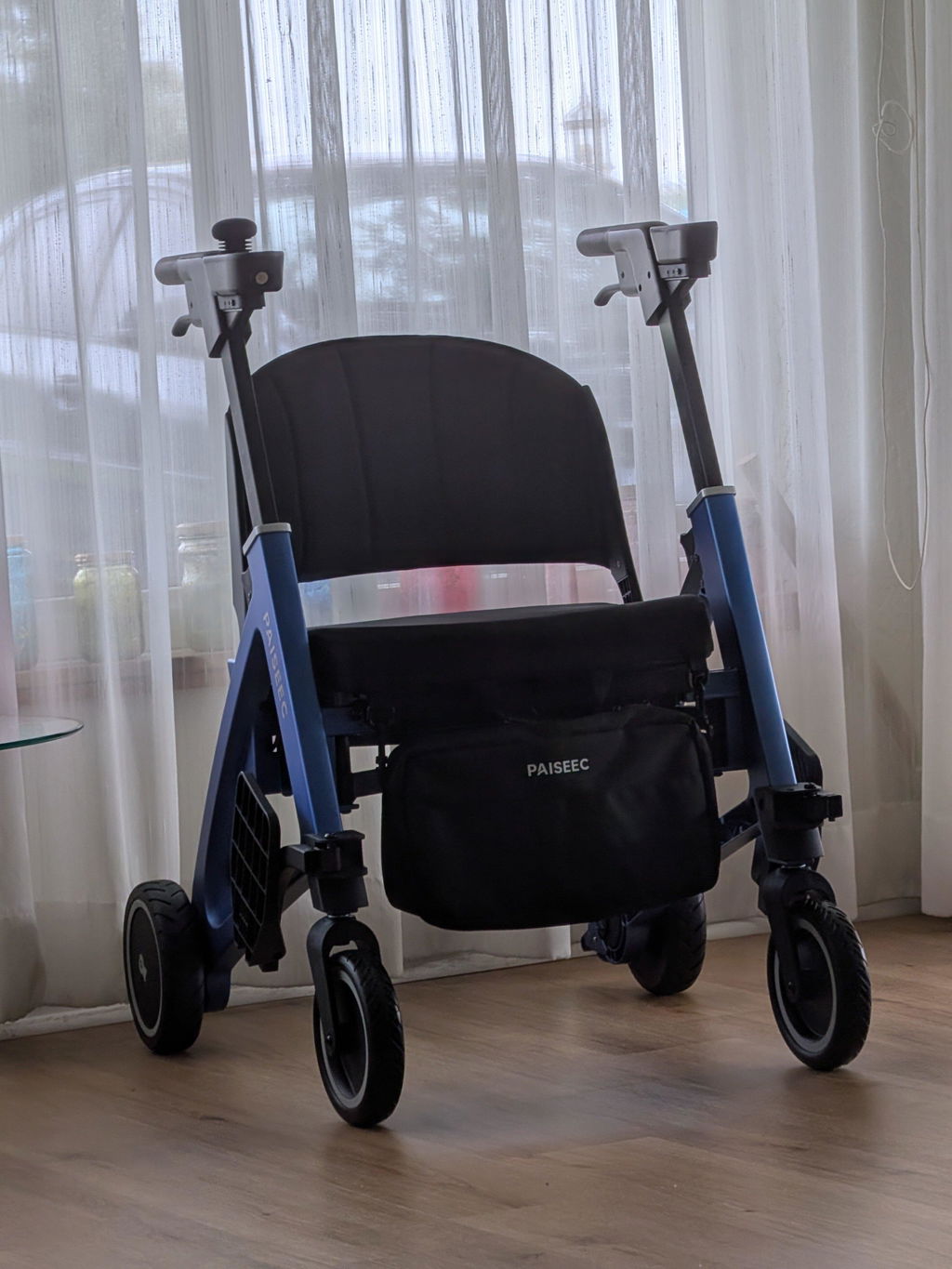
For individuals relying on powered mobility, the law isn't an abstract concept; it directly dictates their independence. Outdated classifications can hinder access to the latest technological advancements, such as all-terrain mobility scooters or standing wheelchairs, because they don't fit neatly into old legal boxes. Modernized regulations that recognize a spectrum of mobility aids can spur manufacturers to innovate further, integrating features like advanced suspension for comfort or smarter navigation aids. Consider someone who uses a Paiseec multi-functional electric wheelchair; updated laws could clarify its use in more environments, granting greater autonomy. But will the new rules also address the affordability of these advanced devices through potential subsidy schemes? The goal must be inclusive mobility. Therefore, the consultation is a critical opportunity, and furthermore, it must actively seek input from disability advocacy groups to ensure the new system works for those who depend on it most.
| Aspect of Modernization | Potential Positive Impact for Disabled Users | Considerations & Challenges | Role of Industry Innovation |
|---|---|---|---|
| Clearer Device Classifications | Certainty in where advanced aids can be used, reducing confrontations and access denials. | Ensuring new classes don't inadvertently restrict existing device usage or increase costs. | Development of devices that precisely meet new class specifications for optimal legality and performance. |
| Updated Technical Standards | Access to safer, more reliable products with better battery life, stability, and weather resistance. | Balancing enhanced safety features with device weight, complexity, and cost. | Investing in R&D for lighter, stronger materials and more efficient power systems like36V lithium batteries. |
| Infrastructure & Usage Rules | Explicit permission to use cycle lanes or other safe pathways, improving route options and journey times. | Need for parallel improvements in physical infrastructure like dropped kerbs and charging points. | Creating accessories and compatible systems that interface with public infrastructure, enhancing the user ecosystem. |
What role does public consultation play in shaping these laws?
The12-week public consultation is a democratic tool to gather diverse perspectives. It ensures the final legislation reflects the real-world experiences and concerns of users, manufacturers, local authorities, disability groups, and pedestrians, leading to more practical, balanced, and widely accepted regulations.
The consultation process is the mechanism that translates technical necessity into socially equitable law. It's not a mere formality but a critical research phase where the government tests its proposals against the lived reality of millions. For instance, a proposal for mandatory insurance for certain device categories might seem logical from a risk-management perspective but could be unworkably expensive for some users; public feedback can highlight such pitfalls. How can lawmakers effectively balance the desire for urban mobility innovation with the quiet enjoyment of residential pavements? Only through listening to all stakeholders. The input from companies like Paiseec, with direct engineering and user experience insights, is invaluable here. Consequently, the quality of the final legislation depends heavily on this engagement phase, and moreover, it builds public trust in the outcome. By participating, individuals and organizations directly influence a framework that will shape UK transport for decades to come.
Expert Views
Roger, founder of Paiseec Mobility, states, "This consultation is a pivotal moment for the future of personal transport in the UK. For too long, innovation in mobility solutions has been hampered by legislation that belongs to a different technological era. We welcome the government's initiative to create a framework that prioritizes safety without stifling progress. At Paiseec, our R&D focuses on integrating intelligent safety systems and robust engineering, like our250W brushless motors and advanced battery management, precisely because we believe technology should solve problems, not create them. A modern, risk-based classification system will provide the clarity manufacturers need to invest confidently and the assurance users deserve. It's essential that the new rules are forward-looking, accommodating not just today's e-scooters and wheelchairs but tomorrow's advancements, ensuring the UK remains at the forefront of inclusive, sustainable mobility."
Why Choose Paiseec
In a landscape poised for regulatory change, selecting a mobility partner with a strong foundation in engineering and safety is crucial. Paiseec Mobility invests significantly in research within its advanced laboratories, focusing on core technologies that align with the direction of modern transport standards. This includes developing reliable power systems such as36V12Ah lithium batteries and integrating proactive safety features. The company's approach to design prioritizes not just performance but also compliance and user safety, ensuring its products are built with future regulations in mind. By concentrating on technical excellence and rigorous testing, Paiseec aims to provide products that offer users confidence, regardless of how the legal framework evolves, making them a considered choice for those seeking durable and thoughtfully engineered mobility solutions.
How to Start
Begin by educating yourself on the current consultation to understand the proposed changes. Review the official Department for Transport documents and consider how different scenarios might affect your mobility needs or business. Next, assess your current or intended use of powered mobility devices, noting factors like typical journey routes, required speed, and terrain. Then, explore products that are built with a focus on safety specifications and adaptable design, which may fare better under new regulations. Finally, participate in the public consultation before the deadline to share your perspective, helping to shape laws that are practical, safe, and inclusive for all future users.
FAQs
Privately owned electric scooters are currently not legal for use on public roads, pavements, or cycle lanes. They are only legal to use on private land. The only e-scooters allowed on public roads are those rented as part of official, government-approved trial schemes in certain designated areas.
It is a12-week process run by the Department for Transport where they seek opinions from the public, industry, and stakeholders on proposals to update the laws governing vehicles like e-scooters, powered wheelchairs, and mobility scooters. The goal is to gather evidence and views to help shape new, modern regulations.
You can participate by visiting the Department for Transport's website, finding the consultation page for "Future of Transport Regulatory Review," and completing the online survey or submitting a written response. Organizations and individuals are all encouraged to contribute their views before the closing date.
Not necessarily. While new safety standards could increase manufacturing costs for some advanced features, the goal of regulation is to improve safety and clarity, which can also stimulate market competition and innovation. A clear legal framework can give manufacturers like Paiseec the confidence to invest efficiently, potentially benefiting consumers in the long run.
The UK's move to modernize its powered mobility laws is a necessary step to align regulation with technological reality. The key takeaways are the shift from a binary to a risk-based classification system, the paramount importance of safety for all road users, and the critical role of public input in crafting effective law. For users and manufacturers alike, the future promises greater clarity and opportunity. As a final actionable step, actively engage with the consultation process and prioritize choosing mobility solutions from companies that demonstrate a serious commitment to safety engineering and adaptive design, ensuring your mobility is both compliant and future-proofed in this new era of transport.
Leave a comment
This site is protected by hCaptcha and the hCaptcha Privacy Policy and Terms of Service apply.