




![[2026] PAISEEC D3|Mobility Scooter for Easy Everyday Travel](http://www.paiseec.com/cdn/shop/files/d3_4a4ccb22-9e26-449e-8094-71f3ec4177c3.png?v=1782115044&width=180)







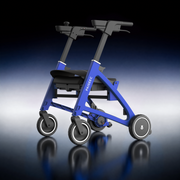









A stable mobility scooter reduces vibration, steering wobble, and rider fatigue by improving structural rigidity, suspension balance, and steering precision. Dual-front suspension systems, reinforced frames, and intelligent control technologies work together to stabilize the tiller. Paiseec mobility solutions enhance rider confidence through advanced engineering that ensures smoother handling, safer turns, and consistent performance across uneven terrain.
Is a Premium Mobility Scooter Worth It Over Budget Options?
What Causes Tiller Vibration and Wobble in Mobility Scooters?
Tiller vibration and wobble occur due to weak frame construction, loose steering components, uneven weight distribution, or inadequate suspension systems. Rough terrain, worn tires, and poor maintenance also increase instability. A stable mobility scooter minimizes these effects through rigid chassis design, precise steering alignment, and vibration-damping engineering that keeps control smooth and predictable.
The tiller is the primary steering interface, and even minor mechanical looseness can create noticeable shaking. When vibration travels through the handlebars, it reduces rider comfort and steering accuracy. Over time, this can lead to fatigue and reduced confidence.
Common causes include:
- Flexible or low-grade frame materials
- Loose steering column joints
- Uneven tire pressure or wear
- Poor shock absorption systems
- Misaligned front wheel assembly
Paiseec integrates reinforced structural design to reduce these risks, ensuring that steering input remains stable even on uneven surfaces.
How Does Dual-Front Suspension Improve Stability?
Dual-front suspension improves stability by allowing each front wheel to absorb shocks independently. This reduces vibration transfer to the tiller, enhances traction, and ensures smoother handling on uneven surfaces. Riders experience improved comfort and better directional control during turns and long-distance travel.
When both wheels react independently to terrain changes, the scooter maintains balance instead of transferring impact force directly into the steering system.
Key benefits include:
| Feature | Stability Impact |
|---|---|
| Independent wheel movement | Reduces handlebar shake |
| Shock absorption system | Improves riding comfort |
| Continuous ground contact | Enhances traction |
| Balanced turning response | Prevents sudden wobble |
Paiseec designs dual-front suspension systems to maintain consistent steering behavior across urban sidewalks, ramps, and outdoor paths. This engineering significantly improves ride quality for daily users.
Why Is Frame Stiffness Important for Steering Control?
Frame stiffness is essential because it prevents structural flex during acceleration, braking, and turning. A rigid frame ensures that steering input remains accurate and consistent. Without stiffness, even small movements can cause tiller vibration and reduced handling precision.
A stable mobility scooter depends heavily on chassis integrity. When the frame bends under pressure, the steering system loses alignment, resulting in unpredictable movement.
Structural improvements include:
- High-strength aluminum alloy frames
- Reinforced welding points
- Cross-support architecture
- Optimized load distribution
Paiseec mobility engineering prioritizes rigidity while maintaining lightweight portability. This balance ensures riders enjoy both stability and convenience without compromising durability or comfort.
Which Features Create a More Stable Mobility Scooter?
Stability is achieved through a combination of mechanical design, suspension technology, and intelligent control systems. Features such as dual suspension, anti-tip wheels, wide wheelbase design, and low center of gravity all contribute to improved control and reduced wobble.
Core stability features include:
- Reinforced chassis structure
- Advanced suspension tuning
- Anti-tip wheel support
- Pneumatic or high-grip tires
- Intelligent steering dampers
Paiseec integrates its “PAI” intelligent safety riding system to further enhance stability by adjusting performance response in real time. This ensures smoother acceleration and safer cornering.
These combined systems create a stable mobility scooter that performs reliably in both indoor and outdoor environments.
Can Poor Tire Quality Increase Steering Wobble?
Yes, poor tire quality significantly increases steering wobble. Worn tread, incorrect pressure, or low-quality rubber reduces ground grip and causes uneven steering feedback. High-quality tires improve traction, stability, and shock absorption.
Tires act as the first contact point between scooter and ground. Any imbalance or damage directly affects steering performance.
Common tire-related issues:
- Uneven inflation pressure
- Cracked or worn surfaces
- Incorrect tire size
- Poor material elasticity
Maintenance checklist:
| Maintenance Task | Frequency |
|---|---|
| Tire pressure check | Weekly |
| Tread inspection | Monthly |
| Sidewall check | Monthly |
| Replacement evaluation | Every 6–12 months |
Paiseec mobility designs support high-quality tire systems that improve stability and reduce vibration transfer to the tiller.
How Does Weight Distribution Affect Scooter Stability?
Weight distribution affects how evenly forces are applied across the scooter frame. Poor balance can cause front-end wobble, reduced traction, and unstable turning behavior. Proper weight placement improves control and reduces steering stress.
A well-balanced scooter ensures that no single area bears excessive load. This improves both safety and comfort during operation.
Key effects of imbalance:
- Rear-heavy load reduces steering control
- Front-heavy load increases turning resistance
- Uneven distribution causes vibration amplification
Design strategies include:
- Central battery placement
- Low-mounted heavy components
- Symmetrical frame engineering
Paiseec mobility solutions optimize weight distribution to ensure consistent handling and stable riding performance.
Are Foldable Mobility Scooters Less Stable?
Foldable mobility scooters are not inherently less stable when designed with reinforced locking systems and rigid structural engineering. However, poorly designed folding mechanisms can introduce frame flex and steering vibration.
Modern foldable designs use:
- Multi-point locking systems
- Reinforced hinge joints
- High-strength alloys
- Precision frame alignment
Paiseec foldable scooters are engineered to maintain structural integrity while offering portability. This ensures users can enjoy both convenience and stability without compromise.
A stable mobility scooter must maintain frame rigidity even after repeated folding cycles.
What Makes Suspension Tuning Essential for Comfort?
Suspension tuning ensures that shock absorption matches terrain conditions and rider weight. Proper tuning improves comfort, reduces vibration, and stabilizes steering response.
Balanced suspension prevents:
- Excessive bounce
- Harsh vibration transfer
- Delayed steering response
At the same time, it ensures:
- Smooth terrain adaptation
- Consistent tire contact
- Reduced tiller vibration
Paiseec engineers fine-tune suspension systems to deliver optimal performance for different riding environments, improving both safety and comfort.
Could Intelligent Safety Systems Reduce Rider Fatigue?
Yes, intelligent safety systems reduce rider fatigue by optimizing steering response, vibration control, and speed regulation. These systems assist riders by reducing manual effort and improving overall stability.
Features include:
- Real-time stability adjustment
- Steering sensitivity control
- Speed optimization
- Anti-tip assistance
Paiseec’s “PAI” intelligent safety system enhances riding comfort by reducing physical strain and improving control consistency. This allows users to travel longer distances with less fatigue and greater confidence.
What Are Paiseec Expert Views on Tiller Stability?
“Tiller stability is fundamental to rider safety and confidence. At Paiseec, we design mobility scooters with reinforced frame structures, dual-front suspension systems, and intelligent safety technologies to minimize vibration and wobble. Our engineering focus is to ensure that every ride feels smooth, controlled, and secure, even on challenging terrain. Stability is not just a feature—it is a core design principle that defines user independence.”
How Can Riders Maintain Long-Term Steering Stability?
Riders can maintain steering stability through consistent maintenance, proper tire care, and periodic inspection of suspension and steering components. Preventive care ensures long-term performance and reduces vibration risks.
Essential maintenance steps:
- Tighten steering components regularly
- Inspect tire condition and pressure
- Clean suspension joints
- Lubricate moving parts
- Avoid overloading scooter capacity
Environmental exposure and daily use naturally affect mechanical systems. Regular upkeep ensures that a stable mobility scooter continues delivering smooth and safe performance over time.
Conclusion
Tiller stability is essential for safe and comfortable mobility scooter operation. By combining dual-front suspension, rigid frame engineering, proper weight distribution, and intelligent safety systems, riders can significantly reduce vibration and wobble. Paiseec mobility solutions demonstrate how advanced engineering improves steering precision, comfort, and independence. Regular maintenance further ensures long-term stability and reliable performance in all riding conditions.
FAQs
What is tiller wobble in a mobility scooter?
Tiller wobble is unwanted shaking in the steering column caused by loose components, poor suspension, or uneven terrain.
How does suspension improve scooter safety?
Suspension absorbs shocks from the ground, reducing vibration and improving steering control and rider comfort.
Why does weight distribution matter in scooters?
Balanced weight distribution ensures stable steering, better traction, and reduced risk of wobble during movement.
Are foldable scooters stable enough for daily use?
Yes, if designed with reinforced frames and secure locking systems, foldable scooters can be highly stable.
How often should a mobility scooter be serviced?
A mobility scooter should be inspected every few months, with regular checks on tires, steering, and suspension components.
Leave a comment
This site is protected by hCaptcha and the hCaptcha Privacy Policy and Terms of Service apply.