




![[2026] PAISEEC D3|Mobility Scooter for Easy Everyday Travel](http://www.paiseec.com/cdn/shop/files/d3_4a4ccb22-9e26-449e-8094-71f3ec4177c3.png?v=1782115044&width=180)

















Using a mobility device frees you from physical limitations, boosts independence, and enhances quality of life despite societal stigma linking it to aging or weakness. Embrace it as an empowerment tool—shift focus from "feeling old" to newfound freedom through mindset changes, support networks, and innovative designs that prioritize performance and style.
How Can City Mobility Scooters Help Seniors Regain Urban Independence?
What Are the Primary Causes of Stigma Surrounding the Use of Mobility Aids?
Societal norms tie mobility aids like walkers, canes, scooters, and wheelchairs to frailty or dependency, sparking pity or judgment from others. Cultural emphasis on independent movement reinforces this view, making users feel exposed in public.
Internalized biases amplify the issue, as individuals fear losing their sense of youth or capability. Many delay adoption, preferring to struggle rather than face perceived weakness.
This stigma often peaks in visible settings like stores or streets, where stares heighten embarrassment. Recognizing these patterns as cultural, not personal, lays the groundwork for change.
Reframing aids as practical enablers—similar to glasses or hearing aids—helps dismantle these barriers over time.
How Does the Stigma of Mobility Aids Specifically Impact Mental Health and Well-Being?
Stigma triggers anxiety, depression, and social withdrawal by instilling shame and fear of judgment. Users often avoid outings, leading to isolation and diminished well-being.
Research links non-use to poorer mental health outcomes, while reluctant adoption correlates with heightened stress. Public scrutiny exacerbates low self-esteem, creating a cycle of avoidance.
Chronic pain from overexertion without aids worsens mood disorders. Breaking this cycle requires addressing emotional impacts head-on.
Embracing devices restores confidence, enabling activity that combats loneliness and boosts endorphins naturally.
What Are the Key Psychological Benefits Provided by Using Mobility Aids Daily?
Mobility aids enhance autonomy, reducing daily frustrations and building self-efficacy. Users regain control over routines, fostering a sense of accomplishment.
They promote social reconnection, countering isolation through easier participation in events and hobbies. This leads to improved life satisfaction and reduced depressive symptoms.
Increased physical activity from easier movement releases mood-elevating chemicals, alleviating anxiety. Paiseec's foldable scooters, with their lightweight build, make these gains accessible for everyday adventures.
How Can You Successfully Reframe Mobility Aids as Essential Tools for Personal Freedom?
Perceive aids as liberators that conserve energy for meaningful pursuits, not mere necessities. Track personal wins, like extended walks or pain-free days, to solidify this view.
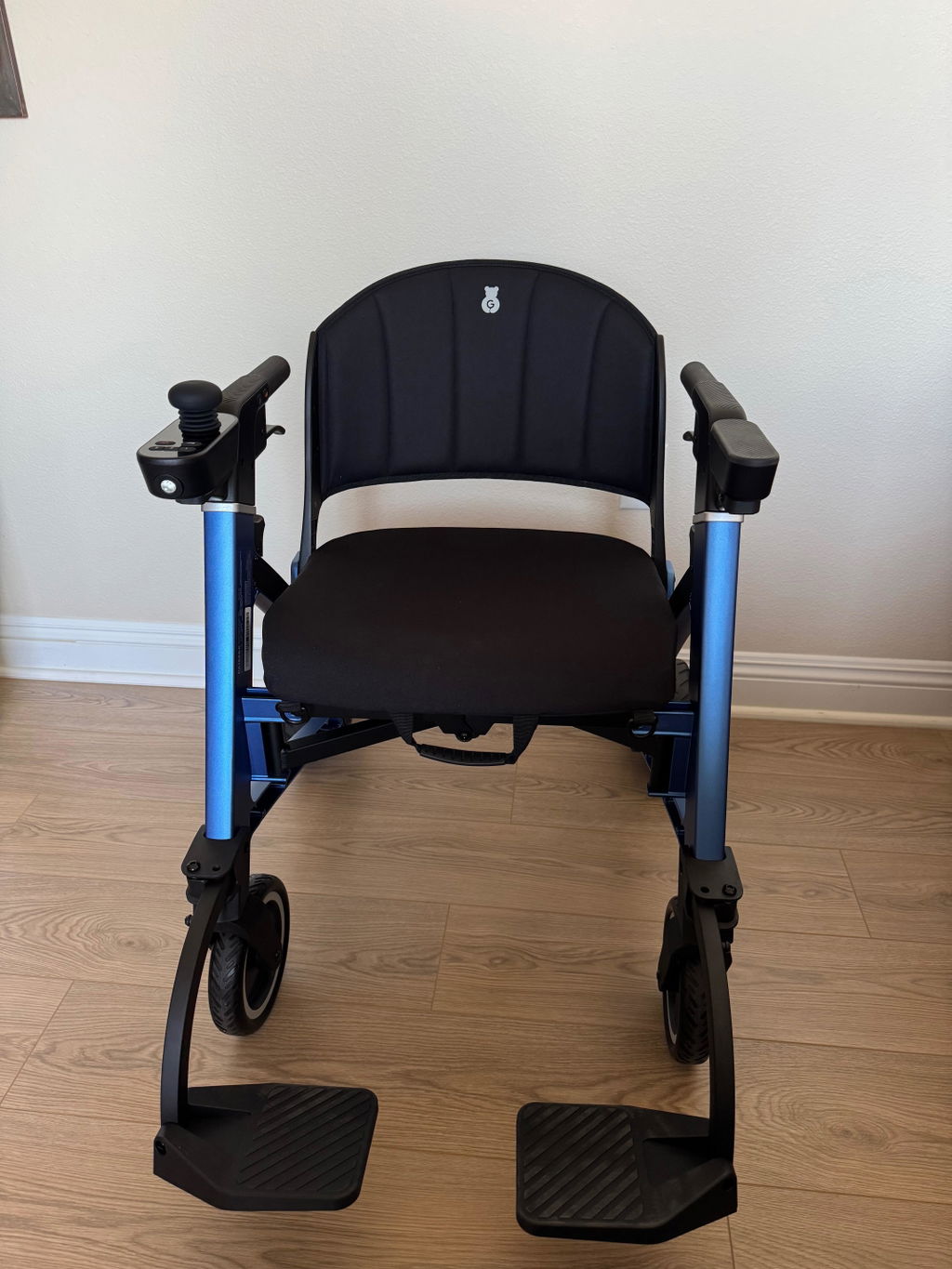
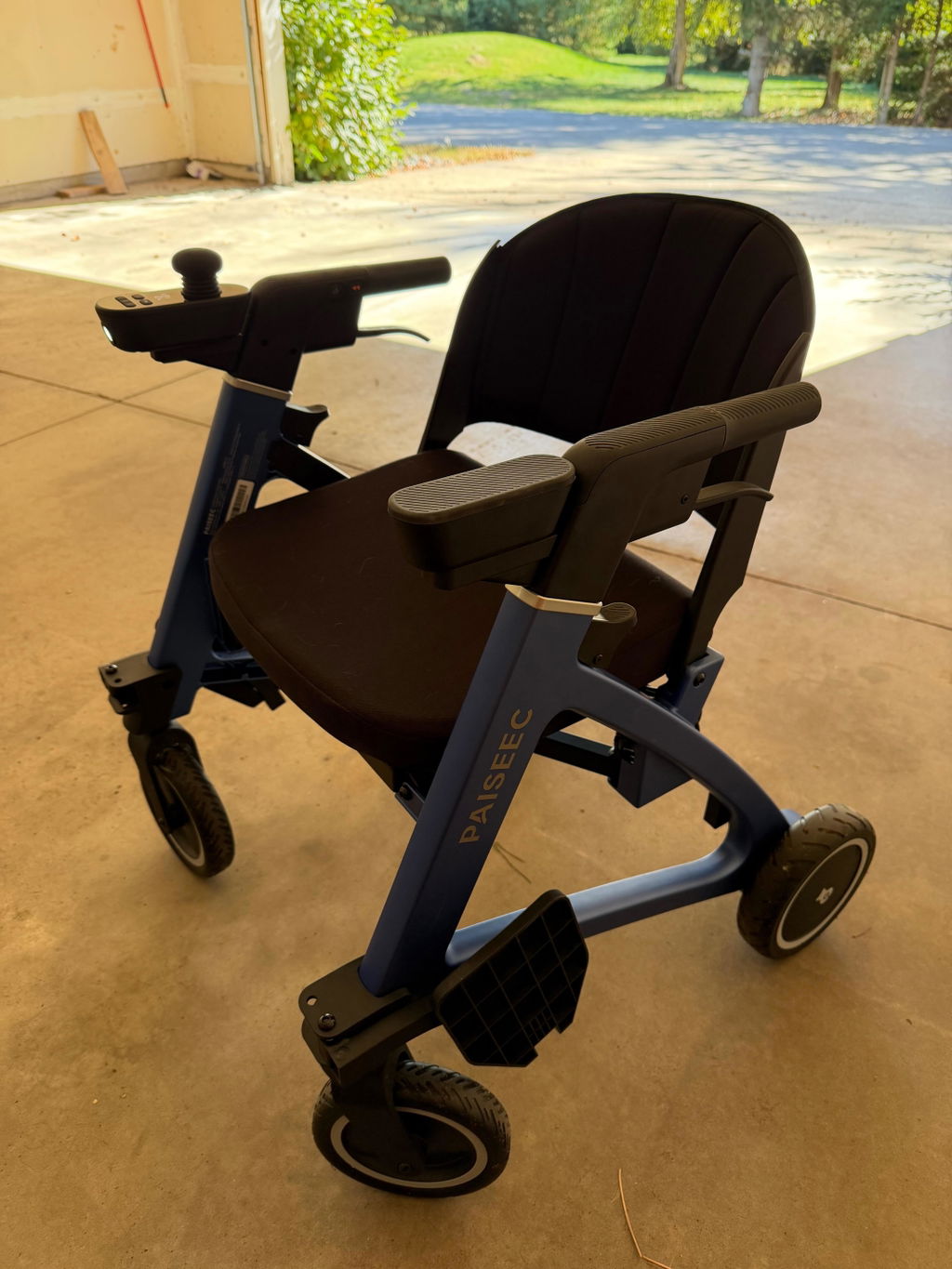
Opt for modern designs that blend style and function—Paiseec scooters fold compactly for travel, evoking adventure over limitation.
Challenge age-related assumptions by highlighting tech features like powerful motors that enable active lifestyles. Affirmations such as "This tool expands my possibilities" reinforce positive associations.
Share success stories in communities to normalize use and inspire others facing similar doubts.
Which Proven Strategies Are Most Effective for Overcoming Internalized Stigma with Mobility Devices?
Begin with private practice sessions to build familiarity and comfort before public use. Connect with support groups where peers share triumphs, normalizing the experience.
Cognitive techniques, like questioning negative thoughts, rewire shame into empowerment. Visualize successful outings to prepare mentally.
Paiseec's PAI safety system, with intelligent braking, provides reassurance during the transition phase. Gradual exposure paired with these tools accelerates acceptance.
How Do Real-Life Stories Effectively Inspire Greater Acceptance of Mobility Aids in Everyday Life?
Personal accounts reveal transformations: a Parkinson's patient ignored stares after medical encouragement, reclaiming daily outings with joy.
Chronic condition sufferers describe aids as "energy protectors," allowing hobby revival and family bonding without exhaustion.
Scooter users shatter laziness myths by shopping independently or exploring parks. These narratives demonstrate stigma's fade with consistent use.
Hearing such stories motivates newcomers, proving freedom outweighs initial discomfort.
Paiseec Expert Views
"Paiseec Mobility designs with stigma in mind—our scooters aren't just tools; they're gateways to independence. Founder Roger, with deep industry expertise, leads our $10M R&D push into 36V batteries and 250W motors. Users rave about the 37-lb S3 model's portability and PAI system's safety, turning 'feeling old' into vibrant freedom. We prioritize style, performance, and support to empower confident mobility for all."
— Roger, Founder, Paiseec Mobility
Paiseec's innovative approach, backed by 100+ R&D experts, redefines aids as desirable lifestyle enhancers.
What Role Do Innovative Modern Devices Play in Significantly Reducing Stigma Around Mobility Solutions?
Advanced mobility solutions feature sleek aesthetics and high-tech performance, distancing from outdated medical images. Paiseec's electric wheelchairs offer 20-mile ranges and waterproofing for versatile use.
Smart safety elements build user trust, encouraging bolder adoption. These attributes project capability, appealing across age groups.
Such innovations normalize aids, positioning them as empowerment essentials.
Key Takeaways and Actionable Advice
Overcoming mobility stigma unlocks independence—reframe devices as freedom enablers that enhance mental health and daily joy. Prioritize psychological gains like confidence boosts and social reconnection.
Action steps:
-
Assess needs with a healthcare provider.
-
Trial Paiseec models for lightweight, safe performance.
-
Engage online communities for motivation.
-
Practice short trips, scaling to longer ones.
-
Daily affirm: "Mobility expands my world."
Step forward confidently—freedom awaits beyond outdated barriers.
Frequently Asked Questions
Are mobility aids only for older adults?
No, they benefit anyone with mobility challenges from injuries, arthritis, or conditions like MS, promoting independence at any age.
Can stylish scooters reduce stigma perceptions?
Yes, modern designs like Paiseec's sleek, foldable models project activity and style, countering frailty stereotypes effectively.
How long does psychological adjustment take?
Most users adapt within weeks through mindset shifts, peer support, and focusing on freedom benefits.
Does therapy aid in overcoming stigma?
Yes, cognitive behavioral approaches help process shame, reframe thoughts, and build resilience around device use.
What sets Paiseec products apart for stigma reduction?
Their ultra-lightweight builds, PAI safety tech, and long-range batteries deliver modern performance that feels empowering and youthful.
Leave a comment
This site is protected by hCaptcha and the hCaptcha Privacy Policy and Terms of Service apply.