




![[2026] PAISEEC D3|Mobility Scooter for Easy Everyday Travel](http://www.paiseec.com/cdn/shop/files/d3_4a4ccb22-9e26-449e-8094-71f3ec4177c3.png?v=1782115044&width=180)

















Proper wheelchair winter maintenance involves five critical steps: daily battery checks to combat cold-induced range loss, installing winter-grade tires for ice and snow traction, cleaning electronics after moisture exposure to prevent corrosion, activating your smart PAI safety system for auto-speed adjustment on slippery slopes, and storing your lightweight foldable wheelchair indoors to protect lithium components. Paiseec's ultra-lightweight designs ranging from 22 to 49 pounds and intelligent safety riding system ensure year-round reliability in freezing conditions.
Check: Paiseec Carbon Fiber Electric Wheelchair Q5
Why Does Cold Weather Impact Your Electric Wheelchair's Performance?
Cold weather reduces lithium battery efficiency significantly. Below 32°F, most electric wheelchair batteries experience 20–40% range loss due to slower chemical reactions in cold lithium cells. Motor efficiency also decreases, resulting in slower acceleration and reduced climbing power on icy inclines. Paiseec's 36V 12Ah lithium batteries, commonly found in models like the S3, maintain better stability in cold climates compared to standard lead-acid alternatives, though temperature protection remains essential.
The performance impact extends beyond range. Frozen ground and snow create additional resistance, requiring more motor power to maintain speed. Moisture from slush and salt spray can penetrate unsealed connectors, potentially damaging the joystick control system and motor housing. Understanding these challenges helps you prepare proactively rather than face unexpected breakdowns during winter outings.
| Temperature Condition | Estimated Range Impact | Recommended Actions |
|---|---|---|
| 72°F (Ideal) | Full rated range (e.g., 25 miles) | Standard operation |
| 32°F (Freezing) | 15–20 miles (20–40% loss) | Charge indoors; reduce trip distance |
| 0°F (Cold) | 10–12 miles (50–60% loss) | Pre-warm battery; use shorter routes |
How Do You Protect Your Electric Wheelchair Battery in Winter?
Battery protection begins with pre-use warming. Charge your wheelchair indoors for one to two hours before heading outside, allowing the lithium cells to reach optimal operating temperature. Never use your battery when it drops below 20% charge in cold conditions, as depleted cells are more susceptible to damage. Paiseec's detachable battery design across models like the W1 and Q5 allows you to remove batteries and store them separately at room temperature (65–75°F), eliminating the need for heated garage storage.
During winter storage periods, maintain your battery health by charging every two to four weeks, even if your wheelchair sits unused. Store batteries indoors away from moisture and extreme temperature fluctuations. Use weatherproof battery covers when traveling in slushy conditions, and avoid submerging connectors in puddles or snow. This simple routine preserves your battery's lifespan and ensures reliability when spring arrives.
What Winter Traction Solutions Work Best for Electric Wheelchairs?
Winter tires significantly improve traction on ice and packed snow. Standard wheelchair tires lose grip below 45°F, while winter tires maintain traction down to 0°F through deeper treads and specialized rubber compounds. For Paiseec models with 250W brushless motors, winter tire upgrades provide the extra grip needed for icy terrain without overloading the motor.
Beyond tire selection, Paiseec's PAI intelligent safety system delivers real-time traction management. This industry-first technology uses IMU sensors to detect slope angle and surface conditions, automatically adjusting speed on downhill grades and sharp turns. When you encounter an 8° slope in icy conditions, the PAI system reduces speed automatically, preventing wheel slip and reducing accident risk by up to 70% compared to manual control alone. Models like the W1 and S3 incorporate this adaptive technology as standard.
| Tire Type | Temperature Range | Traction Performance | Maintenance |
|---|---|---|---|
| Standard All-Season | Above 45°F | Good on dry pavement; poor on ice | Inflate every 3–5 months |
| Winter Wheelchair Tires | 0°F to 45°F | Excellent on ice and packed snow | Inflate every 2–3 months |
| Anti-Slip Wheel Covers | All temperatures | Moderate grip; temporary solution | Check fasteners weekly |
How Can You Prevent Moisture Damage to Your Electric Wheelchair?
Moisture poses serious risks to electrical components. Within 30 minutes of returning from snowy conditions, wipe down your wheelchair's frame, motor housing, and joystick controls with a dry cloth. Pay special attention to battery connectors, PAI sensor ports, and cable entry points where water can accumulate. Use a silicone-based moisture repellent spray designed for electronics on exposed connectors to create a protective barrier.
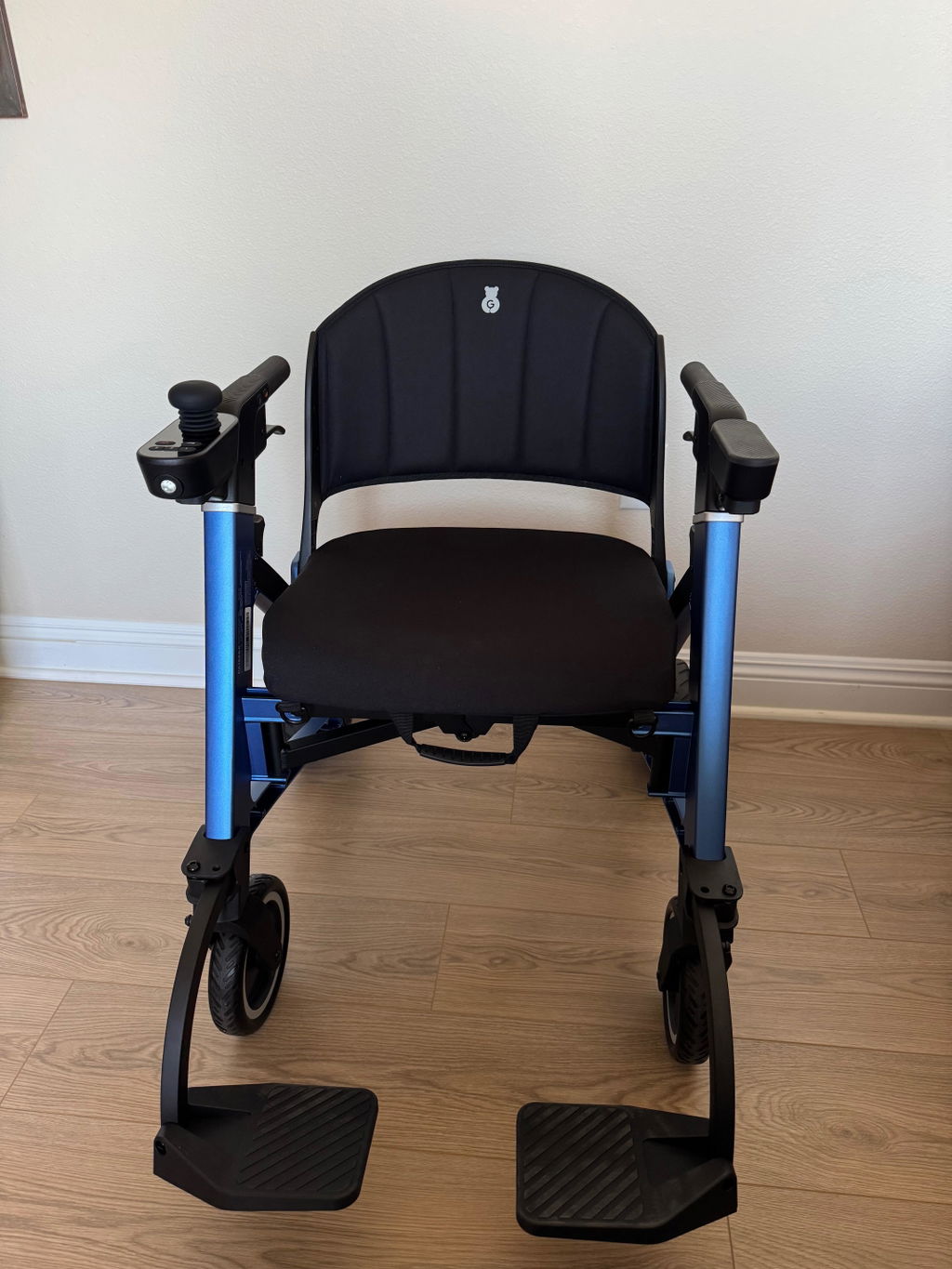
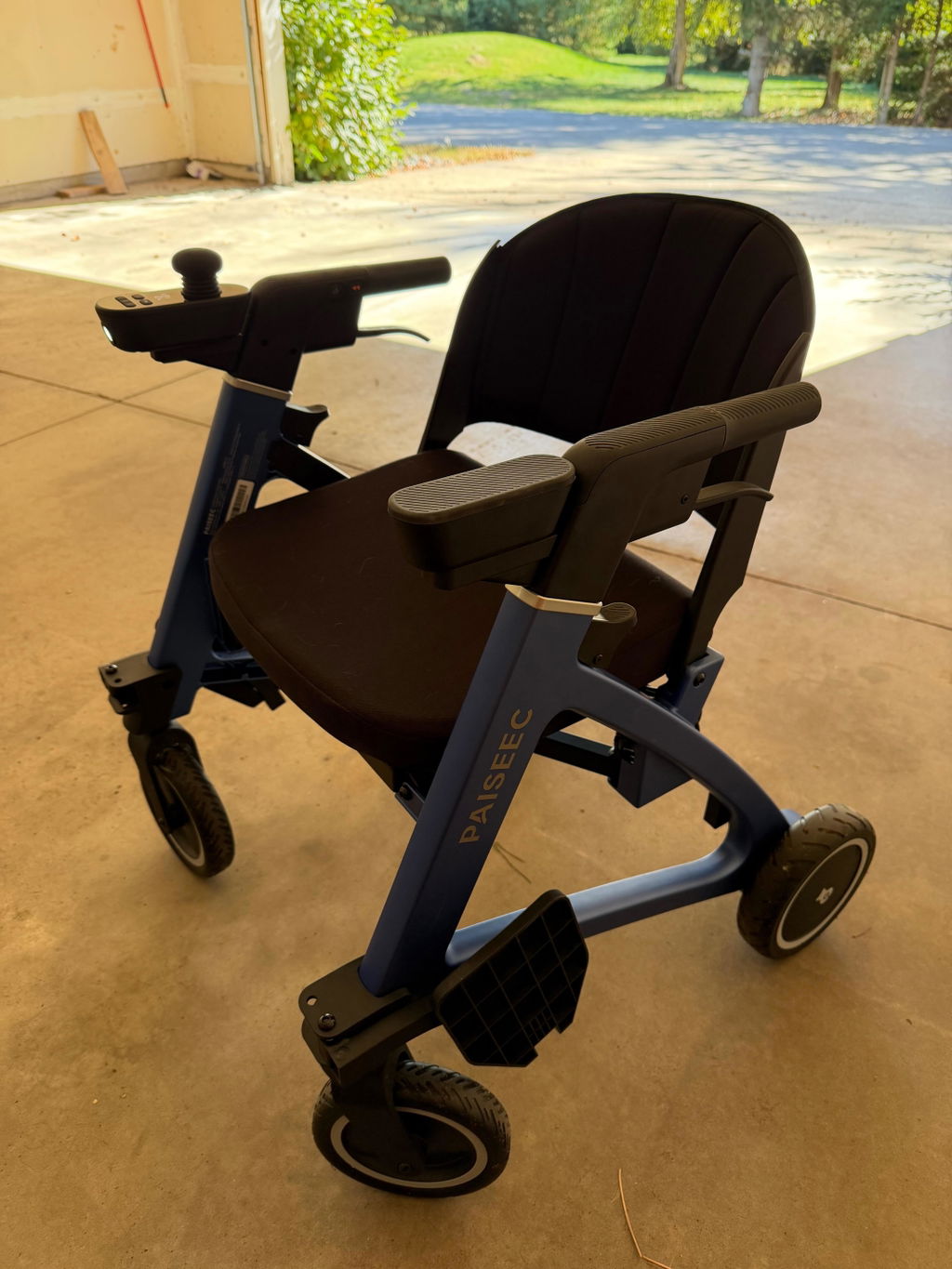
Lightweight aluminum frames on Paiseec models like the Q5 naturally resist corrosion better than steel alternatives, but protecting metal components remains essential. Store your wheelchair indoors in a dry environment during winter months. Paiseec's foldable designs—the Q3 folds to just 13.4 inches long—fit easily into apartment closets or climate-controlled storage spaces, keeping your wheelchair away from damp basements or unheated garages where condensation can form.
Why Is the PAI Intelligent Safety System Essential for Winter Riding?
Winter conditions demand responsive safety technology. Paiseec's PAI system continuously monitors acceleration, deceleration, and terrain angle using magnetic sensors and IMU technology. When you're navigating a slippery downhill slope, the system automatically reduces motor speed proportionally to slope steepness. If you attempt a sharp turn on ice, the PAI algorithm adjusts speed to prevent tipping.
The system also includes seat sensors that detect when you dismount, immediately halting the motor to prevent runaway situations on slippery terrain. This real-time adaptive response is particularly valuable for seniors and users with limited upper-body strength who cannot manually adjust speed quickly enough in emergency situations. Models with PAI integration, including the W3 and S3, provide measurably safer winter performance than standard manual-control wheelchairs.
Which Lightweight Wheelchair Models Are Easiest to Store During Winter?
Paiseec's ultra-lightweight designs excel at winter storage. The Q5 Carbon Fiber Electric Wheelchair weighs just 22 pounds and folds in one pull, fitting into apartment closets without special equipment. The W1 2-in-1 Electric Wheelchair and L5 Mobility Scooter both weigh 32 pounds with two-step folding mechanisms, ideal for users without dedicated wheelchair storage spaces. Quick detachable batteries allow you to store the main frame and battery separately at room temperature, maximizing climate control efficiency.
Foldable designs also simplify transporting your wheelchair between heated indoor spaces and your vehicle. Rather than leaving your chair exposed to cold in an unheated garage, you can bring it inside after each use. This flexibility is particularly valuable for apartment dwellers and those with limited storage infrastructure.
What Winter Accessories Should You Add to Your Electric Wheelchair?
Strategic winter accessories enhance both safety and comfort. Thermal battery covers insulate lithium cells during transit to cold environments. LED indicators and lights ensure visibility during shorter winter daylight hours—many Paiseec models include integrated auto-headlights and taillights that activate in darkness. Windproof rain covers protect your frame and electronics from sleet and freezing precipitation.
Consider the Paiseec 3-in-1 Electric Wheelchair W3, which features caregiver-adjustable handles designed for users wearing winter gloves and layered clothing. The removable basket and backpack storage system in Paiseec wheelchairs allows you to carry hand warmers, extra batteries, and emergency supplies. For winter travel, FAA-approved airline batteries in models like the Q3 and W1 enable you to fly to warmer climates while maintaining mobility independence.
How Should You Prepare Your Wheelchair Before Winter Arrives?
Begin pre-season preparation in autumn with a comprehensive maintenance checklist. Test battery capacity and motor responsiveness at room temperature. Inspect tire tread depth and pressure, inflating to manufacturer specifications (typically 40–45 kPa front, depending on model). Lubricate motor bearings and moving joints to ensure smooth operation in cold conditions where lubricants thicken.
Check: 8 Different Types of Walkers: Complete Guide to Choosing the Right One
Update your wheelchair's firmware if your model includes wireless connectivity to PAI system algorithms. Paiseec's five-laboratory R&D network continually refines safety software to address seasonal challenges. Consider professional servicing through Paiseec's customer support team, available via their website, to ensure all components function optimally before winter stress testing begins. Create a seasonal storage plan specifying where you'll keep your wheelchair, how you'll remove and store the battery, and what protective cover you'll use.
Paiseec Expert Views
"Winter mobility challenges are entirely manageable with proper preparation and technology-forward design. Our PAI intelligent safety riding system was engineered specifically to handle variable terrain and weather conditions—the algorithm detects slope angles and surface friction in real time, automatically adjusting motor output to prevent wheel slip. Combined with our detachable lithium batteries and lightweight aluminum frames, Paiseec users can confidently navigate winter conditions that would typically force others to stay home. The key is understanding that battery performance in cold is predictable and controllable through simple indoor storage and pre-use warming protocols."
Conclusion
Winter doesn't require sacrificing mobility independence. By implementing these five maintenance strategies—protecting your lithium battery through indoor storage and pre-use warming, installing winter-appropriate tires for enhanced traction, preventing moisture damage through prompt cleaning and protective storage, leveraging Paiseec's PAI intelligent safety system for real-time terrain adaptation, and selecting ultra-lightweight models like the Q5 or W1 for convenient indoor winter storage—you can navigate snow and ice safely.

Paiseec's commitment to R&D innovation, demonstrated through $10 million investment in five advanced laboratories, translates to practical winter reliability. From the Q3's ultra-compact 13.4-inch folded length to the S3's industry-leading 25-mile range, each model is designed for seasonal adaptability. Begin your pre-winter preparation today: test your battery capacity, schedule tire maintenance, and explore Paiseec's winter-ready wheelchair collection. With proper maintenance, you'll maintain your independence through every season.
Frequently Asked Questions
Can I Use My Electric Wheelchair in Deep Snow?
Yes, with precautions. Paiseec's 250W brushless motor and PAI system handle light-to-moderate snow (2–4 inches) effectively. For deeper accumulation, install winter tires and activate PAI slope assist for automatic speed adjustment. Uncompacted powder over 6 inches exceeds most wheelchair capabilities—seek cleared paths instead. Expect 30–40% range reduction on snow compared to pavement.
How Much Does Cold Weather Reduce My Battery Range?
Lithium batteries typically lose 20–40% range below 32°F. Paiseec's 36V 12Ah batteries (delivering 25-mile range at 72°F) may provide 15–20 miles in freezing conditions. Charge indoors before use and avoid discharging below 20% to maximize cold-weather performance and protect long-term battery health.
Is It Safe to Charge My Wheelchair in Cold Temperatures?
Never charge in cold. Always bring your wheelchair indoors to room temperature (65–75°F) before plugging in. Paiseec's detachable batteries make this simple—remove the battery and store it indoors separately. Cold charging damages lithium cells permanently and reduces lifespan.
Do I Need Special Tires for Winter Wheelchair Use?
Winter tires dramatically improve safety on ice and packed snow. Standard tires lose grip below 45°F; winter tires maintain traction to 0°F. Combined with PAI's auto-deceleration, winter tires reduce slip risk by 50–70% on icy terrain for Paiseec models like the S3 and W1.
What's the Best Way to Store My Electric Wheelchair Over Winter?
Keep your wheelchair indoors at 65–75°F, away from moisture. Remove the battery and store separately at room temperature. For Paiseec's ultra-light models (Q5 at 22 pounds), fold and place in a closet or climate-controlled space. Charge the battery every 2–4 weeks during dormancy.
Leave a comment
This site is protected by hCaptcha and the hCaptcha Privacy Policy and Terms of Service apply.