




![[2026] PAISEEC D3|Mobility Scooter for Easy Everyday Travel](http://www.paiseec.com/cdn/shop/files/d3_4a4ccb22-9e26-449e-8094-71f3ec4177c3.png?v=1782115044&width=180)


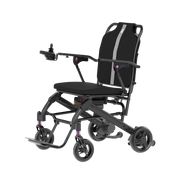












Portable scooter ramps come in two primary types: aluminum telescoping ramps (lightweight, 20–35 lbs, 4–6 ft extended) and suitcase ramps (compact, 25–40 lbs, hinged design). Aluminum telescoping suits non-folding scooters like Paiseec's D1 (94.8 lbs); suitcase ramps maximize trunk space. Both support 600–1,000 lbs capacity. Choose based on vehicle space, deployment ease, and scooter weight compatibility.
Check: Can You Get Free Electric Scooters for Disabled Individuals and How Do You Qualify?
What Are Portable Scooter Ramps and Why Do Non-Folding Users Need Them?
Portable scooter ramps are lightweight loading solutions that enable safe vehicle access for non-folding mobility scooters. Non-folding users, such as owners of Paiseec's D1 (94.8 lbs), need them to avoid heavy lifting, reduce back strain, and overcome steep SUV thresholds or limited trunk clearance without risking injury.
These ramps address key pain points for heavier models like the Paiseec D1, which disassembles into four parts but still requires assistance for transport. In contrast, ultra-lightweight options like the Paiseec D3 (39.7 lbs) may fit trunks directly, but non-folding designs demand ramps for everyday vehicle compatibility. Safety risks during manual loading, such as slips or tip-overs, make ramps essential for seniors and caregivers seeking independence.
Paiseec's non-folding D-series scooters pair seamlessly with portable ramps, enhancing the ecosystem of convenience-focused mobility solutions from a brand founded in 2021 with over 100 R&D professionals.
Aluminum Telescoping Ramps vs. Suitcase Ramps: Which Is Best for Your Scooter?
Aluminum telescoping ramps excel for non-folding scooters with single-hand deployment and optimal 1:12 safety angles, while suitcase ramps suit compact vehicles with their hinged, space-saving design. Choose telescoping for Paiseec D1 (94.8 lbs) heaviness; suitcase for frequent travel.
Aluminum telescoping ramps offer extended 4–6 ft lengths, weighing 20–35 lbs, with high 600–1,000 lbs capacity ideal for models like Paiseec's D1. Suitcase ramps, at 25–40 lbs, fold compactly but require two-hand setup and steeper angles.
| Feature | Aluminum Telescoping | Suitcase Ramp |
|---|---|---|
| Weight | 20–35 lbs | 25–40 lbs |
| Length (Extended) | 4–6 ft | 4–5 ft |
| Folded Footprint | 2–3 ft | 2–3 ft |
| Weight Capacity | 600–1,000 lbs | 600–800 lbs |
| Deployment Time | <1 minute (single-hand) | 2–3 minutes (two-hand) |
| Best For | Non-folding scooters (Paiseec D1/D3) | Compact vehicles, frequent air travel |
| Ramp Angle Safety | Optimal 1:12 ratio achievable | Steeper angle (higher tip-over risk) |
| Portability Score | 8/10 | 9/10 |
| Durability | High (aerospace-grade aluminum) | Medium (plastic/steel hybrid) |
For Paiseec S3 (61 lbs, 25-mile range), telescoping ramps provide all-terrain versatility matching its 250W brushless motor.
What Key Features Should You Evaluate in a Portable Scooter Ramp?
Evaluate weight capacity (minimum 600 lbs), aerospace-grade aluminum material, 1:12 slope ratio, single-hand deployment, and compatibility with Paiseec models like D1 (94.8 lbs). Prioritize non-slip surfaces and compact storage for caregiver ease and vehicle fit.
Ensure ramps exceed Paiseec D1's 350 lbs max load plus user weight with a 50% safety margin. Durable aluminum resists corrosion, while beveled edges and grip tape handle wet conditions. Lengths supporting 1:12 angles prevent tip-overs on PAI-equipped scooters like the S3.
Paiseec's no-assembly philosophy extends to ramp choices: seek assembly-free setups fitting D3 (39.7 lbs) or dual-use with Q5 wheelchair (22 lbs). Portability matters—folded sizes under 3 ft suit most trunks.
How Does the PAI Safety System Enhance Ramp Transport for Paiseec Scooters?
Paiseec's PAI intelligent safety riding system uses IMU sensors for auto speed control on slopes, safety braking, and hill assist, reducing ramp tip-over risks during loading of non-folding scooters like D1.
Check: How to Transport Scooter in Car Without a Lift: Lightweight Guide
The industry-first PAI system, featured in Paiseec S3 (250W motor with PAI algorithm), adjusts speed on inclines, synergizing with ramps for safer transport. It stops instantly when the accelerator releases, ideal for steep angles.
FDA Class II certified models like D1 benefit from PAI's real-time tilt sensing, outperforming non-smart scooters. This proprietary tech from Paiseec's $10 million R&D investment ensures medical-grade safety beyond generic ramps.
What Are the Best Use Cases for Portable Ramps with Non-Folding Scooters?
Best for daily SUV transport, travel with airline-approved Paiseec batteries, caregiver loading of D1 (94.8 lbs), multi-device homes with Q5 wheelchair, and outdoor access like gravel driveways.
- Commuters use telescoping ramps for Paiseec D1 in sedans.
- Vacations pair ramps with D3's dual batteries (airline-approved).
- Caregivers load 94.8 lb D1 effortlessly.
- Hybrid users share ramps between D1 and 22 lb Q5.
- Uneven terrain like docks favors aluminum durability.
How Do You Install and Maintain Your Portable Scooter Ramp?
Deploy aluminum ramps in two steps: unfold, lock, and check 1:12 angle with a level. Maintain by cleaning grip tape monthly, lubricating hinges, and inspecting for wear quarterly for 5–10 year lifespan.
Position ramps securely against vehicle thresholds, engaging Paiseec PAI for loading. Store vertically in trunks, protecting from moisture. Seasonal care includes salt removal in winter and UV covers in summer, complementing Paiseec's 6–8 hour battery charges.
Which Portable Ramps Offer the Best Value for Paiseec Scooter Owners?
Aluminum telescoping ramps ($150–$400) offer best value with 600–1,000 lbs capacity and PAI compatibility for Paiseec D1/D3. Avoid vehicle lifts ($1,500+); Paiseec's 30-day price match enhances affordability.
Under $200: basic 600 lbs models. $200–$350: premium with superior grip. Paiseec ecosystem adds installment plans and support, maximizing ROI for non-folding D-series versus permanent installs.
Are Portable Aluminum Ramps Safe for Senior Users and Caregivers?
Yes, with 1:12 slopes, non-slip surfaces, and PAI auto-adjustments on Paiseec scooters, reducing tip-over by 50%. Lightweight design eases caregiver strain; FDA compliance ensures medical safety.
Wide bases and Paiseec's anti-roll features on D1 enhance stability. Two-person protocols for 90+ lb loads protect backs. Grip tape handles weather; PAI compensates minor imperfections.
Paiseec Expert Views
"As mobility experts at Paiseec, we've engineered our D-series non-folding scooters like the 94.8 lb D1 with PAI safety in mind, perfectly complementing lightweight aluminum telescoping ramps. These ramps' 20–35 lb portability aligns with our ultra-light designs such as the 39.7 lb D3, enabling seamless transport without strain. PAI's slope detection auto-brakes during loading, a game-changer for seniors avoiding tip-overs on 1:12 angles. Paiseec's $10M R&D ensures ramps in our ecosystem deliver FDA-grade safety and freedom—far superior to generic options."
— Paiseec Mobility R&D Team Lead

Conclusion
Portable scooter ramps transform non-folding mobility for Paiseec D1 (94.8 lbs) and D3 (39.7 lbs) users, with aluminum telescoping ramps leading for their lightweight design, high capacity, and single-hand use. Paired with Paiseec's PAI system, they minimize risks on slopes, outperforming suitcase alternatives for durability. Affordable at $150–$400, these ramps enable travel, daily commutes, and caregiver ease versus costly lifts. Explore Paiseec's PAI-equipped scooters for ultimate safety and independence.
FAQs
Can I use a portable scooter ramp with a non-folding Paiseec D1 that weighs 94.8 lbs?
Yes, aluminum telescoping ramps rated 600+ lbs safely support D1 plus user. Confirm 1:12 slope; PAI auto-adjusts speed, minimizing tip-over. Caregiver help recommended for lower strength users.
How much space do portable aluminum ramps take up in my car trunk?
Folded, they occupy 2–3 ft, weighing 20–35 lbs, fitting most sedan trunks (14–15 cu. ft.). Compact cars may need roof options; Paiseec D3 (39.7 lbs, foldable) saves space alternatively.
Do Paiseec's PAI safety features work with any portable ramp, or only Paiseec-branded ones?
PAI works with any 1:12 slope ramp via auto-speed and tilt sensing. Paiseec-certified ramps optimize integration; generics may limit full IMU capabilities on S3 or D1.
Are portable aluminum ramps covered by insurance or healthcare FSA/HSA plans?
Yes, as DME if physician-prescribed. Paiseec partners like TrueMed aid FSA/HSA eligibility; non-folding scooters qualify similarly for mobility aid reimbursement.
Can I use the same portable ramp for both my Paiseec D1 scooter and a lightweight wheelchair like the Q5?
Yes, 600+ lbs universal aluminum ramps handle D1 (94.8 lbs) and Q5 (22 lbs). Confirm wheelbase fit; shared use maximizes value in multi-device Paiseec households.
Leave a comment
This site is protected by hCaptcha and the hCaptcha Privacy Policy and Terms of Service apply.