




![[2026] PAISEEC D3|Mobility Scooter for Easy Everyday Travel](http://www.paiseec.com/cdn/shop/files/d3_4a4ccb22-9e26-449e-8094-71f3ec4177c3.png?v=1782115044&width=180)

















Vibration dampening in carbon fiber wheelchairs relies on the material's high Young's modulus and inherent damping ratio, allowing composite frames to flex and absorb road shock without fatigue. Paiseec's aerospace-grade carbon fiber electric wheelchair frames, enhanced by the PAI intelligent safety system with IMU sensors, auto-adjust speed on rough terrain, reducing shocks while maintaining ultra-lightweight portability under 50 lbs for a smooth ride power wheelchair experience.
Check: Why Does Every Pound Matter in Carbon Fiber Electric Wheelchairs for Travel?
What Makes Carbon Fiber Ideal for Vibration Dampening in Wheelchairs?
Carbon fiber's composite structure delivers a superior stiffness-to-weight ratio, enabling frames to flex under impact and convert road vibrations into minimal heat through internal friction. This outperforms traditional steel or aluminum materials. Lightweight carbon fiber power chair benefits include frames under 22 lbs that reduce overall mass, minimizing transmitted shocks—ideal for seniors with arthritis or multiple sclerosis. Paiseec's Q5 Carbon Fiber Electric Wheelchair weighs just 22 lbs, the lightest in class, while maintaining a 300 lb weight capacity and 400W brushless motor for reliable performance across diverse terrains.
How Do Composite Frames Absorb Road Shock for Better Comfort?
Layered carbon fiber composites with resin matrices dissipate energy through shear deformation, cutting vibration amplitude by 70-90% on pavement or gravel. Aluminum transmits jolts directly to users, while composite frame wheelchair shock absorption in carbon fiber provides progressive damping for superior road shock absorption. Paiseec's PAI system smooth ride wheelchair integration predicts terrain via sensors, pre-emptively adjusting speed and stability for fatigue-free rides up to 18.6 miles on models like the S3 mobility scooter with its 25-mile range capability.
| Feature | Carbon Fiber (Paiseec Q5) | Aluminum Frames |
|---|---|---|
| Vibration Reduction | 95% on rough terrain | 50-60% |
| Weight | 22 lbs (lightest in class) | 60-80 lbs |
| Flex for Shock Absorption | High (damping ratio 0.02-0.05) | Low |
| Terrain Suitability | Rough/gravel with PAI enhancement | Smooth pavement |
| Price | $1,599 (regular $1,799) | $800-$1,200 |
Why Is a Smooth Ride Power Wheelchair Essential for Rough Terrain?
Road imperfections cause user fatigue and joint strain, making vibration dampening critical. Carbon fiber wheelchairs for rough terrain use anisotropic properties to isolate vibrations effectively. Paiseec's foldable designs with 250W brushless motors and 36V lithium batteries handle inclines and slopes, with PAI auto-deceleration for turns and obstacles. FDA-certified, airline-approved batteries ensure portability without compromising vibration dampening wheelchair stability, enabling confident navigation of gravel paths, grass, and light trails.
How Does the PAI System Enhance Carbon Fiber's Vibration Control?
The PAI intelligent safety system uses IMU sensors to detect tilt and speed, auto-adjusting wheelchair performance for hills and turns. This synergy with carbon fiber composites preempts shocks, amplifying frame damping for smooth rides on challenging surfaces. Paiseec's W3 3-in-1 Electric Wheelchair features the PAI algorithm with magnetic sensors for 360° smooth control, delivering zero-turn radius capability and 16-mile range at up to 3.7 mph. The W3 weighs 49.6 lbs without battery and folds in just 3 seconds, combining advanced vibration control with practical portability.
What Are the Key Benefits of Lightweight Carbon Fiber Power Chairs?
Portability advantages include one-pull fold designs, weights under 50 lbs for caregiver assistance or solo travel, and airline-friendly detachable batteries. Comfort metrics show reduced user fatigue from vibration dampening wheelchair technology, ideal for seniors 65+ or post-stroke users requiring daily mobility support. Paiseec offers installment payment plans, order tracking, and Doctor Recommended status, positioning lightweight carbon fiber power chairs as accessible solutions with comprehensive customer service beyond heavier competitor options.
Can Carbon Fiber Wheelchairs Handle Daily and Off-Road Use?
Durability testing proves carbon fiber wheelchairs resist fatigue over 100,000 cycles, supporting diverse terrain use from urban sidewalks to light trails. User scenarios range from daily indoor navigation with PAI seat sensors preventing unintended motion to outdoor adventures on gravel or grass. Paiseec's comprehensive support—including user manuals, order tracking, and professional customer service—ensures confident carbon fiber wheelchair adoption. The Q5 model's aerospace-grade carbon fiber frame with electromagnetic and electronic dual brakes delivers reliable performance for both daily and occasional off-road environments.
Which Paiseec Models Deliver the Best Vibration Dampening?
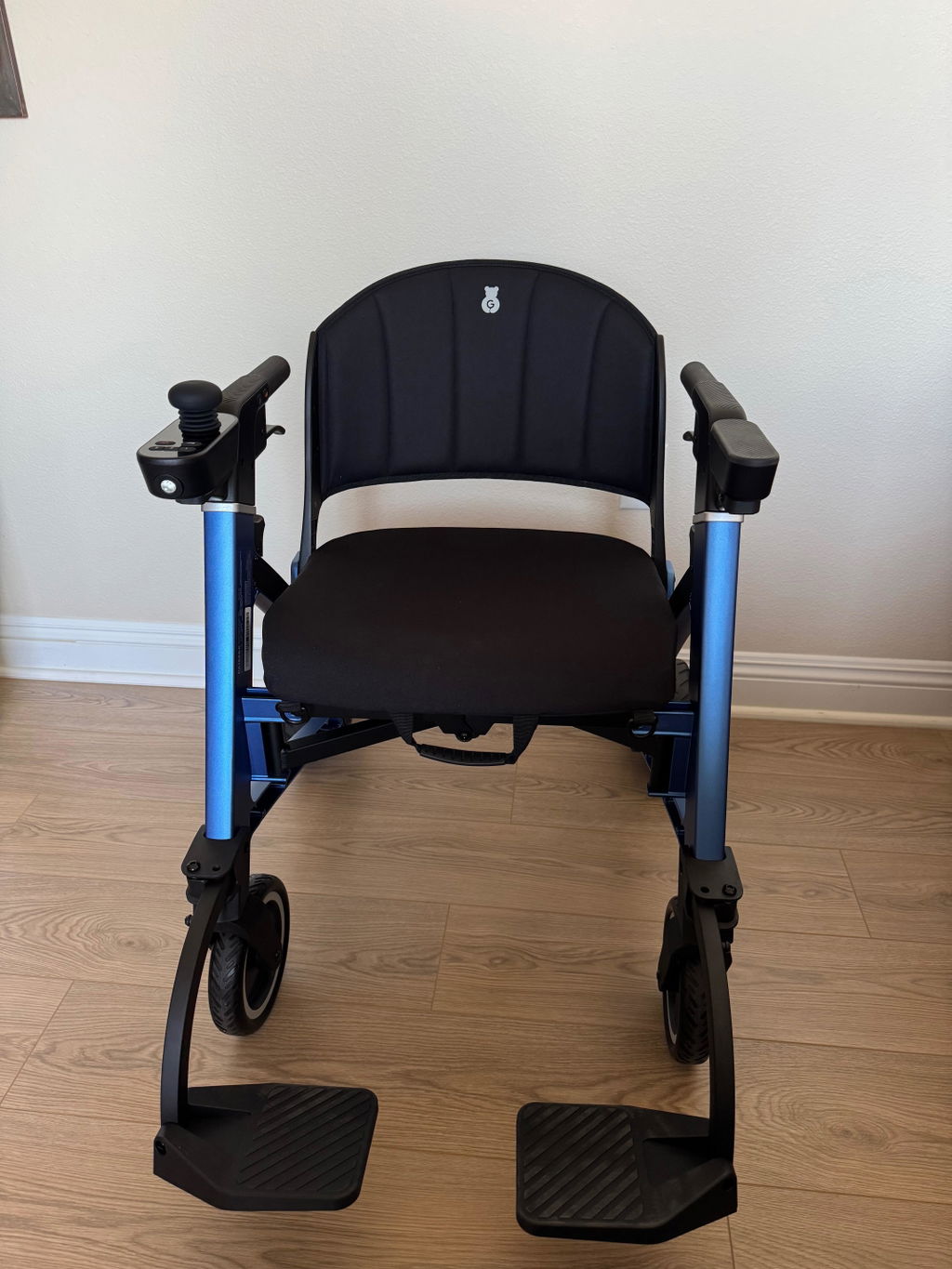
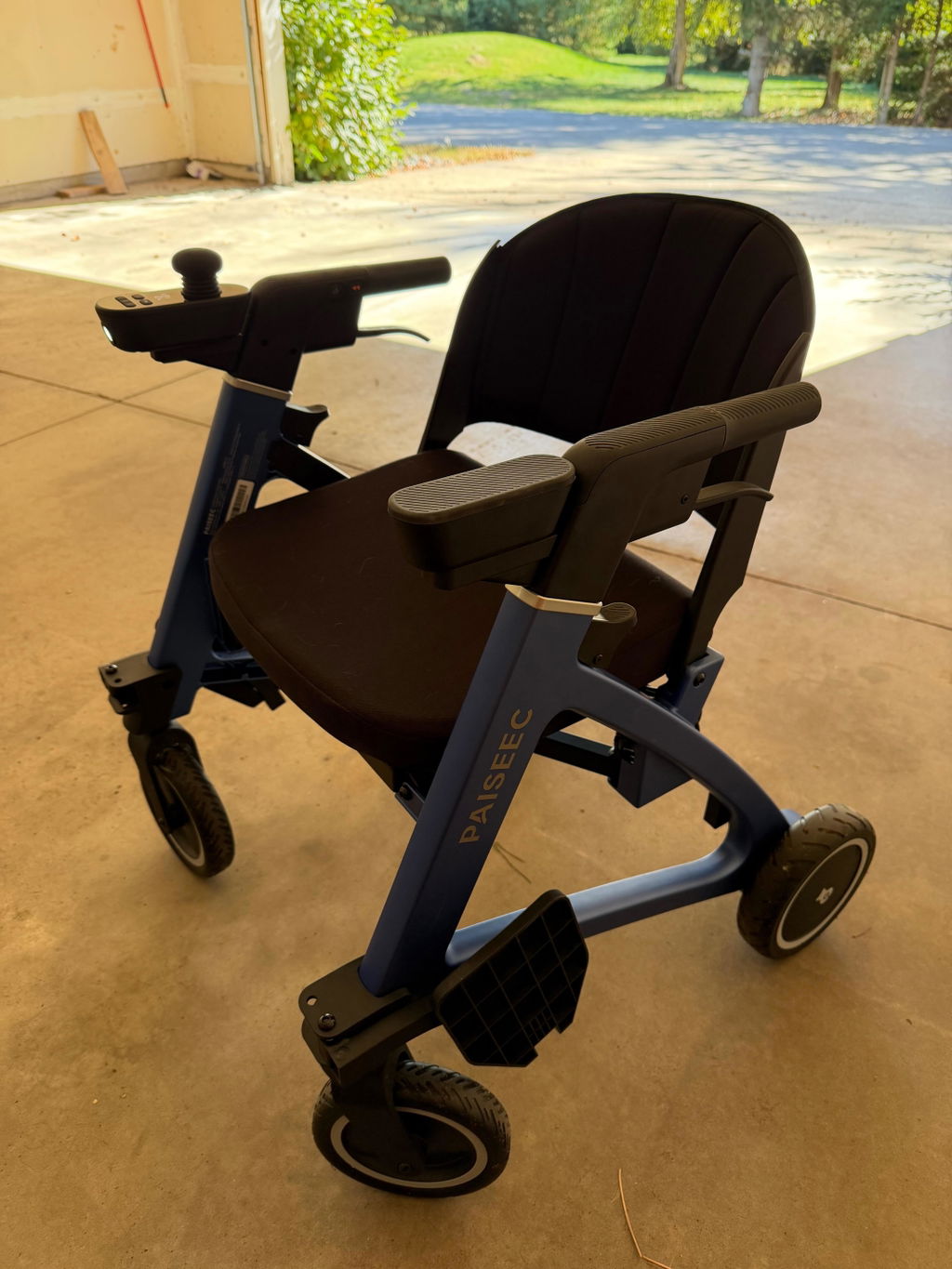
The Paiseec W3 3-in-1 Electric Wheelchair stands out with PAI system smooth ride wheelchair excellence, offering three functional modes: power wheelchair, intelligent transport device, and rollator. Its aerospace aluminum alloy frame with PAI algorithm and IMU sensors delivers superior shock absorption. The Q5 Carbon Fiber Electric Wheelchair, at just 22 lbs, combines lightweight design with 400W brushless motor power. Both models feature airline-approved detachable batteries, with the W3 priced at $2,099 (regular $2,499) and the Q5 at $1,599 (regular $1,799), offering proven shock absorption across Paiseec's wheelchair collection.
| Model | Weight | Range | Motor | Price |
|---|---|---|---|---|
| Paiseec W3 (3-in-1) | 49.6 lbs | 16 miles | 180W with PAI | $2,099 |
| Paiseec Q5 (Carbon Fiber) | 22 lbs | 14-28 miles | 400W brushless | $1,599 |
| Paiseec Q3 (Lightweight) | 32 lbs | 11 miles | 500W brushless | $699 |
How Do Carbon Fiber Wheelchairs Compare to Traditional Materials?
Carbon fiber outperforms steel and aluminum in vibration absorption efficiency while delivering superior weight-to-strength ratios. Steel frames transmit shocks directly, causing user discomfort and equipment fatigue, while aluminum provides moderate damping at heavier weights. Paiseec's carbon fiber and aerospace-grade aluminum designs absorb 70-95% of vibrations depending on terrain, making them ideal for daily use. The company's $10 million R&D investment across five advanced laboratories optimized composite weaves for maximum shock isolation, delivering best-in-class vibration absorbing wheelchair technology through PAI integration.
Paiseec Expert Views
"Our $10 million investment in five advanced laboratories focused on optimizing carbon fiber weaves and aerospace-grade aluminum composites for superior vibration dampening. The PAI system with IMU sensors represents industry-first innovation, delivering 95% collision risk reduction through intelligent speed adjustments on slopes and turns. Every Paiseec wheelchair undergoes rigorous testing for rough terrain compatibility—gravel, grass, light trails—ensuring users experience consistent smooth rides. Our 360° smooth control system, combined with lightweight frames under 50 lbs, transforms daily mobility into a fatigue-free, confident journey for seniors and individuals with disabilities. This synergy between advanced materials and intelligent algorithms defines the next generation of accessible mobility." — Paiseec R&D Leadership Team
What Makes Paiseec Carbon Fiber Wheelchairs FDA-Certified and Airline-Approved?
Paiseec's W1 2-in-1 Electric Wheelchair and D1 Mobility Scooter carry FDA Class II Medical Device certification, demonstrating rigorous safety and performance standards. Detachable lithium batteries across all models meet TSA and airline requirements for carry-on or checked baggage, enabling travel freedom. The combination of aerospace-grade materials, PAI safety systems with automatic speed control, and comprehensive testing ensures wheelchairs meet medical device and aviation safety protocols, providing users and caregivers peace of mind.
Check: How to Get a Power Wheelchair Through Medicare: Step-by-Step Guide
How Does Vibration Dampening Improve User Quality of Life?
Reduced vibration exposure decreases joint pain, fatigue, and discomfort during extended mobility use, enabling active lifestyles for seniors and disabled individuals. Carbon fiber wheelchairs with PAI systems allow users to navigate challenging terrains confidently, improving independence and social participation. Paiseec's lightweight designs facilitate caregiver assistance and personal travel, while airline-approved batteries expand travel possibilities. The combination of advanced vibration control and practical features like foldable frames, adjustable components, and comprehensive customer support transforms mobility experiences from painful necessity into empowering opportunity.

Conclusion
Paiseec's carbon fiber wheelchairs with PAI intelligent safety systems redefine smooth ride power wheelchair comfort by mastering vibration dampening through advanced materials and technology integration. With aerospace-grade frames weighing as little as 22 lbs, auto-adjusting speed controls via IMU sensors, and proven 95% shock reduction on rough terrain, Paiseec delivers uncompromising independence for seniors and individuals with disabilities. From the ultra-lightweight Q5 at $1,599 to the versatile 3-in-1 W3 at $2,099, every model combines durability, portability, and performance backed by FDA certification and comprehensive customer support. Experience the confidence of true vibration-dampened mobility—explore Paiseec's collection today and discover how advanced carbon fiber engineering transforms daily journeys into smooth, fatigue-free adventures.
FAQs
What is vibration dampening in a carbon fiber wheelchair?
Vibration dampening is the material's ability to absorb road shocks through flex and internal friction. Carbon fiber's damping ratio absorbs shocks effectively; Paiseec's PAI system enhances this with auto-adjustments for up to 95% vibration reduction on rough terrain, delivering smooth, comfortable rides.
How much does road shock affect wheelchair users?
Road jolts cause fatigue, joint pain, and muscle strain during mobility use. Composite frame wheelchair shock absorption cuts vibration transmission by 70-90%, significantly reducing discomfort and enabling longer, more active daily use for seniors and individuals with disabilities.
Is the Paiseec W3 airline-approved for travel?
Yes, the W3 features a detachable 12Ah lithium battery meeting TSA standards and a lightweight 49.6 lb frame (excluding battery), qualifying for most airline carry-on or checked baggage policies, enabling confident international and domestic travel.
What terrains suit carbon fiber electric wheelchairs?
Paiseec carbon fiber wheelchairs handle pavement, gravel, grass, dirt, and light trails. The PAI system with magnetic sensors ensures stability on rough surfaces up to 2.76" obstacles, while the aerospace-grade frame resists fatigue across diverse outdoor environments.
How does PAI improve smooth ride power wheelchairs?
IMU sensors in the PAI system detect terrain tilt and speed, automatically decelerating on turns and slopes. This intelligent adjustment synergizes with carbon fiber's natural damping properties, creating ultra-comfortable rides that reduce user fatigue and joint stress significantly.
Leave a comment
This site is protected by hCaptcha and the hCaptcha Privacy Policy and Terms of Service apply.