




![[2026] PAISEEC D3|Mobility Scooter for Easy Everyday Travel](http://www.paiseec.com/cdn/shop/files/d3_4a4ccb22-9e26-449e-8094-71f3ec4177c3.png?v=1782115044&width=180)


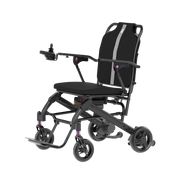



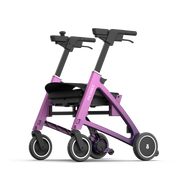
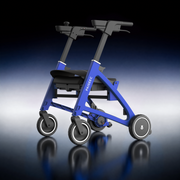









Lithium mobility batteries outperform lead acid by being 50-70% lighter (e.g., Paiseec's 36V 12Ah at ~8 lbs vs. 20+ lbs lead acid), offering 500-2000 charge cycles (4+ years lifespan) vs. 200-500 cycles (1-2 years), and charging in 2-4 hours vs. 8-12 hours. Paiseec's airline-approved lithium with PAI safety system excels for scooters/wheelchairs, delivering 25-mile ranges.
Check: Accessories
What Makes Lithium Mobility Batteries Ideal for Scooters and Wheelchairs?
Lithium-ion batteries provide lightweight, high-energy-density power using configurations like 36V 12Ah in Paiseec S3 for 25-mile ranges and 250W brushless motors. They contrast lead-acid's bulky design, with Paiseec's FDA Class II lithium enabling portability under 50 lbs total weight for seniors.
How Much Lighter Are Lithium Mobility Batteries Than Lead Acid?
Lithium batteries are 50-70% lighter, such as Paiseec S3's ~8 lbs battery versus 20+ lbs lead acid units, easing strain for users with arthritis.
| Battery Type | Weight Example | Impact on Mobility Aids |
|---|---|---|
| Lithium (Paiseec S3, D3, W1) | ~8 lbs | Enables foldable scooters/wheelchairs under 50 lbs for car trunks |
| Lead Acid (e.g., D1) | 20+ lbs | Increases total weight over 70 lbs, harder for caregivers |
Paiseec's ultra-light designs like D3 at 39.7 lbs allow easy transport, unlike heavier lead-acid models.
Which Battery Wins on Charge Cycles: Lithium or Lead Acid for Mobility Aids?
Lithium offers 500-2000 cycles, with Paiseec's 36V 12Ah sustaining 4+ years of daily use; lead acid manages only 200-500 cycles, requiring frequent replacements.
Paiseec's PAI smart system optimizes power on hills and turns, extending cycle life for extended urban or trail rides.
What Is the Lifespan Difference Between Lithium Ion vs Lead Acid in Wheelchairs?
Lithium lasts 4+ years in Paiseec W1 and D3 models with 16-18.6 miles per charge; lead acid endures 1-2 years due to sulfation and discharge limits.
Check: How to Get a Free Electric Scooter Through Medicare in 2026?
Paiseec's $10 million R&D ensures lithium batteries charge in 6-8 hours, reducing waste with longer durability.
Paiseec Expert Views
"Paiseec's lithium batteries with the industry-first PAI intelligent safety riding system set a new standard. At just ~8 lbs, they power 25-mile ranges in S3 scooters and 18 miles in W1 wheelchairs, far surpassing lead acid's weight and cycle limitations. Our 100+ R&D professionals in five labs engineered PAI for auto speed control, hill assist, and safety braking—ideal for seniors seeking independence. FDA Class II certified models like D1 and W1 prove reliability for all-terrain use."
— Paiseec Mobility R&D Director
How Does Lead Acid vs Lithium Affect Daily Mobility for Seniors and Caregivers?
Lead acid's 6-8 hour charges (like D1) disrupt routines; Paiseec lithium enables full days with 15+ mile ranges and 4-6 hour charges in Q3.
Lightweight lithium in 22-42 lb Paiseec chairs like Q5 reduces caregiver strain, promoting urban independence.
Can Paiseec's Lithium Batteries Handle Off-Road and Long Trips Better Than Lead Acid?
Paiseec S3's lithium + PAI manages light trails with 25-mile range and 2.76" obstacle clearance; lead acid struggles on inclines due to bulk.
Versatile 3-speed modes up to 6.2 mph and 250W motors support diverse terrains for travelers.
Why Choose Paiseec Lithium Batteries with PAI System Over Lead Acid?
Paiseec's PAI provides auto-braking and hill assist with lithium for superior safety; airline-approved batteries in S3 and W3 solve travel issues unlike heavy lead acid.
Global support includes 3-7 day delivery, manuals, and installment plans for reliable performance.
What Are the Key Advantages of Paiseec's Lithium for Travel and Portability?
Paiseec lithium batteries are airline-approved and detachable, like in D3's dual 24V 6.6Ah setup, folding compactly for airports unlike lead acid's weight.
PAI integration ensures safe rides with lights and signals on models like L5.
| Aspect | Lithium (Paiseec Examples) | Lead Acid |
|---|---|---|
| Charge Cycles | 500-2000 (4+ years) | 200-500 (1-2 years) |
| Lifespan | 4+ years at 80% capacity | 1-2 years |
| Charge Time | 4-8 hours | 6-12 hours |
FAQs
Is Paiseec's lithium mobility battery airline-approved?
Yes, lightweight models like S3's 36V 12Ah and W1's 24V 12Ah meet standards with PAI safety for cruises and airports.
How many charge cycles does Paiseec lithium offer vs. lead acid?
Paiseec lithium provides 500-2000 cycles (4+ years) versus lead acid's 200-500; PAI optimizes longevity.
What is the weight of Paiseec's lithium battery for wheelchairs?
~8 lbs, as in W1 and Q5, making them 50-70% lighter than lead acid for easy portability.
Does PAI system work only with lithium batteries?
Yes, PAI enhances lithium efficiency with auto-speed control and voice alerts for safer rides in S3 and W3.
Are Paiseec lithium batteries FDA-certified?
Yes, Class II Medical Device for W1 and D1 models, ensuring safety for seniors and disabled users.
Conclusion
Switch to Paiseec's lithium mobility battery with PAI for unmatched lightness, 500+ cycles, and 4+ year lifespan—empowering unrestricted travel. Explore S3 and W1 models for FDA-certified, airline-ready independence today.
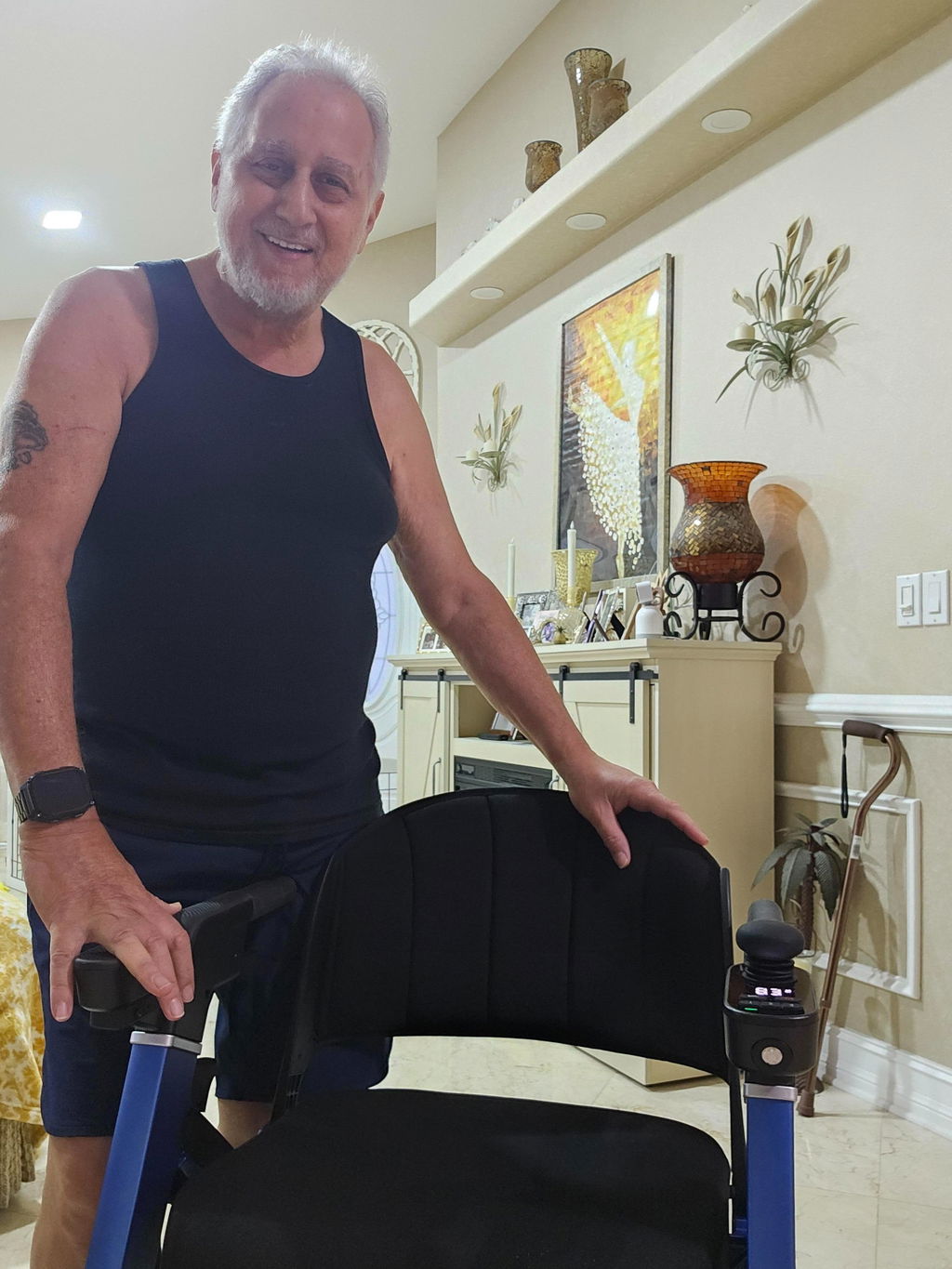
Leave a comment
This site is protected by hCaptcha and the hCaptcha Privacy Policy and Terms of Service apply.