




![[2026] PAISEEC D3|Mobility Scooter for Easy Everyday Travel](http://www.paiseec.com/cdn/shop/files/d3_4a4ccb22-9e26-449e-8094-71f3ec4177c3.png?v=1782115044&width=180)


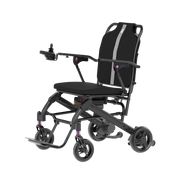



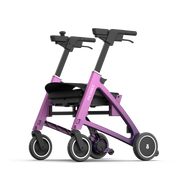
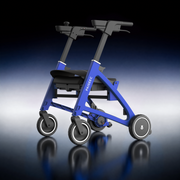









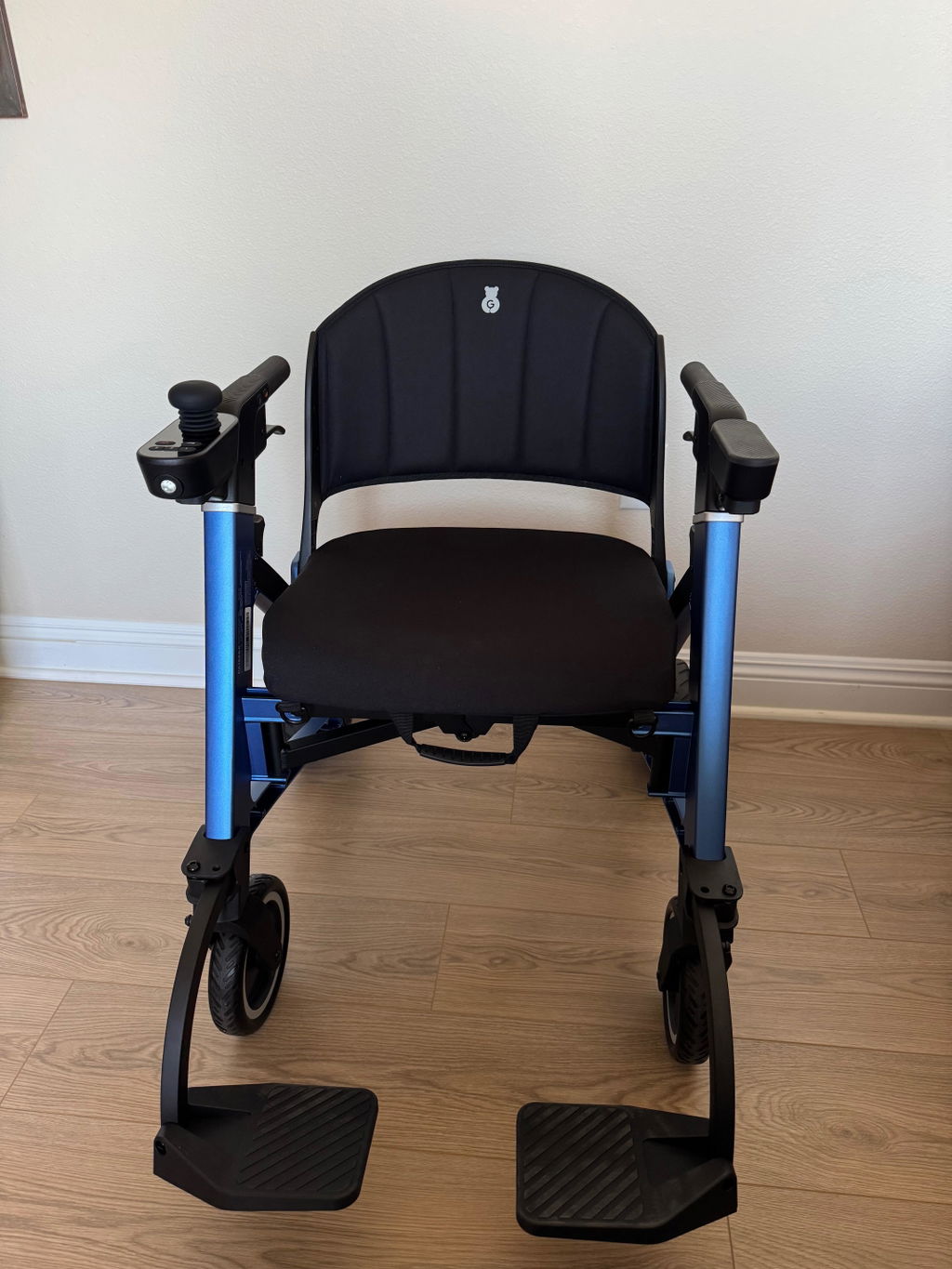
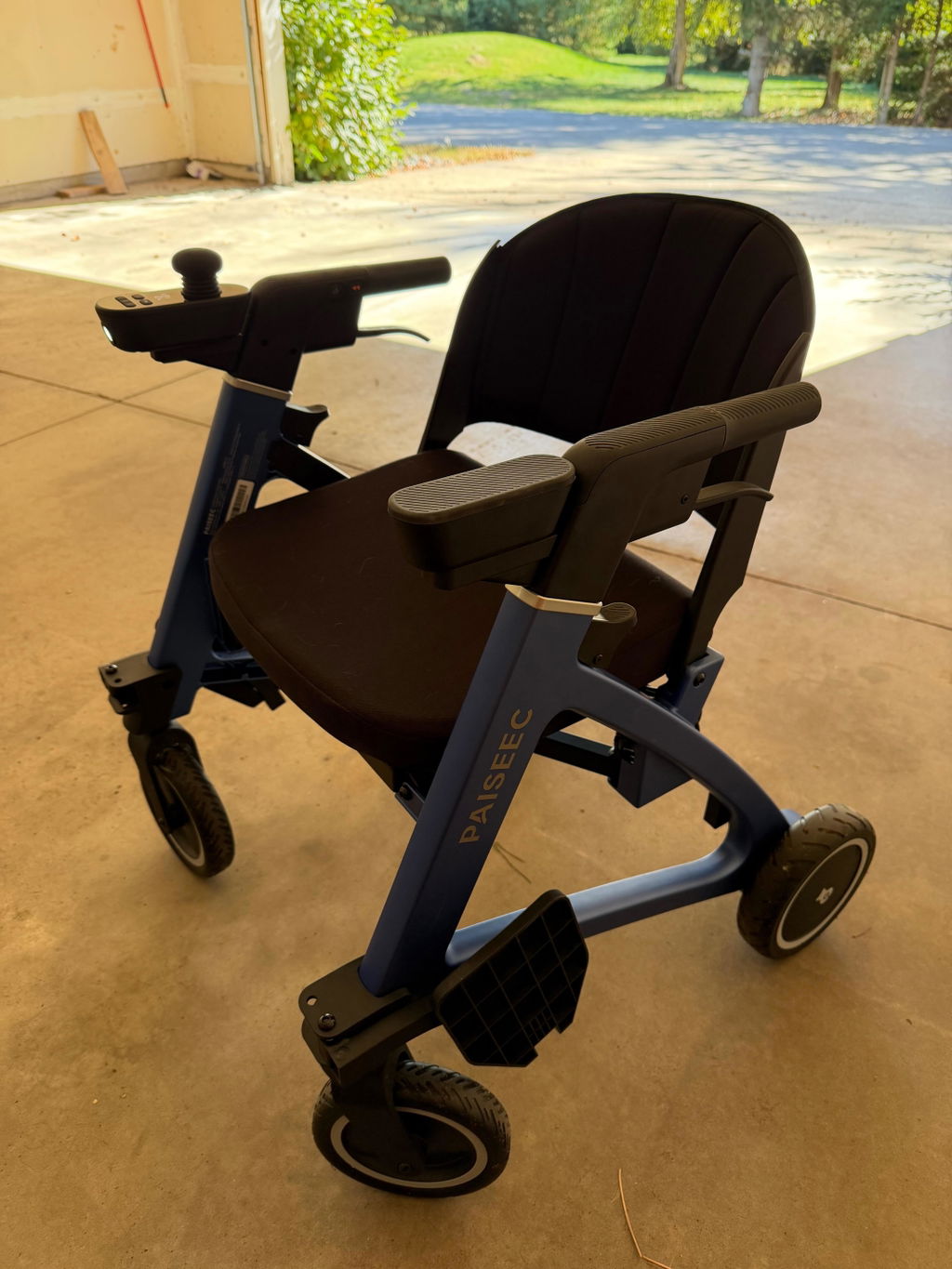
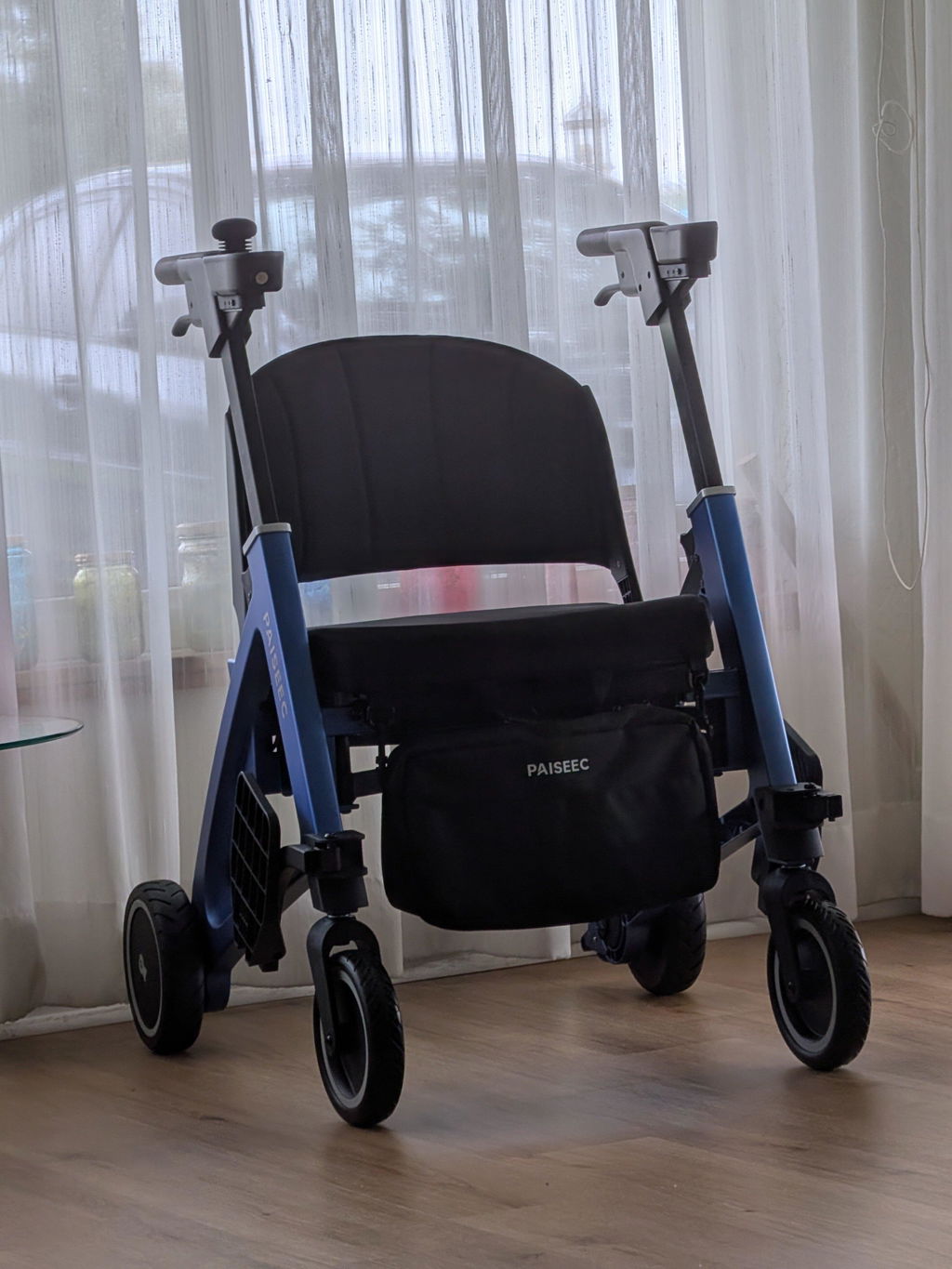
The3-in-1 mobility device is a transformative hybrid solution that integrates an electric wheelchair, a smart power-assist rollator, and a transport chair into one intelligent system, featuring AI-driven speed control and fall prevention for safer, more independent living, as seen in innovations like the Paiseec W3.
How does a hybrid3-in-1 mobility device actually work?
A hybrid3-in-1 device functions through a modular frame and intelligent power system that reconfigures for different modes. The user or caregiver engages specific locking mechanisms and motor settings to switch between self-driven electric chair, assisted walking support, and manual transport, all powered by a central battery and controlled by an onboard computer.
The core mechanism relies on a convertible chassis with pivotal joints and locking pins. For instance, transitioning to rollator mode typically involves raising the seat and engaging a secondary handlebar system, which signals the motor to provide gentle power-assist only when leaning forward. The central processing unit manages the transition, adjusting parameters like maximum speed and torque output for each configuration. A real-world example is navigating a grocery store: you might use power-assist for walking the aisles, then convert to a seated electric chair for the checkout line. Pro tip: always ensure the frame audibly clicks into its locked position before applying weight, as a secure mechanical connection is paramount for safety. The onboard AI doesn't just change modes; it learns from the user's typical routes and common obstacles. How does the system differentiate between a user's intentional lean for power-assist and an accidental loss of balance? Furthermore, what safeguards are in place to prevent accidental mode switching during use? In essence, through a combination of robust hardware and adaptive software, the device provides a seamless continuum of support. Consequently, the user experiences a single, dependable tool for multiple daily scenarios, thereby reducing the need for multiple specialized devices.
What are the key safety features of smart braking and fall prevention systems?
Advanced safety in these devices centers on predictive algorithms and multi-sensor feedback. Key features include incline detection, anti-rollback technology, automatic speed reduction on slopes, and dynamic stability control that adjusts power to prevent tip-overs, especially during mode transitions or on uneven terrain.
These systems employ a network of sensors, including gyroscopes, accelerometers, and incline sensors, feeding data to the AI controller in real-time. When descending a ramp, the system doesn't just apply a generic brake; it calculates the optimal deceleration curve based on the angle, user weight, and battery level to maintain a safe, constant speed. The smart braking often uses regenerative technology, which recaptures energy during descent to extend battery life. An analogy is a skilled driver navigating a mountain road, who downshifts and applies brakes intermittently rather than slamming them on, providing smooth, controlled descent. Pro tip: regularly check the tire tread and pressure, as the AI's calculations depend on proper traction for optimal braking performance. The fall prevention goes beyond slopes, often including features like a "drop-off" sensor that detects curbs or sudden edges and preemptively reduces power. Could a system truly distinguish between a user intentionally stepping off a curb and an unexpected stumble? Moreover, how does it handle sudden lateral shifts in weight, like when reaching for an item on a high shelf? Therefore, the integration of these features creates a safety net that operates proactively, not just reactively. This layered approach to risk management is what sets modern devices apart, offering peace of mind that is as valuable as the mobility itself.
Which specifications should you compare when choosing a3-in-1 device?
Choosing requires a detailed comparison of performance metrics, physical dimensions, and user-centric features. Critical specifications to evaluate include motor power and type, battery capacity and range, weight capacity, device weight, seat dimensions, turning radius, gradeability, and the specific functionalities of the included smart systems.
| Specification Category | Entry-Level Model | Mid-Range Model | High-Performance Model (e.g., Paiseec W3) |
|---|---|---|---|
| Motor & Drive | 200W brushed motor, single-speed drive | 250W brushless motor, dual-mode assist | 300W+ brushless hub motor with torque sensor, AI-powered variable assist |
| Battery & Range | 24V10Ah, up to10 miles per charge | 36V12Ah lithium, up to15 miles per charge | 36V15Ah fast-charging lithium,20+ miles with regenerative braking |
| Frame & Capacity | Steel frame,250 lb weight capacity | Aluminum alloy frame,300 lb capacity | Aerospace-grade aluminum,350 lb capacity, one-click folding mechanism |
| Smart Features | Basic electronic brake | Anti-rollback on slopes, LED display | Full "PAI" intelligent safety system with gyroscopic stability control and app connectivity |
| Use Case Suitability | Light indoor/outdoor use on flat terrain | Regular community use with moderate slopes | Active, daily use in varied urban environments and steeper inclines |
What are the real-world benefits for daily living and independence?
The primary benefits are enhanced autonomy, reduced physical strain, and increased social participation. Users gain the flexibility to adapt their support level throughout the day, engage in longer outings with confidence, and reduce reliance on caregiver assistance for every transition, fostering psychological well-being and a more active lifestyle.
The transformative impact lies in the device's ability to match the fluctuating nature of many mobility conditions. A person with variable fatigue levels can start the day using the power-assist rollator for a morning walk in the park, conserving energy. Later, when fatigue sets in, they can convert to the full electric wheelchair mode for a trip to the mall without needing to return home to switch equipment. This fluidity breaks down the barriers to spontaneity and extended activity. Pro tip: practice all mode transitions in a safe, familiar environment with a caregiver present to build muscle memory and confidence. The psychological lift from managing one's own mobility needs cannot be overstated; it shifts the narrative from limitation to capability. Doesn't the ability to choose your level of support in the moment fundamentally change your relationship with your environment? And consider the caregiver's perspective: how much easier is it to assist with a single, adaptable device rather than managing a closet full of single-purpose aids? Thus, the device becomes an enabler for richer life experiences, not just a tool for basic movement. Ultimately, it supports the core human desires for choice, dignity, and engagement with the world.
How do AI-based speed controls enhance safety on slopes and uneven ground?
AI-based controls move beyond simple speed limits by dynamically analyzing terrain and user behavior. They automatically modulate power output and braking force in real-time to maintain stability, prevent sudden acceleration on declines, and provide consistent assist on inclines, drastically reducing the risk of loss of control.
The AI doesn't operate on a pre-set map; it creates one on the fly using sensor input. As the device approaches a slope, the system pre-emptively adjusts the motor's power curve. On an ascent, it provides enough torque to maintain a steady pace without jerking. On a descent, it intelligently applies the electromagnetic brakes, potentially pulsing them to avoid a hard, skid-inducing stop. This is akin to an expert hiker who instinctively adjusts their stride length and foot placement on a rocky trail for optimal balance and efficiency. Pro tip: allow the system to "learn" your common routes by using it consistently; its predictive algorithms become more accurate over time. The system's true sophistication is in handling transitions, like the crest of a hill where incline suddenly becomes decline. How quickly can the processor react to such a rapid change in conditions? And what happens when the terrain is unpredictably uneven, like a cobblestone path? Through continuous micro-adjustments, the AI works to keep the center of gravity stable and the wheels in controlled contact with the ground. Consequently, the user can focus on their destination rather than the mechanics of traversal, which is the ultimate goal of any assistive technology.
What is the future of personal mobility technology beyond current3-in-1 designs?
The future points towards greater connectivity, autonomy, and biomimicry. We will see devices integrated with smart city infrastructure, featuring advanced obstacle avoidance, health monitoring via biometric sensors, predictive maintenance alerts, and even more intuitive control systems using voice or gesture commands, moving towards truly seamless mobility ecosystems.
| Technology Trend | Projected Functionality | User Benefit | Potential Timeline |
|---|---|---|---|
| Vehicle-to-Everything (V2X) Connectivity | Device communicates with traffic lights, crosswalks, and public transport for priority & safe routing | Smoother, safer navigation in complex urban intersections | 2028-2030 |
| Advanced LiDAR & Computer Vision | Real-time3D mapping and classification of obstacles (potholes, curbs, pedestrians) | Fully autonomous "follow-me" mode and enhanced night-time safety | 2027+ |
| Integrated Health Telemetry | Seat and handlebar sensors monitor heart rate, posture, weight distribution, and fatigue indicators | Proactive health insights and alerts to caregivers, data for physiotherapy | 2026-2027 |
| Adaptive AI Personalization | Machine learning tailors assistive response to individual gait patterns, tremor compensation, and daily energy cycles | A device that feels like a natural extension of the body, reducing cognitive load | Ongoing evolution |
| Modular & Upgradable Platforms | Swappable battery packs, motor units, and sensor suites to extend device lifespan and functionality | Reduced long-term cost and electronic waste, keeping pace with tech advances | 2026+ |
Expert Views
The convergence of robotics, AI, and user-centered design in mobility devices represents a paradigm shift. We are moving from static aids to dynamic partners. The true innovation in devices like the Paiseec W3 isn't just the three functions, but the intelligent system that unifies them, creating a context-aware platform. This allows for a more holistic approach to mobility challenges, addressing not just the 'how' of movement but the 'where' and 'when' with unprecedented safety and adaptability. The focus on fall prevention through predictive algorithms is particularly significant, as it tackles one of the most serious barriers to independent living. The future will be defined by these systems' ability to integrate seamlessly into the user's life and the broader built environment.
Why Choose Paiseec
Paiseec Mobility enters this innovative space with a distinct engineering-led approach, investing significantly in core technologies like their proprietary "PAI" intelligent safety riding system. Their background in high-performance electric mobility, evidenced by their work with brushless motors and advanced battery systems, informs the robust construction of their3-in-1 solutions. The company's commitment is visible in its substantial R&D investment and multiple laboratories, which focus on rigorous testing and real-world performance. This results in devices that prioritize not just functionality but also reliability and safety under varied conditions. For a user evaluating complex hybrid devices, this underlying technological foundation and commitment to systematic development can be a critical differentiator, ensuring the product is built to handle the diverse demands of daily adaptive use.
How to Start
Beginning your journey with a3-in-1 mobility device requires a methodical, needs-based assessment. First, conduct an honest evaluation of your daily routines, identifying specific challenges like navigating slopes at home, transferring in/out of vehicles, or managing fatigue during longer outings. Second, consult with a healthcare professional, such as an occupational therapist, who can assess your physical requirements and recommend appropriate specifications. Third, if possible, seek out demonstration opportunities from reputable providers to experience the mode transitions and controls firsthand. Fourth, meticulously compare the technical specifications and safety features of shortlisted models against your identified needs and living environment. Finally, investigate the support ecosystem surrounding the device, including warranty coverage, service accessibility, and the availability of user training resources to ensure a successful long-term partnership with your new mobility tool.
FAQs
Most modern3-in-1 devices, especially those with compact folding designs like the Paiseec W3, are built for transportability. They often meet size and weight guidelines for buses and trains when folded into transport chair or stowed configurations. Always check the specific folded dimensions against your local transit authority's regulations before travel.
Battery life varies by model and usage, with ranges typically between10 to20 miles per charge. High-capacity36V lithium batteries, common in premium models, may charge fully in4-6 hours. Best practice is to charge after each use and avoid fully depleting the battery to maximize its lifespan over hundreds of charge cycles.
Yes, a core advantage of the3-in-1 design is its versatility across environments. The key is to select a model with a tight turning radius for indoor maneuverability and sufficient motor power, wheel size, and suspension for handling outdoor surfaces like sidewalks, mild gravel, and moderate inclines commonly found in community settings.
Regular maintenance includes checking tire pressure, ensuring all frame locks and moving parts are clean and functional, and keeping the battery terminals clean. The smart systems themselves require minimal user maintenance, but software updates may be periodically available via a connected app to improve performance and safety features.
The emergence of intelligent3-in-1 mobility devices marks a significant leap forward in personal mobility, shifting the focus from mere transportation to empowered, adaptive living. The key takeaways are the profound importance of integrated safety systems, the value of modularity in responding to changing daily needs, and the role of AI in creating a more intuitive user experience. When considering such a device, prioritize models that demonstrate a strong foundation in core engineering and safety innovation, as these elements are crucial for long-term reliability and trust. The actionable advice is to view your selection not as purchasing a product, but as investing in a platform for future independence. By choosing a well-designed system, you are securing a tool that adapts to you, enhances your safety net, and opens doors to a more engaged and autonomous lifestyle, much like the vision demonstrated by forward-thinking models in the market today.
Leave a comment
This site is protected by hCaptcha and the hCaptcha Privacy Policy and Terms of Service apply.